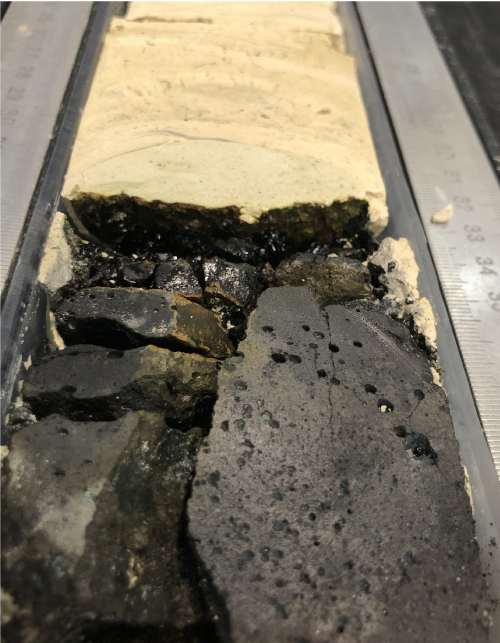
The Proceedings of the #IODP Volume 395: Reykjanes Mantle Convection and Climate was published on 21 January 2025. https://t.co/tPymSOi1o5
#JRSO#Exp395#NSFfunded@TheJR@NSF
Interested in grad school? My colleagues and I are looking for Geophysics grad students @IGPP@Scripps_Ocean (see for projects: https://t.co/4JY325GQfz).
We host a virtual open house with infos on the Geophysics program this Friday, Nov 1, noon PT, RSVP: https://t.co/43wPXXfGIa
At approximately 10:06 am this morning Amsterdam time, #Exp403 officially came to an end, and with it the U.S. scientific ocean drilling program. Here’s the last time scientists will walk the gangway leaving @TheJR
AGU Session Alert 🚨: @imagecreateca are sponsoring the AGU Session V013. Linking magmatic, tectonic, and hydrothermal processes in arc-backarc and mid-ocean ridge settings. We welcome all submissions from those working along MORs and back-arcs!
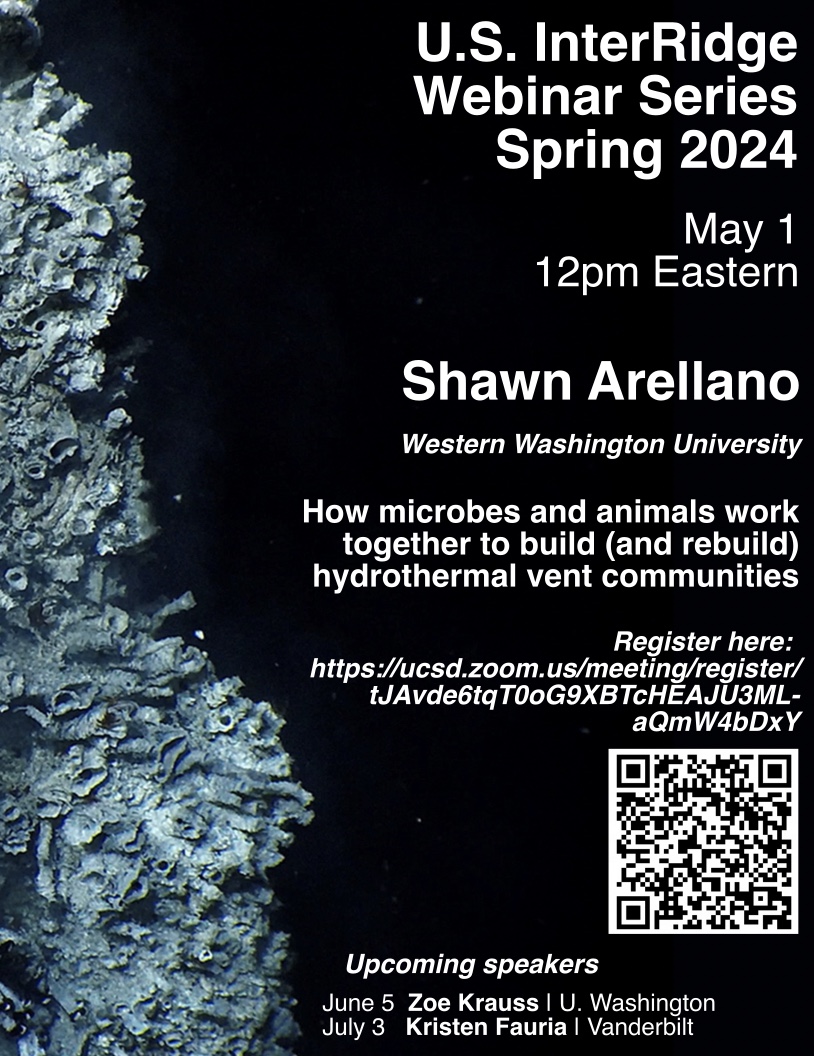
Join us at 12pm Eastern on May 1 for the next US InterRidge Webinar given by Shawn Arellano @LarvalLab
Register: https://t.co/qX8LIKQSvN
Previous webinars are on our freshly minted US InterRidge website👉 https://t.co/KTZpFqoTTB
.@TheNASEM: "...the capacity for future scientific ocean drilling for the United States and its present international partners will likely be reduced to approximately 10 percent of its current capacity"
Report out today: https://t.co/cXluczKPCF
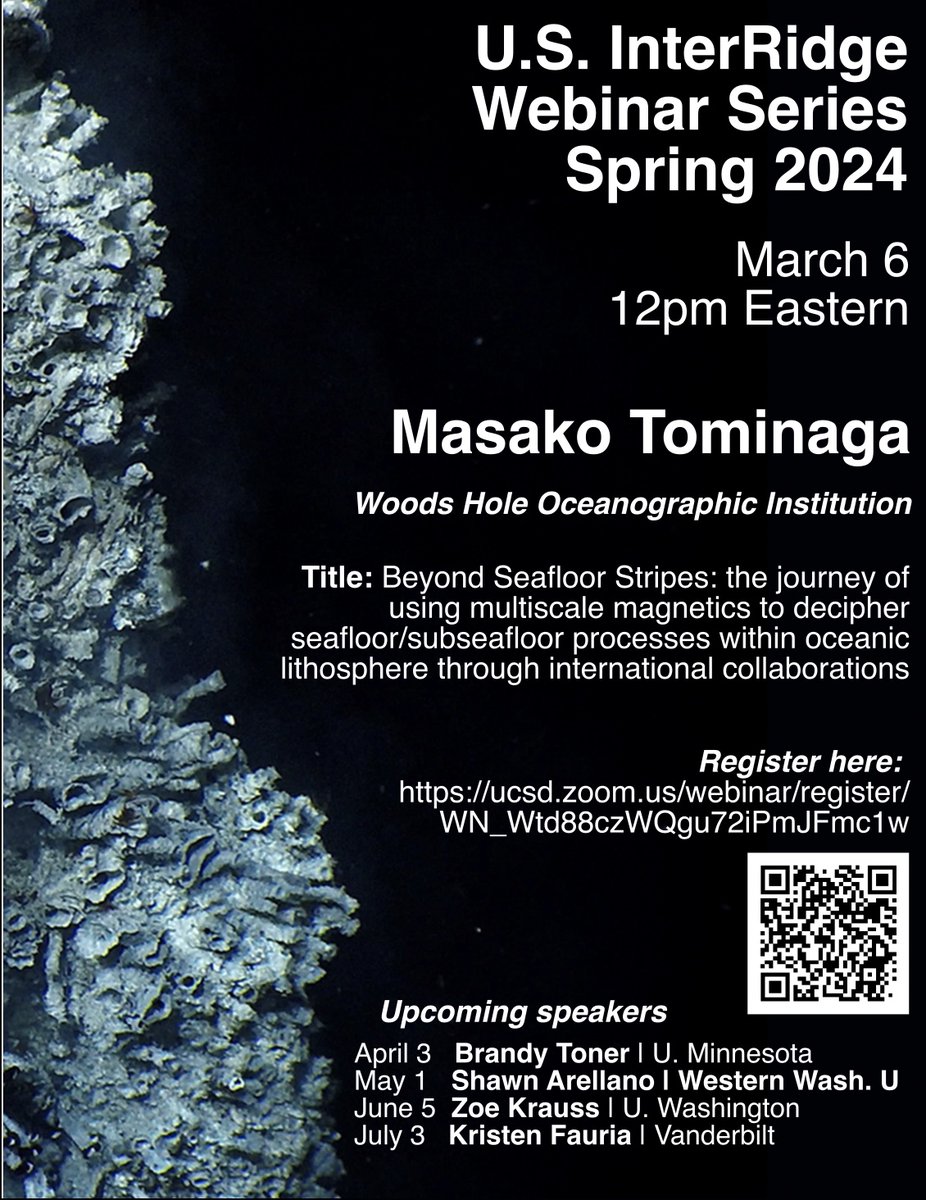
U.S. InterRidge is launching a brand-new monthly webinar, with everything from mid-ocean ridges to the deep abyss: science above, at and below the #seafloor!
Next speaker: Masako Tominaga, @WHOI
6 March | 12pm ET
Register: https://t.co/R3eERc37p5
Upcoming schedule 👇
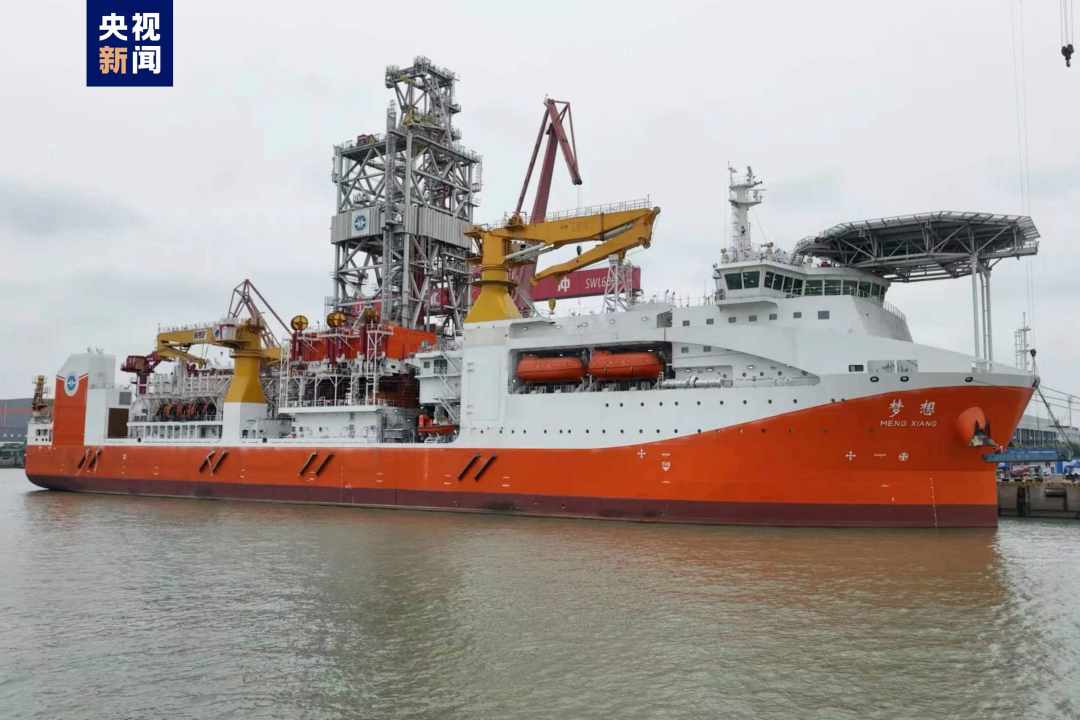
China will conduct the 1st sea trial of its self-developed and world's most advanced ocean-drilling research vessel, Mengxiang, in S China's Guangzhou on Dec 22. The ship, with a max range of 15,000 nmi, can operate for 120 consecutive days and drill in waters as deep as 11,000m.
New research from Brian Tucholke & Deborah Smith @WHOI and @Ross_PT@Scripps_Ocean shows that magma supply—not the rate of seafloor spreading—is the strongest predictor for how seafloor morphology is formed. #AGUPubs
https://t.co/GIiPtu2yEd
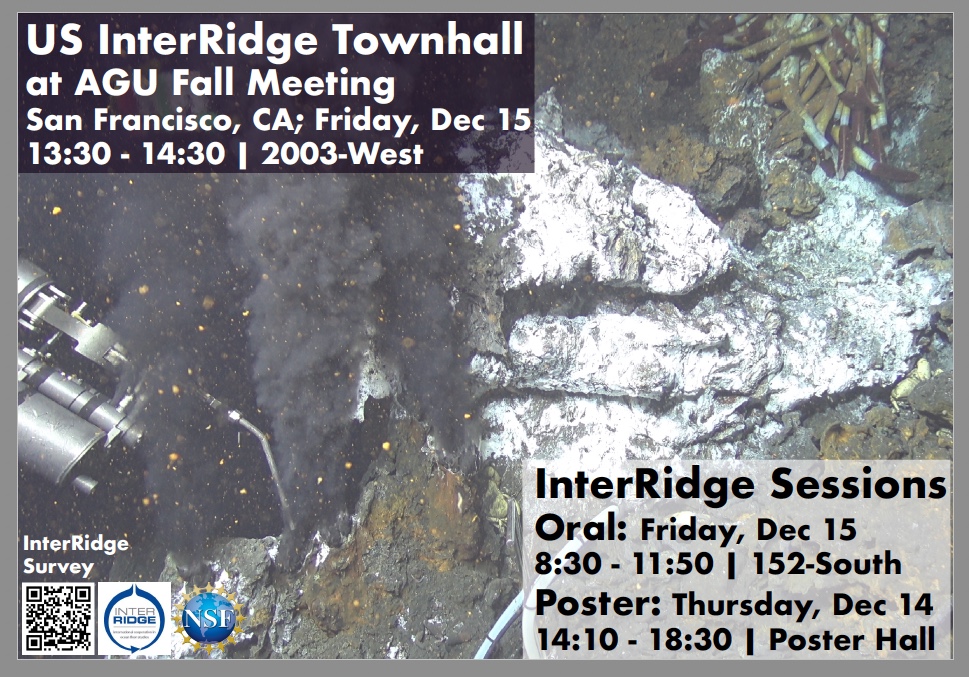
Do you study mid-ocean ridges? There's a townhall for you at #AGU23!
Meet your colleagues, hear from funding agencies, and bring ideas on working together.
Share your input: https://t.co/VHHPxwk2rW
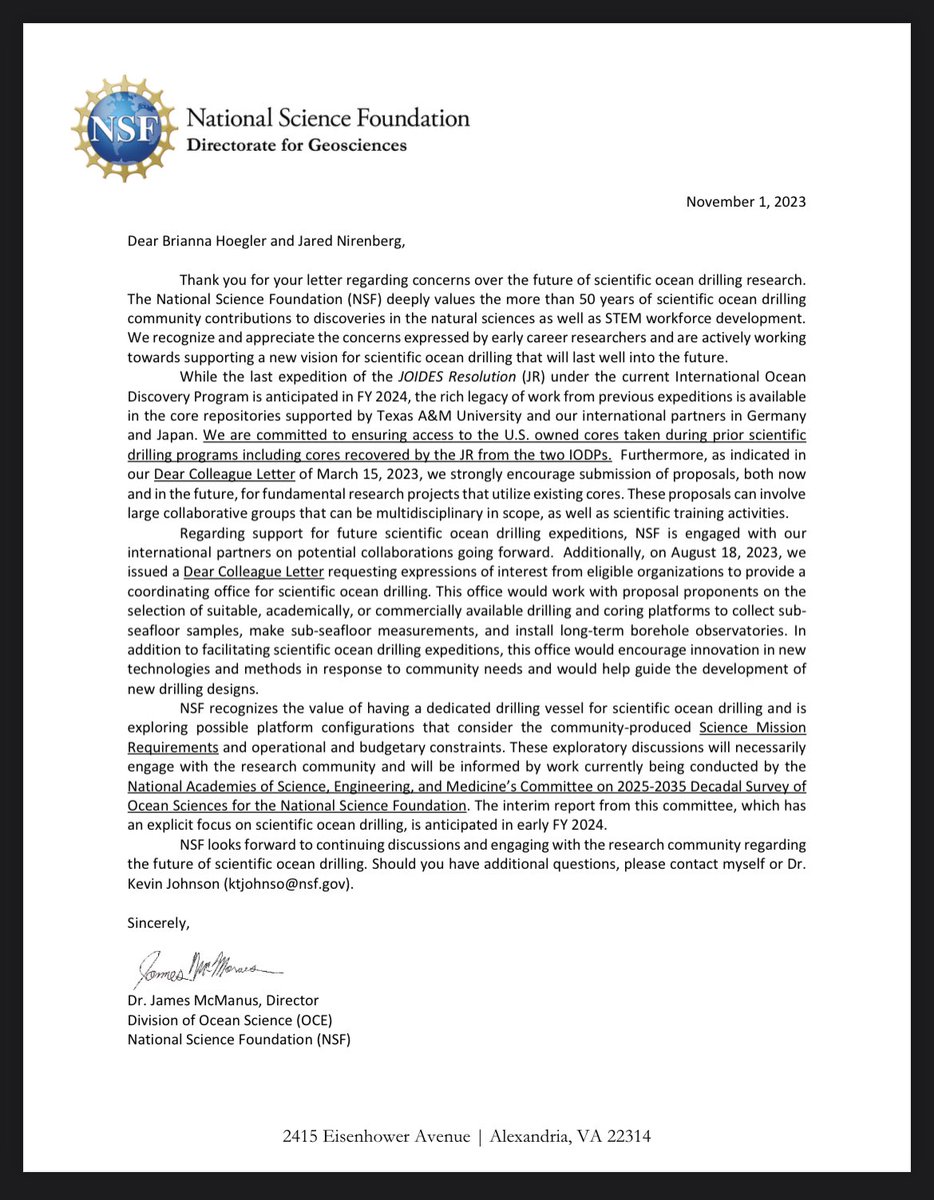
An update for those who signed our letter to @NSF asking them to support the scientific ocean drilling community in the U.S.: Director McManus sent us a reply, detailing much of the same we’ve been hearing— the future of our field remains uncertain.
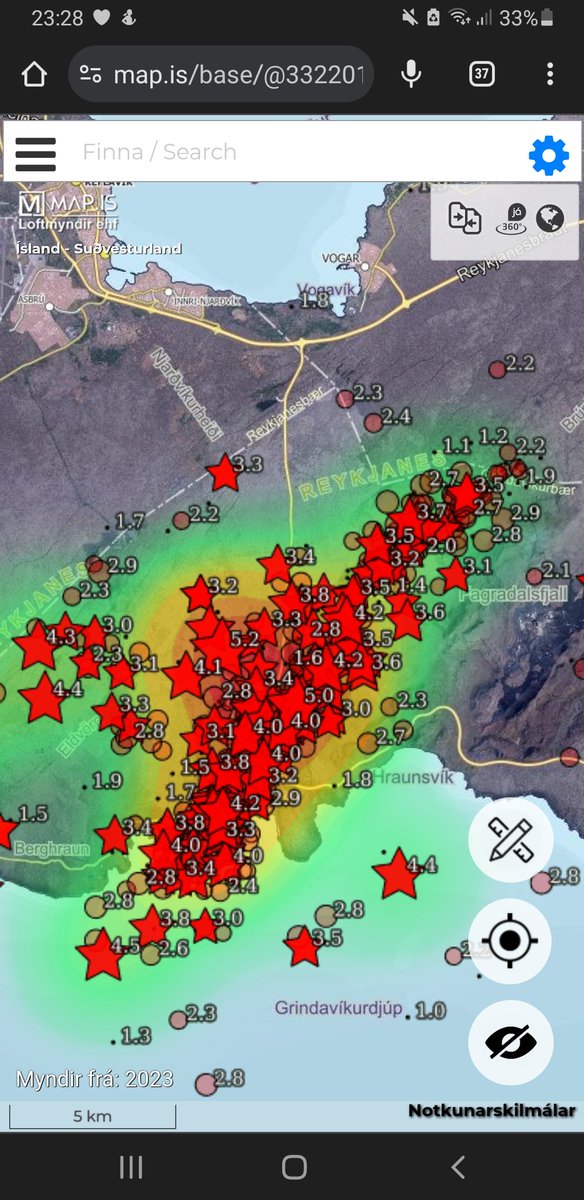
Quick display of IMO's earthquake locations the last 6hrs using https://t.co/fsAt8MbJd1. A good,free tool to play with. It certainly looks like a dyke intrusion propagating both SW and NE from Svartsengi. Note that seismicity indicates that the dyke reaches under Grindavík town
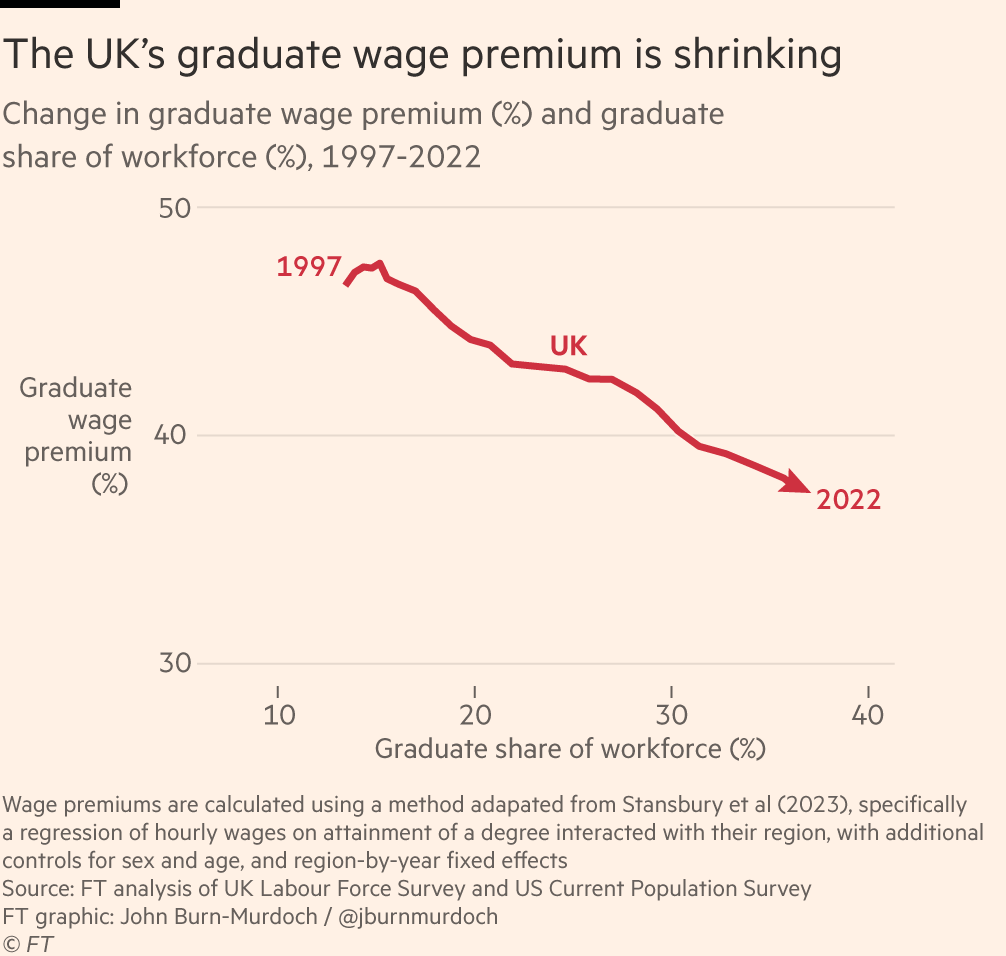
NEW: we need to talk about UK graduate wages, and the idea that Britain sends too many people to university.
American readers should stick around for the UK/US comparisons 👀
Let’s start with this: the UK graduate wage premium has fallen substantially over the last 25 years
Are you a soon-to-be minted PhD?
Test this👇hypothesis as a #postdoc in marine geophysics at Scripps Oceanography
Projects with me on mantle plumes, mid-ocean ridges, and ocean circulation
$70k/yr + benefits, two years
Apply by Oct 31
https://t.co/rtAWeFPROj
Want a PhD in marine geophysics? Come join me at Scripps!
> Work on Iceland plume and ocean gateways
> New data from #IODP#Exp395
> 5yrs of stipend, tuition, health ins
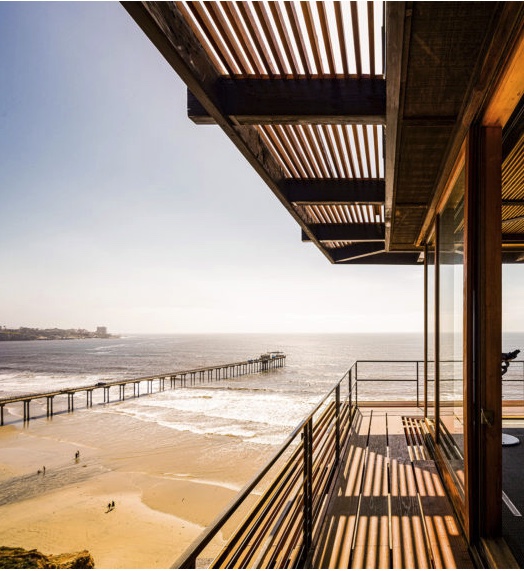
> Beachfront office in San Diego, Calif.
> More at https://t.co/UkNxX06lfe
> Apply: https://t.co/FYgCtkkbdd