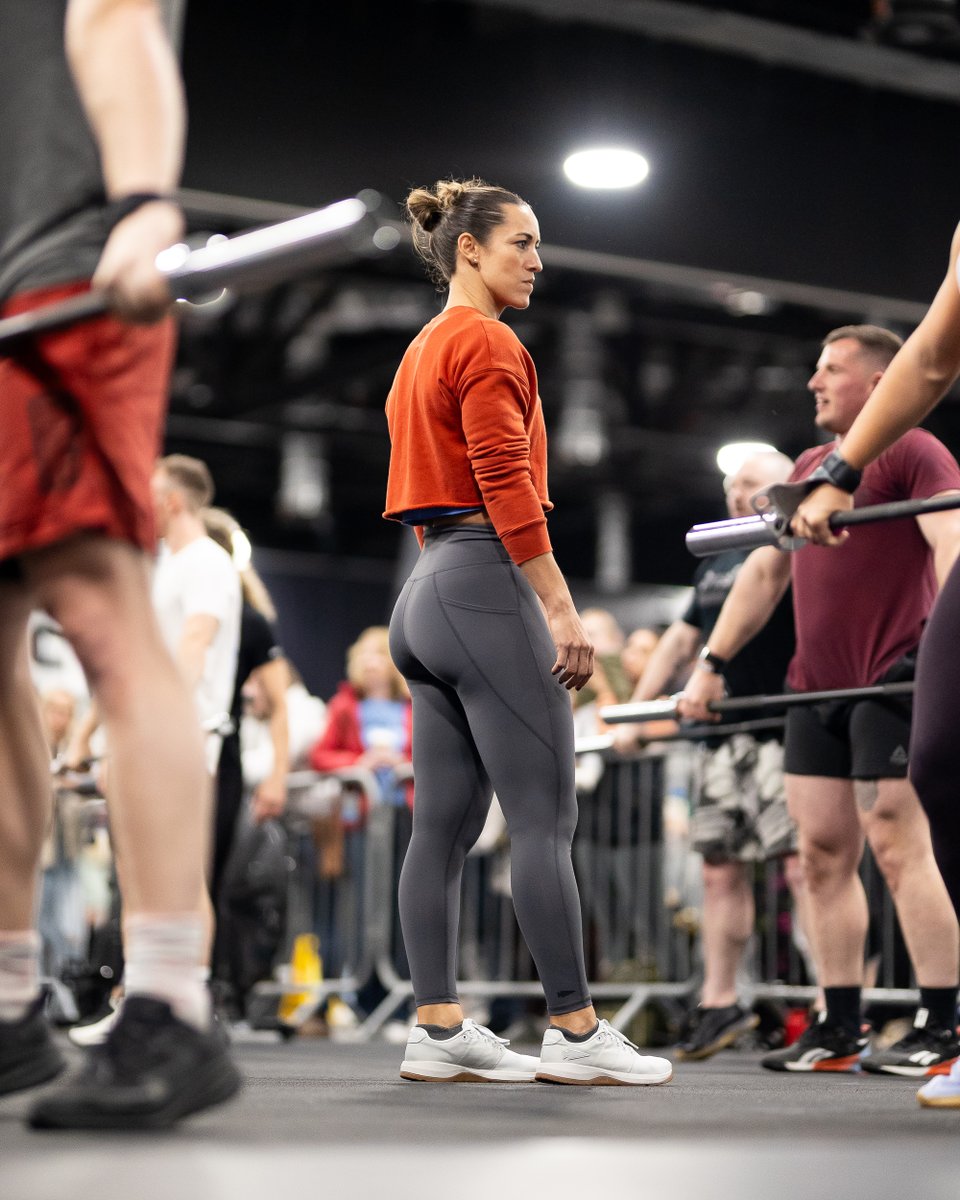
5 Simple Tips to Optimize Your Life (And Actually Feel Better Doing It)...
If you’re someone who’s trying to do it all — work, family, fitness, life — it can feel overwhelming. But building a stronger, healthier version of yourself doesn’t have to be complicated. Small, intentional actions every day can have a massive impact over time.
Here are five simple, effective tips to help you optimize your life so you can show up stronger — mentally, physically, and emotionally.
1. Prioritize Your Sleep (Seriously)
We’ve all heard it: “Get your 8 hours.” But let’s be real — sleep is often the first thing we sacrifice when life gets busy. Aim for 7–8 hours of quality sleep each night. Your body needs that time to recover, recharge, and rebuild. If you're training hard, working long hours, or constantly on the go, sleep isn't just helpful, it's essential.
Lack of rest affects your focus, mood, recovery, hormones, and even your appetite. You can’t pour from an empty cup and sleep is how you refill it. I will speak from experience, if I'm skimping on my sleep, my cognitive function starts to slip and I know it's time to put more priority on my sleep. If you are someone who is only getting 5-6 hours of sleep, aim to increase that by 15-30 minutes. Focus on small adjustments and changes vs trying to jump 2-3 hours.
This to me is the beginning of the end. Gen Z is so insulted from being able or required to undertake basic tasks or understand how basic things work, because everything is mediated by their phone and layers of technology.
If there was a power disruption that lasted a week, how would most of these people survive. How would stores sell products to people who don't have cash, and where you have to use your brain to add up prices, manually keep a record of goods sold, etc.
We genuinely are creating a society of people who are useless outside of an incredibly narrow and largely artificial set of skills.
On the promise of convenience, we're turning ourselves into digital slaves. If you have children, teach them basic skills like how to add up, how to cook, basic stuff around the house like simple repairs, maybe even how to grow some veggies, etc.
Also teach them how to do research the old way, by looking through books at a library rather than just using chatGPT, how to interact with people without devices, maybe teach them another language rather than relying on translation programs like Google translate.
Future wars don't have to be fought with weapons. All you need to do is disable telecommunications and power, and you'll bring a whole country to its knees in less than 48 hours.
Ironically, this wouldn't have happened 50 years ago. It still would have been chaos, but enough people would have had enough skill in just doing mundane every day things to keep things ticking over.
Okay, so hear me out. Yes, the TikTok Chromebook challenge, wherein students stick things into the USB port thereby starting the device on fire, is bad.
But is the destruction of Chromebooks really that bad?
I mean, I get the urge...
You can’t expect kids to think critically if they never read anything worth thinking critically about.
If all they encounter is YA fiction and thinly veiled activism, their output will be as vapid as their input.
Give them challenge. Give them something real.
@eduleadership Higher engagement is absolutely correlated to the Teacher.
Demonstrating new skills as well. It is no different than teaching new weightlifting skills, teaching the progressions, showing exemplars, then practicing until the skill is obtained and can be demonstrated.
Students will learn far more from a few class sets of used books, no. 2 yellow pencils, and cheap notebooks than millions spent on Chromebooks, smart boards, and expensive “learning” software
Pencils and paper > screens