Non-profit research & design collaborative exploring locally adaptive responses to the multiple challenges of contemporary rural life. #RuralRegeneration
The community land trust structure can serve as a vehicle to amass purchased and gifted lands into Community Commons with the purpose of facilitating low-cost access to land for those seeking ecological living, regenerative food production, and sustainable livelihoods. [1/2]
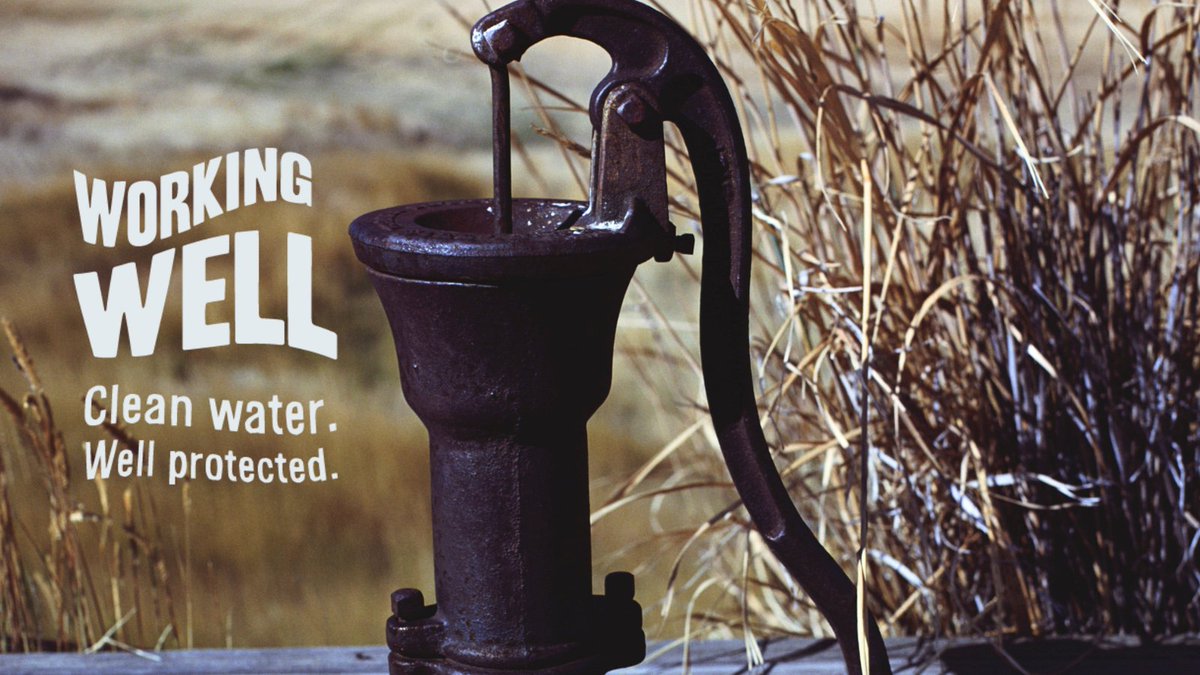
Do you have sediment in your well?
Has your yield dropped?
Can you identify common contamination risks to your well?
Join us for an online ‘Working Well’ workshop on February 25 at 6:30pm to hear how! Sign up here -> https://t.co/yR7fKVySGI
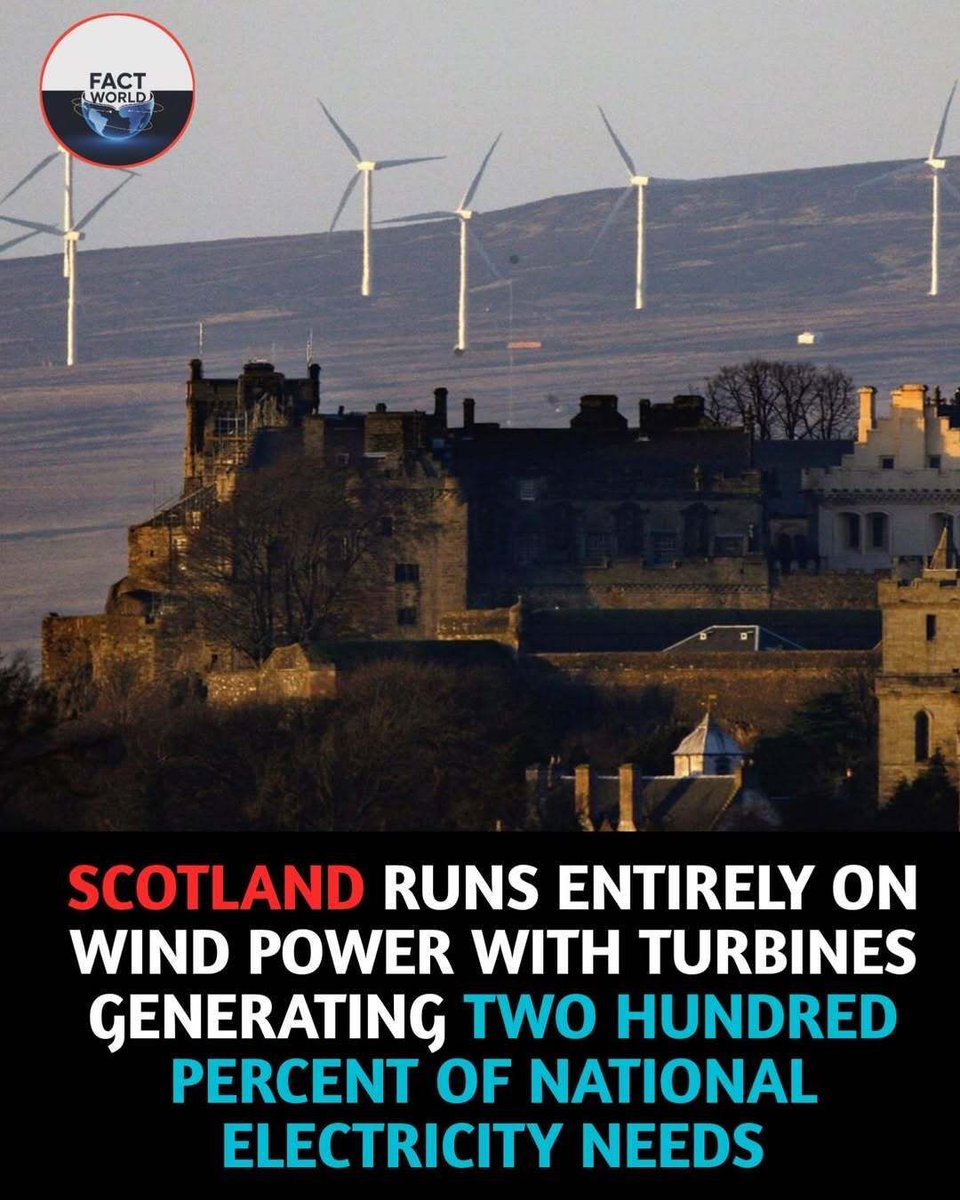
Scotland just delivered one of the most powerful clean-energy statements in modern history. On multiple occasions, the country’s wind turbines generated around 200% of national electricity demand, producing far more power than Scotland itself needed.
It can be done!!!
No time to wait. #ActOnClimate #renewables
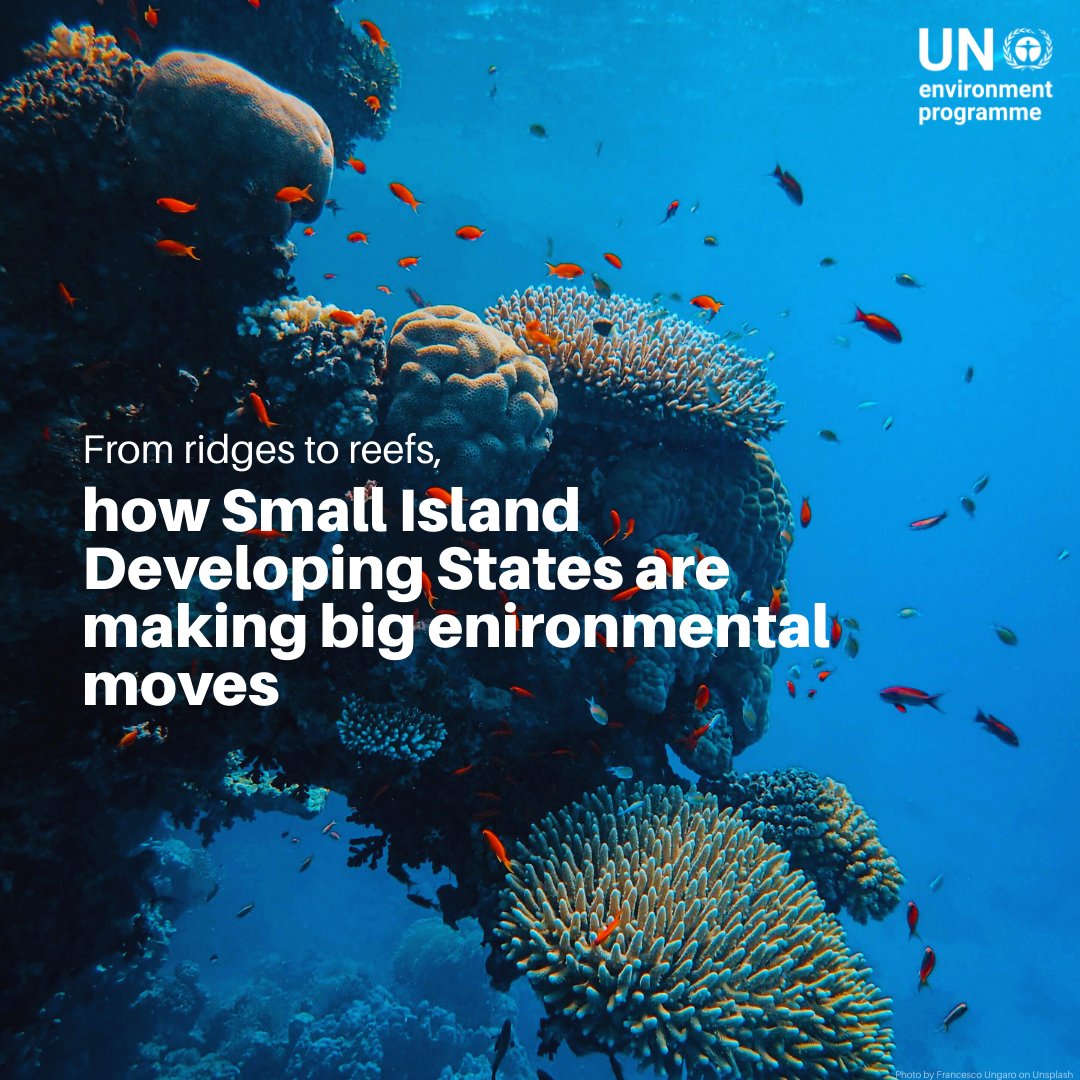
From rising seas to disappearing forests, Small Island Developing States face some of the fiercest fallout from environmental degradation.
But many of these countries are fighting back.
See how: https://t.co/EIiLuwuAiK
Throw Back Thesis Thursday
Check out Larissa Svirplys' MSc (Planning) thesis: Planning considerations for the implications of local government restructuring on the sense of place in a rural community
https://t.co/zuCND3qBrg
#RuralPlanning#RuralGuelph
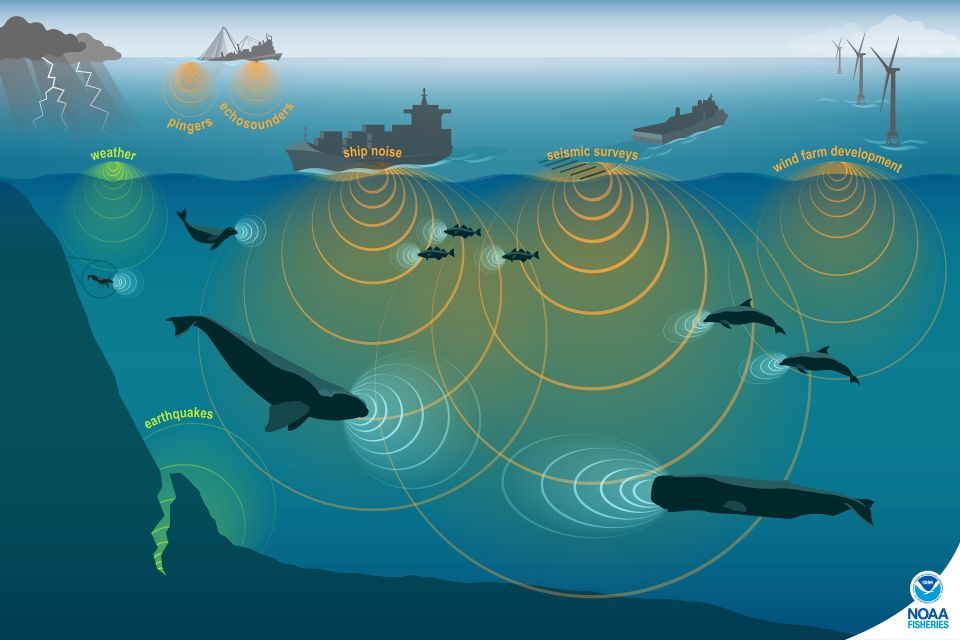
Sound is essential to life in the ocean. Whales, dolphins, and many other marine species rely on sound to communicate, navigate, find food, and avoid danger.
But the ocean is becoming increasingly noisy. Shipping traffic, seismic surveys for oil and gas, military sonar, and offshore development all add powerful human-made sounds that travel far underwater. These noises can mask communication, disrupt migration and feeding, cause stress, and in some cases lead to injury or strandings.
Natural sounds like weather and earthquakes are part of ocean life. Human noise is not. As ocean use continues to grow, protecting quiet spaces and reducing harmful noise is critical to safeguarding marine ecosystems and ensuring a healthy ocean for all.
Graphic by @noaa
🚨 1 hour before we kick off!
Join our webinar on the role of cooperatives in crisis adaptation. 🗓️
Today 14:00–15:30.
Hear experts from @ilocoopsse@weeffect, @ALDAeurope & more. Q&A included!
Register & info: https://t.co/sdn0uMSR05
#socialjustice#coops4dev🌍
#Media: Canada is planning a historic expansion of electricity production — yet the planning tools guiding public policy discussions do not fully reflect reliability, capacity, and long-term system value.
Today, we released The True Value of Hydropower report, which finds that when electricity systems are evaluated on a system-wide and long-term basis, hydropower emerges as one of the most cost-effective and reliable clean energy resources available.
Read the press release: https://t.co/7MDEP0ZECE
In The Media: UW water researchers Laura Neary and Roland Hall write in the @ConversationCA on why the Peace-Athabasca Delta is at risk — and how improved lake monitoring using water-isotope methods can track freshwater loss & guide protection efforts.
https://t.co/GxMawTgcRe
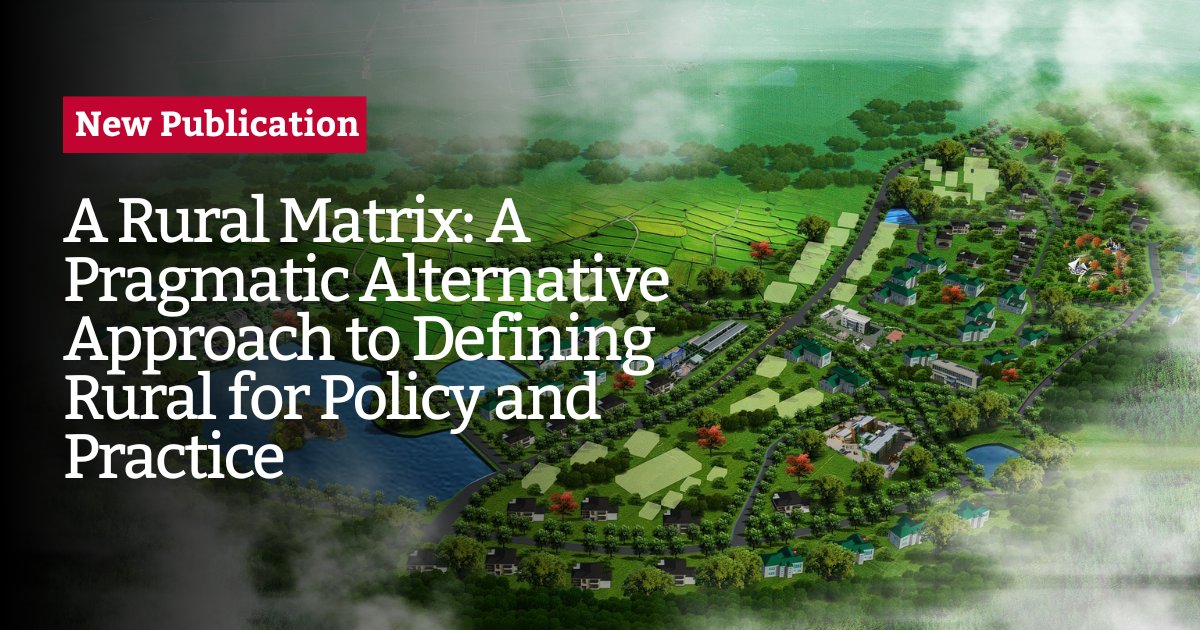
New publication
Better definitions lead to better policy. A study by @DanikaSkyeH, Sarah Breen (@selkirkcollege) & @ryanfgibson introduces a rural matrix to capture rural diversity and support smarter decisions.
Take a read: https://t.co/gn2AffNOR0
#RuralGuelph#RuralPlanning
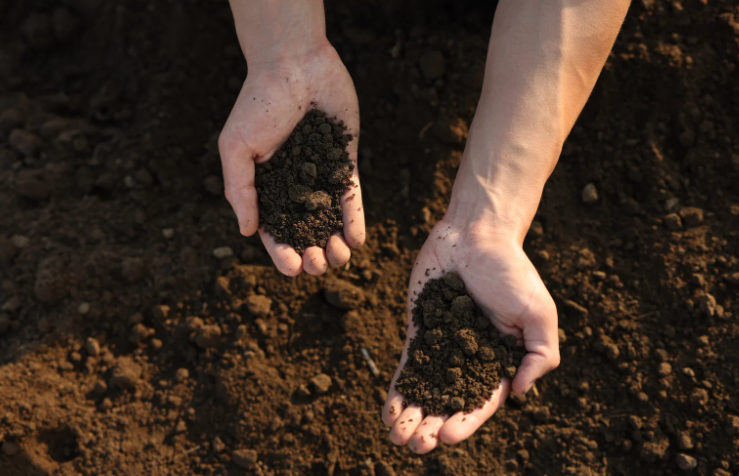
Want to learn more about your farmland, but don't know where to start? There are a bunch of tools and resources out there to help you better understand your farmland! One example is the the Soil Texture Map! https://t.co/dOEDn4CMXV
It’s Open House day at CCRAH! Join us at 1 PM to tour our centre and discover how we’re supporting rural and agricultural health across Canada.
If you didn't have a chance to register, walk-ins are welcome!
Learn more 👉 https://t.co/ioltbhHBB7
Looking for practical tools to support your farm or ranch, available 24/7?
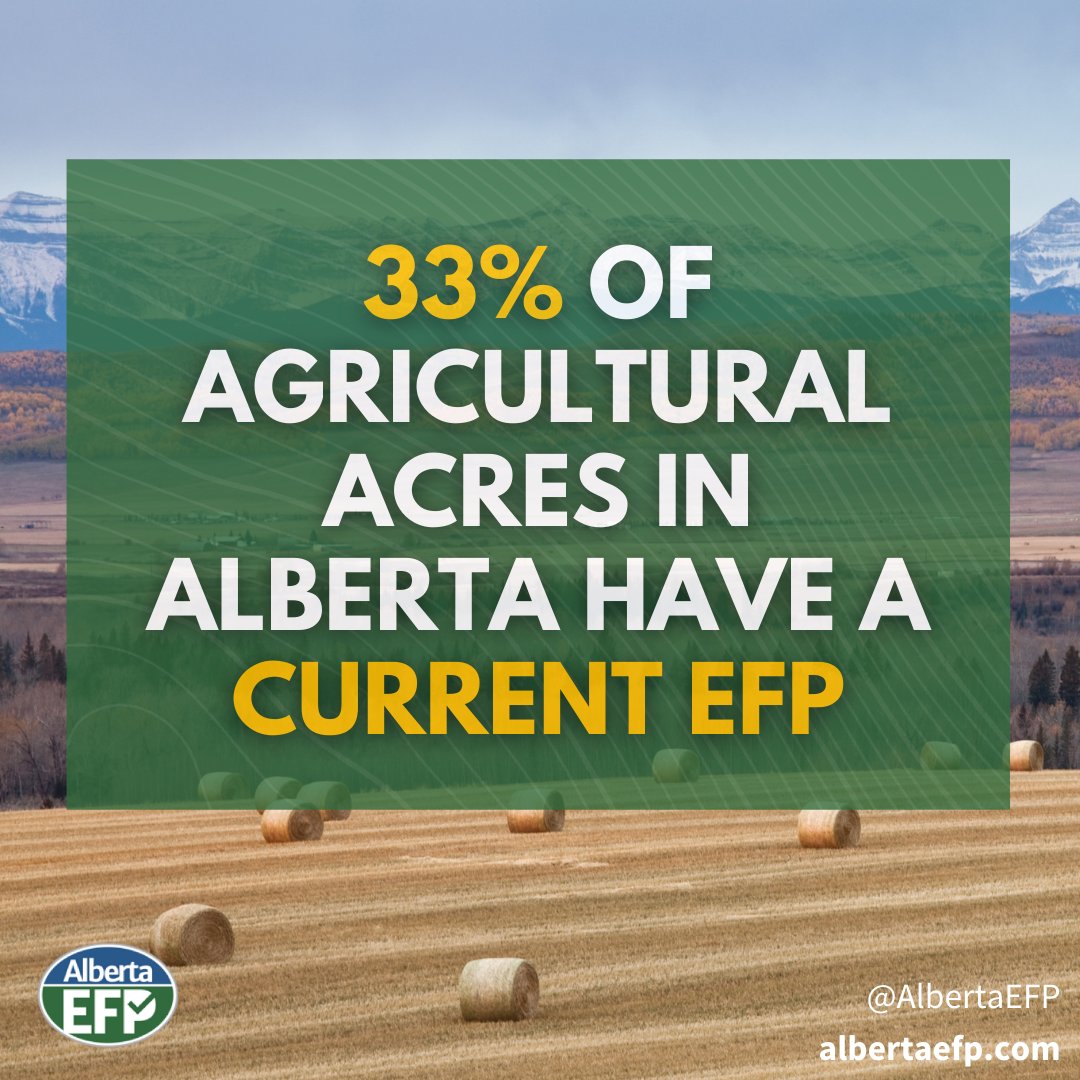
The Environmental Farm Plan website offers a full library of Beneficial Management Practices on soil, water, habitat, and more — all grounded in Alberta agriculture.
Explore: https://t.co/eG8NNoDB21
Alberta's grasslands natural region covers 24 million acres—that's nearly 4x the area under Canola production in the province! Whether you're managing pasture, hay land, or native prairie, an EFP helps you assess and improve your grassland stewardship practices.
Thank you to Sheri and Darin Pedersen for inviting us to be part of their winning ‘@620ckrm Country Cookout’ at their farm in the RM of Prairie Rose, 309!
With harvest well underway we remind everyone to ’Sow Safety, Harvest Life’. Thank you for working to feed the world!
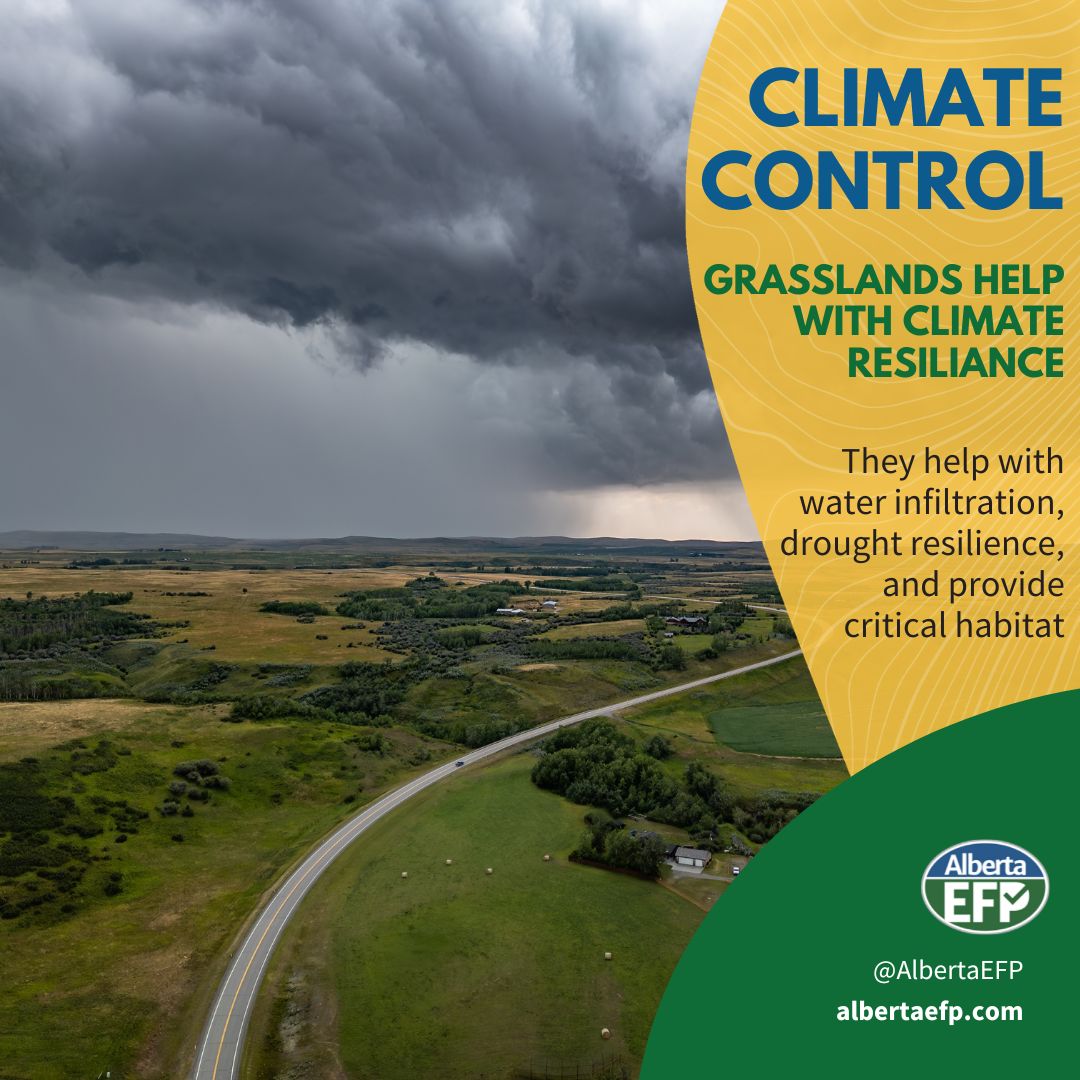
Fields with strong, healthy forage cover are more resilient to stress, recover faster, and require fewer inputs. Investing in grassland management today builds resilience for whatever weather tomorrow brings.
Check out this forage BMP guide: https://t.co/VMS6IMZdJR
The ANPC now offers an interactive map of both native plant suppliers in Alberta (and beyond) as well as native plant demonstration beds. Head here to check out sites for inspiration and the reputable suppliers to source your own seeds and plants.
https://t.co/mRYCv0Pze5
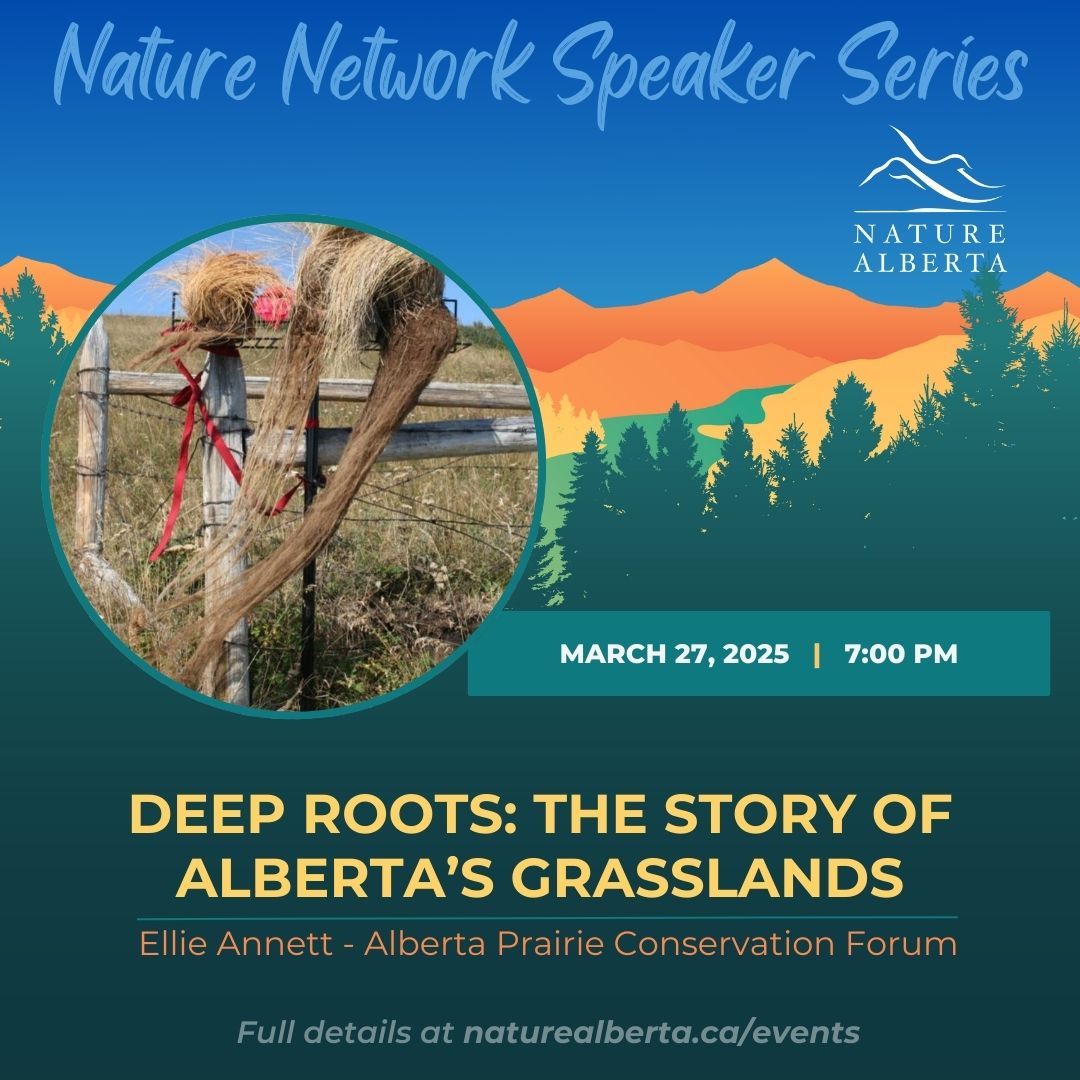
Learn about the wonders of Alberta's grasslands! Discover the 🌾incredible plants, 🦬animals, and 🌎ecosystems that call these vast lands home, and learn why conserving them is so important. To register, go to https://t.co/cCxGTDRvB3
😷🫁 Breathe Easy: Farmer's lung, caused by mold in crops, can lead to chronic lung damage. Protect your lungs and practice #FarmSafetyEveryday by wearing a respirator during certain farm tasks. 🌱🚜
Check out our "Save Your Breath" resource! https://t.co/82giSGljO8