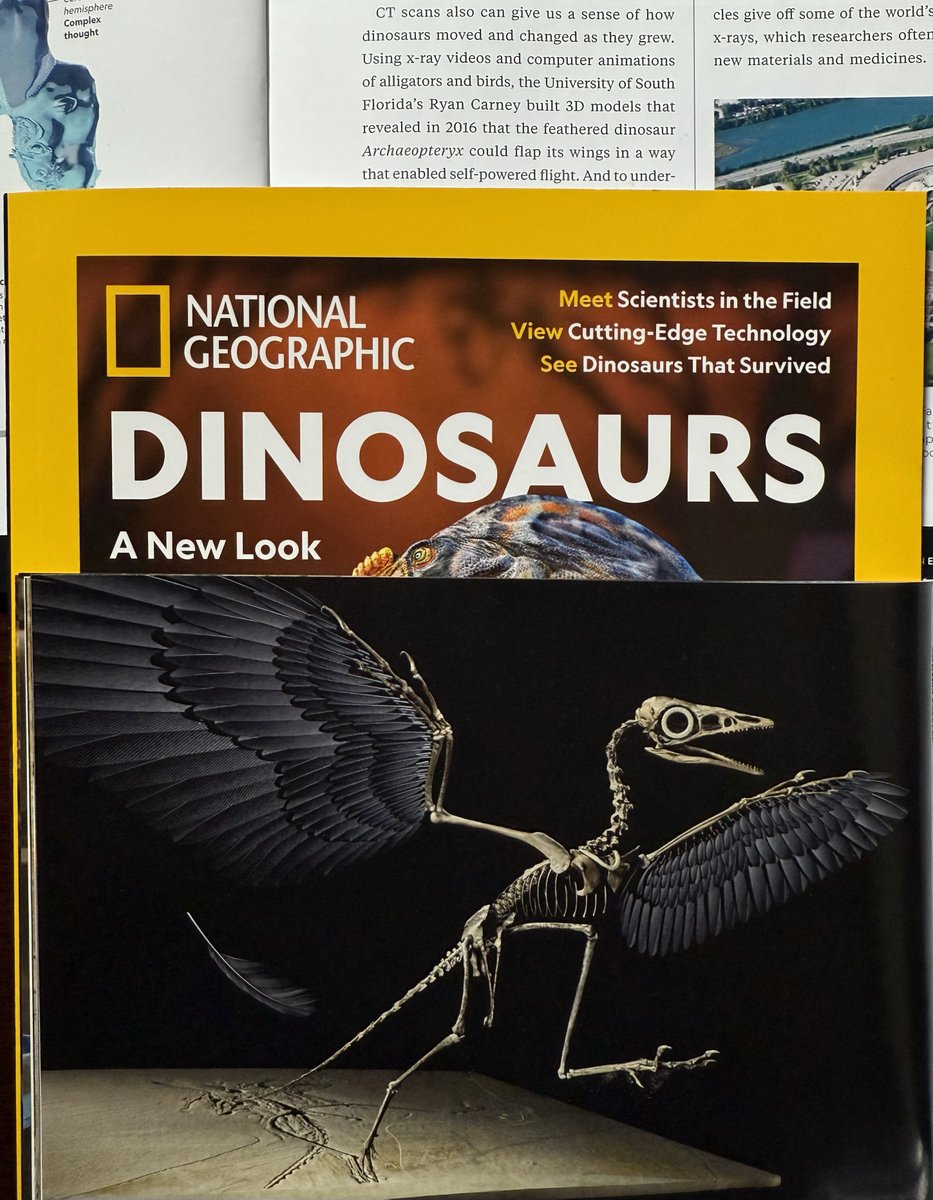
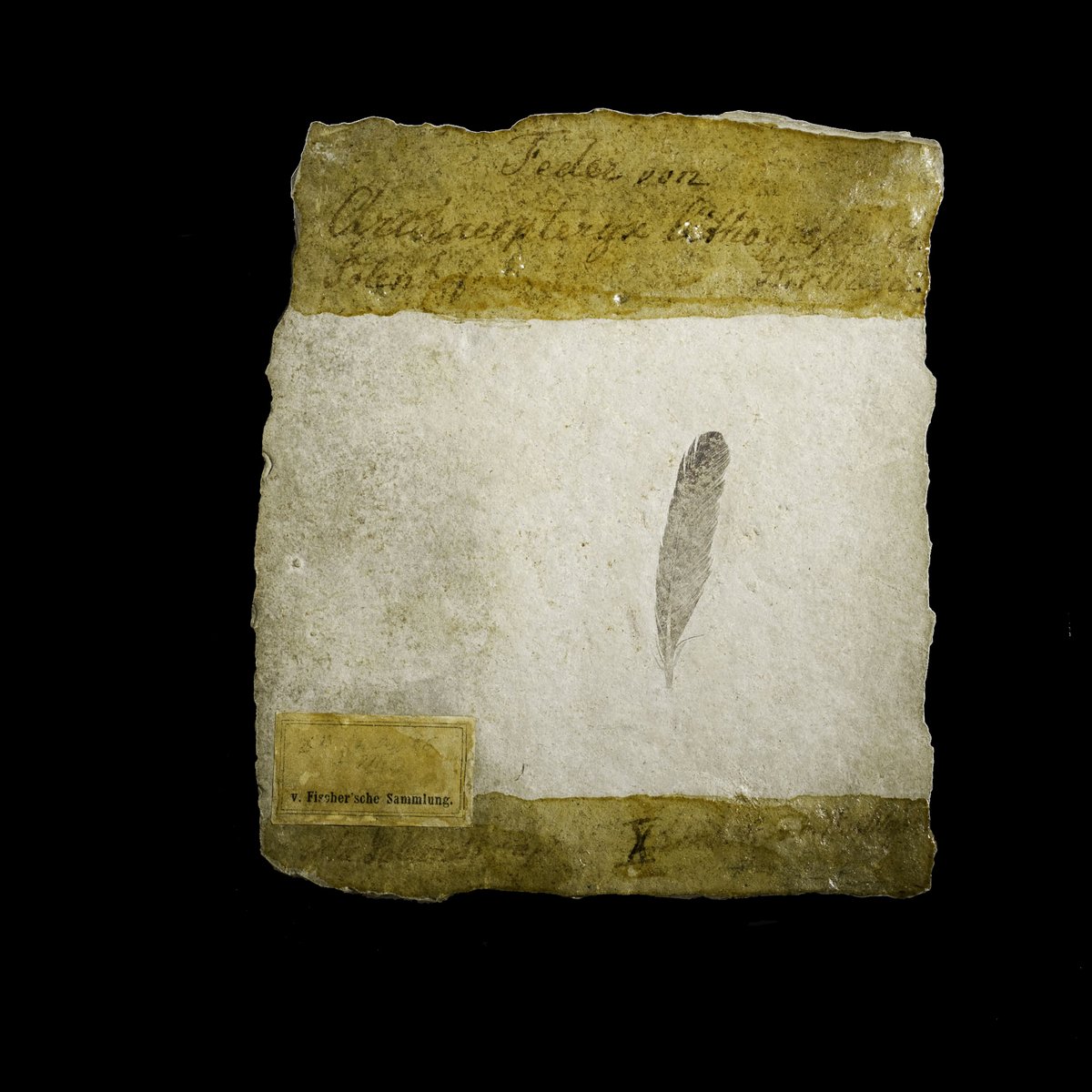
Happy National #Dinosaur Day! Here are images from our research along with #Pokémon's Plume Fossil and Archeops. Using a specialized type of SEM, we had discovered that the original coloration of the famous #fossil feather from the wing of #Archaeopteryx was entirely matte black!
It’s #DinosaurDay! 🦖
CAS students can explore ancient life using VR/AR and 3D tools in Dr. Ryan Carney’s Digital Dinosaurs course — and it’s returning this spring.
Learn more ⬇️
https://t.co/AWtcMYMJqz
...and on a related note, to commemorate the uh, oof twentieth anniversary of my old band's first EP, I finally put those songs on Spotify: https://t.co/EaVIRrXSye
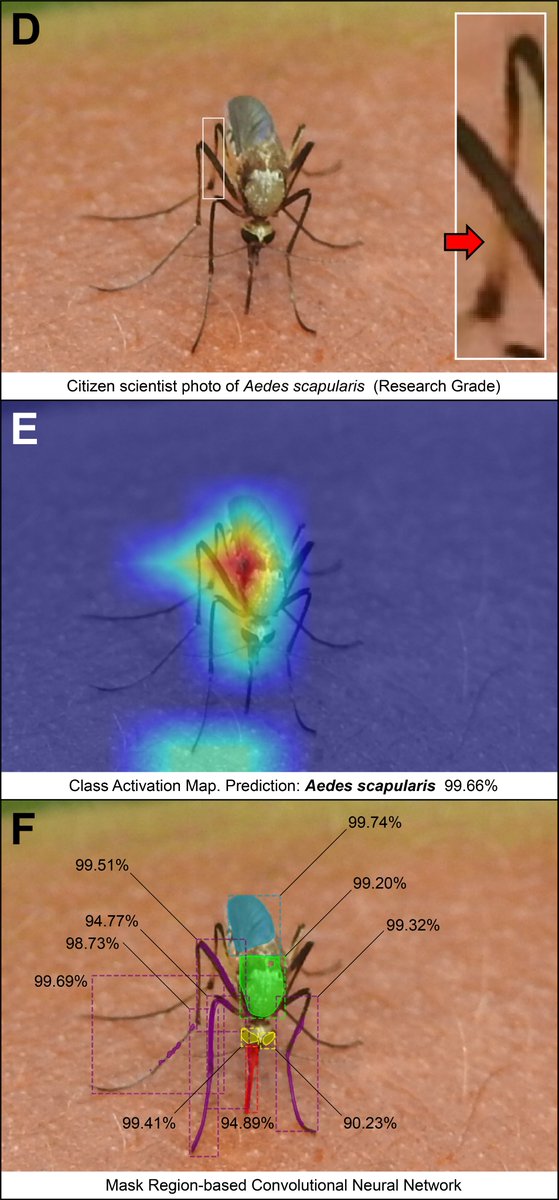
Artificial intelligence and citizen science enabled us to ID what may be the first specimen of Anopheles stephensi — an invasive and deadly malaria-carrying mosquito — ever detected in Madagascar https://t.co/JNKYeSJomQ #AI#CitSci#Madagascar#malaria#mosquito#NASA#USF#XAI
In the latest #CASChronicles, Dr. Ryan Carney his team of researchers are using #AI to detect invasive, disease-carrying mosquitoes. This is a game-changing step for public health. 🦟
Learn more: https://t.co/DeLzqGEKlL
👏Congratulations to Ryan M. Carney et al. for winning the 2022 Best Paper Award for the paper
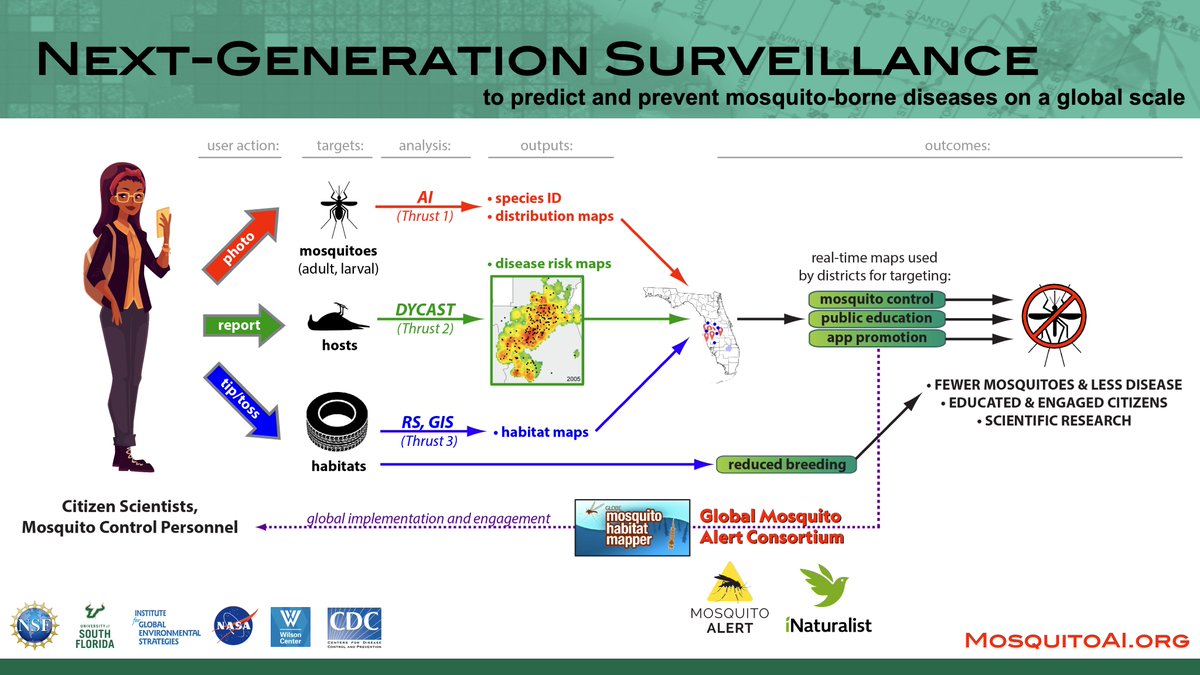
👉Integrating Global Citizen Science Platforms to Enable Next-Generation Surveillance of Invasive and Vector Mosquitoes
🔗Read for free at: https://t.co/jxNFBMIqLg
Assistant professor Ryan Carney said it’s as simple as snapping a photograph of any mosquito you come across. Through partner apps, the photos are analyzed using artificial intelligence, identifying the species and their habitats. @CaitMcVey reports: https://t.co/feA8TZwNy6
In the battle against mosquitoes, University of South Florida biologist, Ryan Carney, has employed cutting-edge technology to track and monitor these disease-carrying pests. https://t.co/uZMGHofc2e
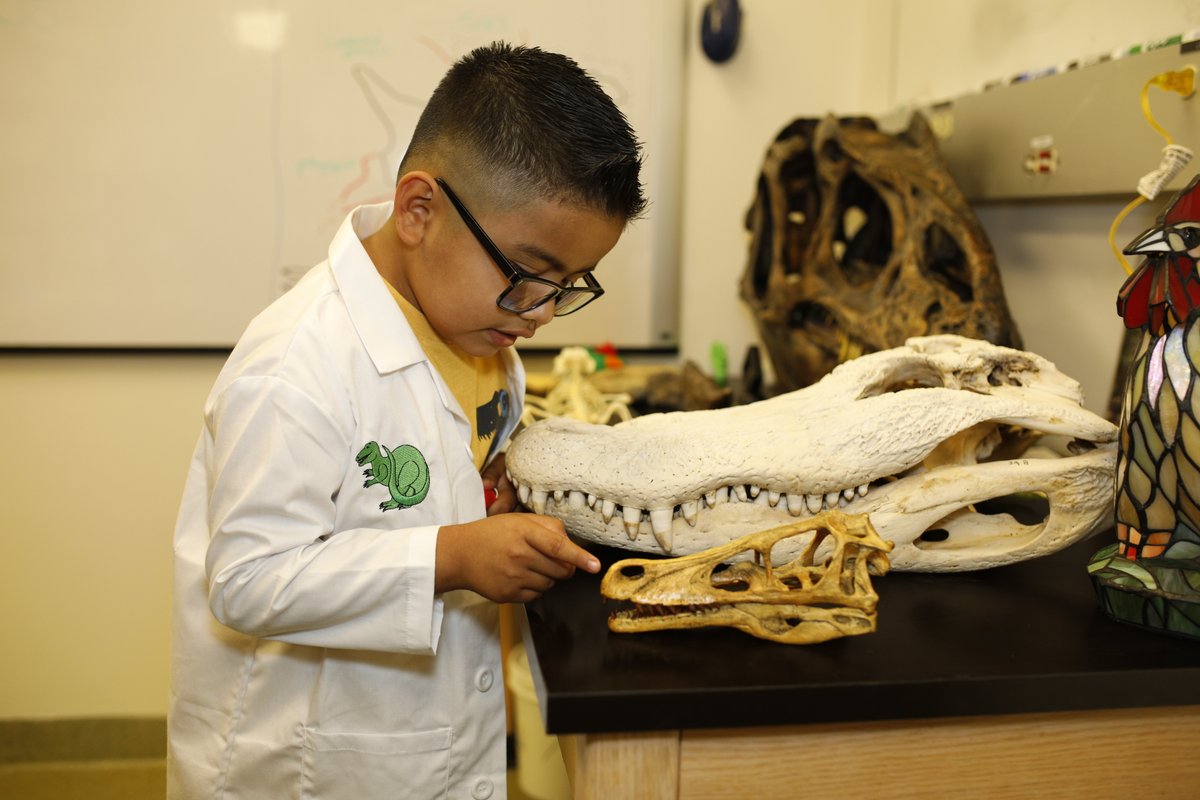
It was such a joy for our team to meet Sebastian, and make his wish to be a scientist in a dinosaur lab come true! His curiosity and enthusiasm reminded us why we got into paleontology in the first place. Happy National Fossil Day! 🦖
https://t.co/hWyJ9NjzTK
Happy #NationalFossilDay! 🦖
Sebastian, a 7-year-old boy with cancer, wished to be a Paleontologist! Sebastian spent the day with @RyanMCarney at @USouthFlorida examining fossils with his team.
Tune in to our Instagram story to watch the wish unfold! 🦖
As featured in Biomedical Picture of the Day, our team is developing free tools to fight mosquito-borne #diseases around the world using #CitizenScience and #AI:
* map: https://t.co/tYj3ZkjJ65
* study: https://t.co/MYUI6Tbfna
* press: https://t.co/VmoRQSz1Ni
#AI#NASA#NSF#USF
Given that the online HR system has been quite laggy at times (turns out the recommended browser is Internet Explorer 🤣), you can also find a pdf of the job posting here: https://t.co/gNDKfbN0Zi
Please RT: #Postdoc available in the Carney Lab at USF, to study mosquito-borne diseases using geographic information systems and/or artificial intelligence. 2 years, remote work possible. #NSF-funded collab with #NASA#CDC.
Apply: https://t.co/PaLnB89L2H
#ScienceJobs#AI#GIS
Happy 160th Birthday, Archaeopteryx!
And many thanks to @michaelgreshko for the writeup in this month's National Geographic Magazine on our Archaeopteryx feather study. https://t.co/wrqZBNFuel
Have you ever heard of Archaeopteryx lithographica, a feathered dinosaur? Its fossilized feather was discovered 160 years ago, but experts continued to debate about its origins, function, and appearance.