This chart illustrates the problem with relying on wind generation... Extended wind lulls plus huge levels of curtailment (the light blue shaded area)
A couple of weeks ago we were throwing away a quarter of the wind we generated
Now we're in the back of a 4-day wind lull... Far longer than any battery can cover
The forecast shows it's going to be another few days before wind gets above 5 GW vs c34 GW installed
We pay £billions in subsidies and £billions in extra grid costs and for what?
The right side is the forecast and illustrates how uncertain it is
(chart from Amira Technologies)
Congratulations to councillor Ryan Witchell who has just won his first by-election campaign. Super proud. You ran a very good campaign. @RyanWitchell@Conservatives
UK 30-year gilt yields have just smashed through 6%, hitting 6.065%. The 10-year is at 5.53%.
A month ago I said 6% was the "danger zone". Buckle up!
This is the bond market putting a price on Britain’s fiscal credibility. The real pain has only just begun.
Prices are high because of policy choices: carbon pricing on top of gas generation, network & subsidy costs loaded onto bills & planning delays. Prices are set by the marginal cost of gas in the wholesale market & that link exists whoever owns the wires
Burnham will say in his conference speech tomorrow: "We have a cost crisis. We all know it. The price of energy is crippling for businesses, and British billpayers pay some of the highest energy costs in Europe. We have an energy system where prices are dictated in markets miles away, while families and businesses here shoulder the costs. Once again, the British public has lost control.
"Within ten years, I want our energy costs to be in line with other nations in Europe. That means we must reform a broken energy market so it serves the public interest.
"I can announce today our plan for Great British Grid, a publicly owned company that will work with the private sector and network companies. It will increase competition to drive down costs and speed up delivery so businesses can connect faster and grow quicker. This is what more public control can do"
Our politicians are asleep at the wheel. This is what happens when you signal you will never make difficult decisions and instead simply take the easiest path you can every time.
The exact opposite of what Labour heavyweight, Denis Healey, said in 1969:
“Once we cut defence expenditure to the extent where our security is imperilled, we have no houses, we have no hospitals, we have no schools. We have a heap of cinders.”
“Burnham is convincing MPs that a state spending 44% of GDP doesn’t spend enough, while convincing markets at 28-year-high interest rates that he wants to borrow to spend more on infrastructure, even though all the spending promises he has made are populist cost-of-living measures, such as cutting VAT or bus fares.”
My @CapX column on Burnham’s little room for manoeuvre on Taxes and Spending
Supermarkets are nothing short of a modern miracle.
A large Tesco Superstore carries around 40,000 product lines, sourced from over 20,000 British farmers and 70 countries, available year-round. A feat of logistics unimaginable just a few generations ago.
Yet in Britain today the supermarket is cast not as a marvel but as a villain, blamed for the very prices it has spent a century driving down.
A strong majority, 70 per cent, believe that supermarkets are making excessive profits. However, this conclusion has largely been driven by misinformation.
The public believes that supermarkets are making 32 pence for every £1 that shoppers spend. In reality, their margins are around just 3 pence per £1 spent, compared with the all-industry net margin benchmark of roughly 8.5 pence.
When you inform voters about the profits supermarkets make, public opinion shifts dramatically. The level of agreement that supermarkets are profiteering drops to 32 per cent, while disagreement rises to 44 per cent.
That represents a fall from +58 to -12 in net agreement that supermarkets are profiteering, an unusually large shift in public opinion from providing just a single piece of additional information.
My latest for @iealondon: https://t.co/Xe1DkVuRzp
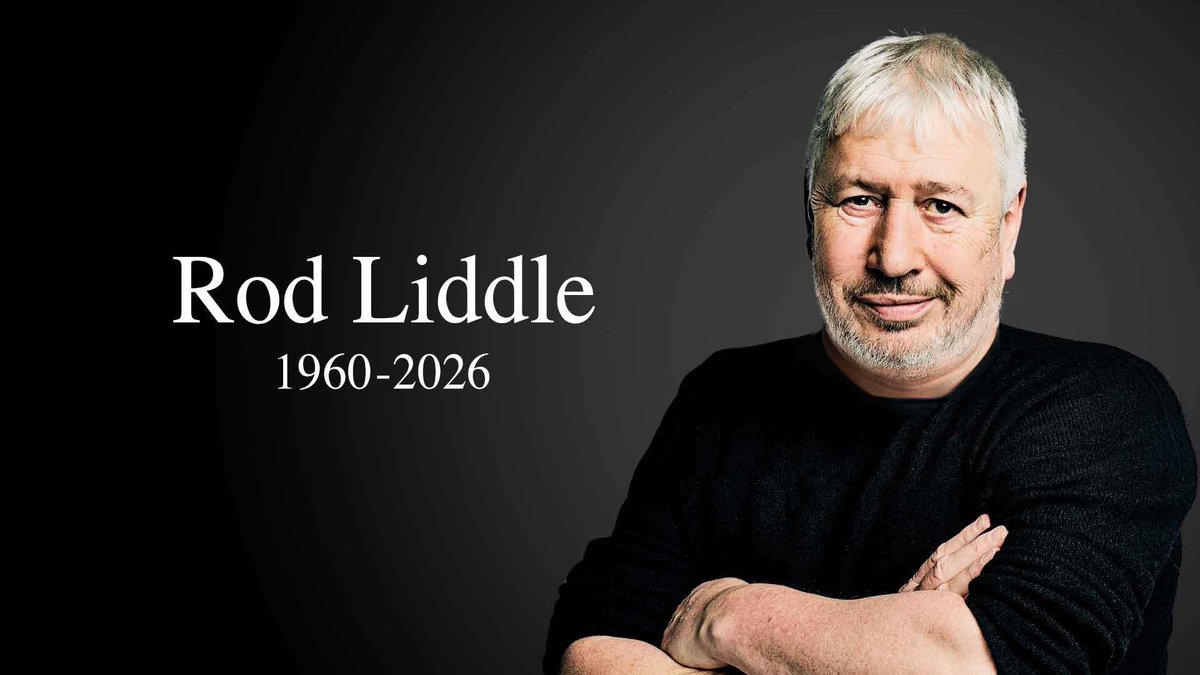
Our much-loved colleague Rod Liddle has died at the age of 66.
Rod presented every Saturday morning on Times Radio from January 2025, as well as being a columnist on The Sunday Times and The Sun.
He will be greatly missed.