🎓 Are we teaching for understanding or just racing through the syllabus?
Real teaching isn't about how many topics you cover. It's about what students actually retain, connect, and use.
Depth beats coverage every time. 👉 https://t.co/JIqJ5j58D8
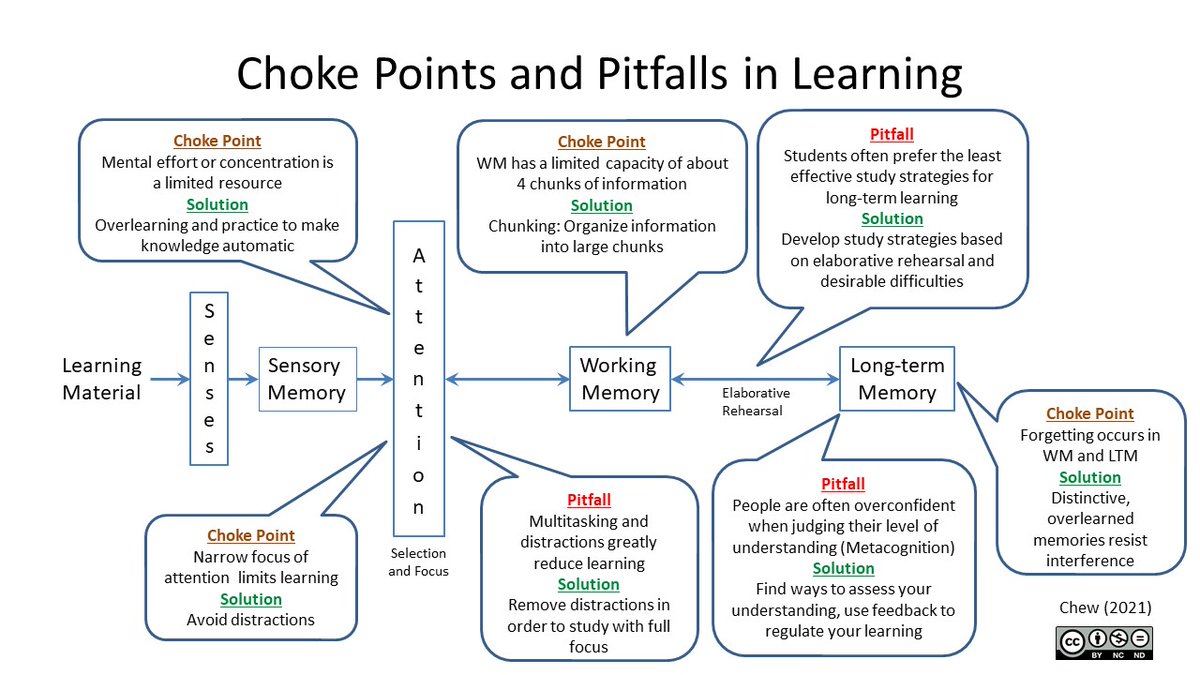
@SoLInTheWild@olicav Having said that, I think these diagrams from Prof Stephen Chew at Samford are amazing. SO helpful.
@SChewPsych
https://t.co/F1RAjRgQ6M
Cramming works.
That’s the problem.
Students often see it as effective because it delivers short-term results. Enough to pass. Enough to move on.
Read the full blog to rethink how students study and how you structure learning.
https://t.co/z2kqzdQBpJ
Bumble bees are hardly nature’s most graceful creatures, and their name reflects it. But it turns out these bees show a surprising knack for rhythm.
The fuzzy insects can not only recognize a rhythm but also identify the same pattern when scientists change the tempo, according to new research—the first time this ability has been documented outside of a few mammals and birds.
Learn more: https://t.co/EgOAWT90qk
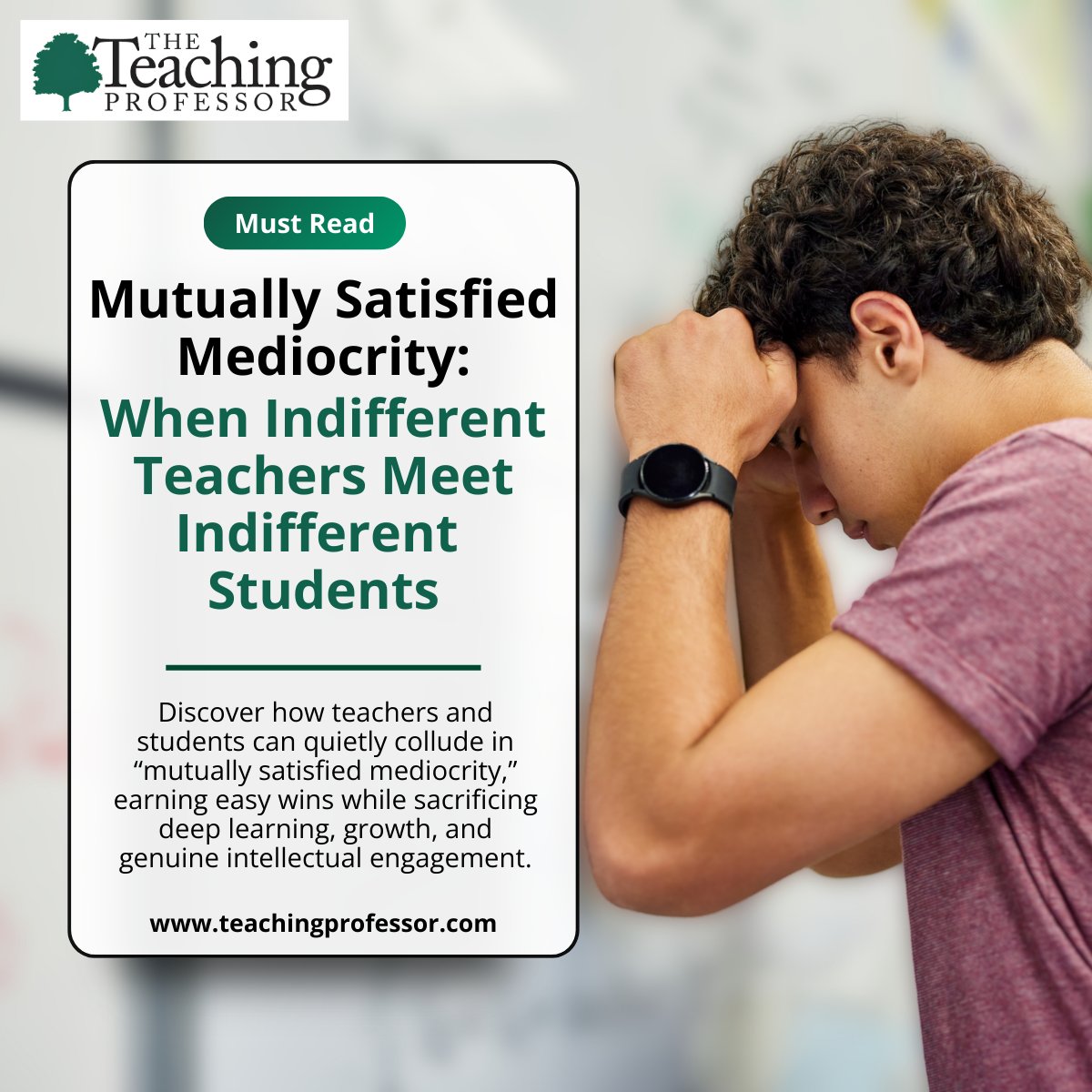
My essay for @teachprof "Mutually Satisfied Mediocrity: When Indifferent Teachers Meet Indifferent Students" now freely available on @ResearchGate https://t.co/I0E2r2I7dr
"participants had better memory for information they encountered through active choice—this memory boost partly explained why those statements later felt more true" - Moritz Ingendahl & André Vaz https://t.co/76vAcLuNKi
What if the biggest threat to learning isn’t failure but comfortable mediocrity?
If you’ve ever felt a class running smoothly but lacking spark, this piece will challenge you to ask why.
Read the full blog: https://t.co/okQwH02Kct
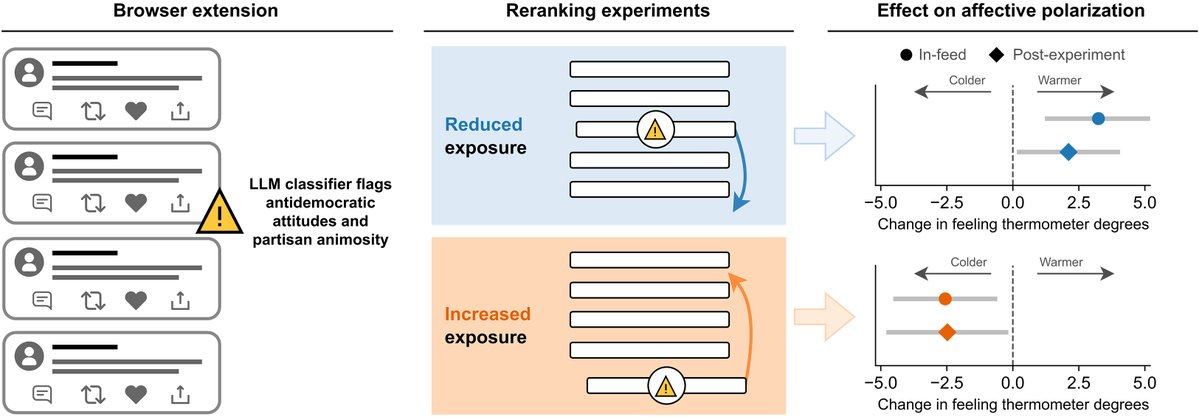
Algorithmic content increases #polarization
But downranking content that expresses partisan animosity or antidemocratic attitudes significantly reduces affective polarization
"These changes were comparable in size to 3 years of change in United States affective polarization"
https://t.co/UuUxhxjuPP
I’m happy the author “discovered” formative assessment, but what this essay really argues for is training grad students how to teach before they do it.
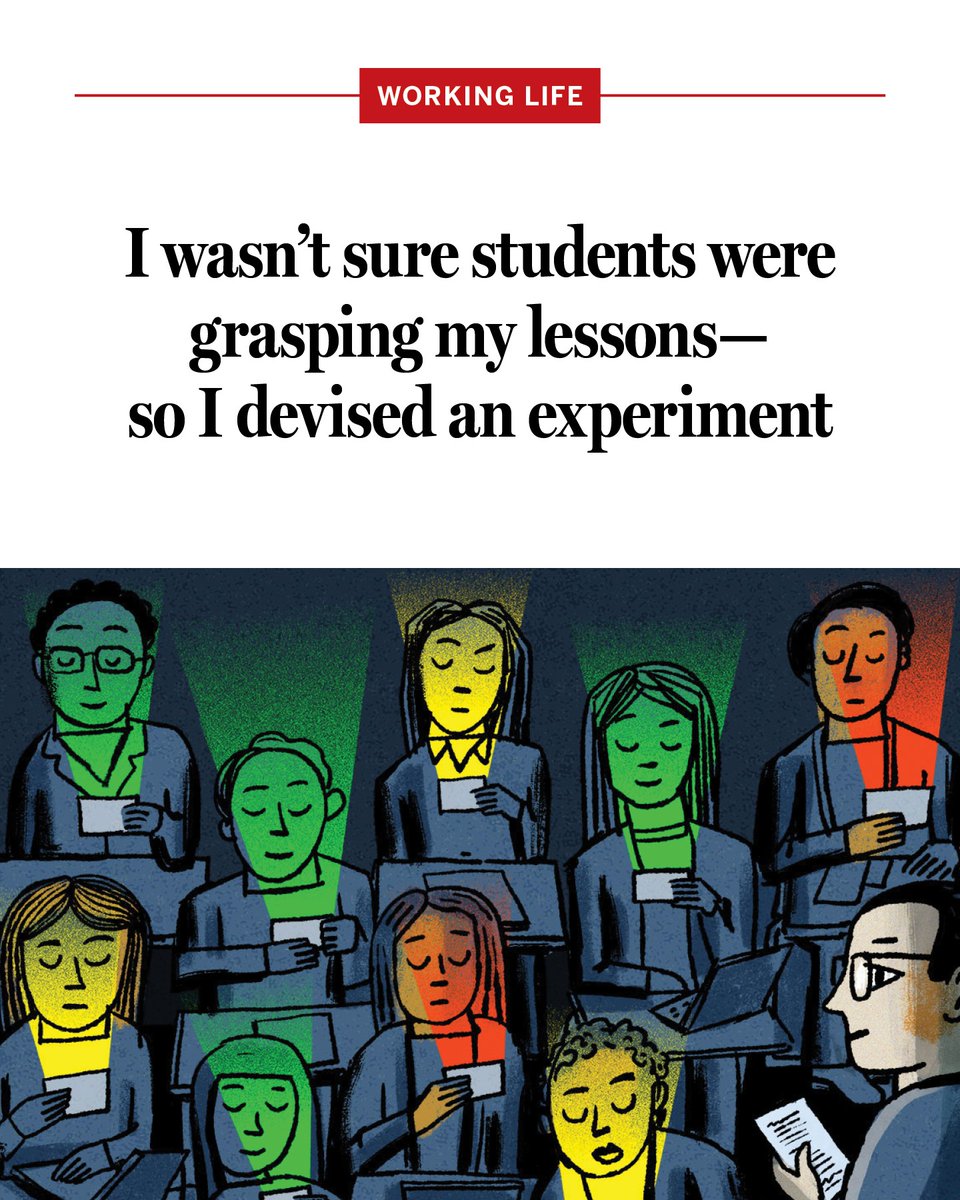
"As a scientist, I was trained to seek evidence, test hypotheses, and adjust based on data. However, in the classroom, I was teaching without any feedback. It felt like speaking into the void, without an opportunity to make adjustments. I needed a way to gauge students’ understanding before it was too late." #ScienceWorkingLife https://t.co/rI2eGs2tDm
👩🏫 You’ve prepped your slides. The students are engaged. Assessments are in place.
But here’s the real question: Are they actually learning?
Want to teach with more intention and clarity?
Start here.
https://t.co/hAGzHnd8J7
We often focus on the students who smile, nod, or answer questions in class but what about the ones who stay quiet, struggle behind the scenes, or seem “invisible”?
These are often the students who need our guidance the most.
Learn more
https://t.co/RlQlCAqdfh
What if a classic icebreaker could also boost learning? 🎯
In “Two Truths and a Lie as a Formative Assessment,” find out how a familiar classroom game can transform into an engaging teaching strategy.
👇
https://t.co/w5W65eXjP0
Ever feel like the tech you’re supposed to rely on is somehow making your job harder?
If you’ve ever wondered how to stay grounded when everything keeps updating, shifting, or breaking, this is the piece you’ll want to read.
Read the blog today.
https://t.co/4eiJF3l2B7
You know Richard Feynman as the brilliant Nobel laureate with a flair for genius. But there’s a chapter of his story most educators never hear.
Follow the link to see how a genius thought about teaching, and what he wished he could do over again.
https://t.co/lt1zSdOzRf
NOW through February! Students & early-career scientists can get 2 years of APS membership for the price of 1!
💸 Lower registration rates for 2 APS conventions
💻 2 full years of professional development
📚 Access to APS resources, programs, & webinars
https://t.co/D3RkSgf9fg