Add 6.6kw #solar to your home
Add $5k system cost to $200k mortgage
Add $80/fortnight electricity saving to repayments
Save 5.5 years, $38k off your mortgage
Solar equivalent of 0.25% loan cut to mortgage
"Not installing solar now means you are not saving money" @ProfRayWills
Singapore 🇸🇬 decided to shift to electric vehicles
And, so, it's just doing it😎
Indonesia 🇮🇩, too
And China 🇨🇳, even tho' China is humongous💪
Same @leRaffl graph for Australia🇦🇺
- Aus was slower, but April data
shows 20% sales BEV, playing catch up
All getting off oil🛢️
Electrifying: EV sales are multiplying
as fossil fuels lose control of Aus car market
Australia's EV sales are multiplying,
ICE is slowly losing control of the market,
and the power EV dealers are supplying
is genuinely electrifying
https://t.co/ItV8OXC7Fr
Post-diesel?
In the Pilbara, diesel haul trucks, locomotives & gas-fired power stations power billion-dollar mines and profits
@BHP vs @FortescueNews
The choice is now stark: extend fossil fuels, or build electrified, renewable industrial system that's cheaper to run
The pricing review proposing high fixed network #tariffs has got it wrong on home #batteries, dynamic pricing and the impact on #households.. https://t.co/E8Va5T0VcL
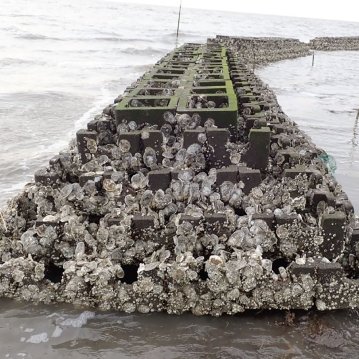
Coastal cities are replacing concrete seawalls with oyster reefs. The oysters are better at the job.
Seawalls start degrading the day they're installed. Waves chew them up, storms crack them, and the repairs never stop.
An oyster reef, on the other hand, doesn't break down. It actually grows. The oysters stack, reproduce, and fuse into living rock that gets stronger every year. A mature reef can cut incoming wave height by up to 83%, trap sediment, rebuild the shoreline behind it, and shelter fish, crabs, and shrimp while it does the work.
A hectare of reef provides up to $85,000 a year in shoreline protection. Concrete costs over a million dollars a hectare to build and only weakens.
Once again, working with nature instead of against it is the answer.
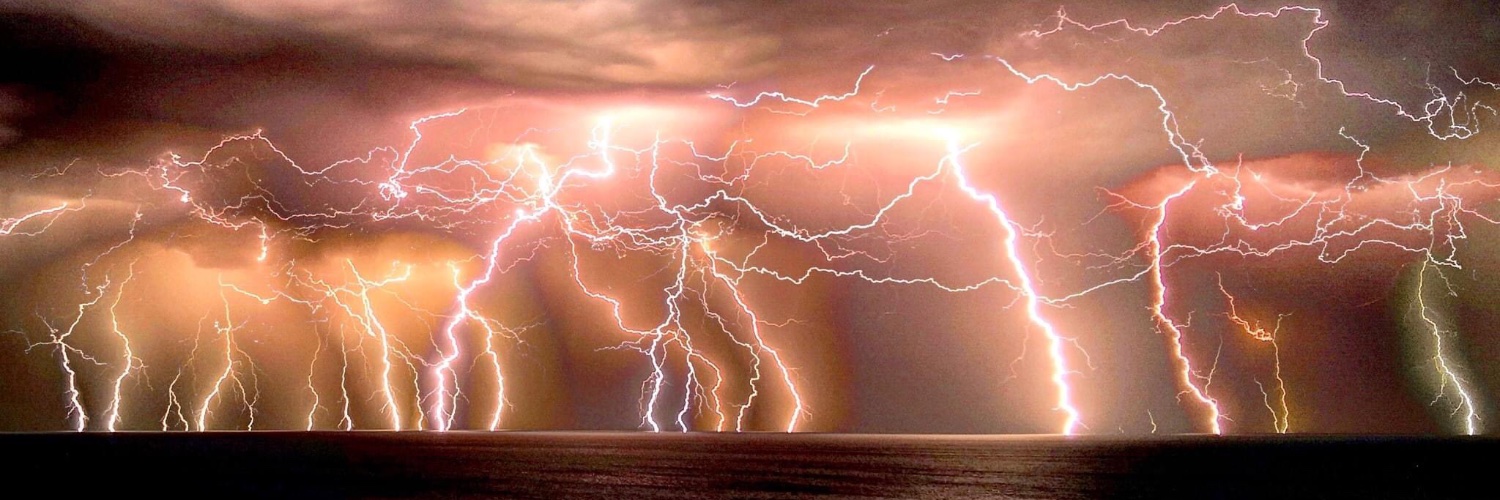
Perth storms may be in one in five years, but sea level rise from climate change has been decades in the making, with more to come
https://t.co/RV4FKjIDea
ICYMI
Sunday Times 2007 interview warning on sea level rise in #Broome, #Perth, #Rockingham & #Mandurah in coming decades
A deep dive into the AMOC and the Antarctic MOC, how they work, how they’re changing, and links to recent melting around Antarctica https://t.co/V4fyqlhpXH
📣 Just out: our new study on the 'cold blob' in the Northern Atlantic. Is that due to ocean currents bringing less heat there, or due to more heat being lost through the sea surface?
Our data analysis strongly suggests it's due to #AMOC slowing.
https://t.co/Po7mmOSiGC
Stop taxing the transition: fixed network charges get consumer energy resources all wrong
Hi fixed charges may fill short term revenues, but they do so by undermining the very tech & planning frameworks that make hi-renewables systems work
https://t.co/qvc47Gn0Gr @renew_economy
Transforming transport needs density, infrastructure and precincts:
Part 3, Precincts and RODs
Renewable oriented development (ROD) delivers cheap, abundant energy for electrification, drives resilience and economic growth in urban and regional precincts
Prof @PeterNewmanCUSP
Electrification now moving in lock‑step across trains & trucks
Mines in Pilbara emerging as critical place of how fast we could move, saving a lot of diesel - if we chose to align engineering reality with ambition rather than corporate caution
@HollyEdwardsSmi@9NewsPerth@FSS_Au
A lack of foresight drives weak ambition on electrification
Every electric “trial” that delays a fleet-wide tender simply locks in more diesel for another decade
Advice this is “hard to abate” code for “we have not updated our procurement template yet”
https://t.co/qa8uTJzYQM
The #mining industry is burning even more #diesel for the same amount of production as they have to dig digger for hard to cut coal, and lack of action on #electric options.. https://t.co/vjdnMJrm8z
If #consumers use batteries mainly to reduce #exposure, what does that mean for a #grid that increasingly needs flexible participation? https://t.co/vyeUHKbrcj
The rivers of Australia visualized by @researchremora. Even the dry continent has riverbeds. Often many of them run dry until rain transforms them that is.
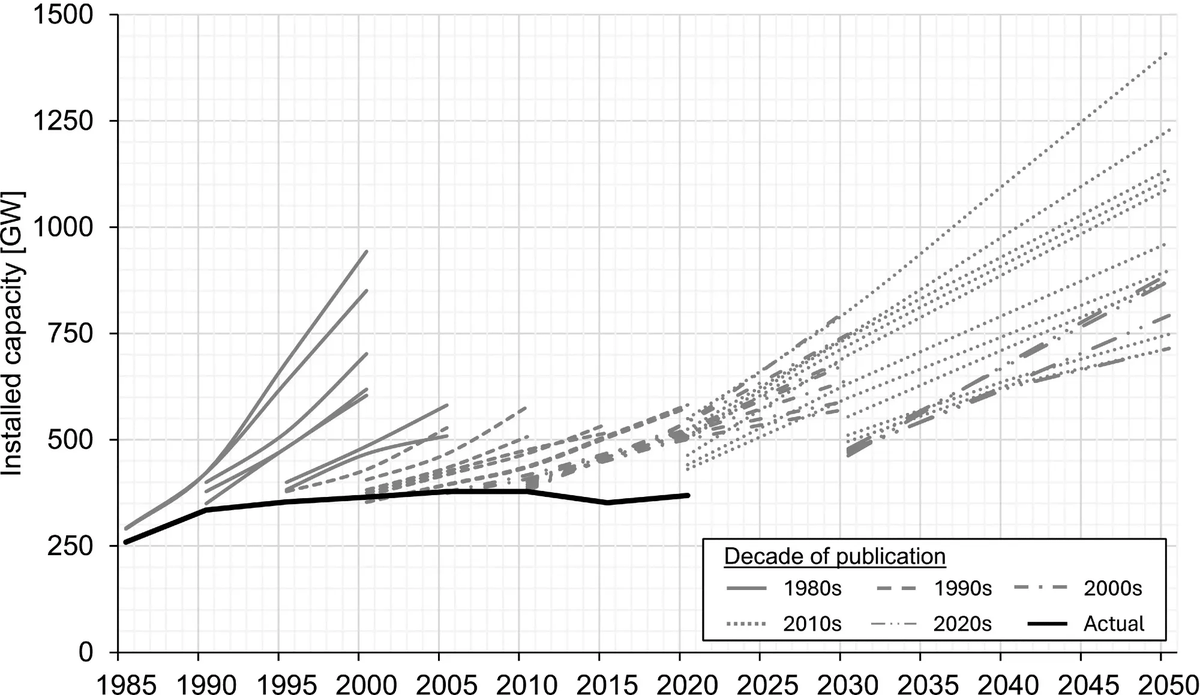
Interesting new paper documents clearly how the IAEA has been overestimating the growth of nuclear time and time again. It's the inverse of what I've documented for solar and batteries.
https://t.co/SCwMSJ9PIB
Terrible by design
@PerthAirport still worst airport for drop off /pick up in Australia - traffic & conflict built in
too much development around precinct
no elevation separations between vehicles & passengers so departure / arrival forced conflict and delays for peeps & cars
Germany has over 13.45 GW / 28 GWh BESS + ESS May 2026
2.7 GW / 5.4 GWh utility scale - ESS
76% of Germany's batteries are in homes (BESS)
Global energy storage systems (ESS) totalled 275.3 GWh in 2025, a 61.3% increase from 2024
BESS + ESS shipments likely 800 GWh in 2026
Today, India’s solar and wind deployment per capita is 5.5x higher than China’s was at the same stage of development. India is peaking its coal use a full decade earlier in its development curve than China did
>In 2025, India reached a GDP per capita of ~$10,000 (PPP). At that exact same wealth level (around the year 2010), China’s wind and solar generation was only 37 kWh per person. India is already at 205 kWh per person, literally 5.5 times higher
>India reached a 5% solar share in its power mix at a GDP per capita level 3 times lower than China’s when it hit the same milestone
>India already generates 33% more economic output per unit of energy than China did at the same stage of development