But what about socialisation? It doesn't take long for home educators to be asked this question. It's like we can't imagine how social development happens outside school. Am I worried? No, and here's why not. 1/ (with @_MissingTheMark)
"no matter how many I help, the referrals keep coming. It’s like a tidal wave. I’ll never be able to meet the need, because what I am offering – therapy – is a way to patch up each individual. It can’t look at the system which is creating this distress" https://t.co/TcObTVf6Qh
I work with autistic adults.They tell me that as children they were made to feel that they were 'wrong' & to be ashamed of their natural way of being.Many of them say that they think things would have been so different if someone had said 'You are okay, just as you are'. 1/
« The saddest thing for me about the education system….is that it seems almost intentionally calculated to create anxious children, parents and teachers. Matt was only four the first time I was told he was “behind the benchmark”. » https://t.co/2D07z647SZ
I believe there is a difference between helping a child/or any autistic person to understand social situations to help them feel less confused and be able to navigate day to day situations more easily, and the neurotypical social skills training that some promote.
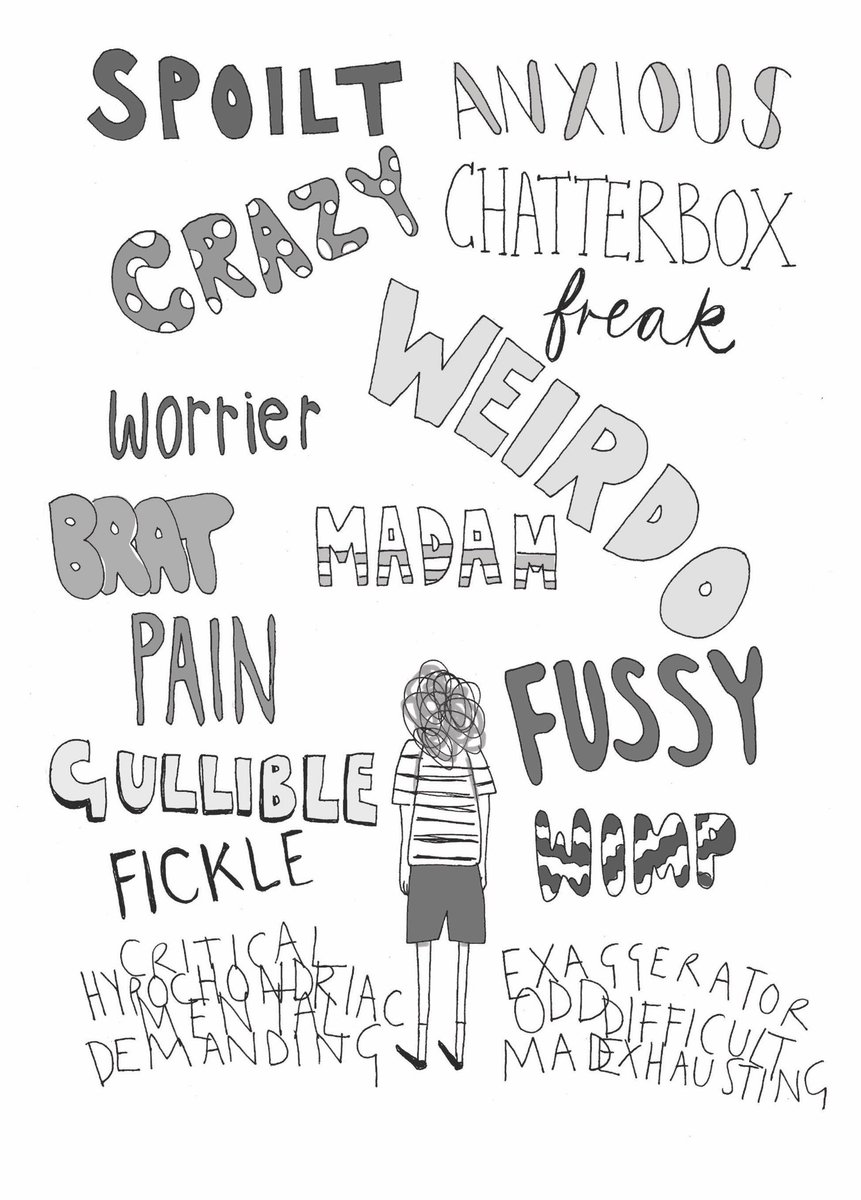
To all the women who were called names.
Who were bullied for being different.
Who chose a different path.
Who may now be discovering themselves away from the names.
#IWD2022
'We were told we had to force her to go, or she'd get more anxious and we'd cause long term school refusal'. Parents often tell me that professionals tell them that unless they force their child into school, their anxiety will get worse. Here's why this is not a good idea.1/
We're delighted to announce our next #TwitterSpace will take place on Tues 22 March at 5.30pm! @viclyons is joined by @missyswife and @GuildRuby to discuss understanding and responding to behavioural changes in #dementia. Click the link below to set a reminder to join us live 👇
Great to see the publication of this NICE guideline to support people experiencing homelessness - and especially brilliant to see speech, language and communication needs specifically mentioned!
Many thanks to @HomelessnessC & @ChgCommCIC for their hard work to make this happen.
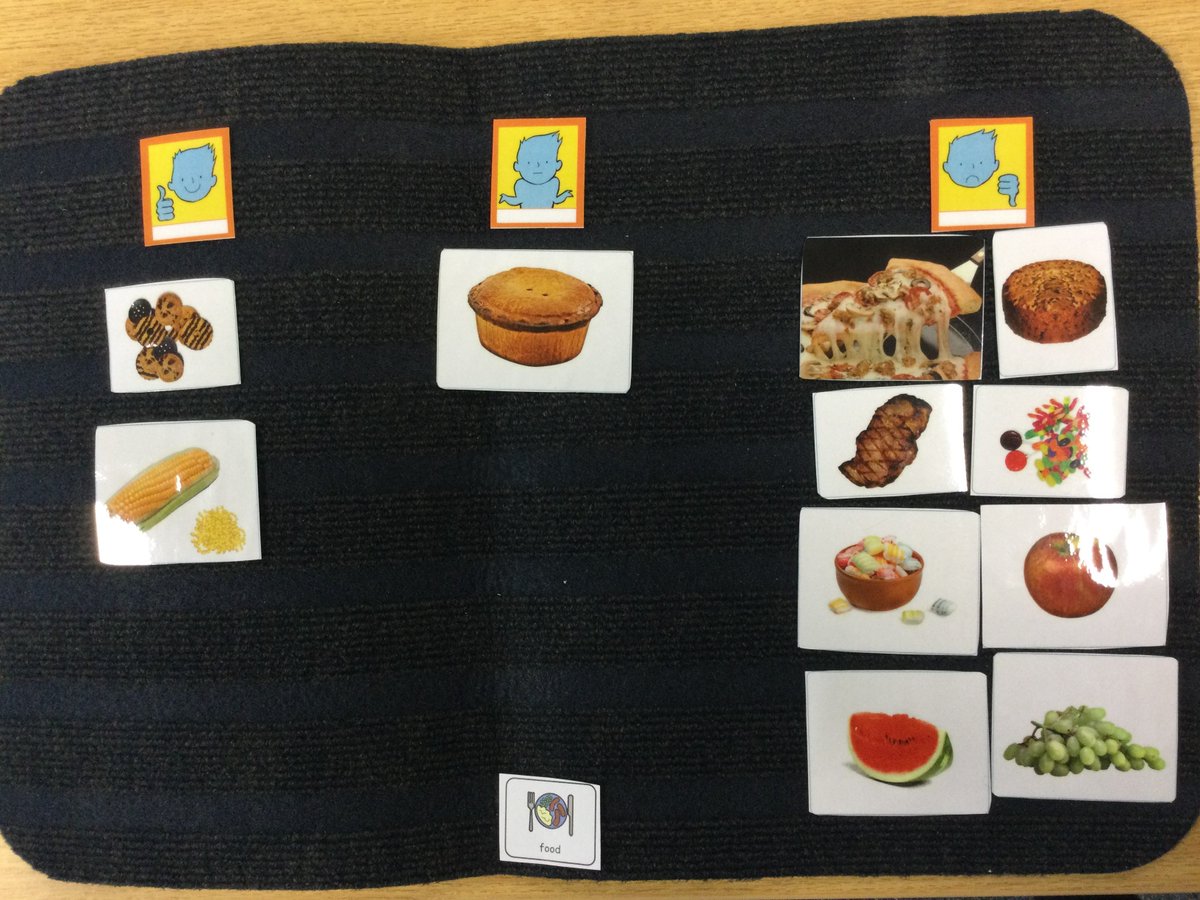
Facilitating our service users to communicate their opinions, through any means is such a vital part of my role. Here is a talking mat on what ‘changes to what you eat’ my service user would like to make to reduce her risk of choking @TalkingMats#SwallowAware2022#mySLTday
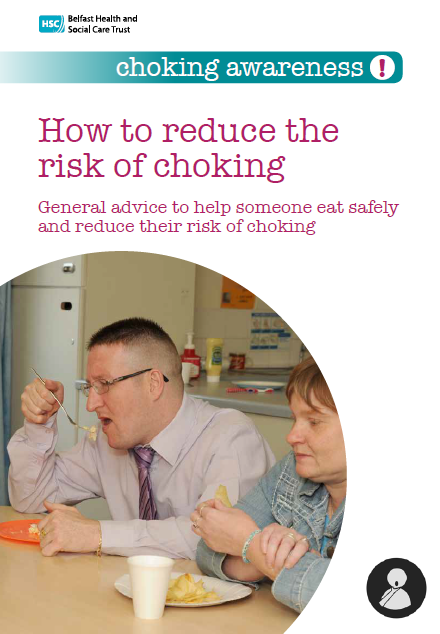
Our colleagues at BHSCT have created some Easy Read resources to help service users, families and support workers reduce the risk of choking #swallowaware2022
You can access this booklet via: https://t.co/GcJxwne5vr
@RCSLT@HWHCT_LD@HWHCT_LDCom@HWHCT_NHS
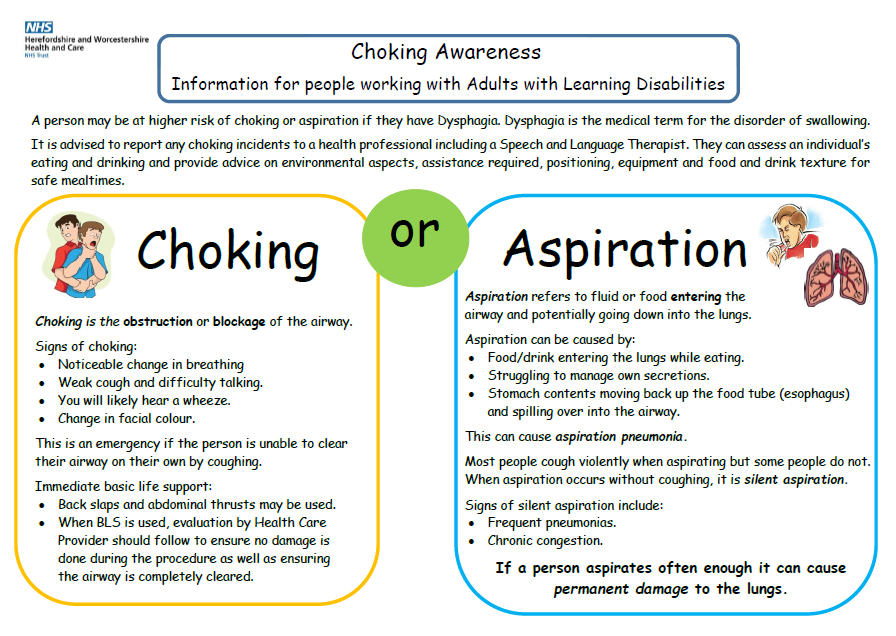
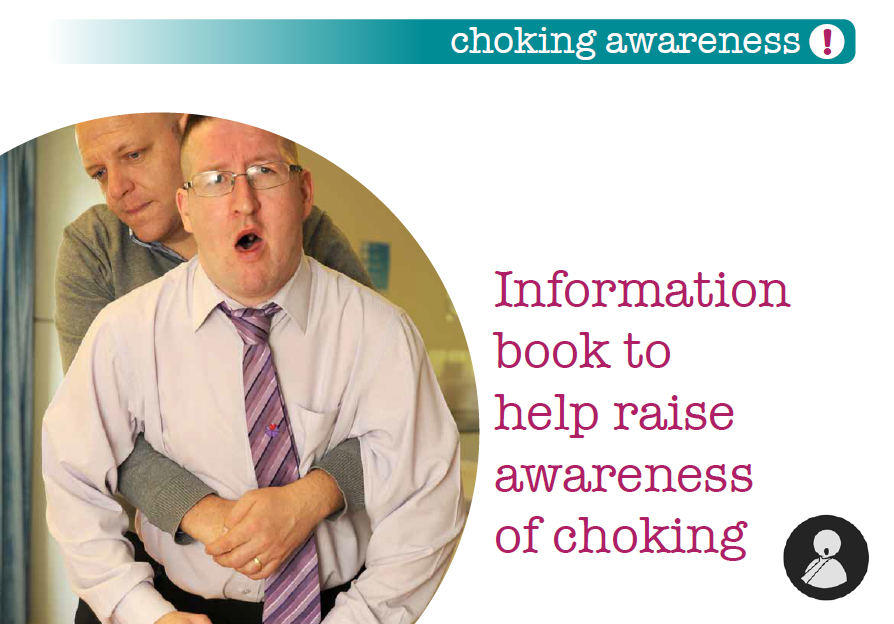
Our colleagues at Belfast Health and Social Care Trust (BHSCT) have created some Easy Read resources to help raise awareness of choking #swallowaware2022
You can access this booklet via: https://t.co/jhoutXPLaH
@RCSLT@HWHCT_LD@HWHCT_LDCom@HWHCT_NHS
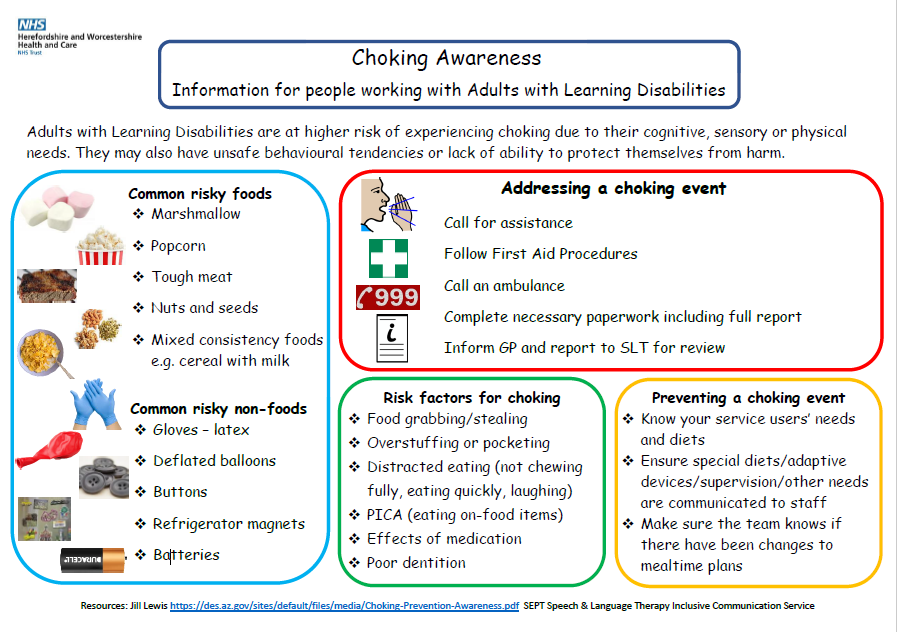
Adults with Learning Disabilities are at higher risk of choking due to cognitive, sensory or physical needs. So what can families and support workers do to help? #SwallowAware2022@RCSLT@HWHCT_LD@HWHCT_LDCom@HWHCT_NHS
This #swallowaware2022, the LD Speech and Language team is focusing on Choking Awareness. Look out for us sharing resources to help service users, families and support workers in reducing the risk of choking @RCSLT@HWHCT_LD@HWHCT_LDCom@HWHCT_NHS