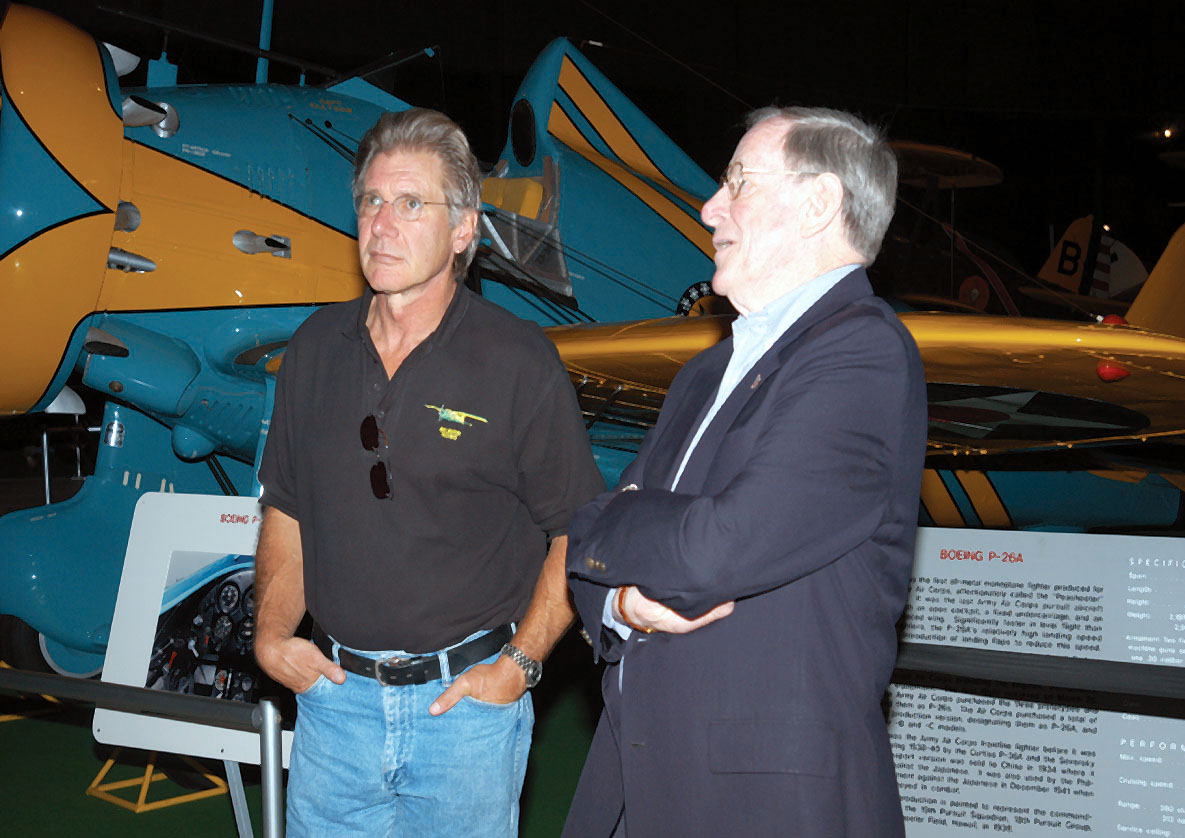
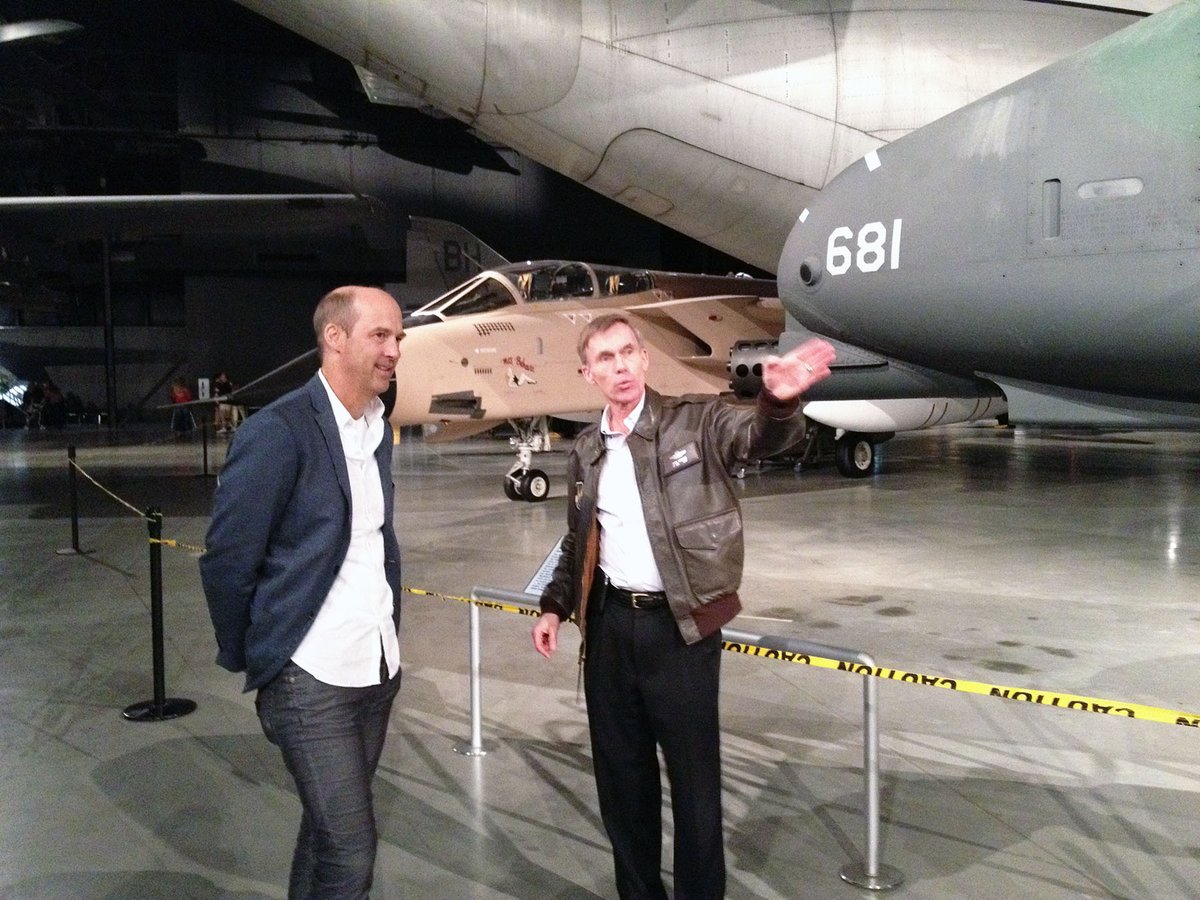
Jeff Galloway, a member of the 1972 U.S. Olympic team who for decades inspired elite athletes and countless everyday runners by promoting a run-walk-run strategy, whether in a marathon or just a neighborhood jog, died Wednesday at age 80. https://t.co/hvESrQ1jbo
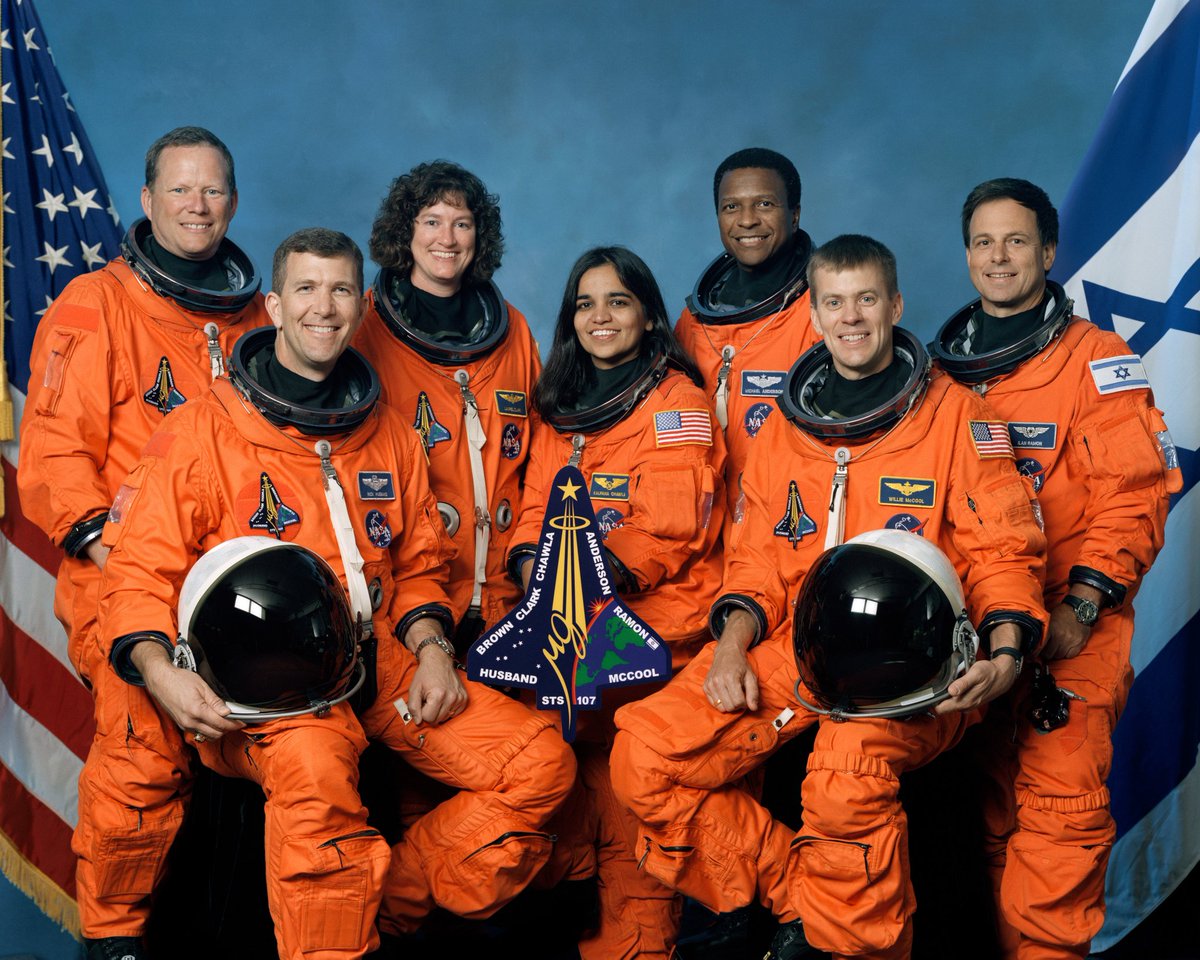
Remembering the crew of STS-107: David Brown, Rick Husband, Laurel Clark, Kalpana Chawla, Michael Anderson, William McCool, and Ilan Ramon
On February 1, 2003, the seven-astronaut crew was lost when Space Shuttle Columbia broke apart during re-entry.
On this day in 1977, Space Shuttle Enterprise traveled 35 miles from Rockwell International plant to Edwards Air Force Base on a 90-wheel trailer. It moved at approximately 3 miles per hour.
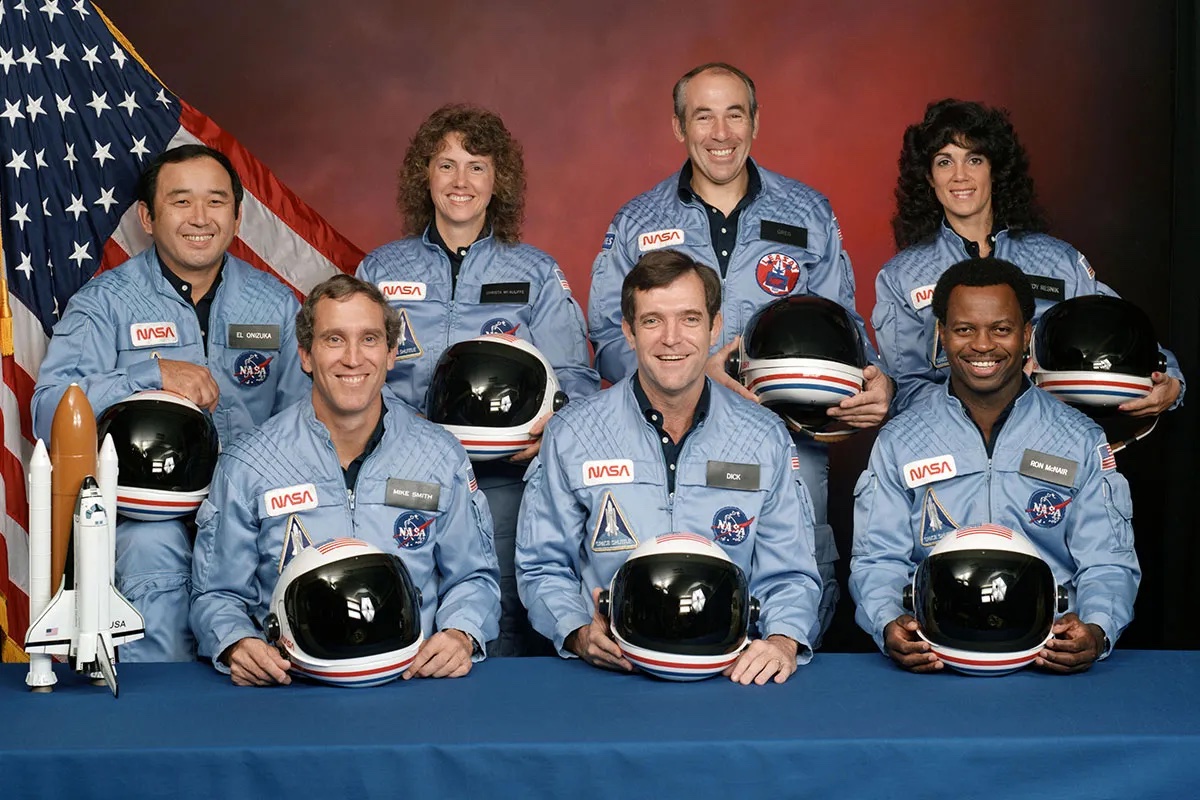
"The crew of the space shuttle Challenger honored us by the manner in which they lived their lives. We will never forget them … as they … 'slipped the surly bonds of earth' to 'touch the face of God.'"
Ronald Reagan spoke these words to the Nation in an address delivered 40 years ago today. That morning a tragic accident took the lives of the seven astronauts aboard Challenger.
#NASARemembers them on this 40th anniversary of the disaster. Their legacy constantly guides our commitment to learning, vigilance, and safety.
Francis R. "Dick" Scobee
Michael J. Smith
Judith A. Resnik
Ronald E. McNair
Ellison S. Onizuka
Gregory B. Jarvis
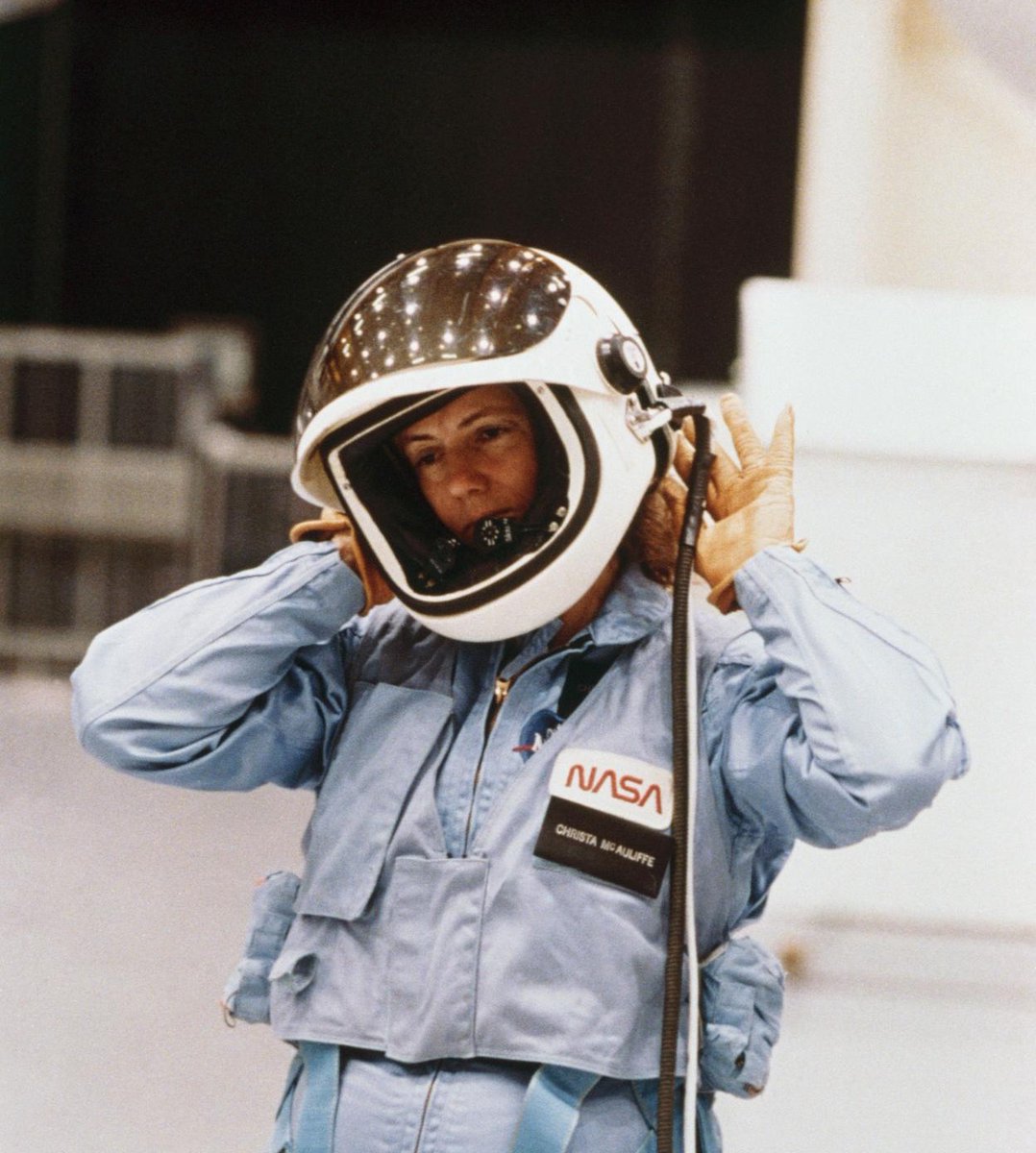
S. Christa McAuliffe
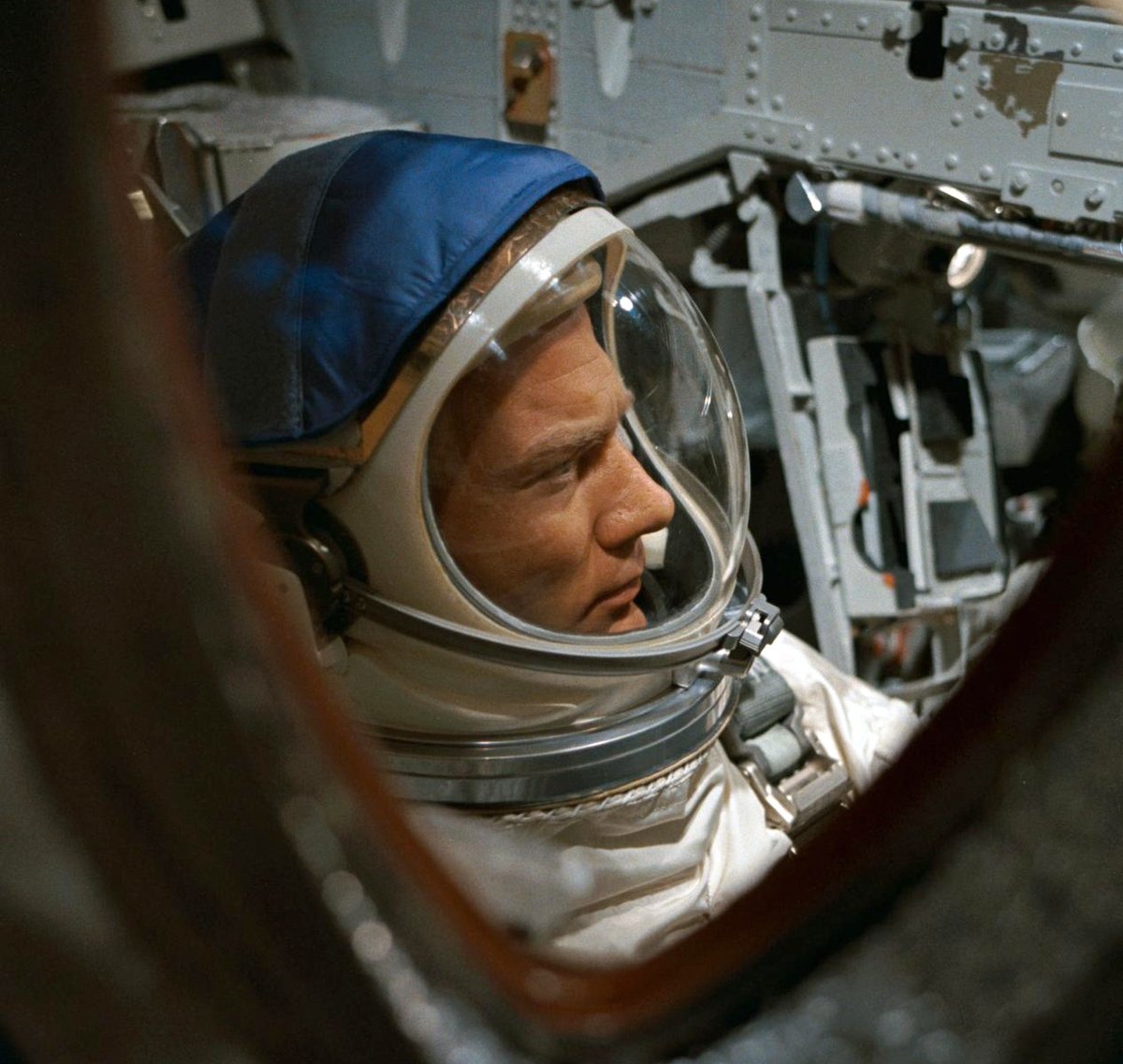
Happy 96th birthday to Apollo 11 astronaut Buzz Aldrin! 🎂
We wish him the utmost health and happiness as he completes another orbit around the Sun.
This photo was taken 60 years ago this November as Aldrin embarked on his first spaceflight: Gemini XII.
JAN 9: #OnThisDay in 1969, Neil Armstrong, Buzz Aldrin, and Michael Collins were publicly announced as the crew for Apollo 11.
The announcement came just weeks after the success of the Apollo 8 mission.
40 years ago today, Christa McAuliffe was preparing for her flight aboard Challenger as America's first citizen passenger in space.
As we solemnly remember McAuliffe and the STS-51L crew who were tragically lost in the Challenger explosion on Jan 28, 1986, we invite you to learn more about McAuliffe and NASA's Teacher in Space project: https://t.co/CMPTsDWtpC
OTD: The Star Trek Experience opened at the Las Vegas Hilton Hotel, featuring Deep Space Nine promenade-style shops, Quark's, and the Klingon Encounter and Borg Invasion 4D rides. If you made it there, reply with your favorite memory of it. (And a picture!)
#StarTrek
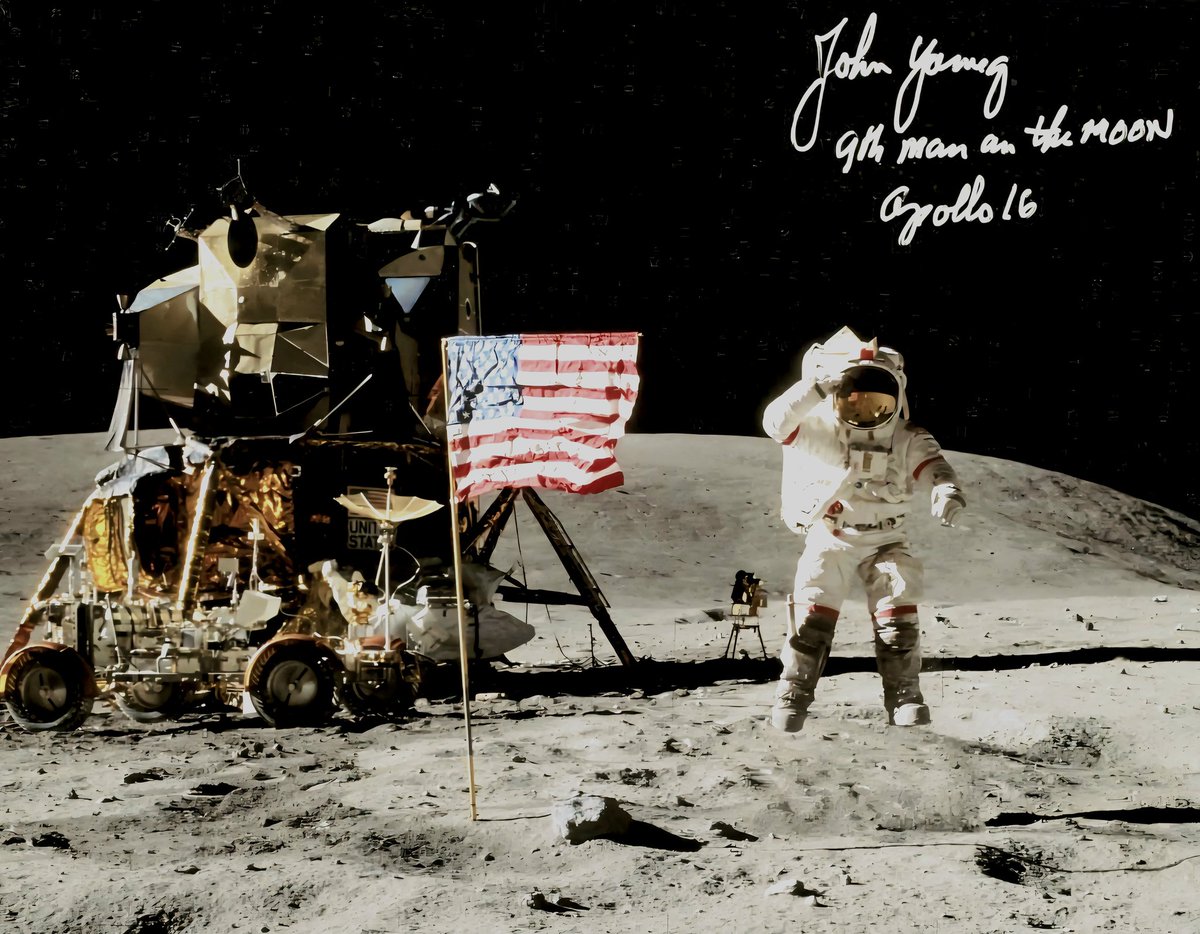
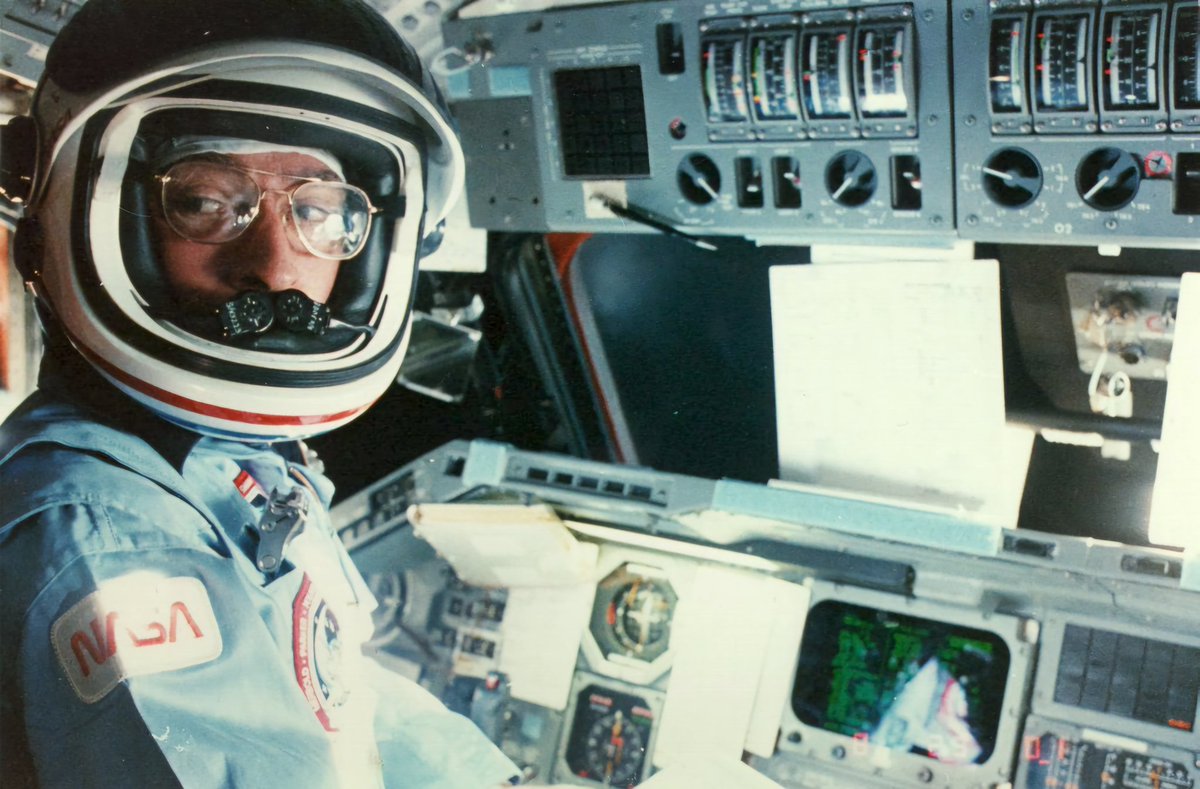
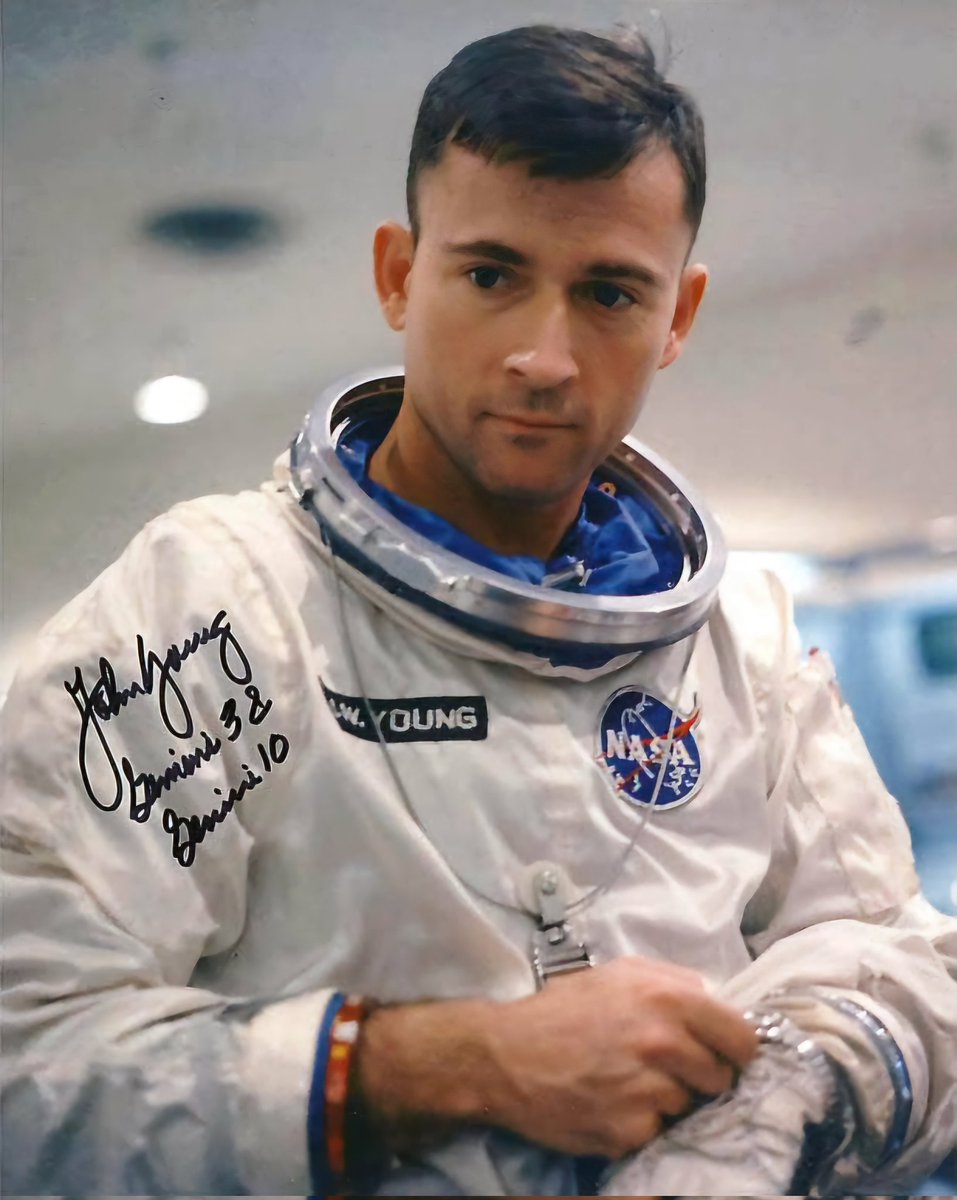
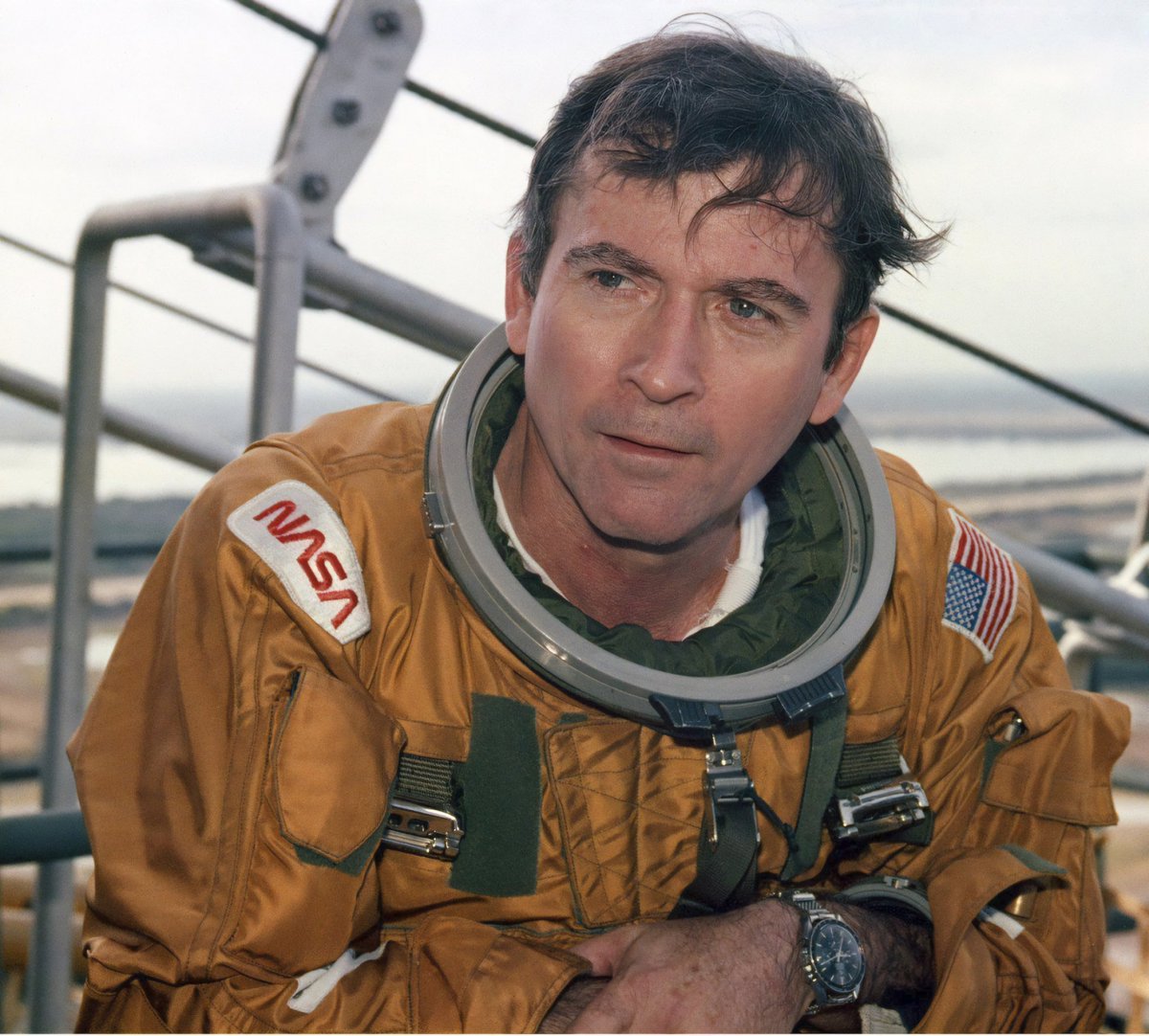
Remember Astronaut John Young, NASA’s longest-serving astronaut. He died on January 5, 2018
Young flew twice to the Moon, walked on its surface & flew the first Space Shuttle mission He went to space six times in the Gemini, Apollo & Space Shuttle programs
https://t.co/c3jCbURd2m
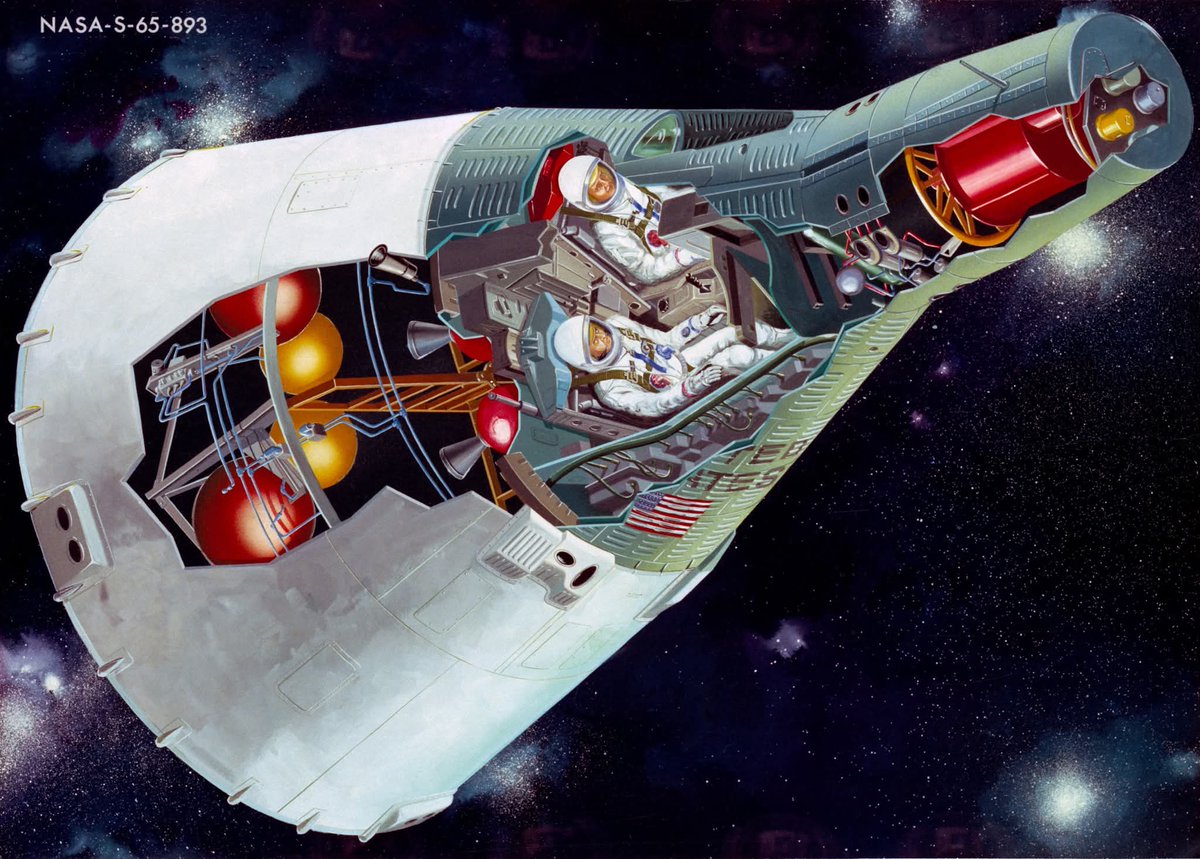
That's a great piece of space history to highlight!Project Gemini, officially renamed on January 3, 1962 (with the decision made in December 1961), was indeed the vital bridge between the single-seat Mercury program and the three-person Apollo missions. Named after the constellation representing the twins Castor and Pollux—perfect symbolism for its two-person crews—Gemini delivered the hands-on experience NASA desperately needed to reach the Moon.Its key objectives were ambitious and essential:Prove humans and equipment could survive up to two weeks in space (Gemini VII achieved 14 days).
Master orbital rendezvous and docking (first achieved by Gemini VIII with the Agena target, and perfected in later missions).
Develop precise re-entry and landing techniques.
Demonstrate extravehicular activity (EVA)—Ed White’s historic first U.S. spacewalk on Gemini IV, followed by increasingly complex outings.
Gather medical data on the effects of longer-duration spaceflight.
Though often overshadowed by Mercury’s pioneering solos and Apollo’s lunar triumphs, Gemini’s ten crewed missions (Gemini III through XII) were the proving ground that turned conceptual ideas into reliable procedures. Without Gemini’s successes—like the dual Gemini VI-A and VII rendezvous in December 1965, or Buzz Aldrin’s standout EVA on Gemini XII—Apollo 11 likely wouldn’t have happened on schedule.Thanks for marking this anniversary. Gemini deserves more love in the history books!
NASA
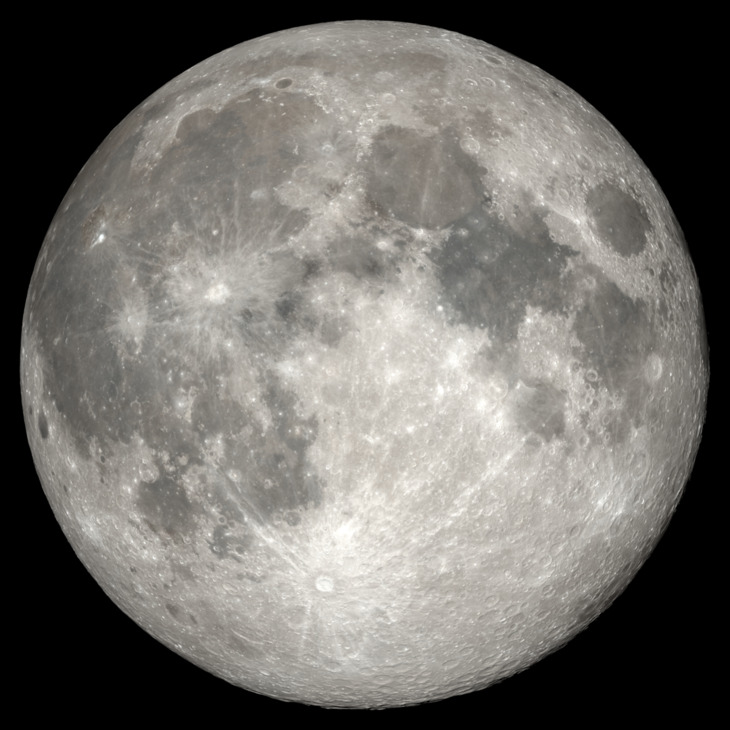
The next full moon is tomorrow, Jan. 3.
Interested in what the Moon will look like any day of the year? Get the best views with our 2026 Moon Phases video!
Northern Hemisphere: https://t.co/CjtK1f855x
Southern Hemisphere: https://t.co/rRkTnhaluI
2026 is a big year for us — we're celebrating the 50th anniversary of the National Air and Space Museum in DC this July.
Stay tuned all year as we look back at the last 50 years, look forward to what is to come, and shine a light on the very best Air and Space has to offer.
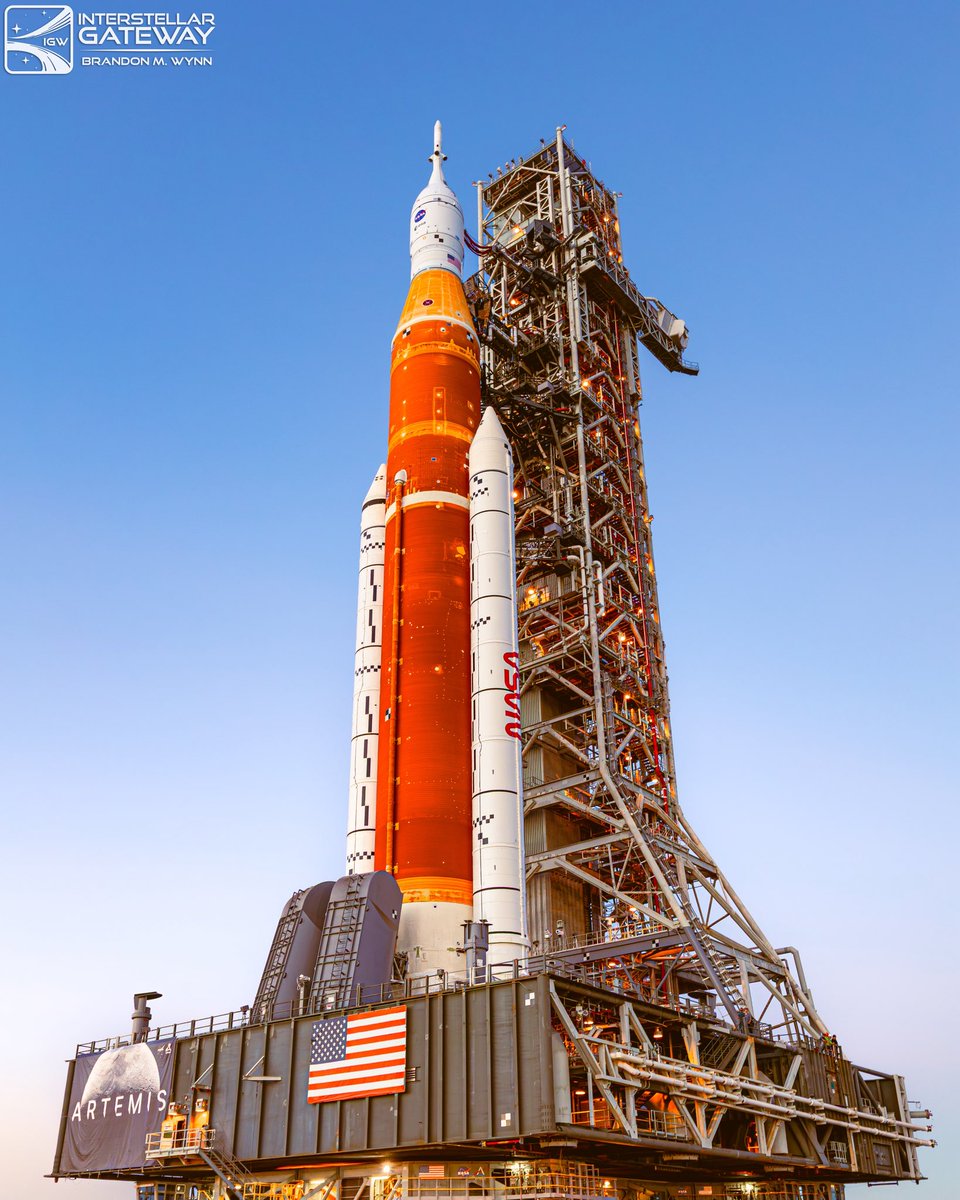
NASA confirms that rollout of the SLS rocket to Launch Complex 39B is less than two weeks away, and that the Launch window for Artemis II begins on February 6th…
Lets get this historic year started ���
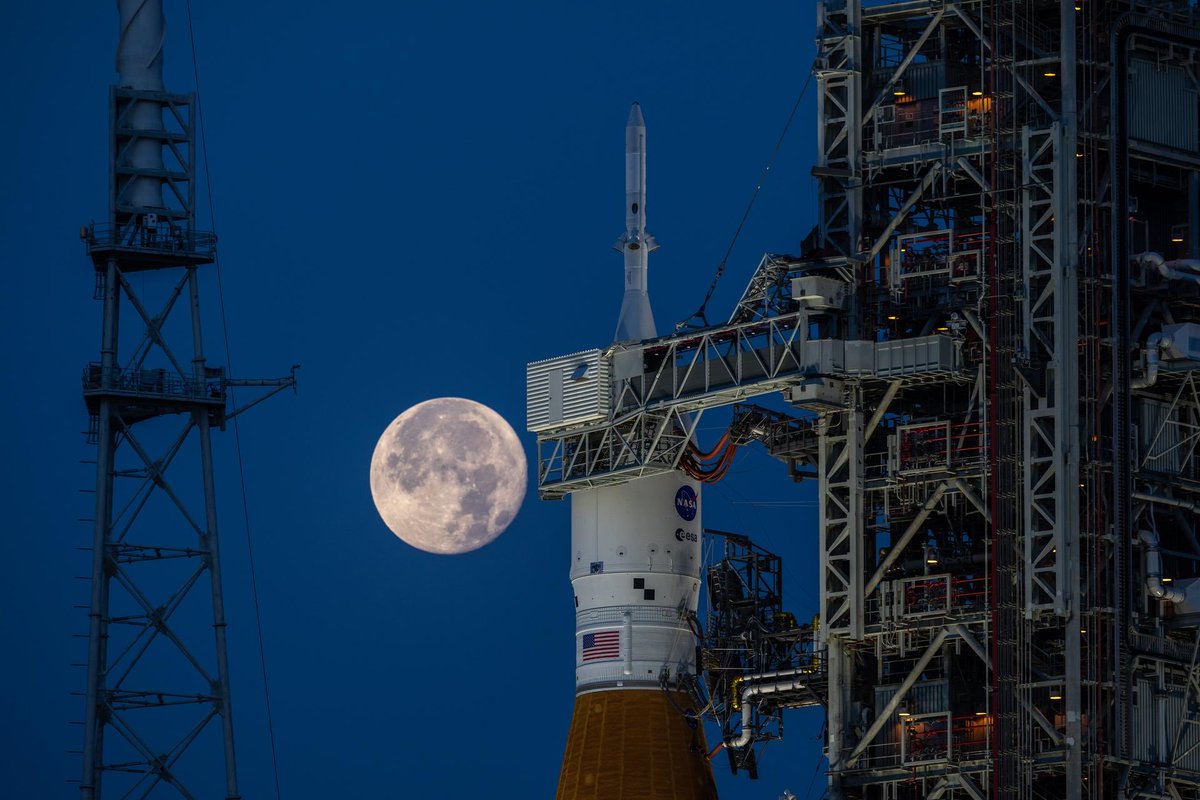
Under the light of the Wolf Moon, the next chapter begins. 🌕
The first full Moon of the year rises tomorrow as humanity prepares to return to the Moon with Artemis II, the first crewed flight test of the Orion spacecraft, in more than 50 years.
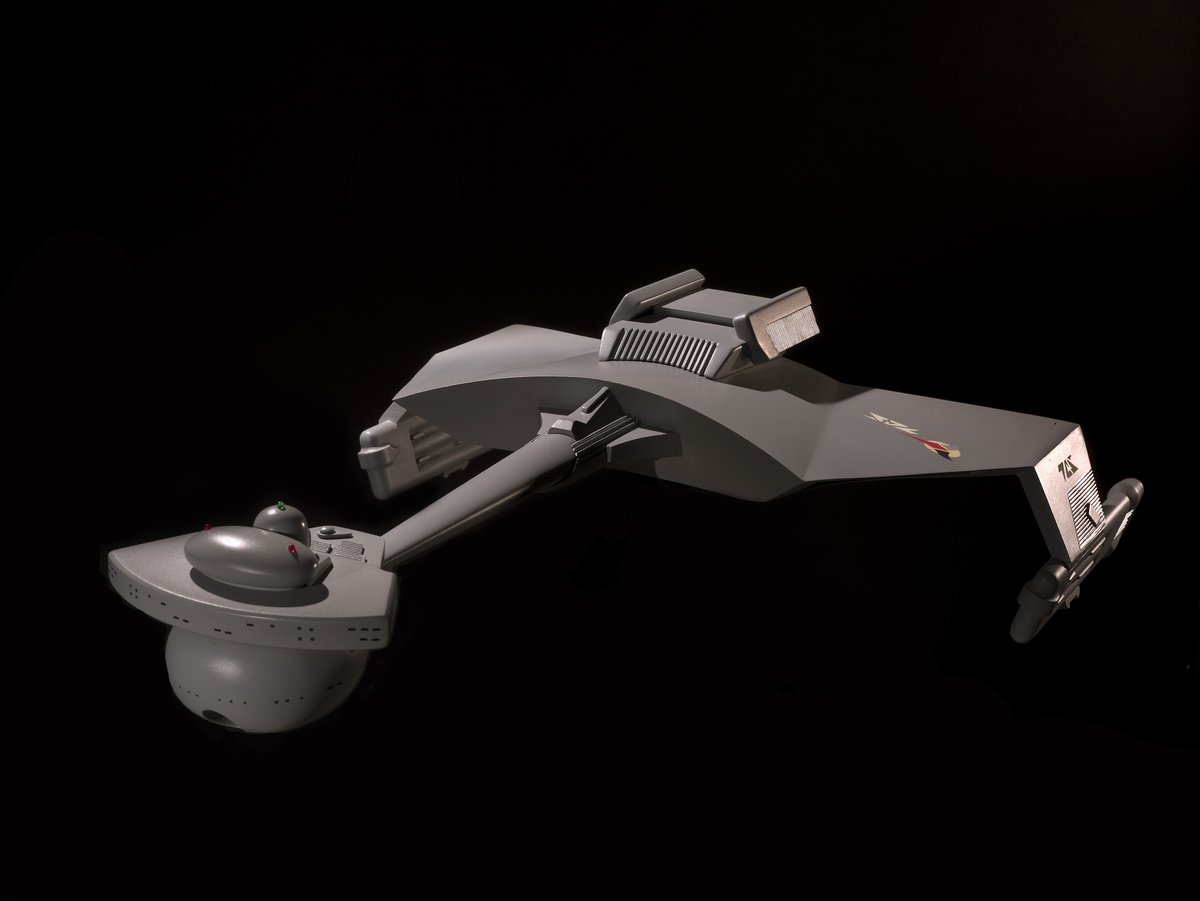
One of the science fiction stories best represented in our collection is #StarTrek. In addition to the studio model of the starship Enterprise, we have a filming model of a Klingon D7 Battle Cruiser in our collection. #ScienceFictionDay
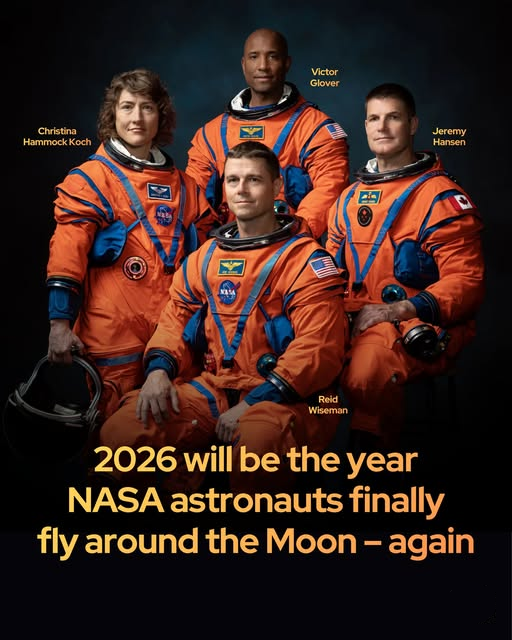
It’s finally 2026 — the year NASA astronauts will very likely fly around the Moon.
NASA is gearing up to launch astronauts on a lunar orbit mission for the first time in more than 50 years.
As early as February 2026, the Artemis II mission could send four astronauts into orbit around the Moon using the Orion spacecraft. This approximately 10-day flight will mark the debut crewed launch of NASA's Space Launch System (SLS), a heavy-lift rocket developed over the past decade-plus.
The mission represents a major milestone in the Artemis program, NASA's ambitious—and often delayed—initiative to return humans to the lunar vicinity and surface. Although Artemis II will not include a landing, it will validate critical technologies for upcoming flights, such as life support systems, docking procedures, communications, and navigation in deep space. It serves as an essential testbed for subsequent explorations.
The international crew consists of NASA astronauts Reid Wiseman (commander), Victor Glover (pilot), and Christina Koch (mission specialist), plus Canadian Space Agency astronaut Jeremy Hansen (mission specialist). Koch and Glover are veterans of International Space Station missions, while Hansen will experience his first spaceflight.
On this journey, the astronauts will venture farther from Earth than anyone has since the Apollo 17 mission in 1972.
What drives this return to the Moon? Researchers highlight its scientific value: the lunar surface preserves clues to the Moon's origin, the sources of its water, and insights into the solar system's early, turbulent history. Some regions date back more than 4.5 billion years, untouched like Earth's geology, offering a pristine archive of cosmic events.
Success for Artemis II would clear the path for Artemis III, targeted for mid-2027, which aims to land astronauts near the lunar south pole—where permanently shadowed craters could harbor accessible water ice, a key resource for sustained exploration.
Though we've orbited and walked the Moon before, this era's vision is bolder: establishing enduring presence, exploring deeper, and laying groundwork for human missions to Mars.
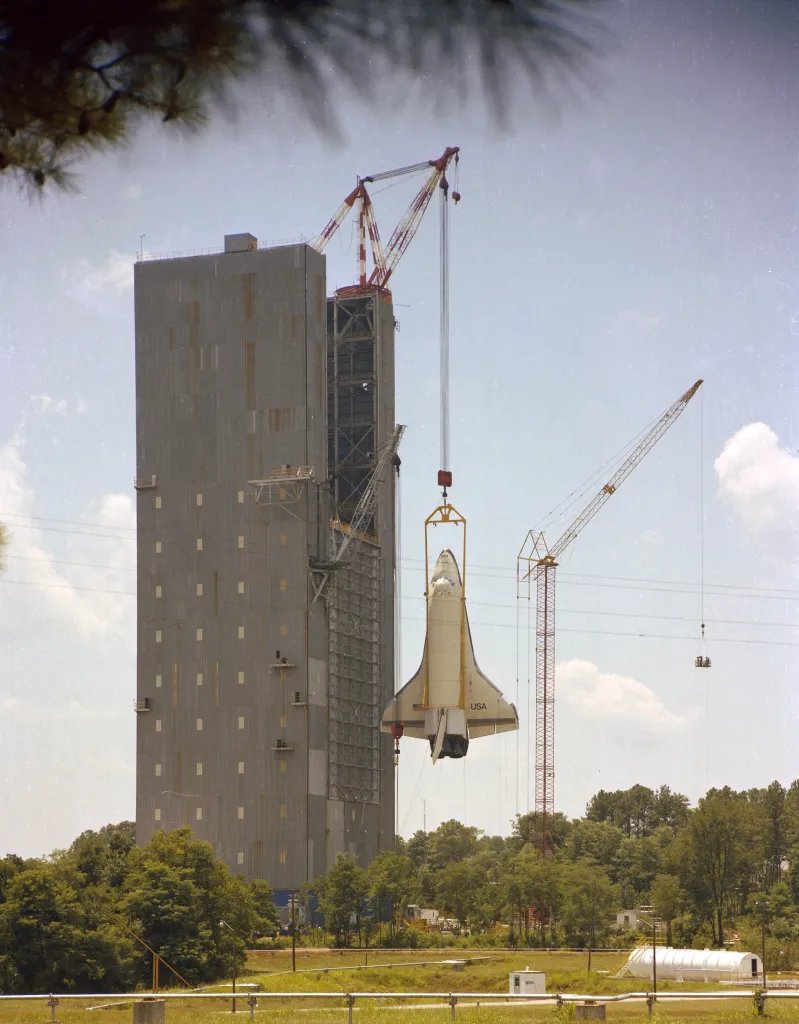
At NASA's Marshall Spaceflight Center, the Dynamic Test Stand used for testing Saturn V and Space Shuttle components, and the F-1 Engine Test Stand (Test Stand 4696) are being demolished as soon as Saturday.
@nasa