@alialsalim If they had more/real skin in the game, you'd see greater investment in the improvement/development or risk judgment, decision-making, and investment criteria. All are available and possible for those with less hubris and a better incentives structure. #riskintel#JDM
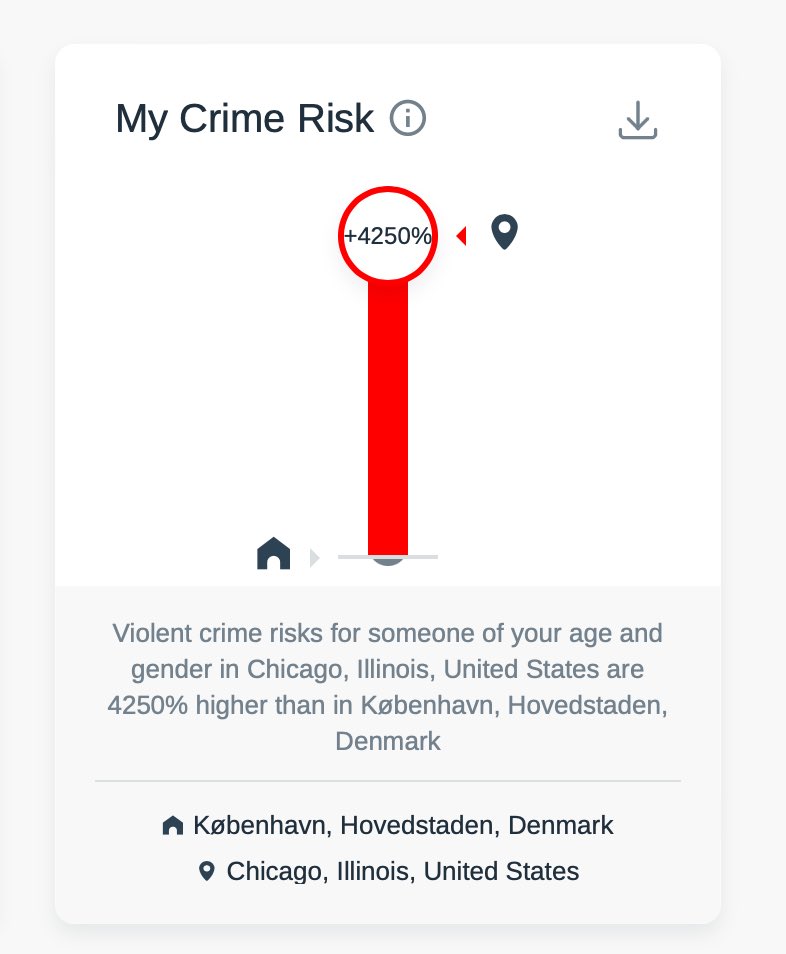
@shannonrwatts This is the relative serious violent crime risk for a 21YO male from #Copenhagen planning to study and live in #Chicago
- See https://t.co/A6cZpzFRZj
@Crimealytics@AndrewMorral You can actually see how violent crime risks (including homicide, robbery, aggravated assault, and rape) compare to your home and across these and hundreds of global cities specifically for your demographic group here: https://t.co/FQbfcgkxSy
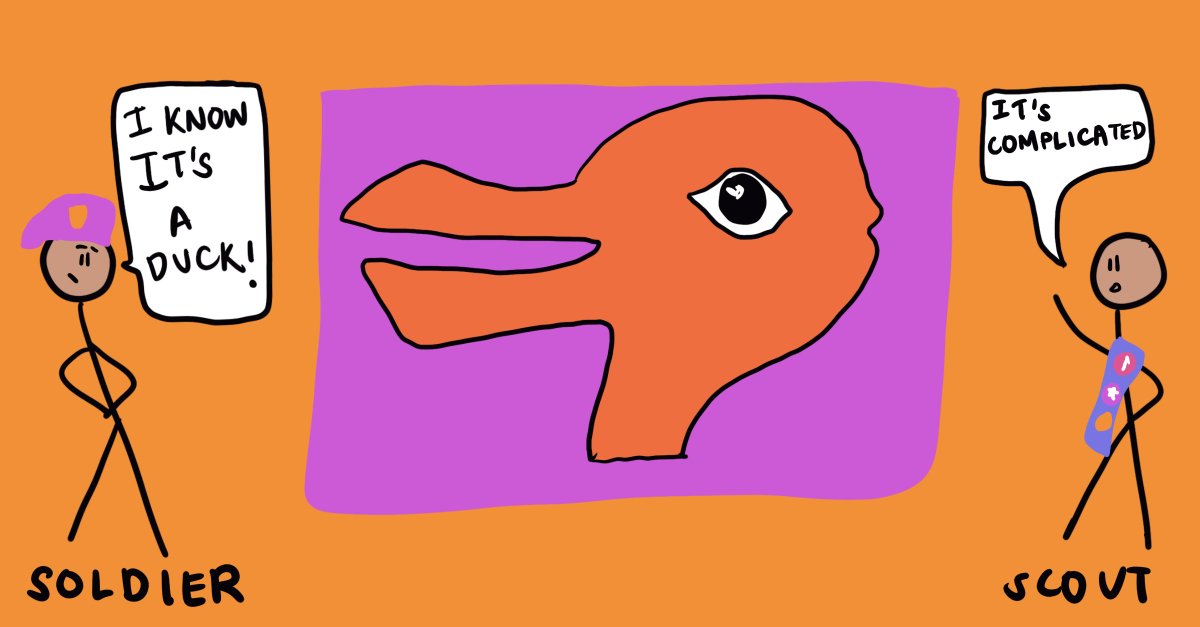
@juliagalef's Scout Mindset is precisely what distinguishes and empowers a stronger safe-esteem. It's more than a recipe for success, it's a survival strategy. A must-read (and listen).
This week on The Decision Corner #podcast: @juliagalef shares some strategies for becoming more evidence-based and embracing a scout mindset, in our personal and professional lives. https://t.co/75roNhVqpk
@equalityAlec There is little/no doubt our perception of what is likely to cause us harm or kill us is deeply flawed, but surveys like this only aggravate things by way of vague language. What do they mean by a ‘a big problem’? Ambiguity does not reduce uncertainty or innumeracy.
@W_R_Chase The goals of risk communications (messages/visualizations) can indeed be very diverse, but these are often lost in the same bias and innumeracy that pervade our perception and judgment of the risk itself.
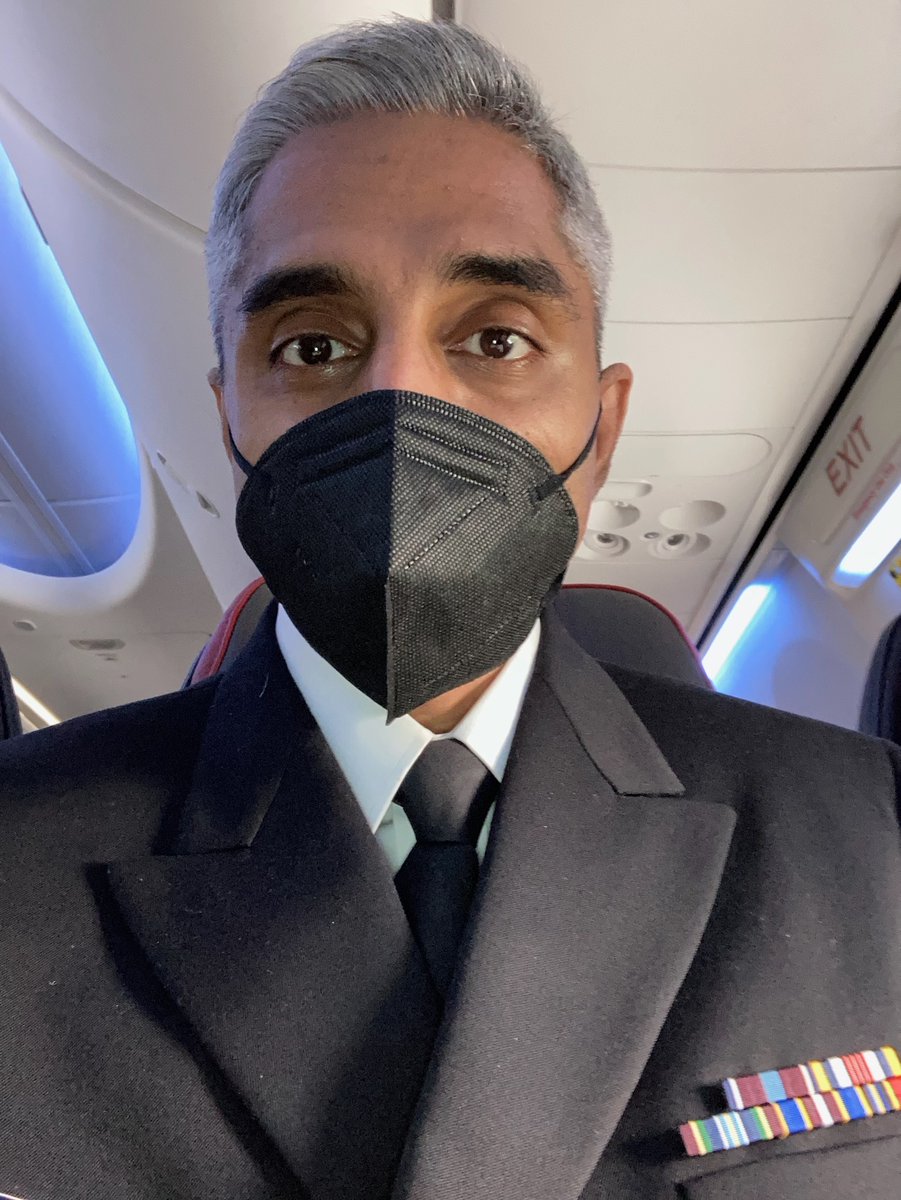
The recent court ruling has given travelers the option to choose whether or not to wear masks on flights, buses, and trains. Having been on a plane myself yesterday—and recognizing cases are on the rise in many states—here is why I will continue to wear a mask when I travel. 1/6
Comparing new hazards to other/familiar ones is indeed how we judge and ‘quantify’ personal risks. It’s unfortunate this article by @benjmueller echoes truisms of failing risk communication yet fails to mention successful solutions like Safe-xplore
https://t.co/MmBQgB0SJi
According to the received wisdom, it's always better to "rip the bandaid off": condense pain into a shorter, more intense burst, then move on and be done with it. But is this old adage actually true? Research suggests that it's not.
https://t.co/KcBprMimwK
We have an opportunity & obligation to create a healthier digital environment for all by deepening our understanding of the impact of #COVID19#HealthMisinformation. You can play a key role in this work by sharing how misinfo has affected your community. https://t.co/f2z2JAD9W8
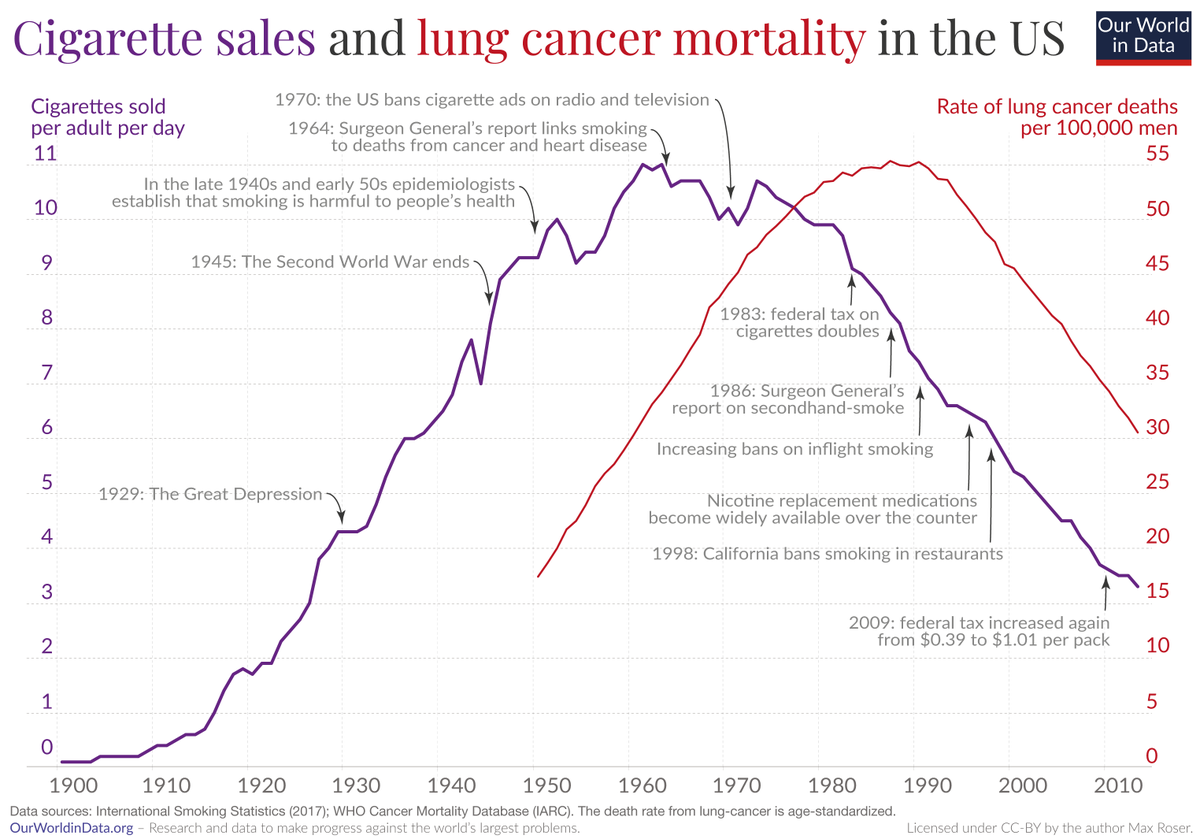
Smoking is so common and familiar that it can be hard to grasp just how large the impact is.
Every year, around 8 million people die prematurely from smoking.
But we have already made progress against smoking, and it is a fight we can win.
Read more: https://t.co/3TMBG7phW4
A high safe-esteem is typically associated with the type of intellectual curiosity and skepticism that @juliagalef elegantly defined as ‘scout mindset’. One that recognizes how susceptible we are to motivated reasoning + conspiratorial thinking. https://t.co/pTUGIXxPph #COVID19
Sadly, neither success nor education can guarantee a high safe-esteem. Risk judgment and decision-making are plagued by innumeracy, bias, and misinformation for humans across the board. But we can always improve it and make smarter, safer choices. Try https://t.co/A6cZpzFRZj