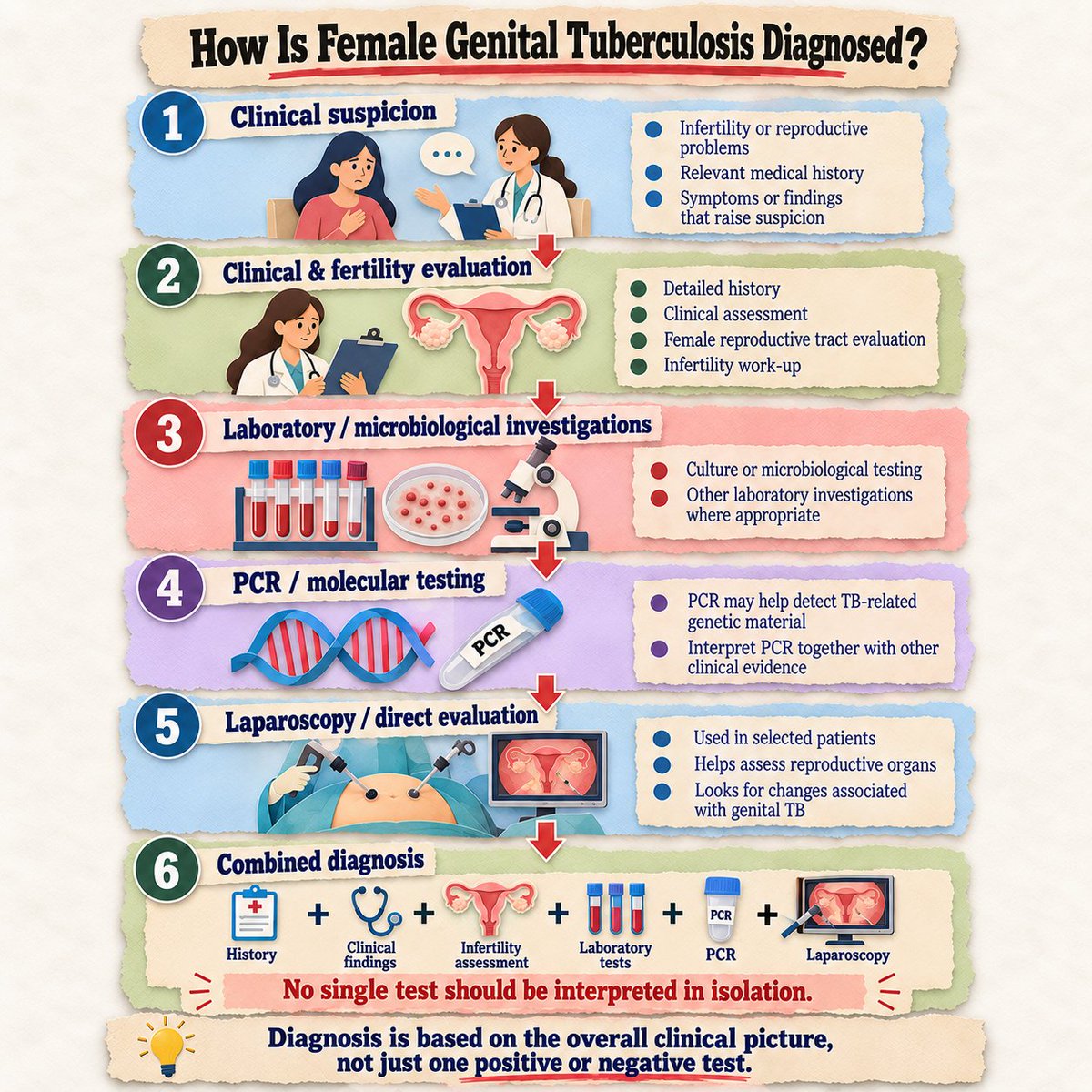
Female Genital Tuberculosis is diagnosed through a combination of clinical history, fertility evaluation, laboratory tests, PCR, and sometimes laparoscopy.
No single test is definitive #Tuberculosis#Tuberculosisindia#TB#Gynecology#Infertility
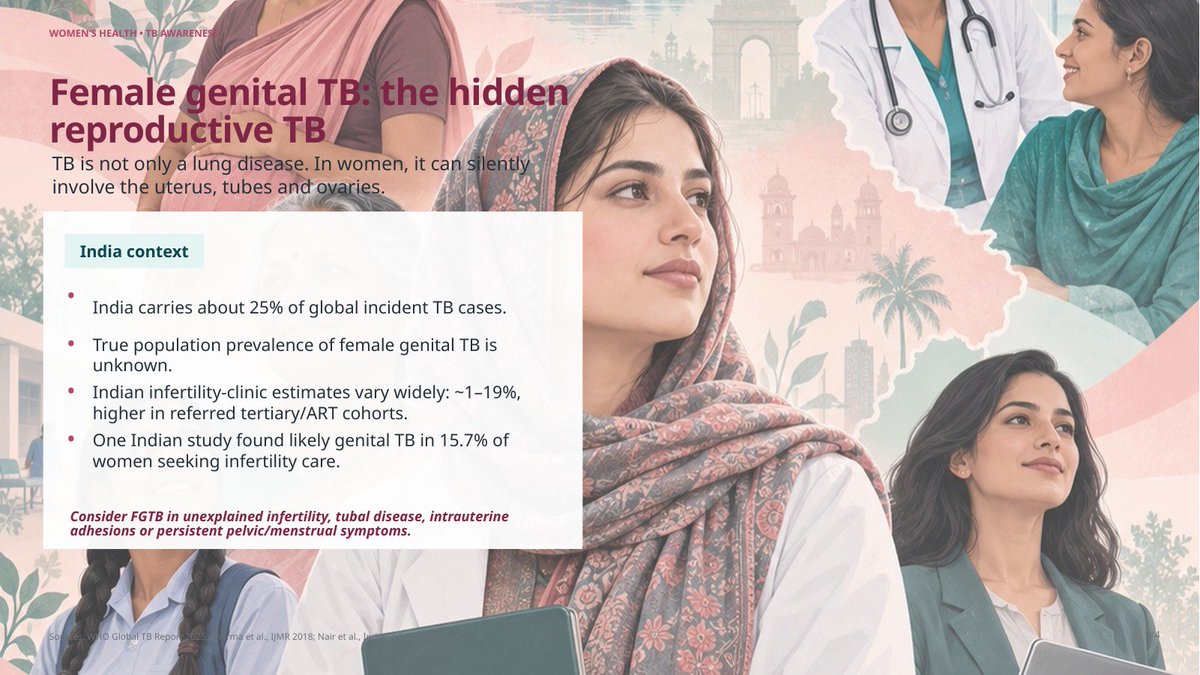
Female Genital Tuberculosis can be a silent but important cause of infertility. Early recognition, proper testing and timely treatment matter for protecting reproductive health.
#GenitalTuberculosis#Infertility#ReproductiveHealth
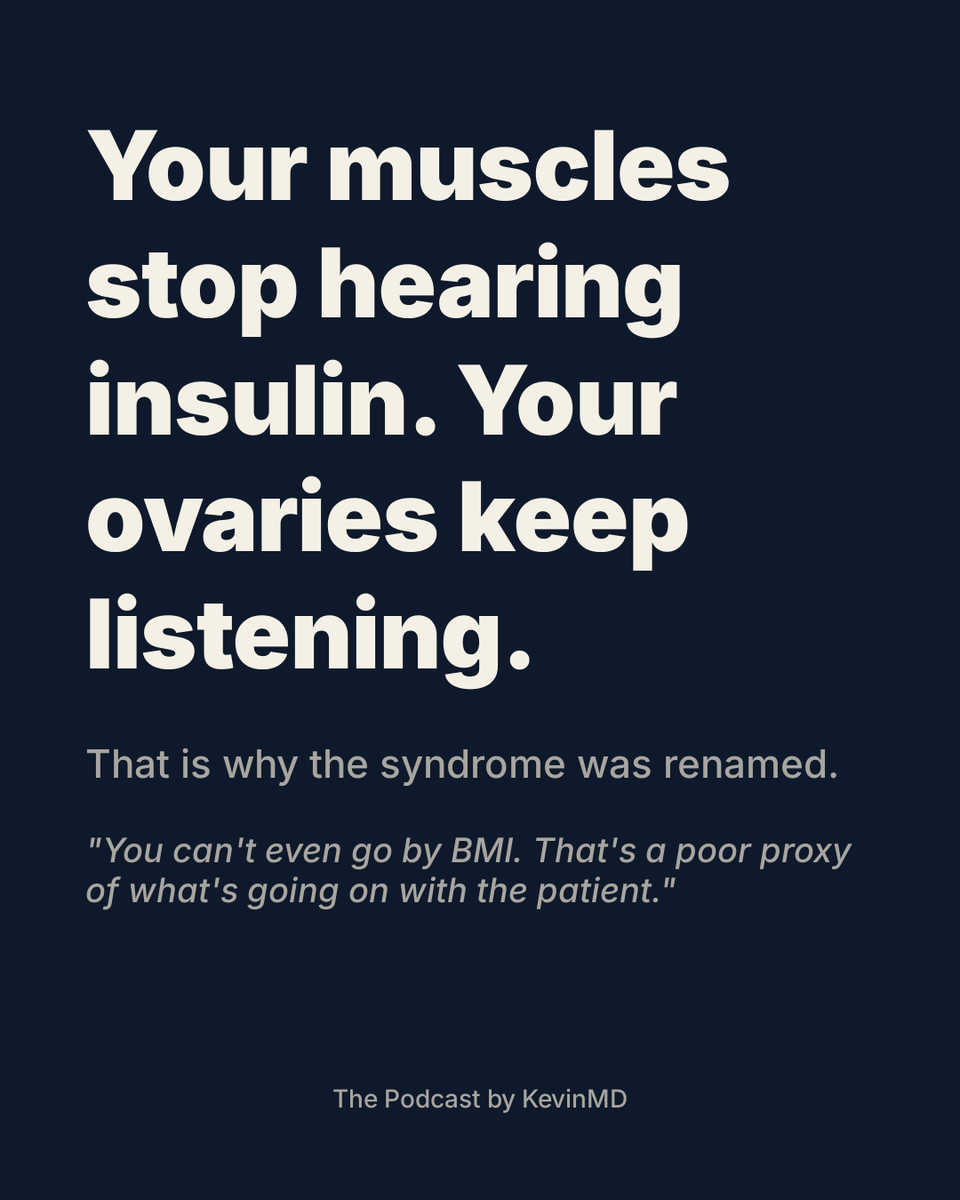
Insulin resistance gets described as a whole-body state. It isn't one. The muscle stops responding. The ovary keeps responding to every bit of it. That gap is where the syndrome lives.
Oluyemisi Famuyiwa, a reproductive endocrinologist and infertility specialist, laid out the mechanism on The Podcast by KevinMD, and it reframes what the old name was ever pointing at.
Insulin's job in muscle is to move glucose out of the blood. In PCOS there are receptor and post-receptor defects along that route, so the glucose does not get in. The pancreas reads the high glucose as insufficient insulin and produces more of it.
But insulin does not act through a single channel. It branches like a river delta, and the branches are weighted differently in different tissues. Some are enhanced in muscle. Others are enhanced in reproductive tissue. When the muscle route jams, the ovarian route is still listening, and it is now being hit with far more insulin than before.
At the ovary, insulin amplifies what LH is already doing, which is driving androgen production. Her image for it: gasoline on a fire.
At the liver, the same excess insulin reduces sex hormone-binding globulin, the protein that binds free androgens and blunts their effect.
Her own description of the net result: "If I want to drive your androgen levels up, a good way to do that is to force your ovaries to produce more androgens and then block the liver from making anything to help soak up these extra androgens."
Which is why the workup is wider than most people expect. What she orders:
Complete metabolic profile
Free and total testosterone
Androstenedione and 17-hydroxyprogesterone
Fasting insulin and glucose, with a two-hour glucose panel when the suspicion is high
Lipid panel, because this can run with dyslipidemia
Reproductive hormones on day two or three of the cycle, though she does not wait for a period that may not come
Two things she will not use as a filter. Fasting glucose alone, because the pancreas keeps adjusting for poor insulin signaling until things are genuinely bad. And weight, because lean patients present with hyperandrogenemia and irregular cycles too.
Treatment follows the presentation rather than the label. Metformin sensitizes the body to insulin and can also lower androgen production at the ovary, working at two sites at once. Exercise does something mechanistically separate: when the GLUT4 transporter is jammed, movement opens a cyclic AMP route that gets glucose into muscle anyway. A back door.
The reason it is now polyendocrine metabolic ovarian syndrome, PMOS, is that the old name narrowed the field of view. Call it a polycystic ovary problem and clinicians look at the ovary, and the metabolic, hepatic, endometrial and mood pieces go unexamined for years.
Her take-home: "It's more than just the ovary, and it's more than just insulin."
Listen to the full conversation on The Podcast by KevinMD. Link in the replies.
What do you order when a patient has irregular cycles and a normal fasting glucose? #ThePodcastbyKevinMD
Adenomyosis: tissue normally lining the uterus is found within its muscular wall.
Visualized with SciePro’s 3D anatomy model, built for anatomical accuracy.
Explore our medical visuals and licensing → link in the first reply.
#SciePro#Adenomyosis
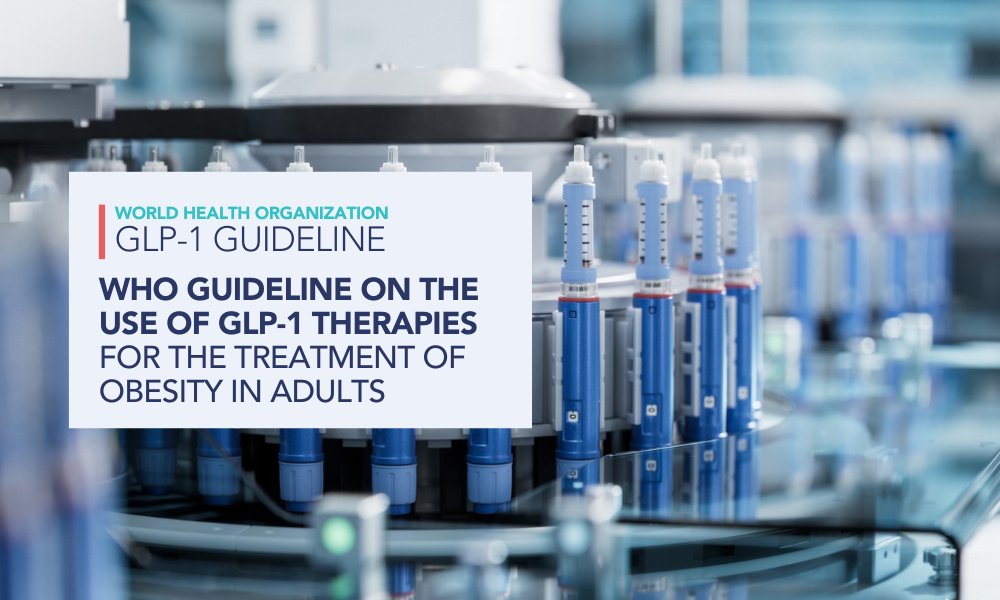
The @WHO has launched its first global guideline on GLP-1 therapies for obesity care.
A major step forward - but impact will depend on equitable access and integrated care. Obesity care is essential.
🔗 https://t.co/Qmh1QAZSS1
#GLP1
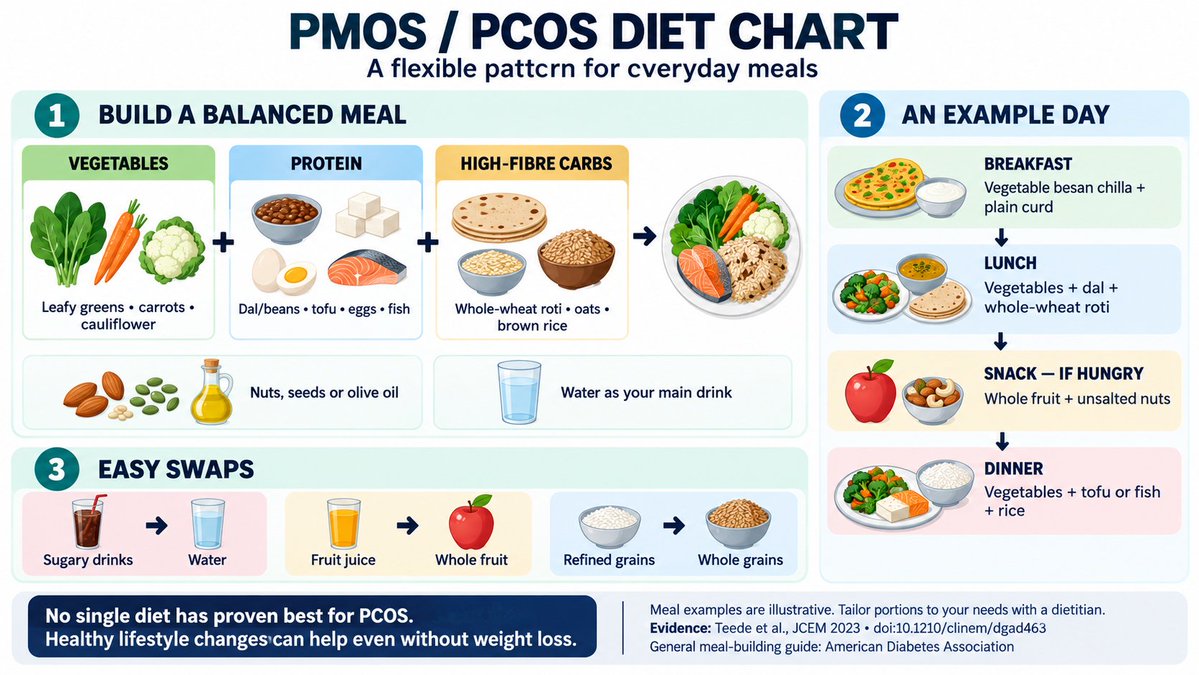
Why is PCOS now called PMOS?
PCOS” was misleading because the so-called cysts are immature follicles, and many affected women do not have polycystic ovaries.
“PMOS” better reflects the condition as a broader endocrine, metabolic, and ovarian syndrome.
“Your purpose as a scientist is to make discoveries and gift them to humanity. And those discoveries and that knowledge stays with humanity long after you are gone.”
- 2022 chemistry laureate @CarolynBertozzi, awarded for developing bioorthogonal reactions.