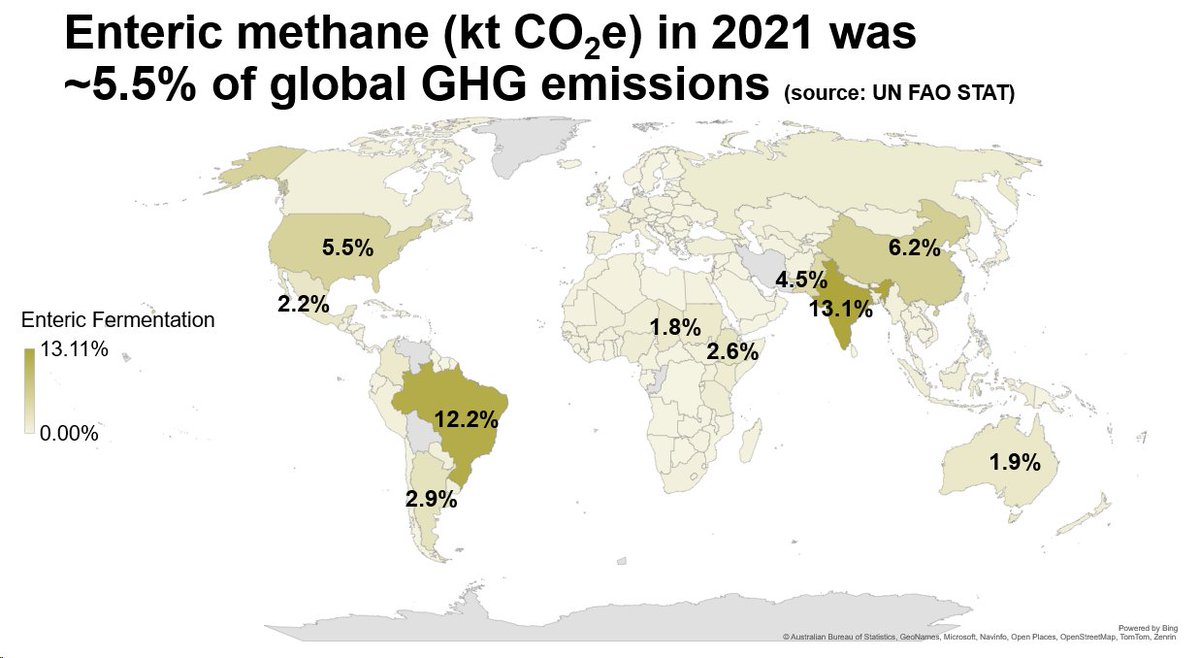
Enteric fermentation methane from domesticated livestock was ~5.5% of 2021🌍 GHG emissions.
Map demonstrates what % each nation's livestock (mostly 🐃🐂🐄🐐🐑) contributed to this global total.
India 13.1%
Brazil 12.2%
China 6.2%
USA 5.5%
Pakistan 4.5%
https://t.co/CJAjM1qVbM
We're delighted to announce our new resource Assessment Reform for the Age of Artificial Intelligence, is now available.
Launched at today's #TEQSA23 Conference, this paper was developed in consultation leading Australian experts.
➡ https://t.co/q1U4lNFXIz
#HigherEd#OzHe 1/2
Congratulations to our 2023 ICM Agrifood Award winner, Dr @NatKMorgan! 🤩
Dr Natalie Morgan has shaped how the poultry industry formulates diets for both egg-laying and meat chickens at @CurtinUni. 🐓
🔗 Read more: https://t.co/5pv1l3HDbq
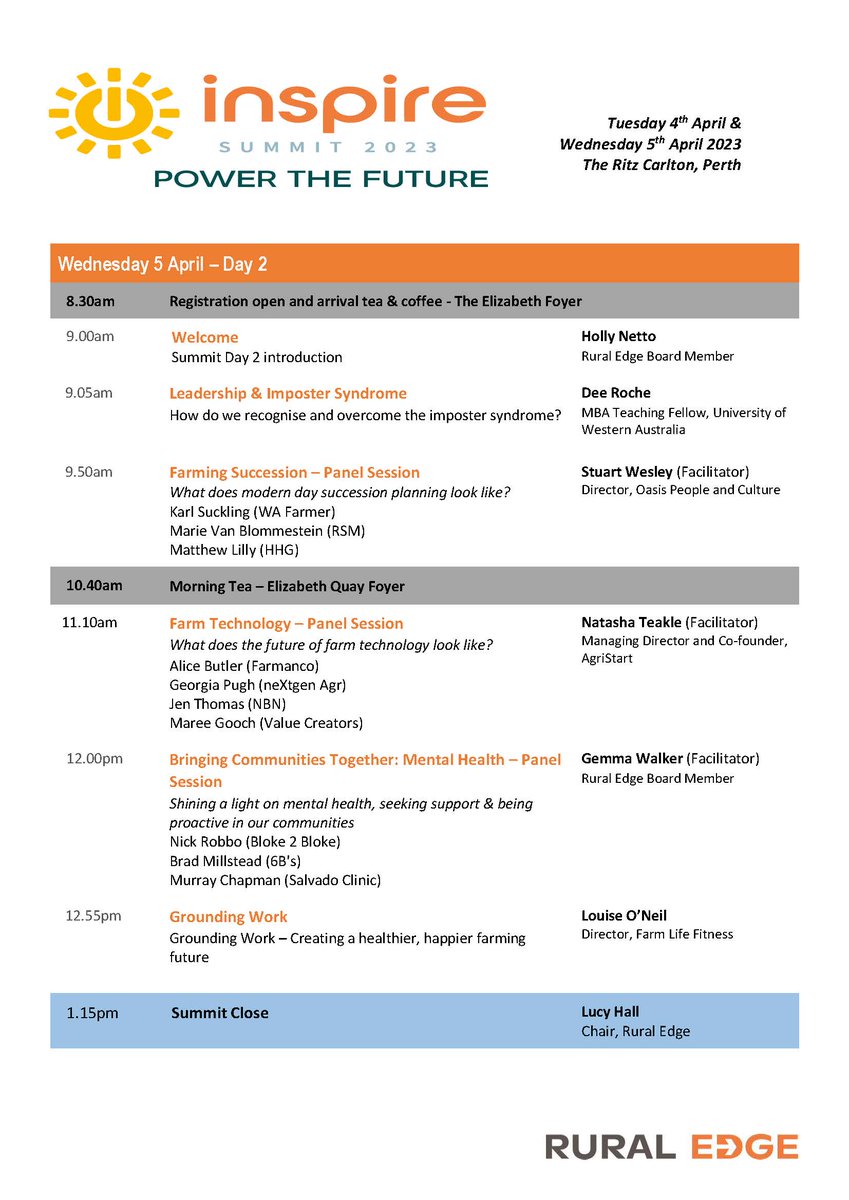
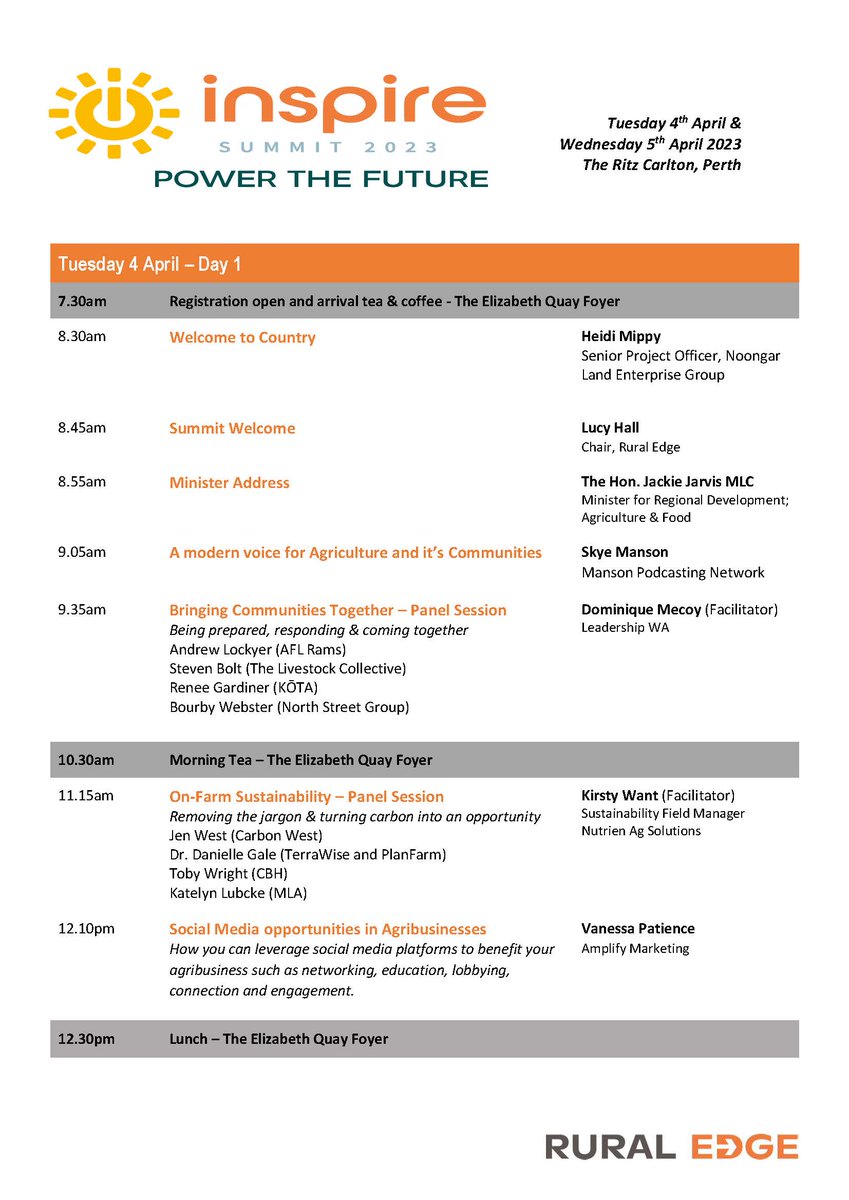
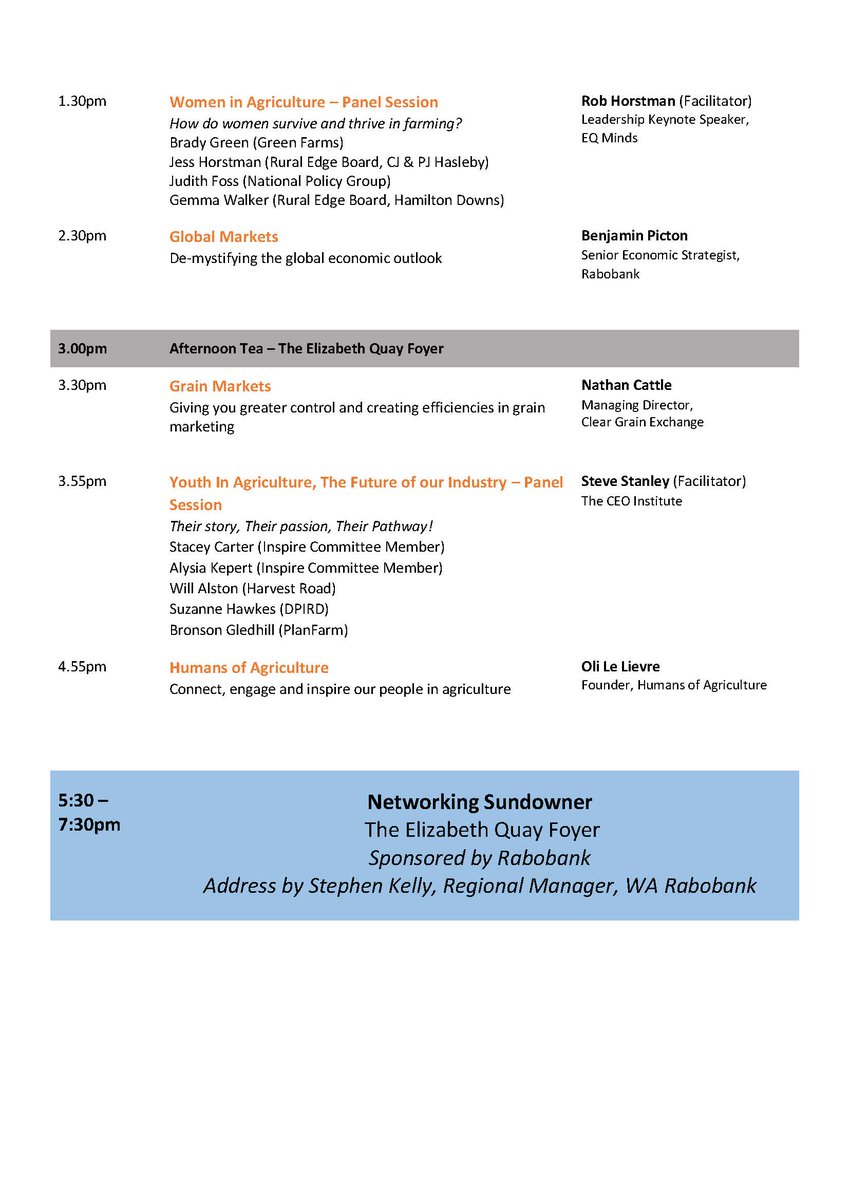
INSPIRE Summit 2023 - Power the Future.
We are only a week away from an incredible line up of speakers, and the opportunity to connect and network with farmers & agriculture industry representatives. https://t.co/wWnlARm6ay
As someone who has studied environmental science, I am so tired of hearing that cow farts are causing climate change.
The public are misinformed because they are fed their “science” from news headlines.
Here are some facts based on real science.
Greenhouse gases are:
Carbon dioxide released during plowing, cutting trees and burning fossil fuels
Methane mostly from rice farming and cow belches (not farts – yes, I’m nitpicking)
Nitrous oxide from fertilisers
Because of the amount of heat each of these gases trap and the length of time each stays in the atmosphere, these can be measured in terms of greenhouse warming potential.
One of the first things we learn in environmental science is the carbon cycle.
Above, I acknowledged that cow belches emit methane. Methane contains carbon and is part of a natural carbon cycle – think about how many buffalo used to roam the plains.
Notice the word “cycle”. Cattle transform existing carbon from grass into methane as part of their digestive process. After about 10 years, the methane is broken down into water and carbon dioxide, which then get taken up by more grass to continue the cycle. This is how nature works!
On the other hand, fossil fuels come from ancient carbon that has been locked underground for millions of years and should stay there. When this carbon is released into the atmosphere, it stays for thousands of years.
Studies show that atmospheric methane has levelled off, even though the number of cattle has increased!
The plant-based industry want you to believe that 18%–51% of greenhouse emissions is due to cattle. It is not! The EPA states that it is 2%. All livestock is only 3.9%. Compare this with crops 4.7%, industry 21.6%, electricity 28.4% and transportation 28.5%.
You can find all the science that backs this up in Sacred Cow, by Diana Rodgers (@SustainableDish ) and Robb Wolf (@robbwolf), as well as a whole lot more detail. If you read the book, you will also learn how cattle can actually benefit the environment! The book also addresses ethics and nutrition.
It’s time we stop blaming meat for what fossil fuels are doing, don’t you think?
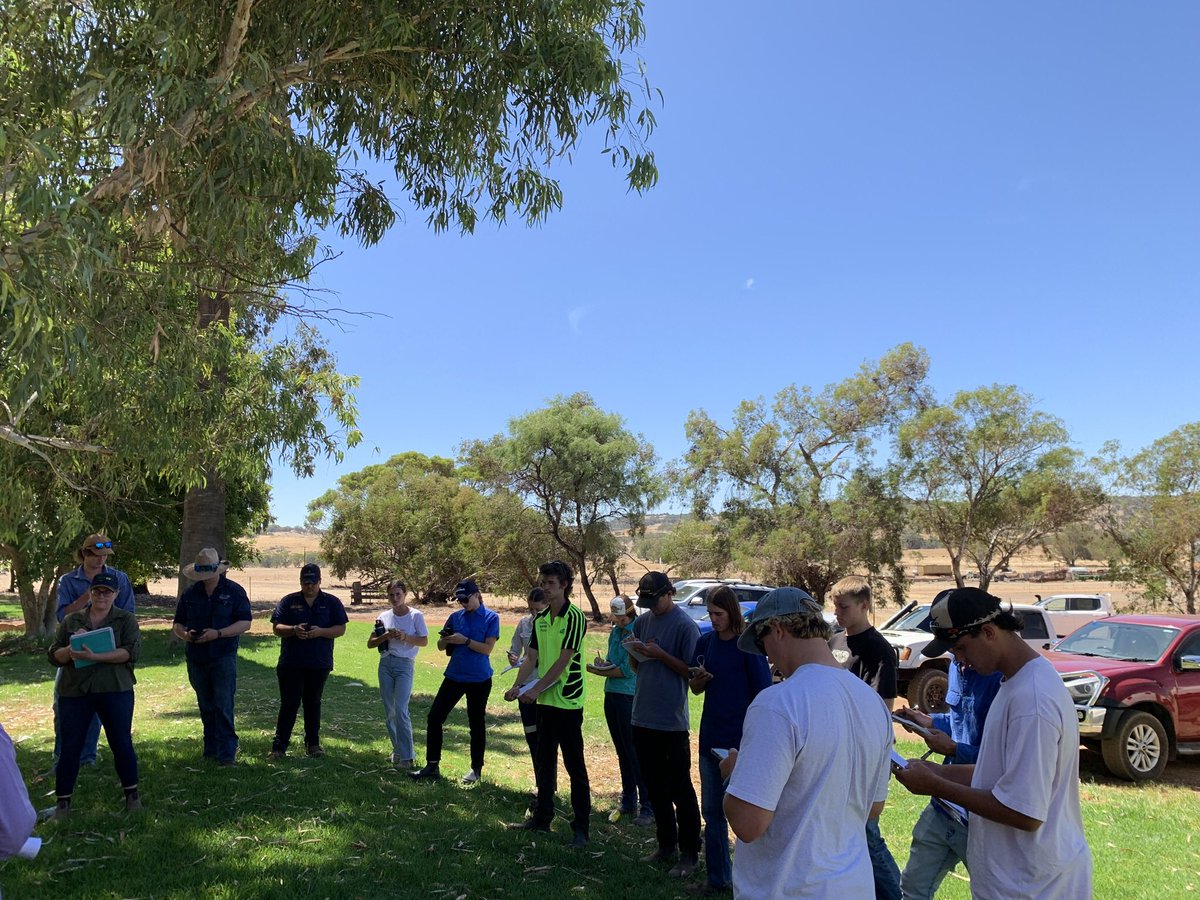
Agriculture and Environmental Sciences teams @CurtinUni Open Day promoting our courses. @CurtinEandA @SamCarter027. A busy day with lots of interest.
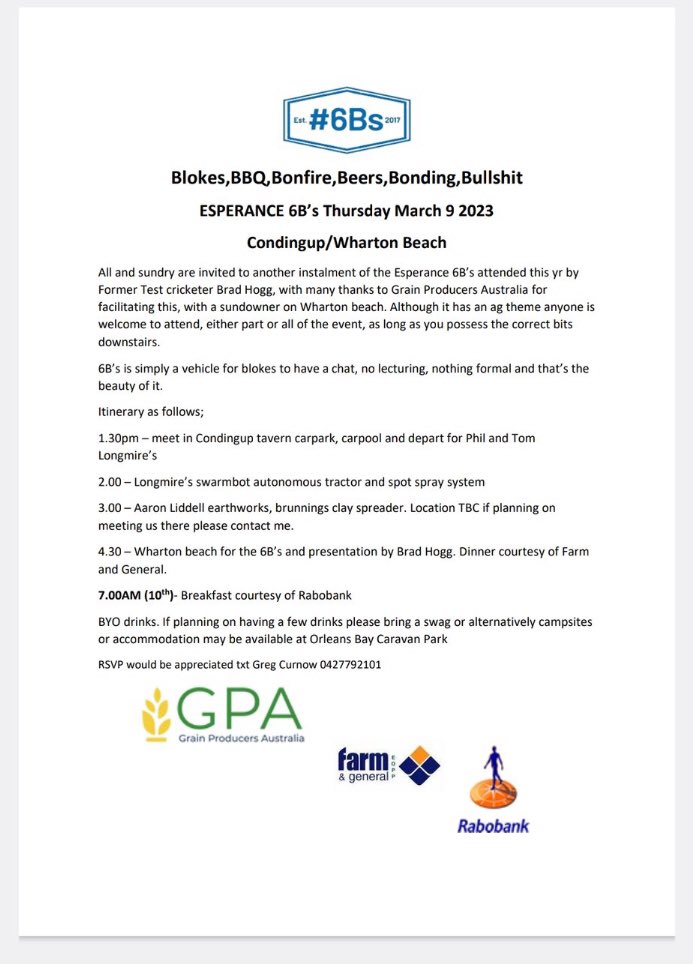
Really looking forward to getting to Esperance next week with @Brad_Hogg to join the blokes who are getting together for a #6Bs day/night organised by @CurnowGreg
Please let Greg know if you are heading along and hope to see you during the day or at Wharton beach that night
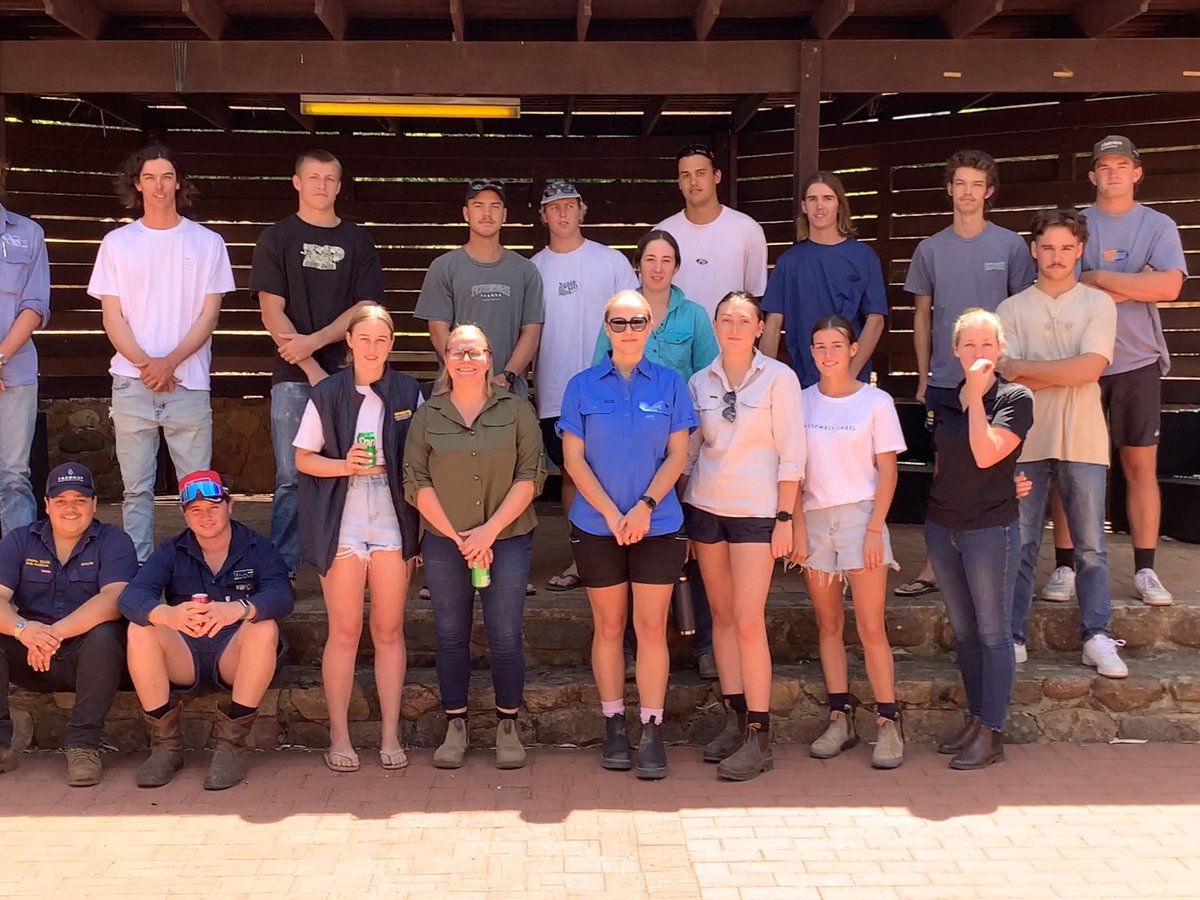
Week 1- International Women’s Day breakfast with a packed session with @shesonthemoney_ , then out to @MureskInstitute for my Associate Degree classes. Dropped in to say hi to Nic’s second year Agricultural Production Systems class, who all look very studious in the pics (posers)
Well, we’re back at Muresk with fresh new faces (and some less new) for 2023. Is it just me or does it feel earlier than usual? Either way, can’t wait to see what this year brings 💪
@MureskInstitute@CurtinEandA@Muresk
Don’t miss this great local opportunity to learn more about the @T90Program, an extension program supporting producers to implement best practices for sheep reproduction & management to increase lamb survival to 90% & beyond for singles & twins🐑
Details below 👇@CJSouth6