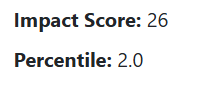
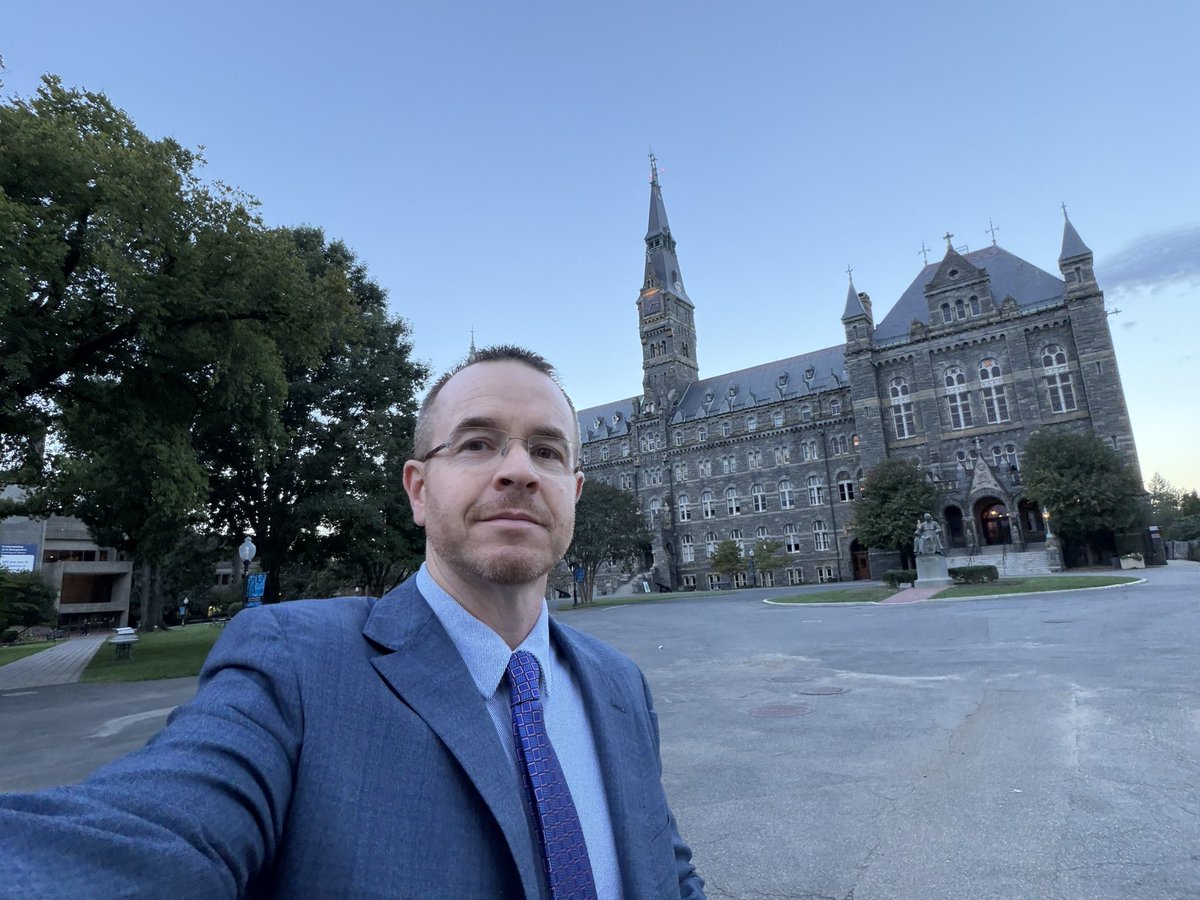
After submitting numerous #NIH R01 grants as an ESI (from not discussed to the 2nd percentile) and serving on multiple study sections, I've gradually learned a few things:
1. Despite the randomness, the NIH study section system is still relatively fair and rigorous in its review process.
2. Quantity does not lead to quality. Submitting many mediocre grants to increase the overall chance of success simply does not work. I only need one good proposal, and I should dedicate my attention to making it work. A grant is a proposal for what I aim to accomplish over the next five years. When I think about it clearly enough, the writing comes naturally. Preparing a grant really well also helps me sort things out for the future. It helps me correct my research direction upfront and saves government money.
3. None of the LLMs are helpful in writing grants (they can only be used to polish languages). They do not reason. They hallucinate. They fabricate. And we can tell it easily (in a study section).
4. Do real science, and people will appreciate it, sometimes.
5. I'm grateful to be in an environment where, despite the uncertainty in research funding, colleagues, mentors, and the department are always supportive. It really makes a difference.
6. Celebrate every small success, and always stay positive. 🙏
The UCSF Center for Malaria and Vector-Borne Diseases hosted its second annual research symposium with a lively day of lightning talks, presentations, panel discussions, and networking. Read more about the symposium: https://t.co/JIimBlTHMX
Important discourse @AdamYopp et al. Based on climate survey, clinical🛣️ would outnumber research🛣️ by what ratio? How adjudicated? How pick fellowships capable of supporting? Would we rotate this across like minded centers? Can we learn from ongoing SSTP 🗣️in GS? @JBMatthews
We are looking to hire post-doctoral fellows to work on somatic mosaicism, regeneration, and cancer development, please reach out to me if you are interested! @CRI_UTSW
Michelle Hsiang recently received a K24 Midcareer Investigator Award from the National Institute of Allergy and Infectious Diseases. Hsiang spoke with IGHS about what it means for her work mentoring early-career researchers in global health.
https://t.co/otVksDB48T
Parkland opened a new 56-bed unit today in what was previously unfinished space.
This opening, along with another new unit that opened in June, brings Parkland Memorial Hospital to more than 980 licensed beds — expanding our capacity to care for patients across Dallas County.
Excited for the launch of the Hepatic Artery Infusion Pump (HAIP) Program at UF Health! 🎉 A true multidisciplinary effort made possible by an incredible team. Grateful to have the best partner, Dr. Underwood, and an outstanding medical oncologist, Dr. Balasubramanian !
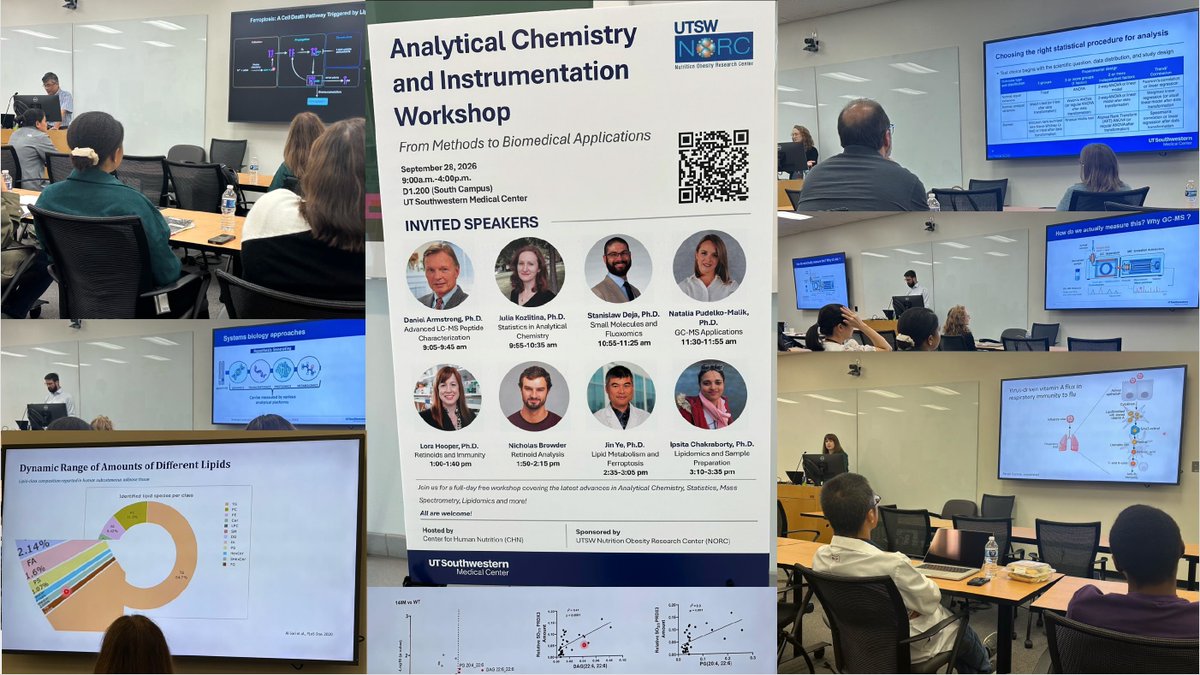
Exceptional symposium hosted by UTSW experts across modalities in analytic chemistry- an opportunity to learn, discuss available tools, and establish new collaborations
@UTSWMedCenter@utswcancer
Benjamin Levi, M.D., has been named Director of UT Southwestern’s Charles and Jane Pak Center for Mineral Metabolism and Clinical Research. Learn how he plans to advance research and collaboration in his new role: https://t.co/uwGdrn9cLz #MineralMetabolism
Today in the lab… AI as a wet-lab tool
AI is widely discussed in dry lab and analysis/coding. As a surgical resident who stepped into a busy basic science lab, I’ve found a useful, less-discussed role: learning and troubleshooting at the bench
#CancerResearch#AIinScience 🧵 1/6
Timely as September is Desmoid Tumor Awareness Month!
Management of this disease has evolved significantly in recent years- if you’ve been diagnosed with a desmoid tumor, it is important to have a care team familiar with current treatment paradigms.
@DTRFoundation
Congratulations to @IbrahimNassour, who has earned the 2026 Cancer Liaison Physician Outstanding Performance Award from the @AmCollSurgeons Commission on Cancer (CoC)! This award program recognizes outstanding performance by Cancer Liaison Physicians in their role as physician quality leaders of their cancer programs.
Read more: https://t.co/JXXfpPDFBJ
Great to see this trial open at UTSW (PI: @BadiyanMD)!
Can adding hypofrac, adaptive RT to SOC systemic improve outcomes in GEJ/esoph adeno?
In this Ph I study assessing feasibility/AEs, pts will receive PULSAR RT q2 weeks at escalating doses interdigitated w pre-op FLOT(D).
Breast cancer researcher and medical oncologist @ithinkichan, M.D., Ph.D., did a phenomenal job updating attendees at the @SusanGKomen Fort Worth Leadership Luncheon on progress in his lab that could lead to a significant breakthrough in our approach to metastatic breast cancer.
Join Matthew Porembka, M.D., & Inderpal Sarkaria, M.D., for the #UTSW Thoracic Surgery Symposium: Malignant Esophagogastric Diseases, Aug. 28–29.
Learn from experts and explore approaches to managing malignant esophagogastric disease.
Register today: https://t.co/4Ui4NeCENj.
Thanks @HalletJulie for joining us as visiting professor! I’m so impressed with how much you and your collaborators have moved the NET field in such a short time. You are a great model for trainees and young faculty to follow for building a successful academic surgical career
Huge thanks to the team at @UTSWNews and @AdamYopp for the warm welcome last week! Impressive & strong #surgonc program. A privilege to meet the residents, fellows & faculty, exchange ideas, and learn together. And always happy to discuss my favourite topic with anyone willing to listen 🦓