Somatic mutations accumulate in “normal” non-cancerous tissues (blood, skin, liver). But why are mutant clones selected? Do they merely proliferate more, selfishly? Or can clones adapt to disease? Could they protect tissues? We shed light on this: https://t.co/Vu1d4U3stc 1/10
The Ly Lab @CRI_UTSW is recruiting two #postdocs to study intercellular DNA transfer. Join us to tackle fundamental questions at the intersection of genome instability, cell-cell communication, and cancer evolution. Please share! 🙏
Full posting: https://t.co/INoSPaqx95
We have hundreds of PanINs in our pancreas, especially after age 40. They are a pre-cancerous lesion, but it is fortunately rare for one to progress to cancer (PDAC). Now we know a reason for that. The microenvironment. @umichmedicine@UMRogelCancer
https://t.co/Wl3Ys6kkzJ @CD_AACR
ONLINE NOW in @CellCellPress: @PeterLyLab has discovered large pieces of DNA can transfer directly between human cells & that DNA can persist, change how the recipient cell functions. Read more about this #relentlessdiscovery ⬇️ https://t.co/cmNRqAfXaR
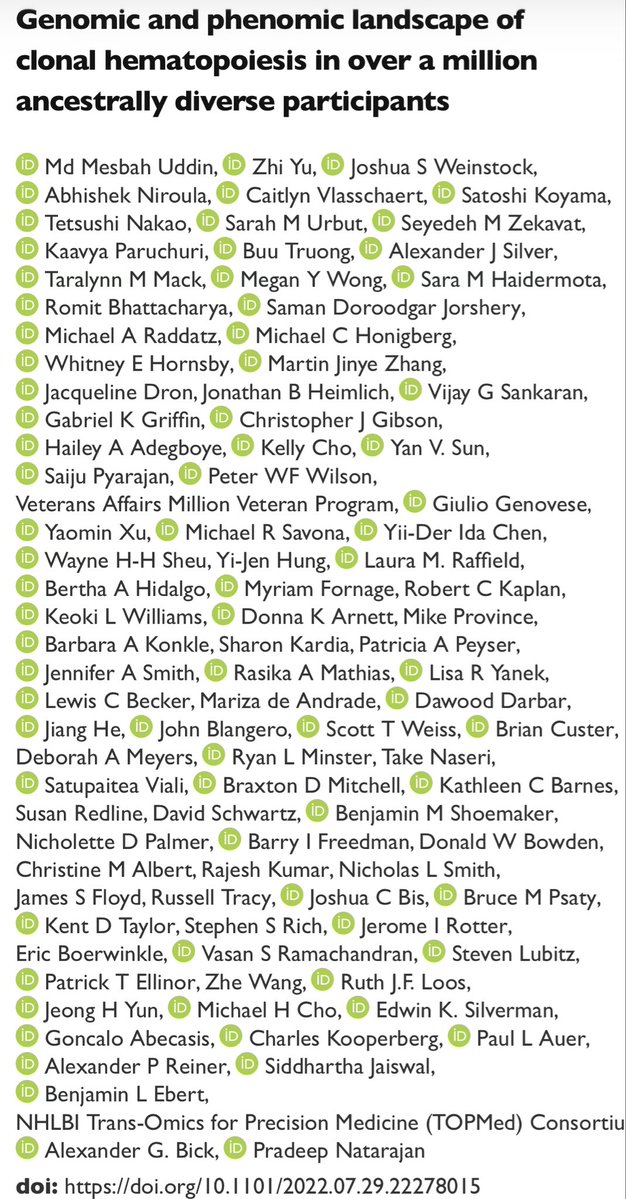
Our preprint led by @M_Mesbah_Uddin@ZhiYu_ACGT and with @AlexBickMDPhD describes the germline genetic drivers and phenotypic associations of clonal hematopoiesis of indeterminate potential across >1M individuals https://t.co/f5HDVlBeqr @medrxivpreprint
A gene is recurrently mutated in cancer. But do these mutations really cause the disease? Or are they merely selected during normal tissue evolution?
Here we use a surprising data type (patient ages!) to try and answer this question.
Read new paper out @NatureGenet
👇🏻
This week marks the release of my book Beyond Inheritance 🎉 📖. It tells the stories of patients with mysterious ailments who have been saved by a radical new view of genetics. And how whales can teach us about preserving our DNA as we age. Available now: https://t.co/7PAsddHAge
ONLINE NOW in @NatMetabolism: McBrayer Lab & first-author @milan95 have discovered cell maturity determines pyrimidine synthesis pathway preference using their new nitrogen metabolism profiling platform, organoid model. Read more ⬇️
https://t.co/6XDwzYynti #relentlessdiscovery
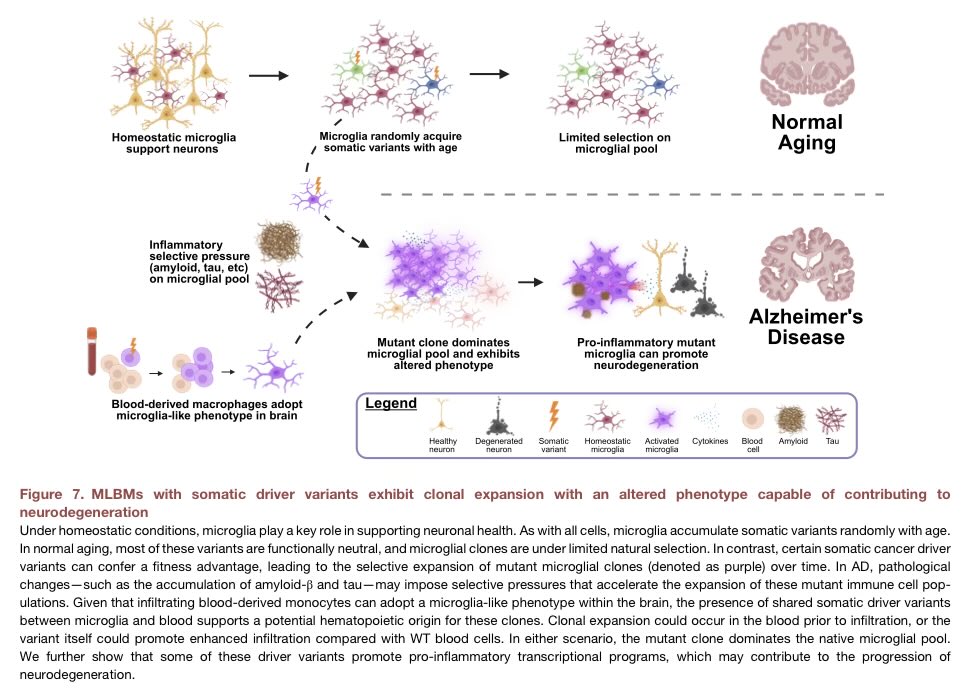
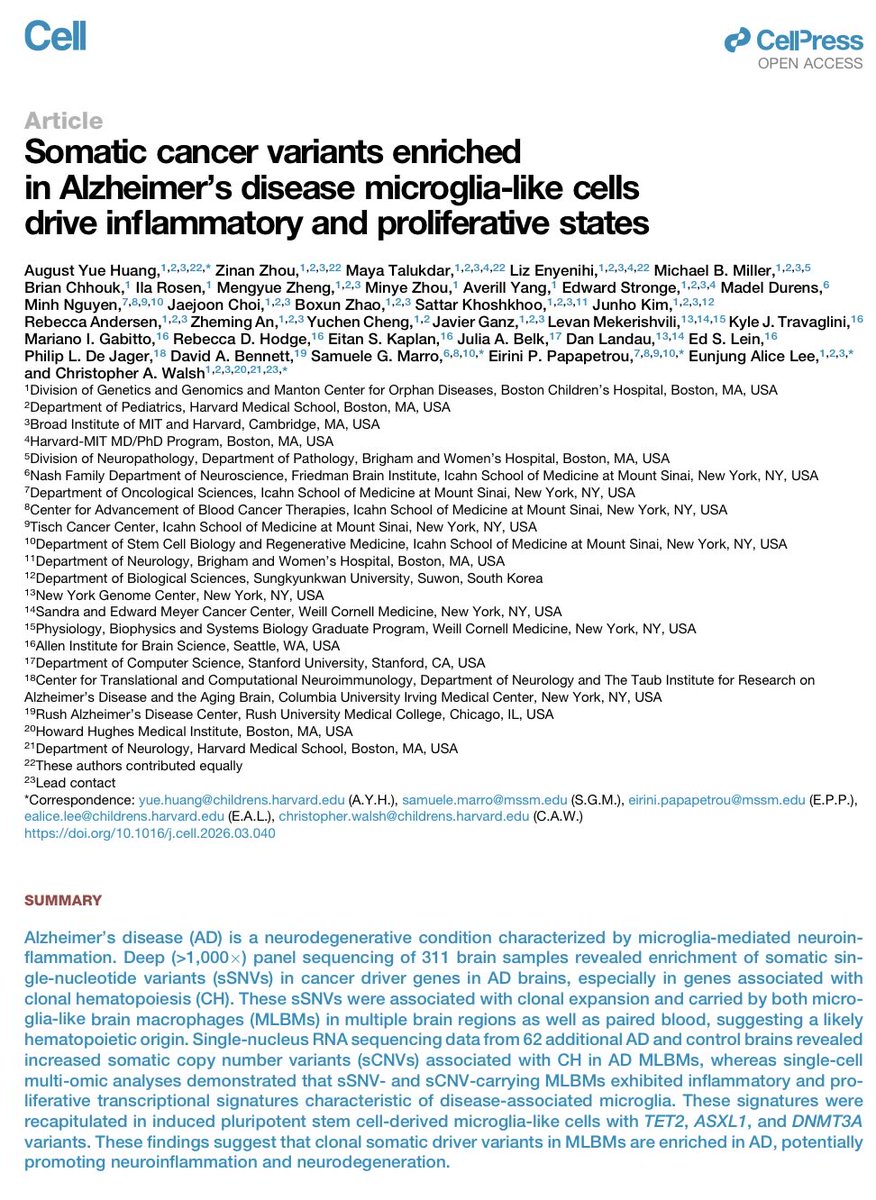
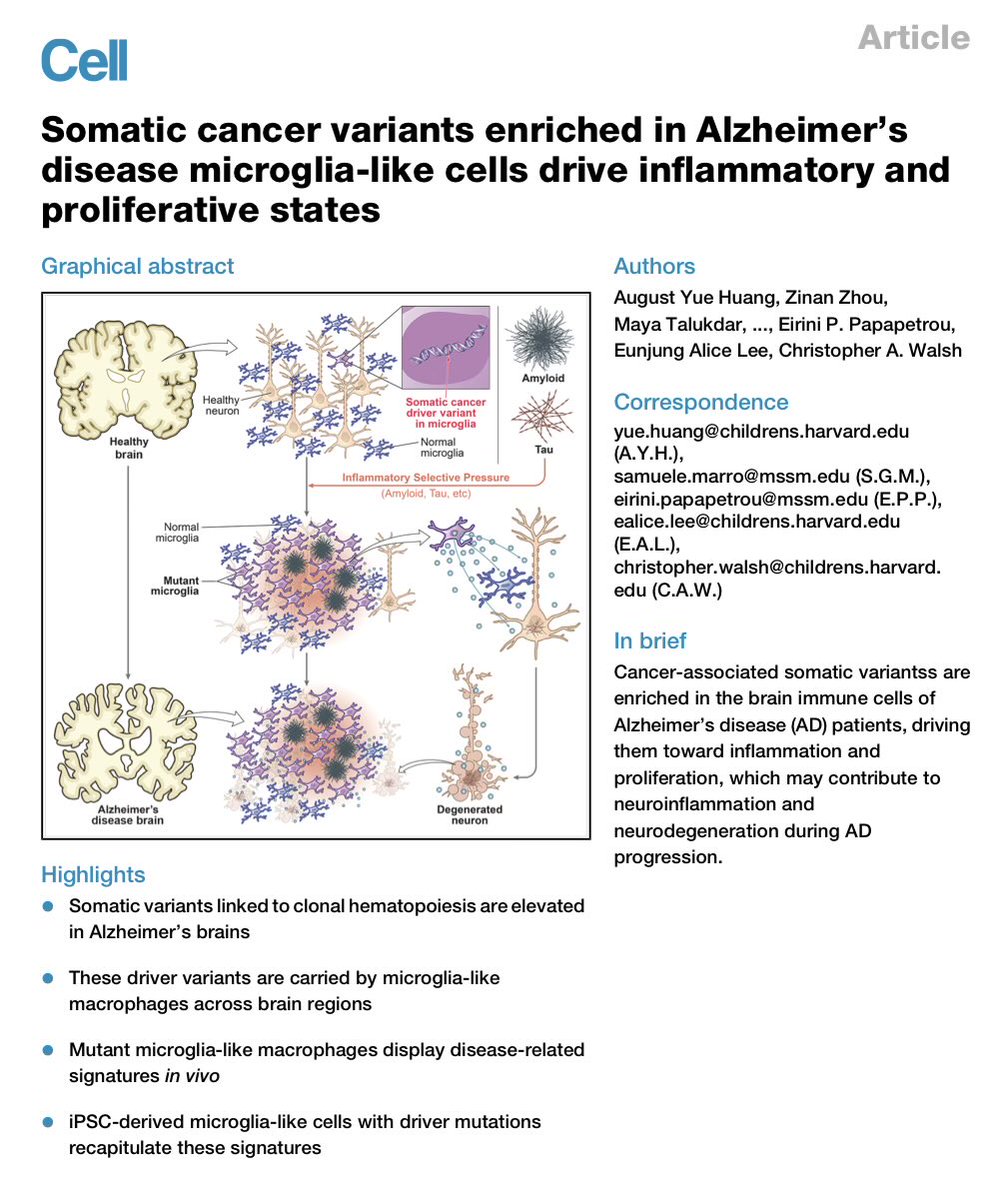
Cool work from @ChrisAWalsh1 showing enrichment of somatic driver mutations (in TET2, ASXL1, DNMT3A) linked to clonal hematopoiesis in hematopoietic-derived microglia-like brain macrophages in brain samples from pts w Alzheimer’s Disease v controls https://t.co/XZLB9UDJAz @CellCellPress
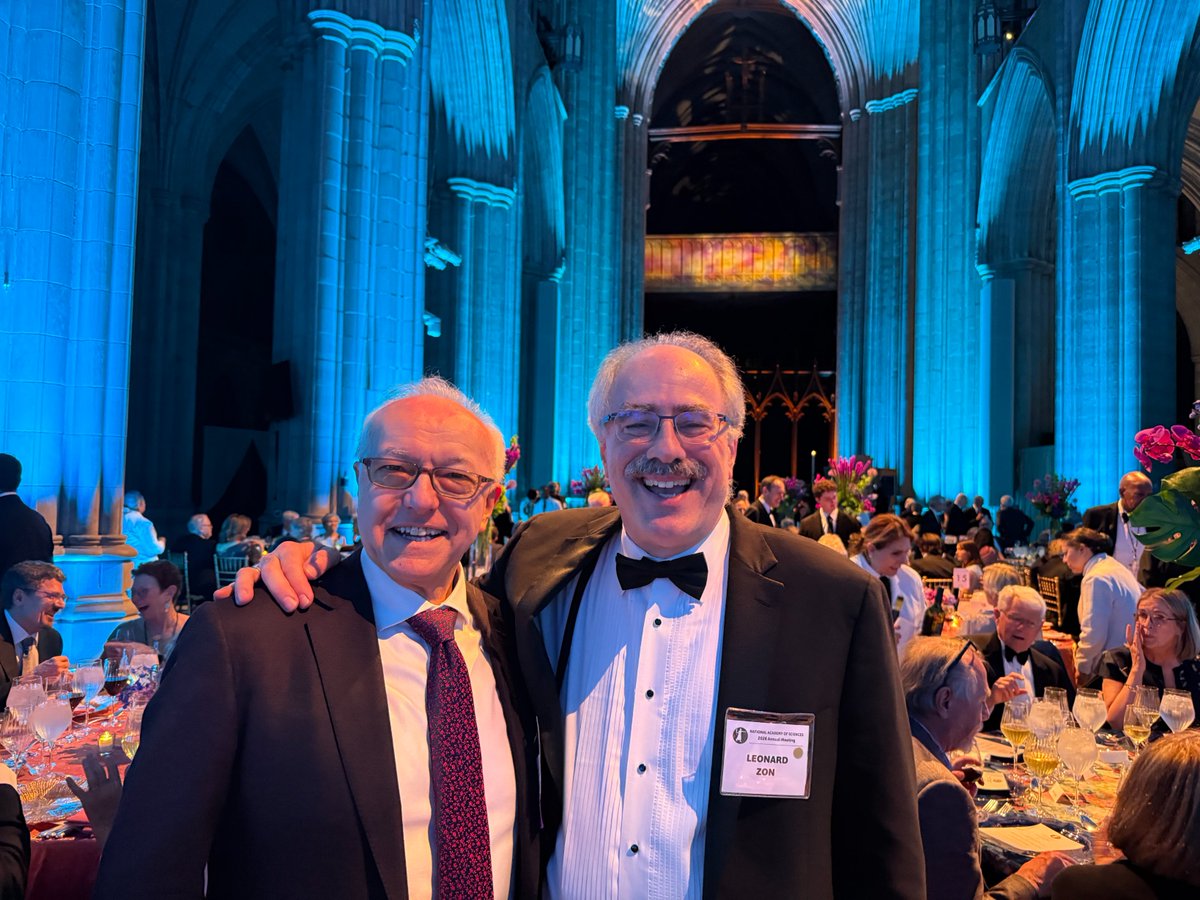
🌟From the desk of @SJMorrison_: It's a great day for CRI, which now has 2 @theNASciences members. Congratulations to Ralph DeBerardinis, M.D., Ph.D., and his laboratory on this recognition for the quality and impact of their work! #relentlessdiscovery
https://t.co/drqKPSLL3z