Ndindi Nyoro is one of the most hypocritical figures in Kenyan politics!! The only reason this statement exists is because Kenyans saw right past the BS.
What we are witnessing here is HYPOCRISY and STUPIDITY of the highest order. You cannot spend years cultivating the image of an alternative voice, positioning yourself as the intellectual conscience of government, then disappear when the moment of accountability arrives.
And then return with a carefully crafted statement about humility, patriotism and service.
We are being asked to believe that there was something more important than one of the most consequential votes affecting the lives of millions of Kenyans. There wasn’t.
Nothing was more important than that vote.
Absolutely nothing. Kwenda uko🚶🏿♀️WANTAM!!
There is something wrong with Luo Nyanza leaders and some of their supporters. Suba North MP Millie Odhiambo is asking where Kiambu County gets all the money to fund the projects being showcased. This is after seeing Governor Kimani Wamatangi building 26 new Level 3 hospitals across Kiambu.
Like other corrupt leaders in Luo Nyanza, Millie seemed to suggest that Mt. Kenya’s “entitlement” is denying Luo Nyanza development. Well, Millie Mobona, here is the answer to your question. Look at Governor Gladys Wanga, for instance. She is the only governor in Kenya with two offices.
She renovated the old governor’s office at a cost of KSh 200 million and launched it in 2023. However, it was apparently not opulent enough, and she went ahead to spend another KSh 1 billion to build a new office, which was opened this year by Kasongo.
Furniture in the new office, according to Homa Bay County reports, cost taxpayers KSh 10 million. That’s a whopping KSh 1.2 billion spent on constructing an office, excluding other costs such as furniture, staff, allowances, cars, carpets, and more.
Wanga is very vocal in shouting the “Tuko kwa serikali” slogan, while Wamatangi doesn’t need to shout allegiance to deliver results. In Murang’a, Kang’ata is utilizing every coin to develop his county. Mt Kenya leaders spend most of their time running county affairs.
While Luo Nyanza leaders are moving around with Ruto shouting “Tutam.” Luo Nyanza leaders are very corrupt and often use Mt. Kenya as a scapegoat for their own failures. Have you ever seen Wamatangi or Kang’ata standing on top of vehicles singing WANTAM or TUTAM?
Luo Nyanza leaders have completely lost focus. They are singing TUTAM more than even the Yamune leaders who are directly benefiting from the loot. In fact, ever since the broadbased handshake, Kalenjin leaders stopped singing Tutam because they knew fresh Mumus had taken over the slogan.
Engines roar. Dust rises. The world watches. This is where wildlife, breathtaking landscapes and motorsport collide to showcase Kenya’s spirit of adventure and excellence.
#SafariRallyKenya#MakeItKenya
Women in Export Trade Forum
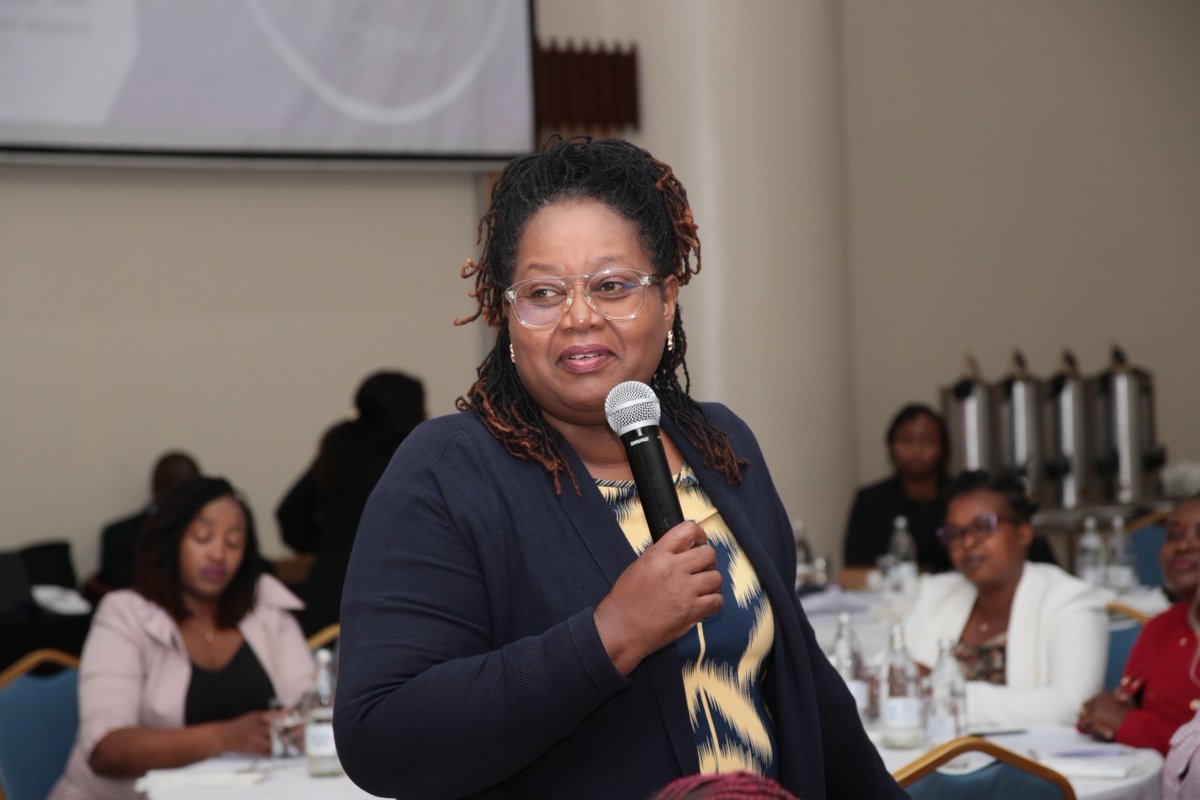
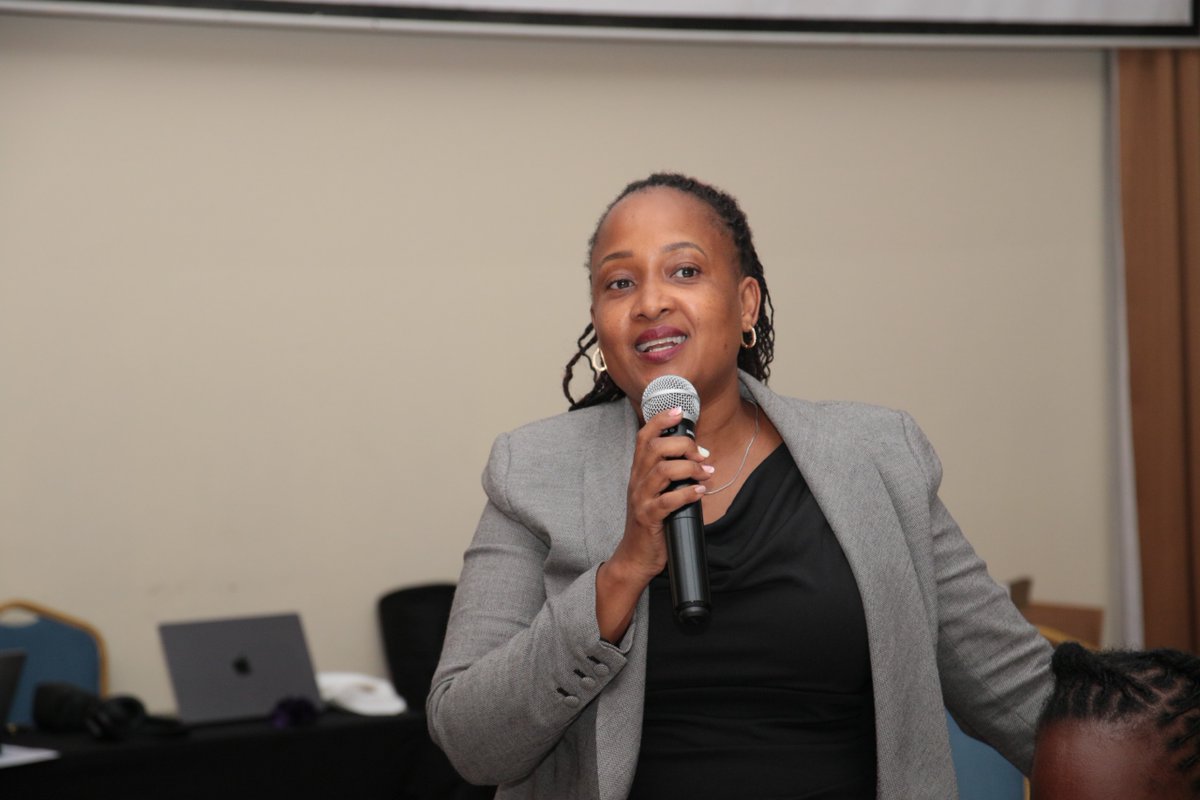
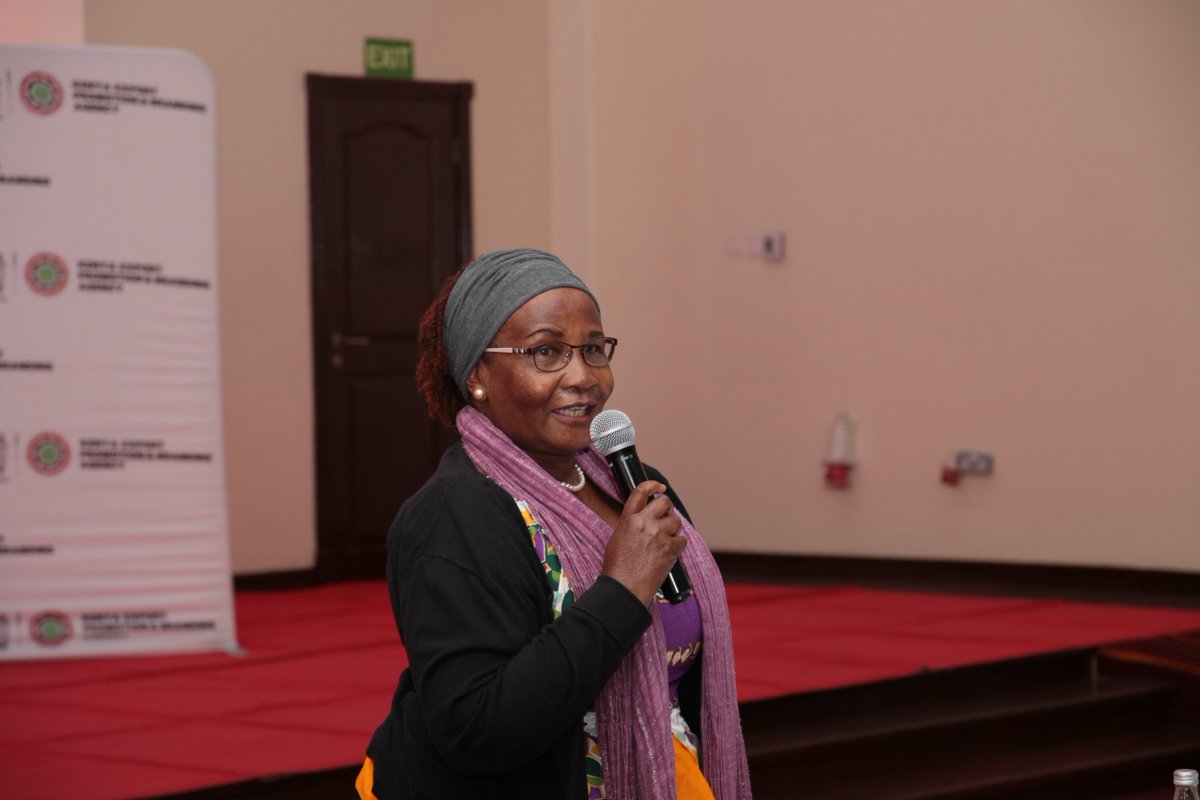
The Inaugural Women in Export Trade Forum is a flagship event designed to spotlight women-led enterprises within Kenya’s export ecosystem, address systemic barriers that limit their growth, and catalyse actionable partnerships to expand women’s participation in regional, continental, and international trade.
The event was graced by the Principal Secretary @Trade_Kenya, Ms. Regina Ombam, alongside @MakeItKenya Board Members Mr. Gerald Mwangi, Ms. Grace Muriithi, and Ms. Mulki Mohamed. Also present were Ms. Lucy Komen, CEO @wrscke, Ms. Esther Ngari, Managing Director @KEBS_ke and Ms. Salome Kavindu, President @OwitKenya.
#ExportAgendaKE
@MITIKenya
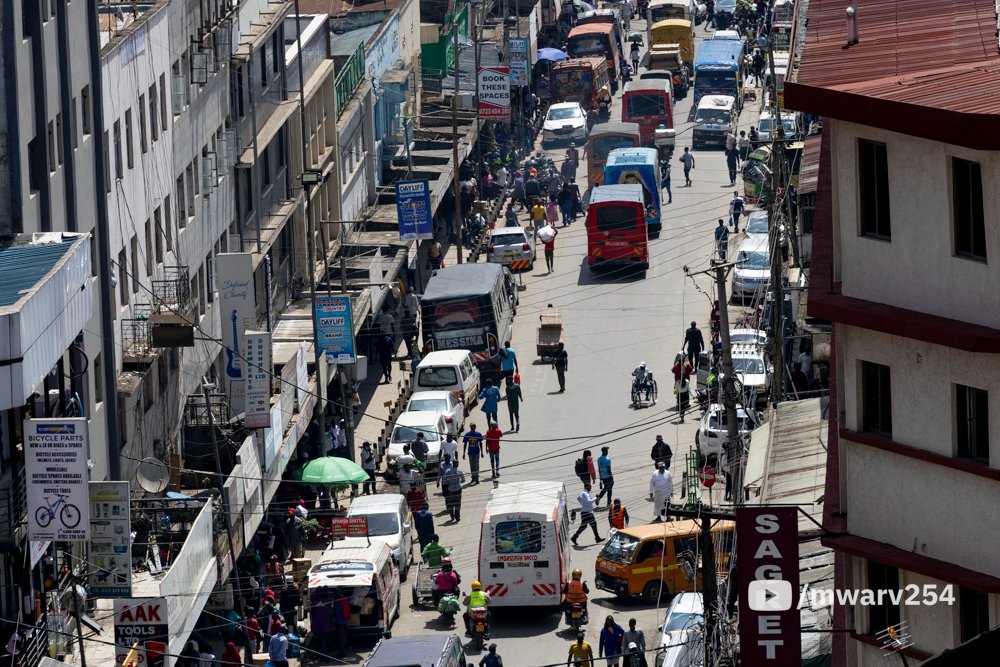
This is Kanairo.
Walking between Tom Mboya Street and Muthurwa with a camera isn’t something anyone can do fearlessly.
So I got together with @BoniMuthoni@mutahichiira@kesh_nthamba and Winnie and captured this rarely photographed side of Nairobi.
#HistoryKeThread: Karûri wa Gakure
—————
After Kinoo, westwards along the Nairobi-Nakuru highway is a place called Karûri.
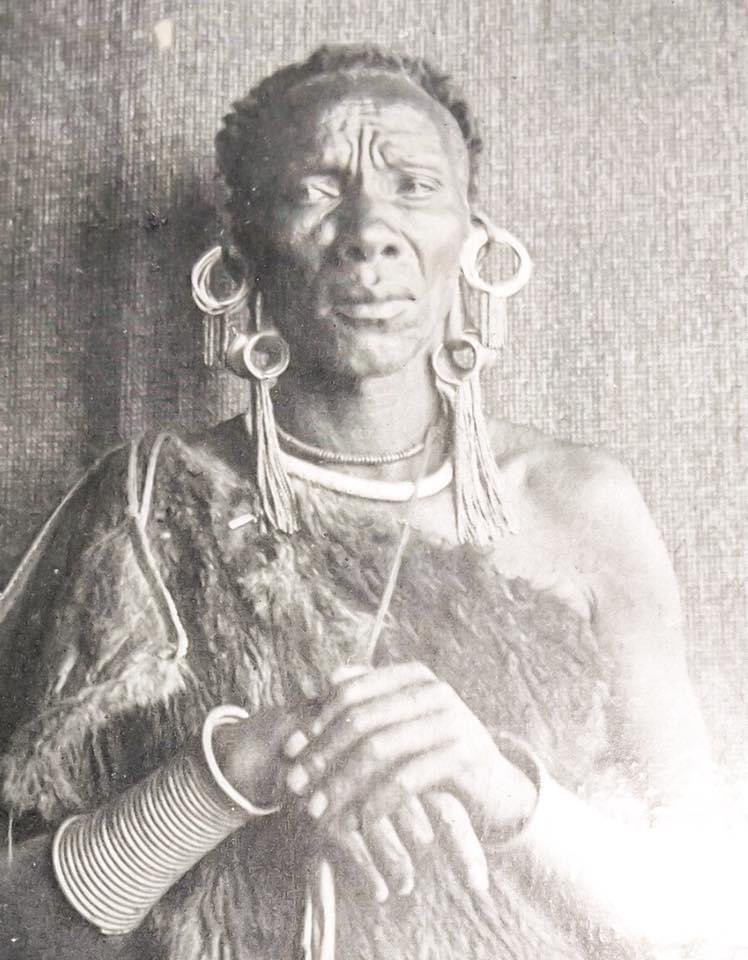
It was named after Agîkûyû chief Karûri wa Gakure (pictured) from Kangema, in present-day Murang'a county.
Chief Karûri made trading trips from his village, trudging with his caravan along the edge of the Aberdares towards Kijabe and Naivasha.
Interestingly, Field Marshal Mbaria Kaniu followed the same route from Kangema to lead Mau Mau activities in Naivasha.
Some early English explorers like the self-proclaimed King Of The Wakikuyu, John Boyes, traded wares like cloth and mirrors with him in exchange for guides or security.
Karûri also traded in ivory, with Arabs providing the markets for the commodity. The bulk of the ivory was sourced from elephants roaming the vast Aberdares ecosystem.
Some reports say Karûri had the mien of a king, and was carried aloft in turns by his subjects. That’s according to Boyes, who once stumbled on the chief’s caravan in the Aberdare forests.
As Karûri’s fame grew, some chiefs, such as Chief Wangombe Wa Ihura of present-day Mathìra, Nyeri, grew envious.
At one time Chief Wang’ombe raided and burnt villages that were under Karûri’s jurisdiction, inflicting a heavy loss on the enemy. There are some reports that Chief Wang’ombe‘s warriors were backed by morans of the Laikipia Maasai.
The attacks on Karûri caught his warriors off guard. He lost a lot of men and prized possessions of cattle and goats. To avert further loss, Karûri decided to evacuate some of his best remaining warriors deep in the forests of the Aberdares.
After Wang’ombe retreated back to his country with the war loot, Karûri was so devastated that he began to plot his own revenge.
The ensuing revenge attacks were so vicious on Wang’ombe’s chiefdom that he capitulated, opting to call for a truce.
Boyes, whom the Agîkûyû nicknamed Karîanjahî (owing to his alleged love for a diet of cowpeas), made reference to these wars in his book, The King Of The Wakikuyu.
He claims to have fought on Karûri’s side in the revenge attacks and perhaps with a tinge of exaggeration, spares little effort to ascribe the resulting victory to his martial guidance.
The author also describes his involvement in the rapprochement talks between the two warring parties.
Excerpts:
“Within a few days all the stolen property was restored to its original owners, causing much rejoicing among them, as they had, of course, never expected to see any of it again. Of course, I took precautions to see that no friction occurred during the process of retransferring the recovered property, and having invited some of the chief men of both districts to my camp, we got on quite friendly terms.....
...Seeing them sitting, eating and drinking together amicably, it was difficult to imagine that they had been cutting one another’s throats only a few days previously, but the Kikuyu, like many other African races, are remarkably changeable, and their temper can never be relied upon. As I learnt during my stay among them, they are both fickle and treacherous, and had it not been for my own people (Karûri’s men), I should have run great risk of being killed on several occasions, through trusting them too much....”
We also learn that Boyes relied a lot on Karûri in ivory trade with Arabs. Karûri himself took part in some of the caravans to Kikuyu and Fort Smith.
According to lore, along his many caravan safaris, Karûri courted, and subsequently betrothed, a number of young girls.
He often preferred that his caravan take a break at a spot in Karûri, which is what the area ended up being named.
A part-time medicineman, he was popular with the southern Agîkûyû as he helped prepare arrow poison for them in their wars against the Maasai.
Cont’d 👇🏽
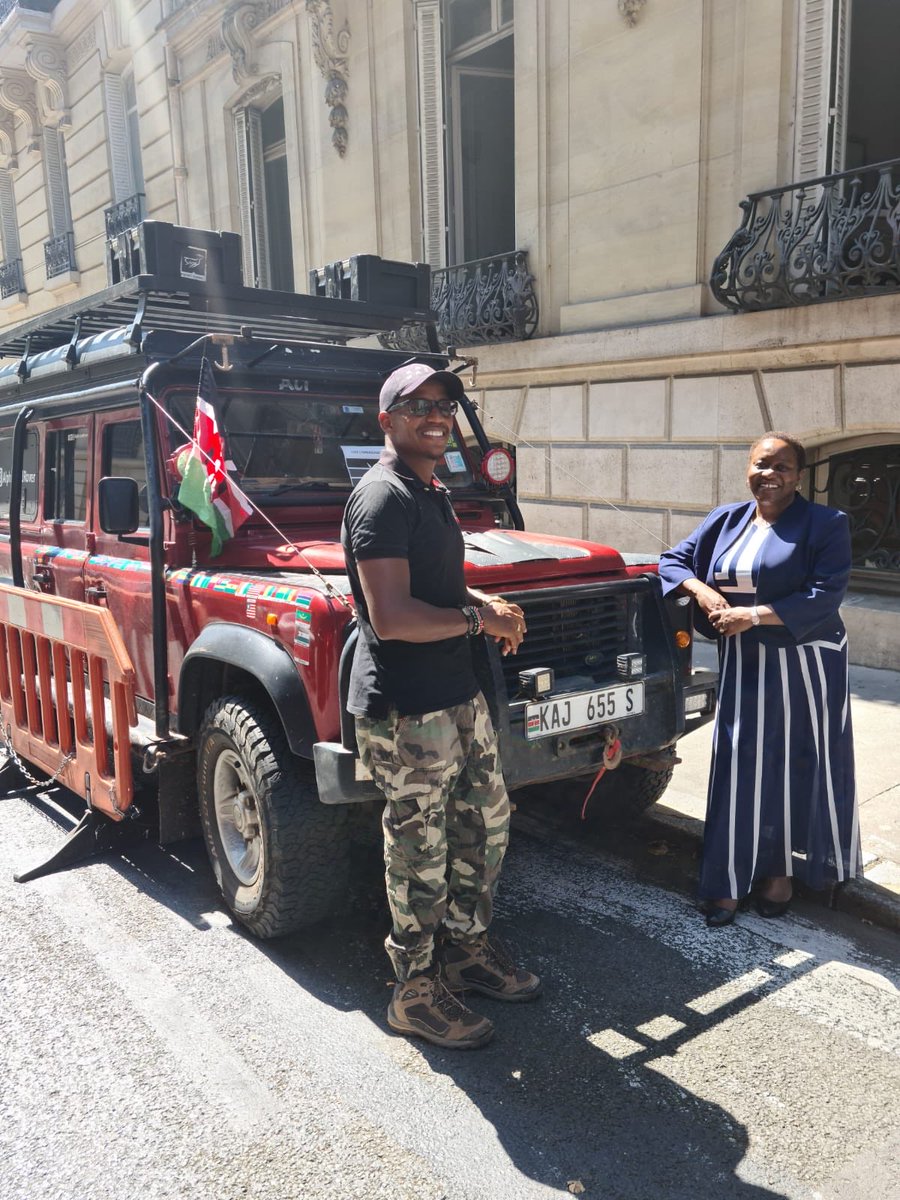
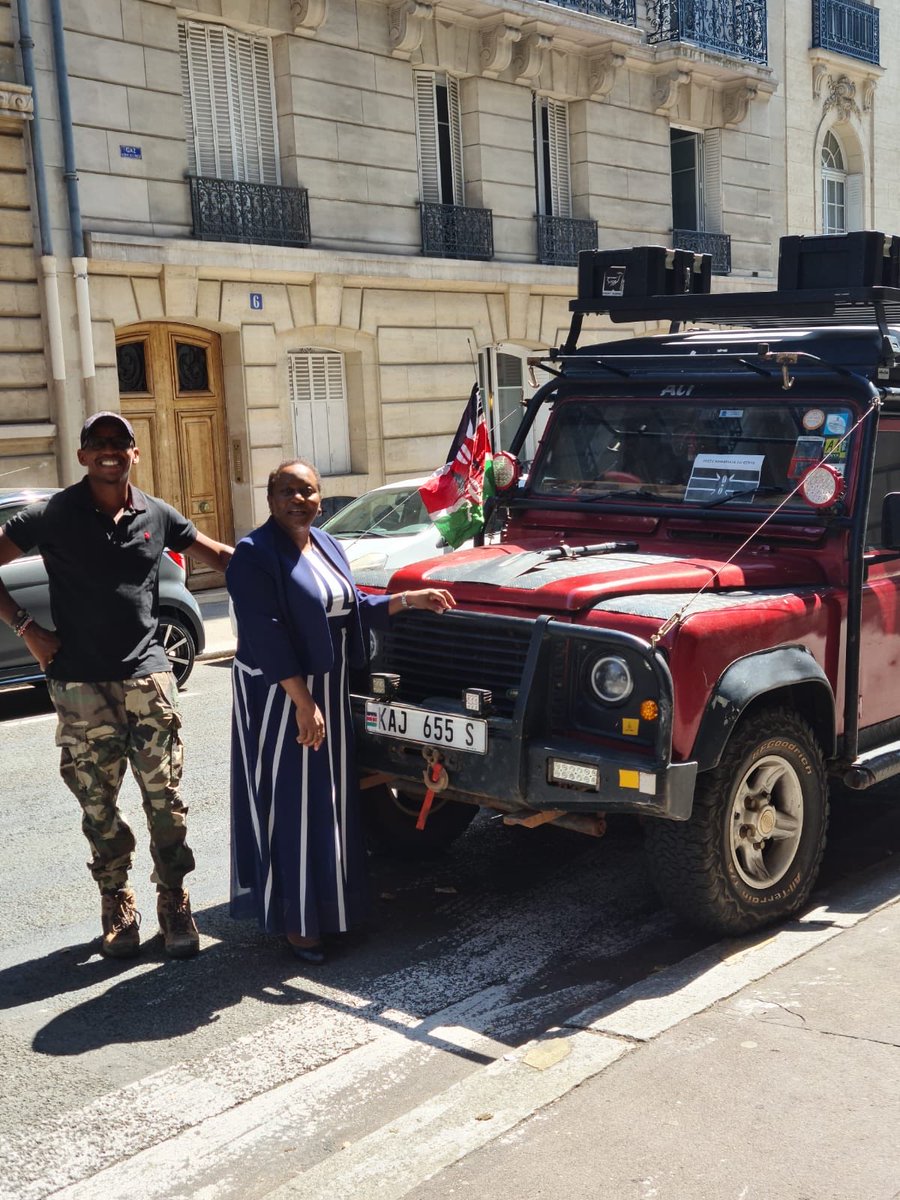
Exciting moment to welcome @AlphaLandRover to Paris! What an experience! What a great ambassador of Kenya carrying the flag to every corner. Breaking borders. Well done Kim Musau. Kenya Istahili Heshima 🇰🇪 🇰🇪 @Diaspora_KE