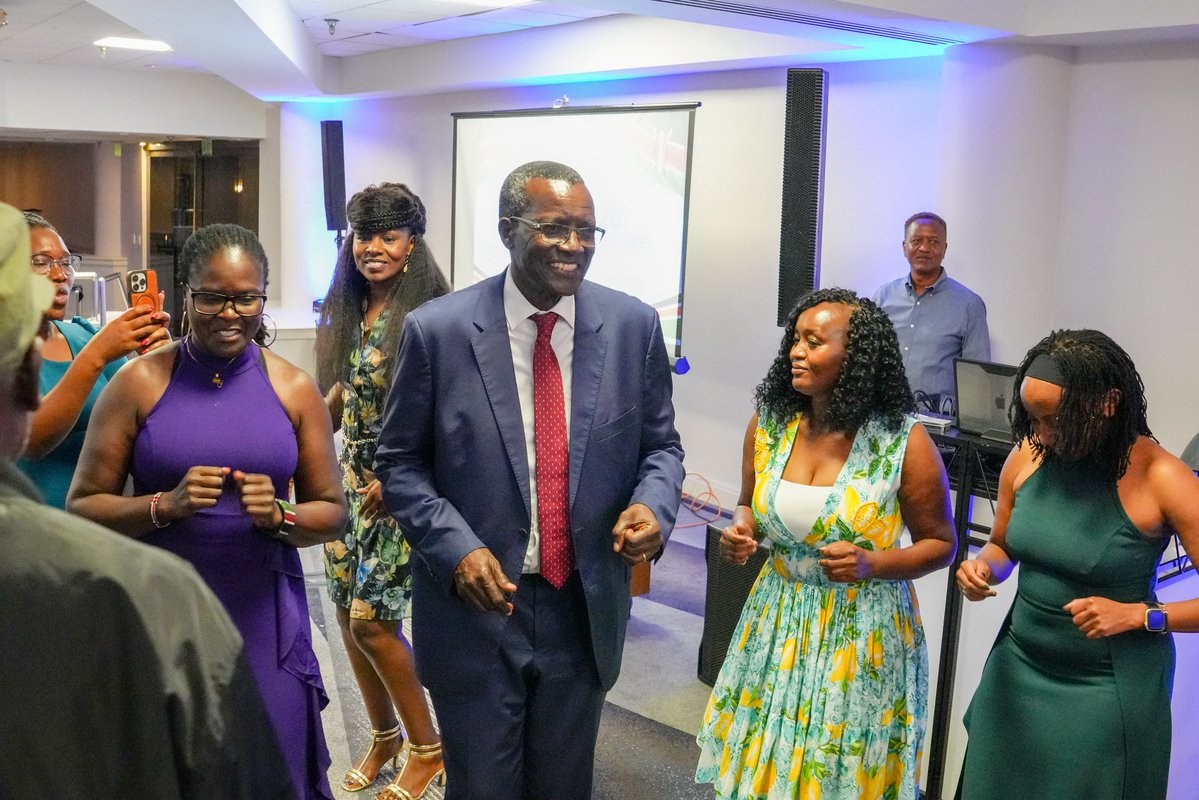
At #UNGA81, Douglas Bosire, CEO of @nsdcc_kenya, highlighted the leadership, advocacy, coordination, accountability, data and community engagement functions of UNAIDS and stressed “What among these core mandates that have brought us this far must we preserve?”
“Let us run these 200 kilometers together, with all the energy, let’s front load the efforts, and let us preserve the core functions of the Joint Programme in the hub and at the country level.”
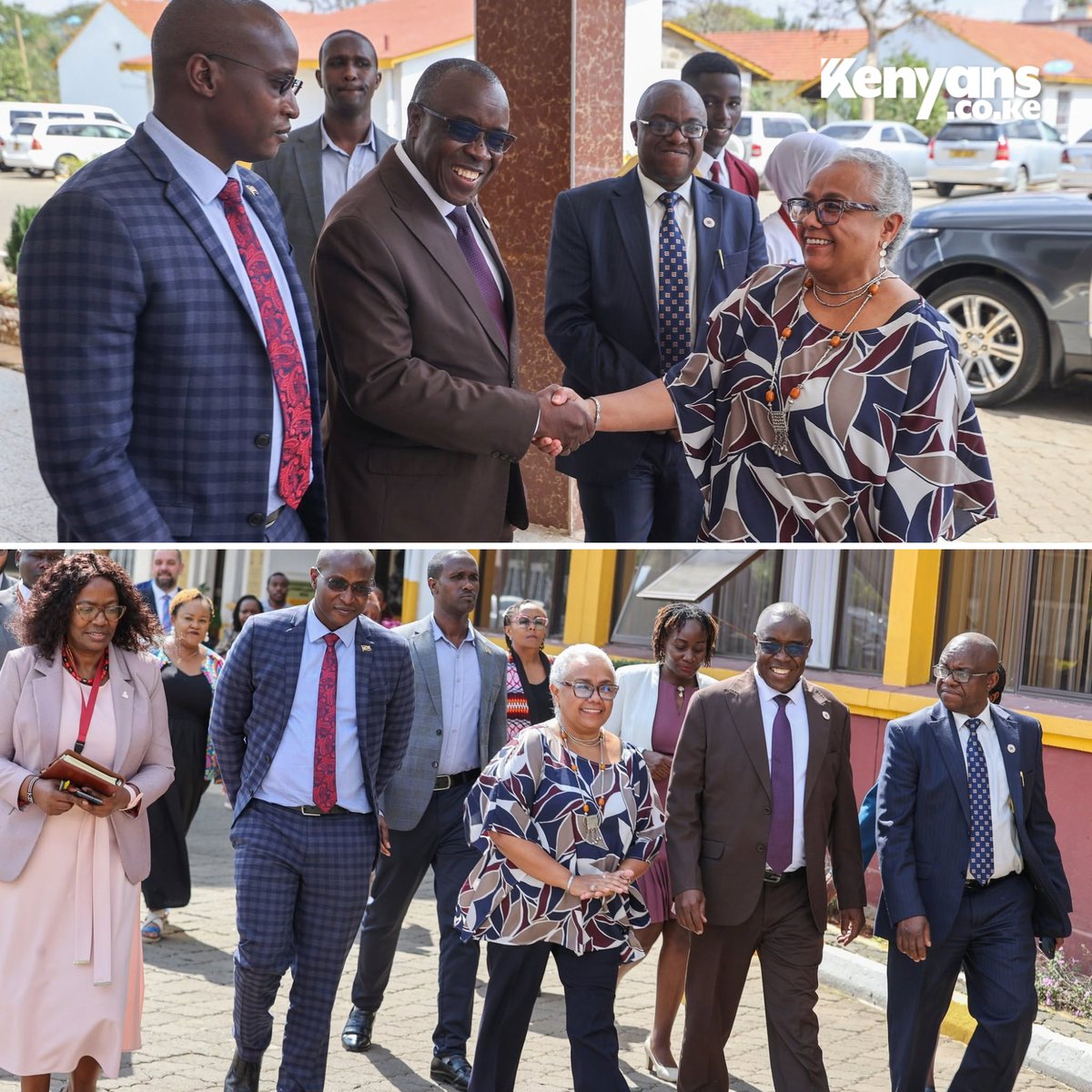
Former First Lady Margaret Kenyatta arrives at the KMTC Headquarters ahead of the 2026 Beyond Zero Nursing Scholarship cohort engagement at the Nairobi campus
Four years after assuming office, you are still talking about Uhuru. Were you given leadership so that you could talk about me or work for the people? - Uhuru Kenyatta
On Sunday, April 19, I told Citizen TV’s Sunday Live that I would not have signed the Government-to-Government (G2G) oil deal and called for the agreement to be made public.
President Yoweri Museveni has now revealed that Uganda was buying fuel through middlemen in Kenya and paying significantly higher premiums, raising serious questions about an arrangement presented as Government-to-Government.
Kenyans deserve transparency and accountability.
The G2G agreement must be published in full. The role of the middlemen must be disclosed and scrutinized. And the National Oil Corporation of Kenya (NOCK) must be restored to its proper role in securing supply and helping stabilize our fuel market.
When public money is involved, secrecy cannot be the policy. Kenyans deserve to know who benefited, at what cost, and why.
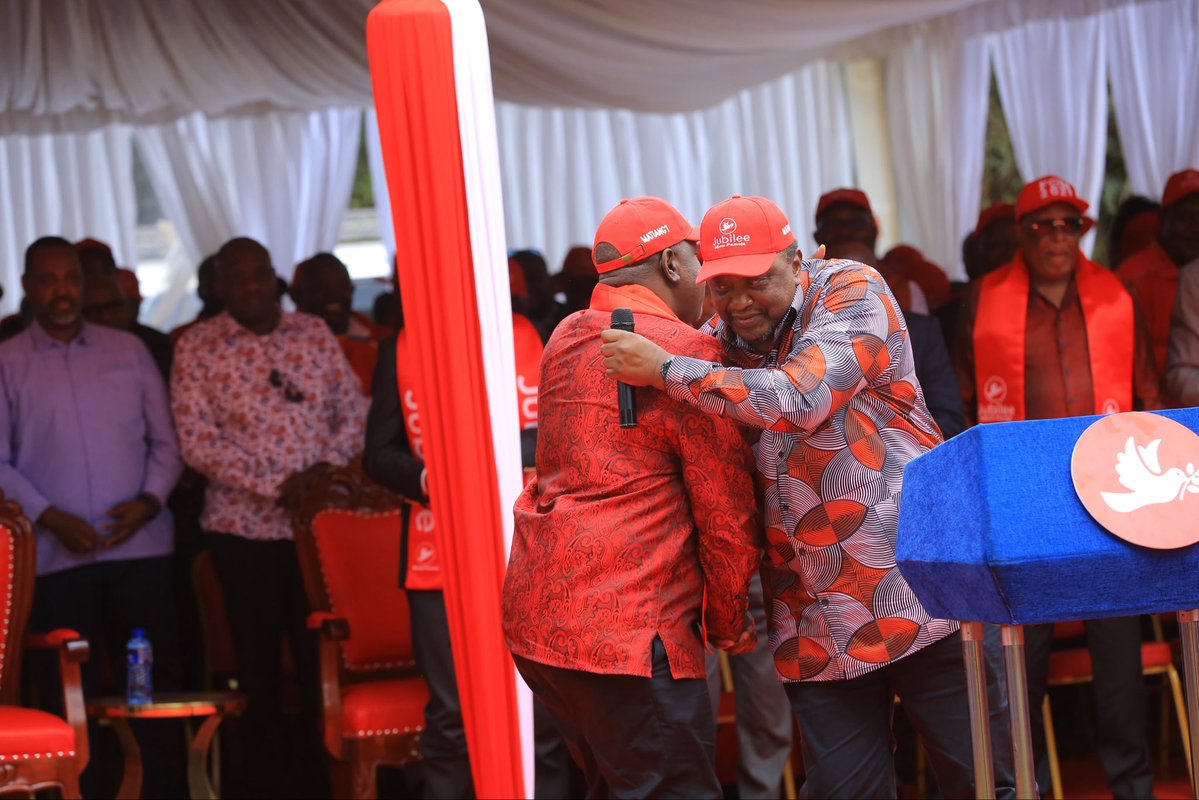
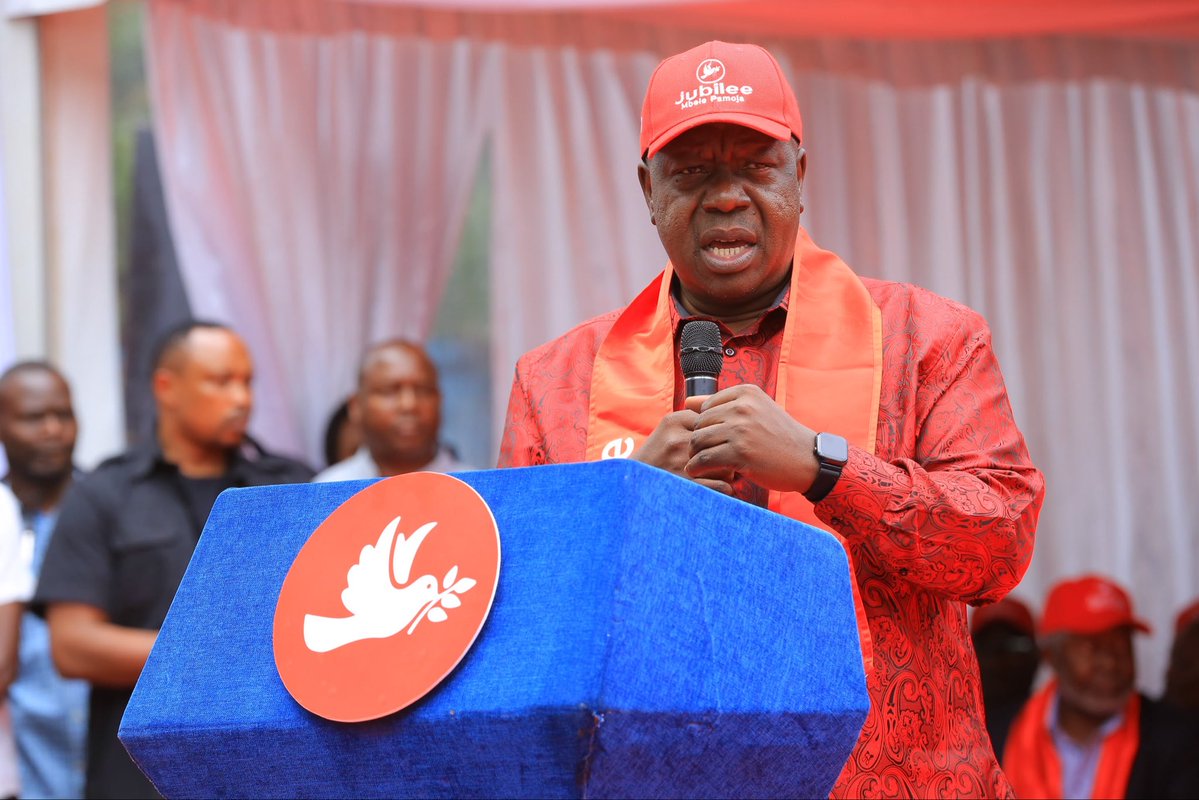
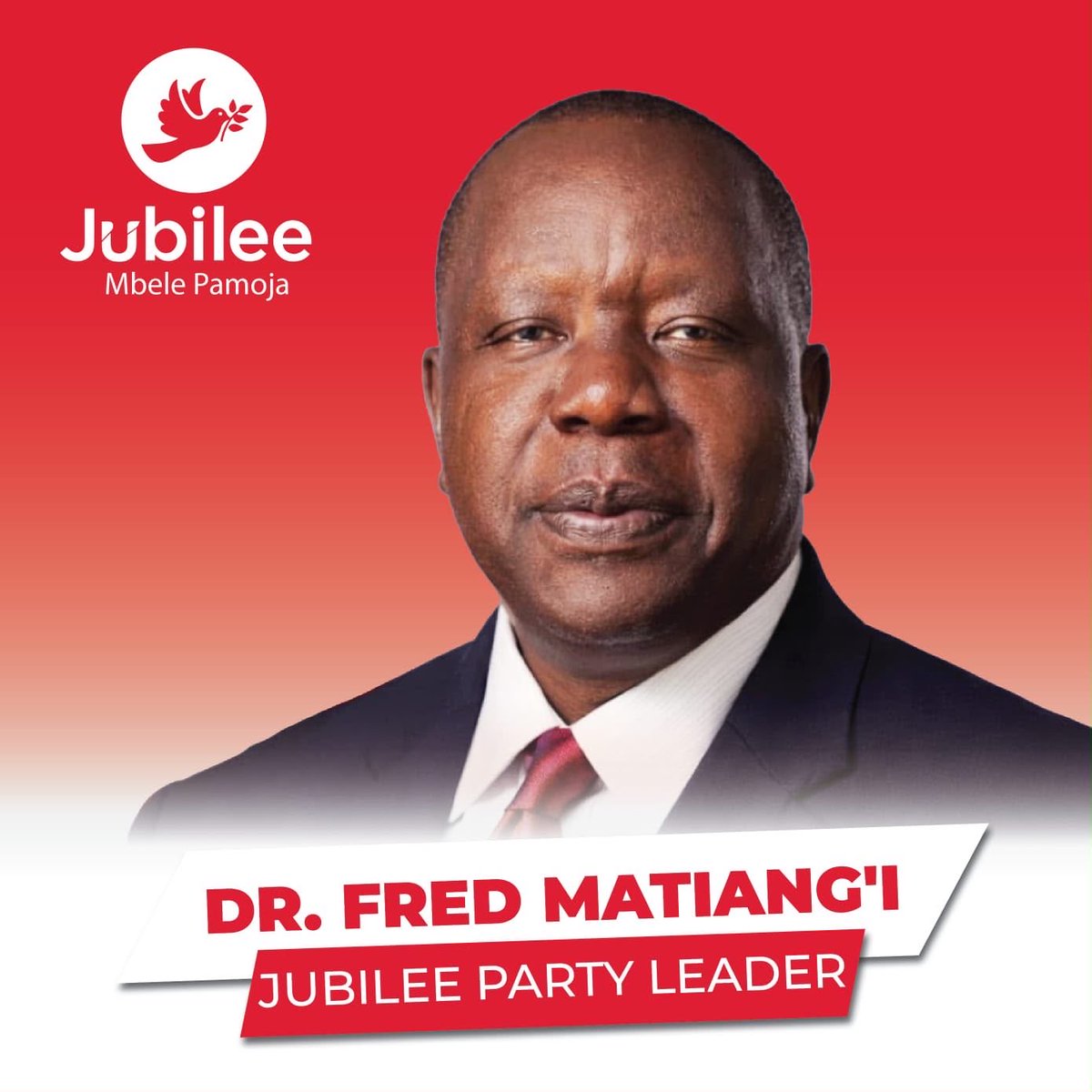
“We must move the party forward, and we must have a candidate. I have seen in Dr. Fred Matiang’i a leader who is a worker, is not corrupt, and knows his work.
I will continue serving the party as Senior Advisor, and I have relinquished the position of Party Leader to Dr. Matiang’i.”
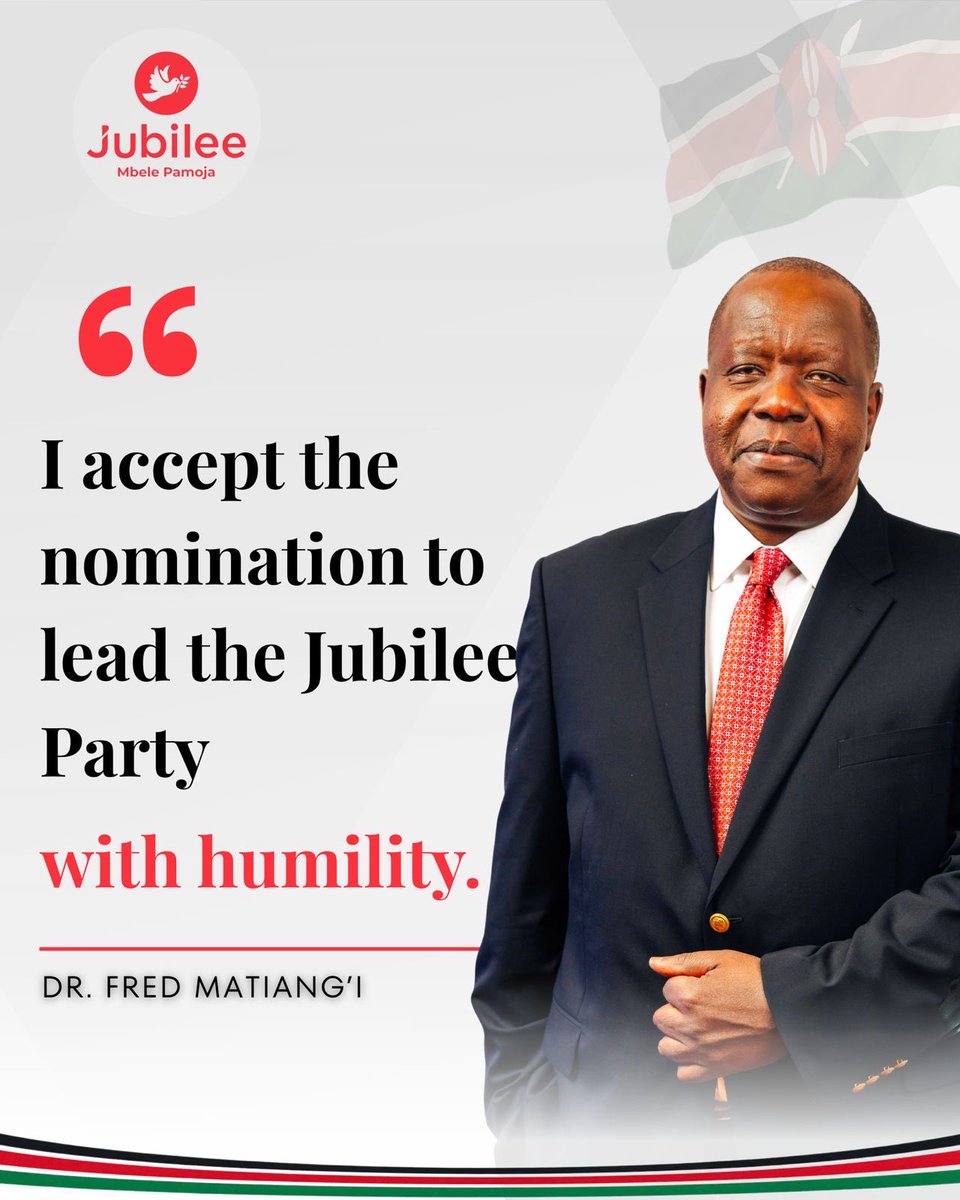
“I accept, with humility and honour, the nomination to lead the Jubilee Party.
I want to thank you and acknowledge the support you have given me over the years. I have learnt a great deal under your tutelage, and I thank God for the opportunity I had to serve under your leadership and to have a front-row seat to that service.
Throughout the many years I worked under you, I benefited immensely from your counsel, guidance and mentorship. This is, therefore, an emotional moment for me.
Frankly speaking, I never imagined that a day and a moment such as this would come in my life. But God knows our destinies, our journeys and the paths He has prepared for each of us.
I accept this responsibility with gratitude, humility and a deep sense of duty.”
I was impressed when I visited @afrithrive , a story of African food powering American medicine.
This exclusively organic farm in Maryland, is owned and run by the Kenyan couple, Prof Charles Choti and Dr. Truphena Choti, and Elizabeth, who manages the farms.
This farm showed me what food sovereignty can look like in practice.
Supported by government and grant funding, Afrithrive feeds hundreds of school children and a thousand low income families every week through its distribution centers. It encourages people to grow and eat indigenous vegetables, and equips new and existing farmers with the resources and technical knowhow to grow their own crops. It also works directly with local hospitals and dietitians to supply vegetables and fruits to patients who have been advised to eat more of them.
Around the world, more people are prioritizing sustainable agriculture, driven by wellness awareness, environmental concerns, and stricter regulation.
Industrial monocultures, excessive chemical reliance, and the corporate consolidation of seed patents threaten the livelihoods of farmers and the security of our food supply. Food sovereignty is fundamental to the wellbeing of any nation, Kenya included.
Our agriculture policies must make the health of our people our national wealth. We will subsidize the cost of food production, protect the rights of farmers, and safeguard our indigenous seeds.
This will reduce the burden of noncommunicable diseases linked to harmful chemicals in food production.
As a green party, @UGMParty will ban the use of harmful chemicals and herbicides that pollute our ecosystems, and support research through the Ministry of Agriculture into indigenous foods with medicinal value.
We must also adopt school feeding programmes that provide nutritious meals, promote good health, and keep millions of Kenyan children in school.
Food is a fundamental right, and keeping Kenyans healthy will be a top priority for my government.
#UkatibaCaravan
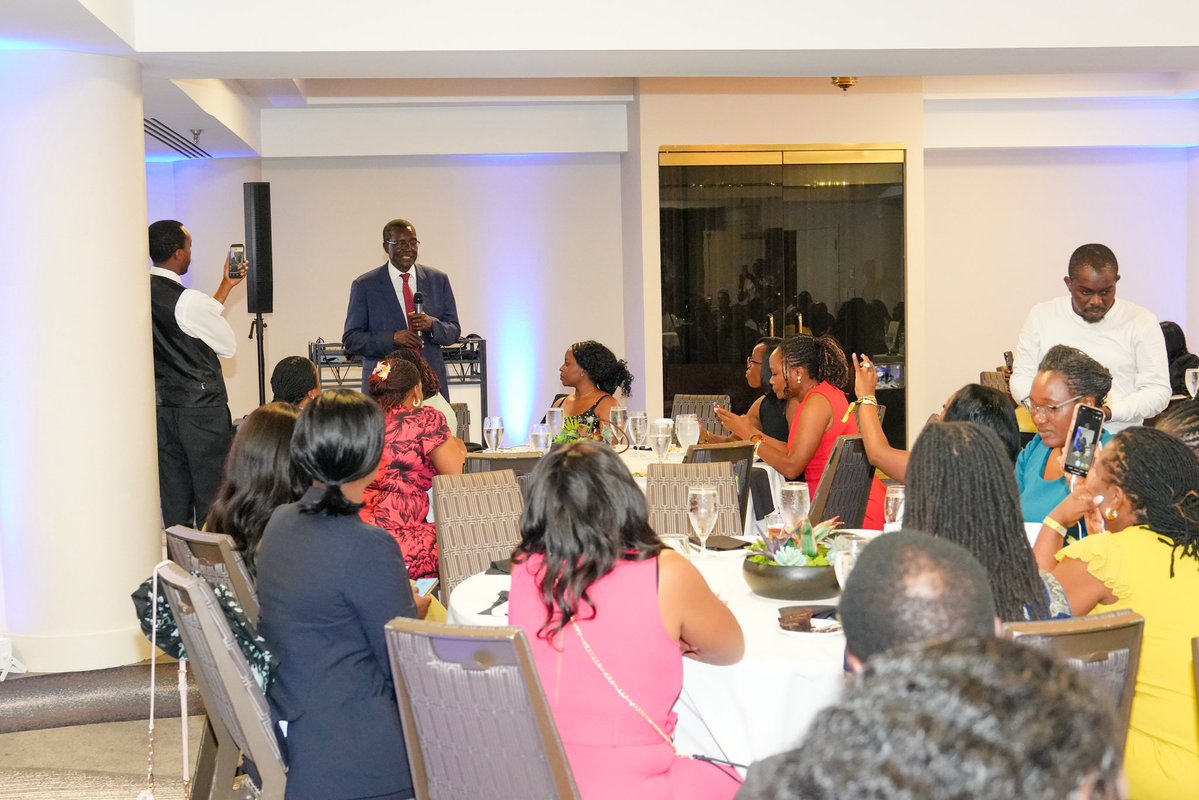
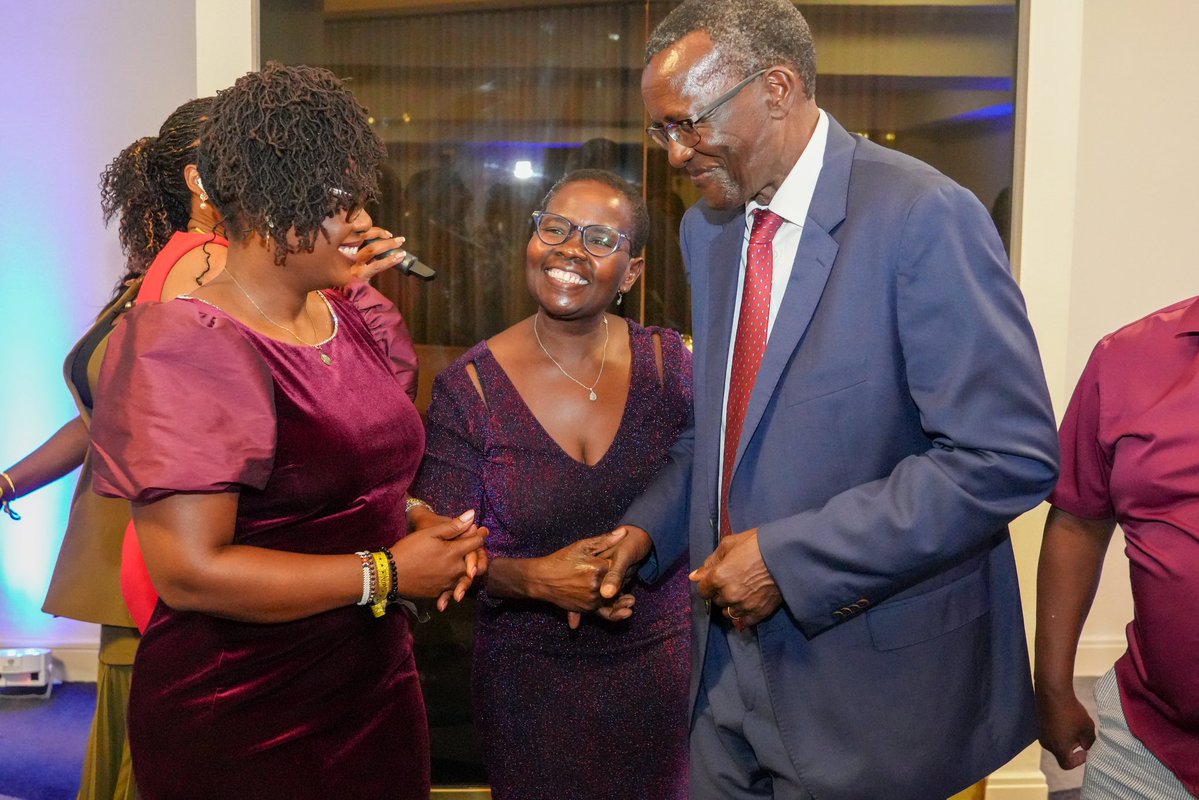
Thank you, KNAA for an incredible evening in Baltimore with Kenyan nurses from across the US.
My message was simple: the 2027 elections will make or break our beloved country.
We discussed how our failed healthcare system and corrupt SHA/SHIF transfers the costs to Kenyans in the Diaspora, who bear the greatest burden.
Following the recent launch of the People’s Forum on Elections Reform, we discussed accessibility of voter registration, electronic voting, dedicated representation in Parliament, and courts that prioritize property and land disputes for Kenyans in the Diaspora.
Let us continue to work together to reset, restore and rebuild Kenya.
#UkatibaCaravan #Healthcare
Live from munich Germany , ministry of transport kenya we need ICE means of transport. They move at a speed of 400km/h meaning from Nairobi to kisumu you can take 1hr .
What does buying into one of Africa’s biggest oil refineries actually mean?
As Dangote Refinery opens its shares to the public, we take a closer look at what could make the business appealing to investors, their interest and the potential risks they may need to consider.
We need better transport and logistics. We need more capacity to move large volumes of goods. We need to move faster with the modernization of our roads and railways. We need military mobility that improves our defense capability. We need more storage facilities, more renewables, development of region’s critical minerals, stronger trade links and stronger manufacturing cooperation. We need to build more interconnectors between our energy systems. And of course we need to bring much more investment into the Carpathian region, which is a natural European gateway for routes coming from the South Caucasus and Asia through the Black Sea. These routes are active today, and they will remain active in the future.
From the opening speech at the Inaugural C8 Summit in Ukraine. (2/3)