⚫️ Excited to announce the NeuroAI Symposium 2026! ⚫️
Bringing together researchers at the intersection of Neuroscience & AI 🧠🤖.
✅ Free registration
📍 Tübingen, Germany
📅 May 5, 2026
👉 Learn more & register:
https://t.co/mFPUzLfUjE
#NeuroAI
Your brain locates sounds in milliseconds, but how?
A new series Sound, Space, and Brain uncovers how neurons turn sound into space.
This episode shows how the brain encodes sound direction — and why it matters for hearing.
https://t.co/CupnHIte82
🎧Watch now on BaekToScience.
The symptoms of depression might come and go, but new evidence suggests that the pattern of brain wiring behind it remains the same for life https://t.co/vzjPZHu0te
🚀 Exciting news! We're thrilled to welcome 2 brilliant doctoral students in Tübingen to our Marie-Curie Doctoral Network! 🎓 Stay tuned for updates 🌟 #PhD#MarieCurie#ResearchExcellence
How the Brain Learns to Make Inferences
Researchers have uncovered new insights into how the brain constructs knowledge and makes inferences by analyzing neural activity during learning tasks.
The study, involving recordings from over 3,000 neurons in epilepsy patients, reveals that the hippocampus, traditionally known for mapping physical spaces, also forms complex cognitive maps crucial for reasoning and inference.
The findings highlight how the brain transitions from disordered to structured neural representations when making successful inferences, suggesting that both experiential learning and verbal instruction can create similar neural patterns.
This research could lead to better understanding and potential interventions for neurological and psychiatric conditions that affect memory and decision-making.
1/3
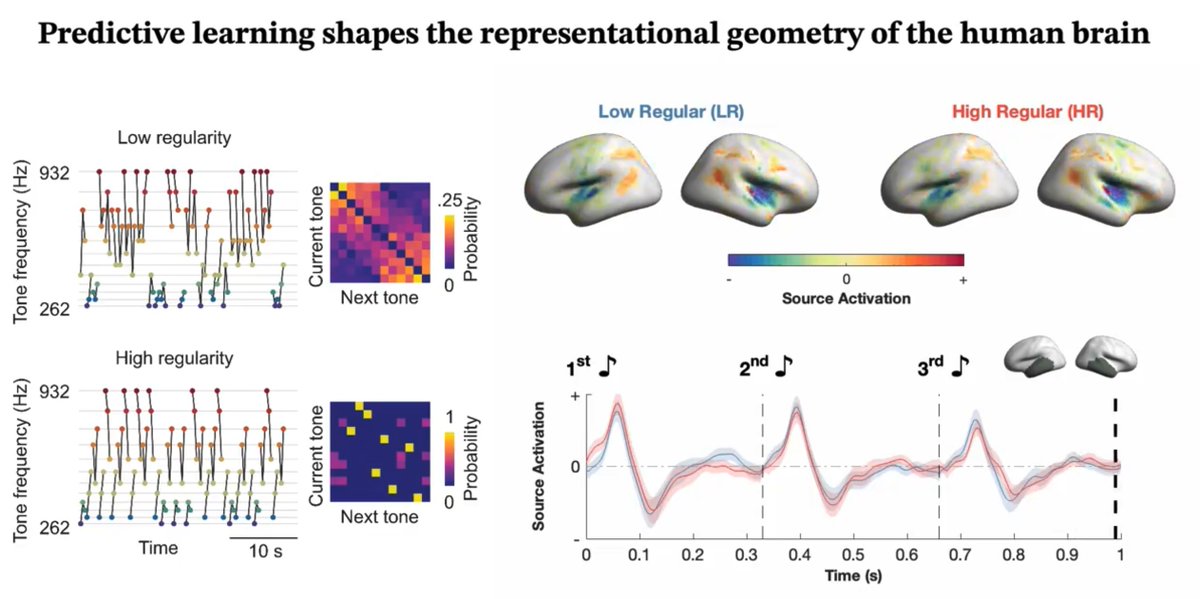
Thrilled to present our findings on predictive learning and representational geometry on the human 🧠 at #SNS2024 in Tübingen on the 26 September! 🎉
Link 👉 https://t.co/1tbfo0DHZL
Looking forward to enjoy fruitful discussions on system neuroscience advances
See you there 👋
🔵Tübingen SNS 2024🔵
Registration is still open for the #SNS2024 event on 26-27 September!
Join us for plenary lectures 🗣️, poster sessions📊and social events 👥 about system neuroscience!🧠
Special guest? The brain! 🙂
Register at 👉 https://t.co/uaVi6nQalP
Preprint out 🗣️ I am so proud to share our latest work, presenting new and compelling evidence on the impact of simulated visual hallucinations on high cognitive function #DeepDream#VR
🚨Preprint🚨
"Immersive exposure to simulated visual hallucinations
modulates high-level human cognition"
with @Clara__Rastelli, Andrea Ubaldi & @RivaGiuseppe
We explored how DeepDream-induced hallucinations 🍄 affect high-level cognition
Link 👉 https://t.co/cjSizjJU55
🧵👇
📢 The Centre for Integrative Neuroscience of @uni_tue is pleased to announce
2024 Tübingen Systems Neuroscience Symposium #SNS2024
Join us for plenary lectures, poster sessions and social events
on 26-27 September 2024, more info and registration 👇
https://t.co/TFsKxBhO6t
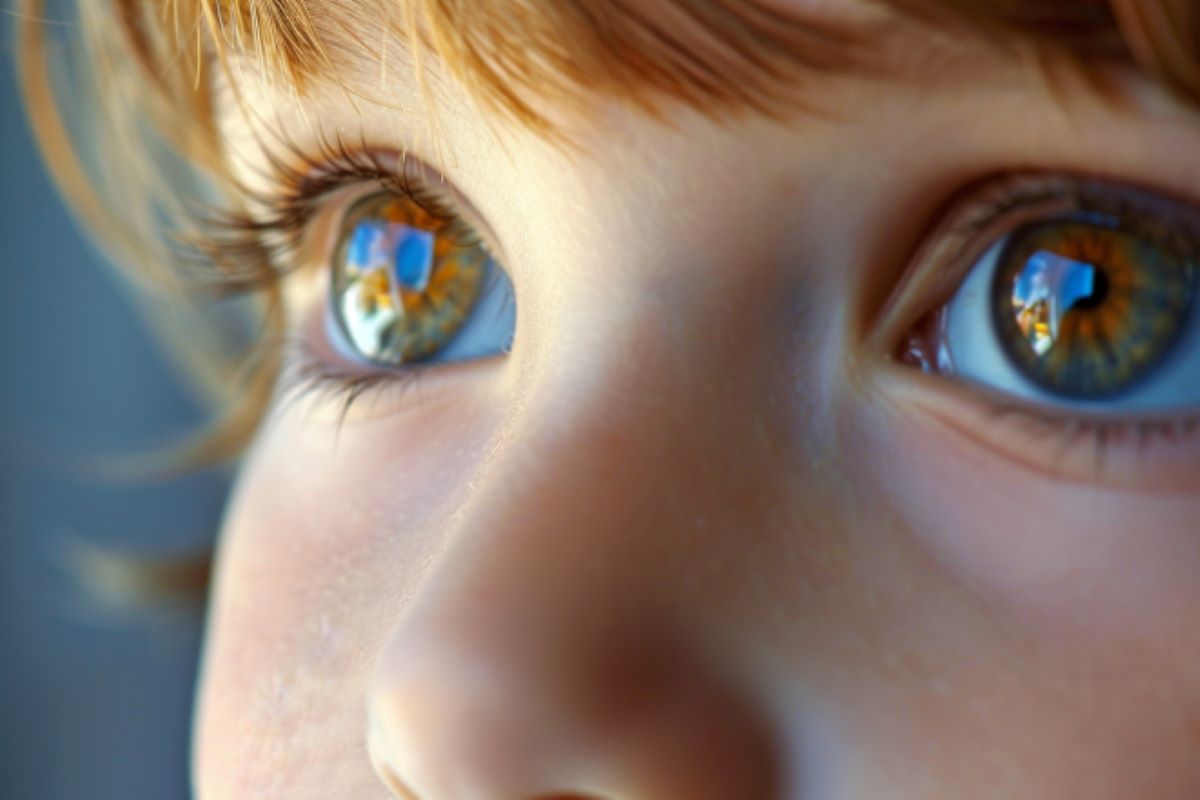
Early Autism Diagnosis Enhanced by Eye-Tracking Technology
Using eye-tracking biomarkers can significantly improve autism diagnosis accuracy in children.
This innovative approach, combined with primary care evaluations, achieved 91% sensitivity and 87% specificity.
By reducing long wait times for autism evaluations, this method allows for earlier and more effective interventions.
The study offers a promising solution to a growing public health issue.
https://t.co/q8RusthAsX
1/2
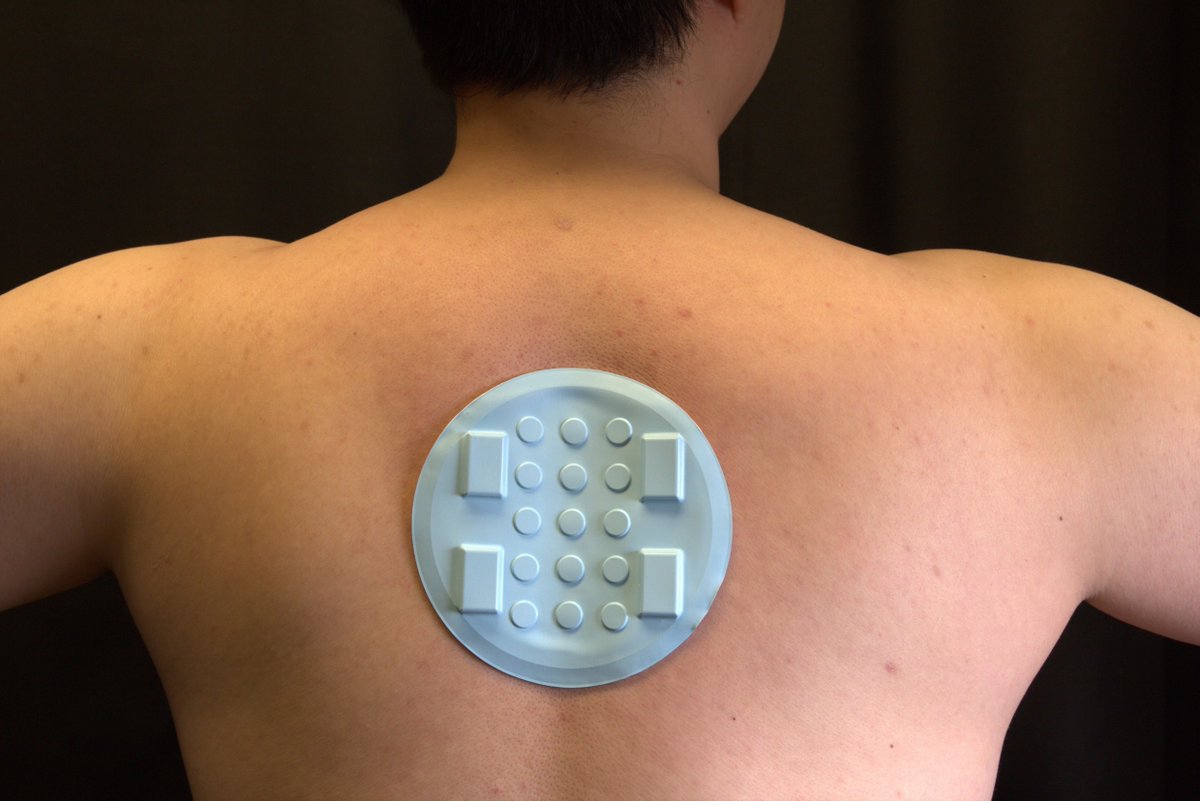
To be fully immersed in a virtual world, you must be able to feel that your body is present in the imagined world. A thin, flexible wireless platform can convey sensations of touch and temperature to human skin. In PNAS: https://t.co/AysCPmKG1s
Our @Neosensory research demonstrates the speed and accuracy with which people who are deaf or hard-of-hearing can learn to understand different sounds through their skin. #FeelTheSound
https://t.co/jcQEap4e9B
Delighted to share our new preprint! with @AlecMarantz, @DavidPoeppel and @JeanRemiKing:
https://t.co/ZHzAX7ksLV
"Hierarchical dynamic coding coordinates speech comprehension in the brain"
Summary below 👇
1/8