#FMR 75 on Dangerous Journeys is online.
It is a powerful call to reduce #deaths and #disappearances of #migrants and #refugees.
With insights and ideas from policymakers, practitioners, advocates, and academics.
Take a look. What is your next step?
https://t.co/yFNUZnlzAW
$6m gift to UNSW opens the door to university for refugee students. The HMJ Sassafras Scholarship covers tuition, accommodation and living costs for students from refugee and asylum-seeker backgrounds. https://t.co/XzzMEPEmdM
At #IMRF2026, the side event “Saving Lives & Missing Migrants: From Recommendations to Results” was a clear call: move from commitments to action. 🕯️🤝 Prevent deaths, strengthen search & identification, boost cross‑border cooperation, and engage families. #MissingMigrants#GCM
The Evacuations Research Hub @KaldorCentre@UNSWLaw is excited to offer two PhD scholarships in law to examine the role of evacuations in different contexts. Applications due 18 May 2026; details here: https://t.co/ab5zUYGWNk
‘Australia cannot protect everyone at risk in Iran, but no one is suggesting that’s our role. What we can do is provide at least temporary respite to people who’ve already been approved to work, study or visit family or friends here’ - read our latest post https://t.co/ljH1pHyWyP
Australian citizens stranded in the Middle East are desperate to leave. Is the government required to help? We canvassed this issue last year - and what we wrote then still applies. https://t.co/Uoxl0CTrg0
Deeply disturbing Australia supports the illegal US/Israeli aggression against Iran in violation of the UN Charter. This is not lawful self-defence against an armed attack by Iran & the Security Council has not authorized it. Preventive regime change is an international crime
A very important ruling by a Greek court that rescuing migrants at sea is a humanitarian, not a criminal, act, despite the callous efforts of some governments to say otherwise so as to encourage drowning at sea as a deterrent to migration. https://t.co/tR0tXoxzpV
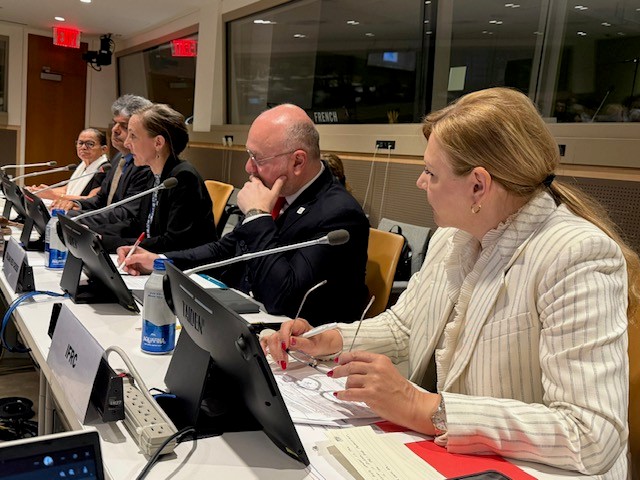
@IFRC, together with leading academic experts, hosted high-level webinars on 12 & 18 November to deepen dialogue on the Draft Articles on the Protection of Persons Disasters and the future #DisasterLawTreaty.
https://t.co/QTGV3g5R5T
https://t.co/XtiXUSFcid
https://t.co/jd26xDOGUd
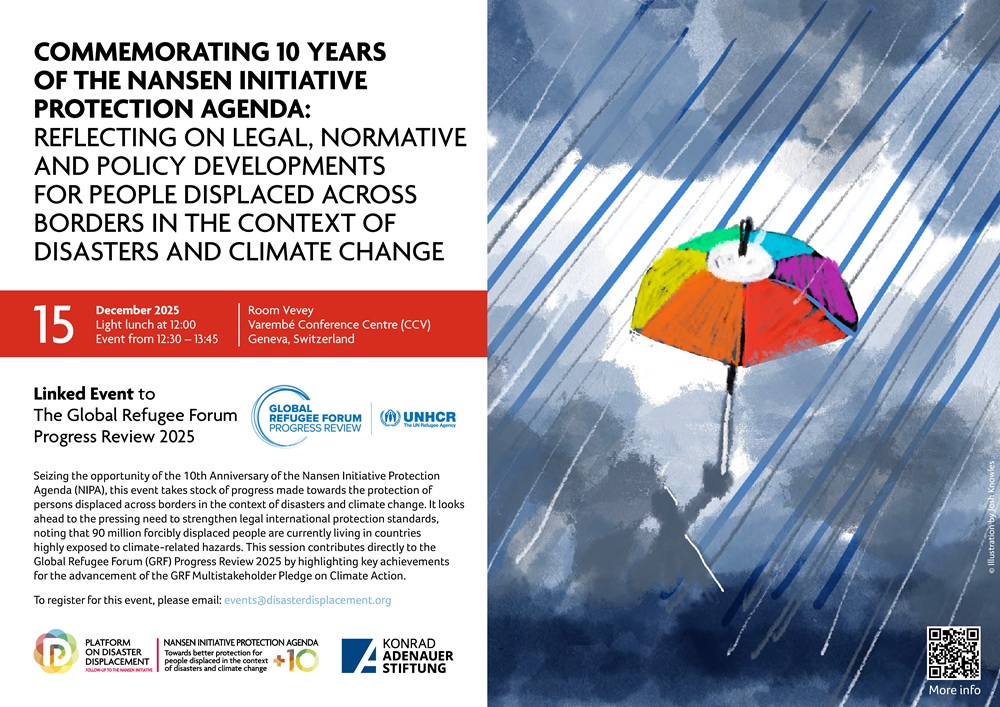
10 years ago, 109 governments endorsed the Nansen Initiative Protection Agenda on disaster displacement. In this podcast, Walter Kaelin - Envoy of the Chair of the Platform on Disaster Displacement - and I reflect on that time and what's happened since https://t.co/fbsrv96qSZ
At the Global Dialogue Platform on Anticipatory Action today, I shared a simple truth: most of the deadliest disasters were forecast, yet people still suffered. Early warnings only save lives when communities can understand them, trust them and act on them. That’s why anticipatory action is essential. It closes the gap between “we knew” and “we acted.”
If we want anticipatory action to succeed, we need three things:
1. Trust.
2. Decisions based on data and grounded in reality.
3. And a people-centred approach. Always.
Because a crisis is never about systems.
It is about people.
Anticipatory action remains a top priority for the @IFRC as we work to build a global system that is Local, Everywhere. And we know it works. The response to Hurricane Melissa showed us what is possible.
Together, we can turn warnings into action and protect lives and livelihoods.
Our Anticipatory Action report: https://t.co/kWtUnaFLrv
Severe floods are hitting Southeast Asia - Malaysia, Viet Nam, Indonesia and the Philippines.
Hundreds of thousands displaced, homes submerged, and communities cut off.
Red Cross teams across the region are evacuating families, delivering aid, and supporting relief efforts.
Climate impacts are accelerating and communities need support now.
46 million displacements last year were forced by floods, storms, droughts and heatwaves, nearly double the past decade’s average. Climate mobility is no longer a distant threat. It’s now.
Today, at #UNGA80, I joined a discussion on Turning Evidence into Action: Leveraging Climate Mobility Blueprints to Unlock Climate Finance.
Key takeaways:
- No one chooses to flee their homes or communities: we must expand safer, more dignified choices, so people can stay or move on their own terms.
- Communities, local actors and authorities must drive outcomes.
- Resources must reach communities and local actors
- Invest in building climate-smart communities
- Preparedness and early action matters, including early finance: they reduce harm and enable choice.
Let's act on our words.
Deeply concerned after Sunday’s incident, when the Ocean Viking humanitarian ship was struck by multiple gunshots.
Thankfully, no individuals were physically harmed. However, this serious event has jeopardized the safety and well-being of both our humanitarian personnel and the rescued individuals on board.
Today, humanitarian workers operate in increasingly perilous environments, often putting their own lives at risk to save others. Their mission must be respected and protected at all times.
The Ocean Viking has long been a beacon of hope in a vast, unforgiving sea. Humanitarian operations must always be protected.
In 2024, disasters and the impact of climate change forced millions of people from their homes across Asia Pacific. Displacement isn’t a future risk, it’s here now.
Our new @IFRC report shows the scale of the crisis & the power of local action. Read more: https://t.co/Glz6GXCajr
The @theIPCinfo has issued a stark alert: The worst-case scenario of Famine is currently playing out in the Gaza Strip. Latest data indicates that Famine thresholds have been reached for food consumption in most of the Gaza Strip and for acute malnutrition in Gaza City.
Over 20,000 children have been admitted for treatment for acute malnutrition between April and mid-July, with more than 3,000 severely malnourished. Families are suffering.
The food crisis in Gaza is no longer a projection, it is unfolding now. Every hour counts.
Once again, we urgently call for full and unhindered access, and the entrance at scale for humanitarian aid. https://t.co/70kF9klOHP
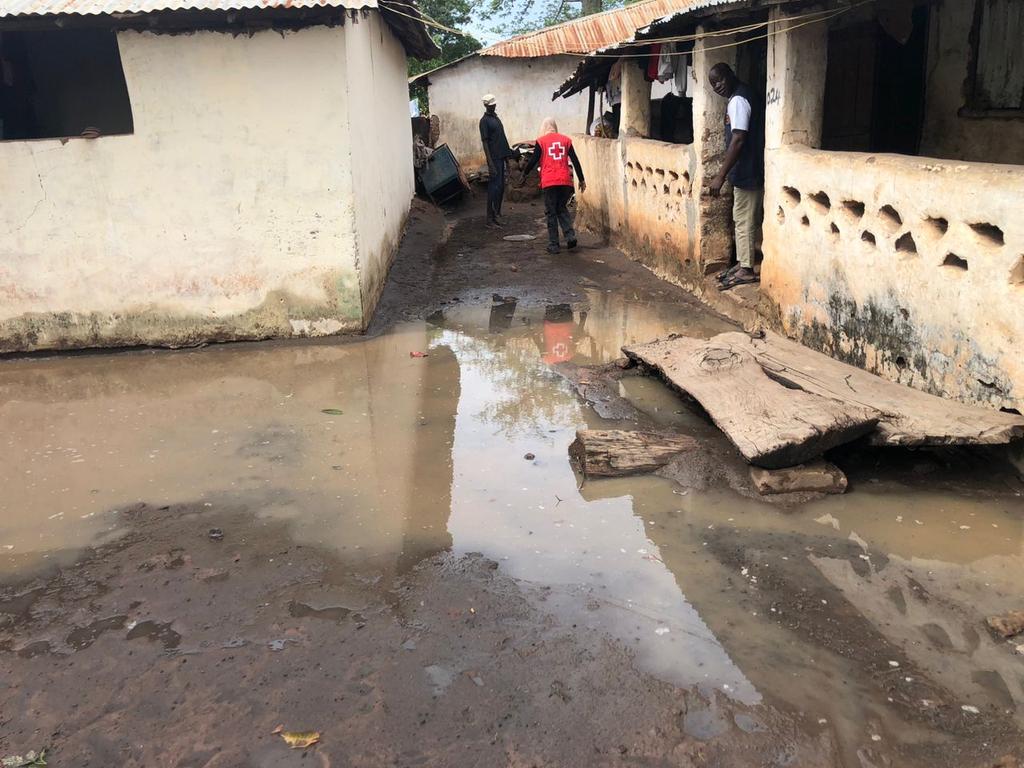
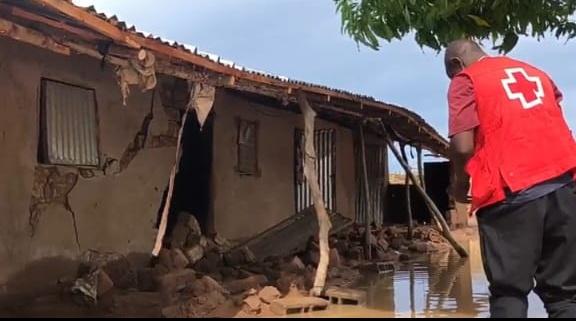
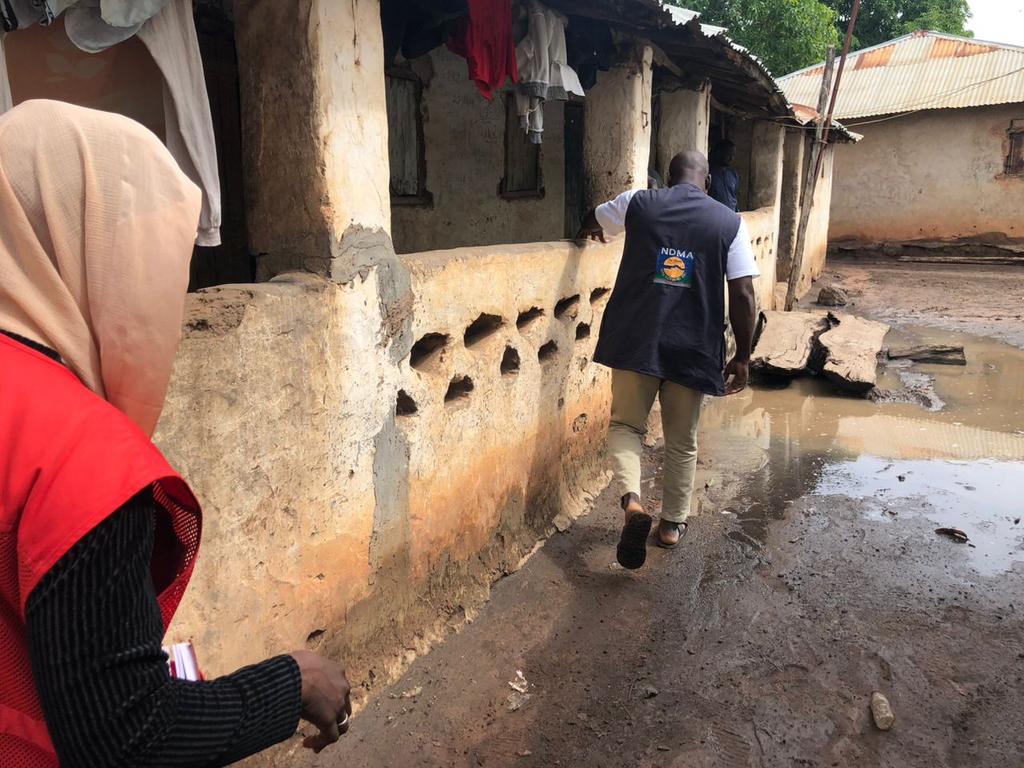
Heavy rainfall in Fonkoi Kunda has led to severe flooding, affecting 18 households with 8 families completely displaced due to extensive damage.
The @GambiaRedCross, through its LRR Branch, is working closely with local authorities to assess the situation & identify urgent needs
The IFRC is calling for support to respond to a massive surge in people returning to Afghanistan from Iran, with over 1.2 million crossing the border already this year. Our appeal is underfunded & without more help, @ARCSAfghanistan may have to scale back. https://t.co/77rtCAdQCz
'In its climate Advisory Opinion, the Inter-American Court clearly states that we are in a climate emergency that is undermining the human rights of present and future generations and that human rights must be at the center of any effective response' https://t.co/OVN5E78X4X.