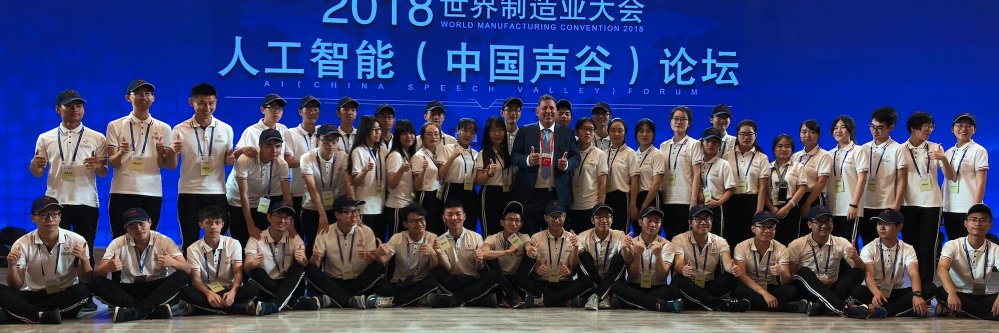
My company New Mexico AI Labs llc ( https://t.co/CX63uHLATq ) got into @QStationNM Energy Challenge! We are creating a tool to evaluate abandoned oil and gas wells for geothermal energy use!
#wellscoutai#oilandgas#nmmailabs
https://t.co/5OU9fNUsda
At New Mexico A.I. Labs LLC we believe the future of the energy transition lies right beneath our feet.
Today, we are thrilled to officially announce Project Phoenix—our mission to convert inactive, abandoned oil wells into reliable, baseload geothermal energy sources.
ChatGPT still getting it wrong with the number of letters, ie in the mysql statement
// Bind parameters
$stmt->bind_param("sssssssssssssssssssis",
$location, $relationship, $challenges...
i get 19 s's counted. Then tested on different cases
I was working the ski shuttle loading people from their cars and taking them to the main entrance of the ski lodge. We get to the gate and she points to my @Cybertruck parked in the front line and says.“The asshole that drives that piece of shit truck should be shot!” @elonmusk
Just as I parked my #Cybertruck at the mall, a middle aged monster of a man got into my face and started screaming that @elonmusk is an a$$hole and that I should fck off. I told him to back off and that I've already filed a complaint with the police on another person.
We have to take the LLMs to school.
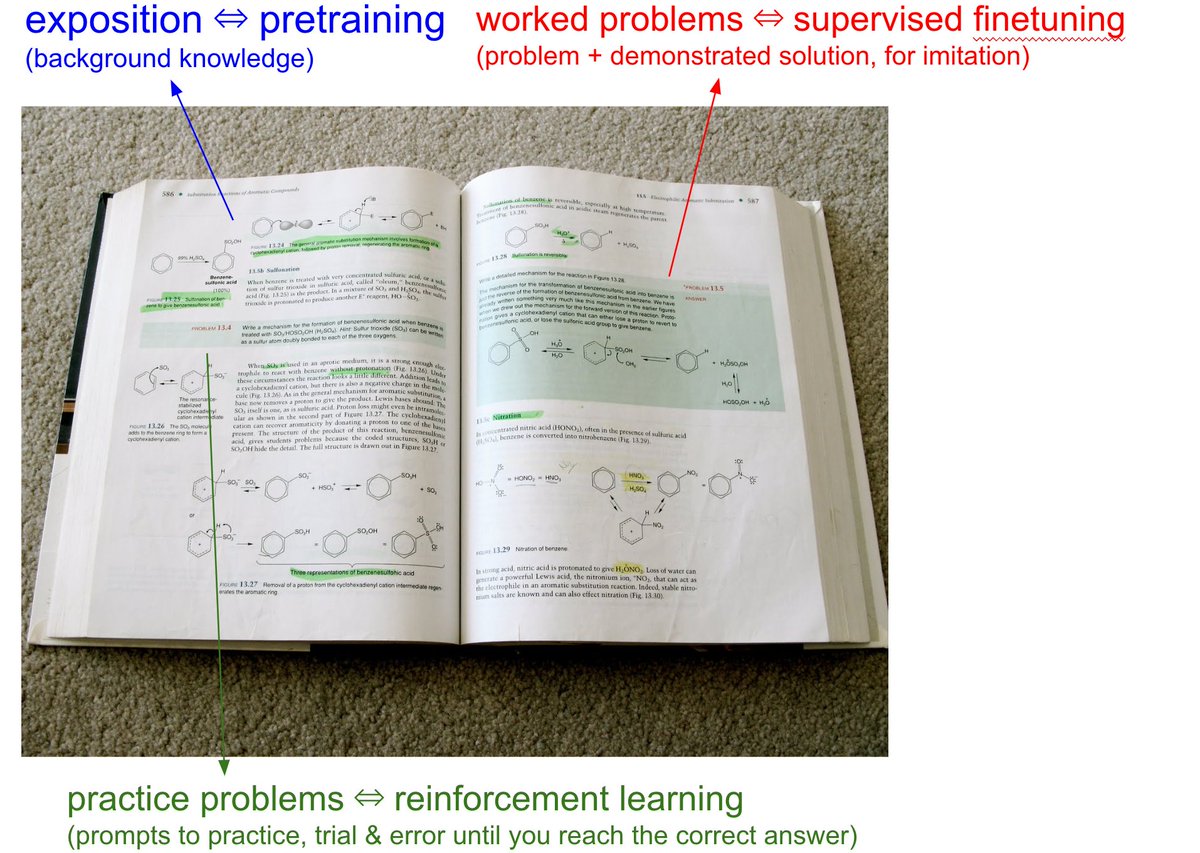
When you open any textbook, you'll see three major types of information:
1. Background information / exposition. The meat of the textbook that explains concepts. As you attend over it, your brain is training on that data. This is equivalent to pretraining, where the model is reading the internet and accumulating background knowledge.
2. Worked problems with solutions. These are concrete examples of how an expert solves problems. They are demonstrations to be imitated. This is equivalent to supervised finetuning, where the model is finetuning on "ideal responses" for an Assistant, written by humans.
3. Practice problems. These are prompts to the student, usually without the solution, but always with the final answer. There are usually many, many of these at the end of each chapter. They are prompting the student to learn by trial & error - they have to try a bunch of stuff to get to the right answer. This is equivalent to reinforcement learning.
We've subjected LLMs to a ton of 1 and 2, but 3 is a nascent, emerging frontier. When we're creating datasets for LLMs, it's no different from writing textbooks for them, with these 3 types of data. They have to read, and they have to practice.
We built a GPT-4o-powered cleaning robot.
- $250 for the robot arms
- 4 days to build
Open source is truly democratizing the field of robotics.
@KasparJanssen
I had to get out of my #cybertruck a couple times to clear the snow collected on the lip of the front bumper as it was blocking my headlights and i couldnt see. Any ideas on fixes? btw the truck performed really well on ice/snow covered roads. #tesla#cybertruck#snow
Created my first @Google NotebookLLM podcast on Connectomes, a comprehensive maps of neural connections in the brain, often described as its "wiring diagram".
Disclaimer: contents of this podcast have not been validated.
https://t.co/HwYtily4wa
#connectome#notebookllm