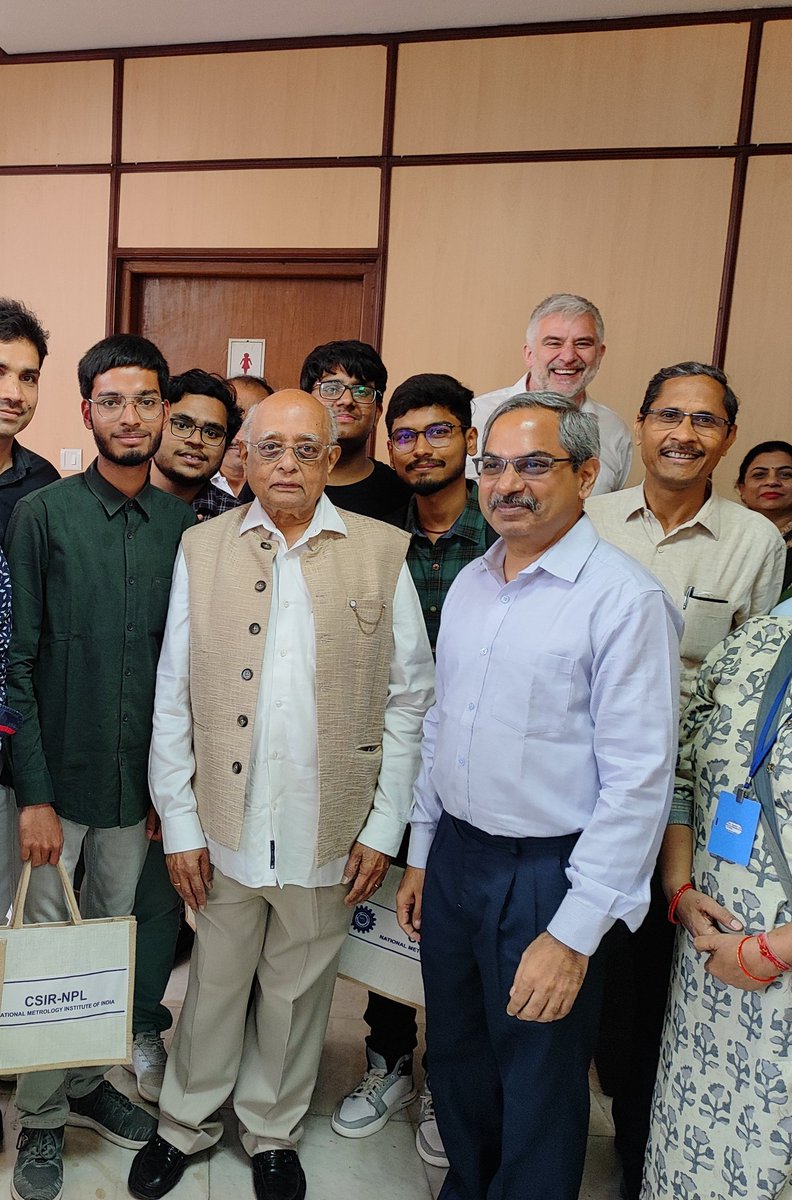
With the former director of 𝗕𝗵𝗮𝗯𝗵𝗮 𝗔𝘁𝗼𝗺𝗶𝗰 𝗥𝗲𝘀𝗲𝗮𝗿𝗰𝗵 𝗖𝗲𝗻𝘁𝗿𝗲 𝗗𝗿. 𝗥𝗮𝗷𝗮𝗴𝗼𝗽𝗮𝗹𝗮 𝗖𝗵𝗶𝗱𝗮𝗺𝗯𝗮𝗿𝗮𝗺 𝗣𝗿𝗼𝗳. 𝗩𝗲𝗻𝘂 𝗚𝗼𝗽𝗮𝗹 𝗔𝗰𝗵𝗮𝗻𝘁𝗮 the 𝗗𝗶𝗿𝗲𝗰𝘁𝗼𝗿 𝗼𝗳 𝗖𝗦𝗜𝗥 𝗡𝗮𝘁𝗶𝗼𝗻𝗮𝗹 𝗣𝗵𝘆𝘀𝗶𝗰𝗮𝗹 𝗟𝗮𝗯𝗼𝗿𝗮𝘁𝗼𝗿𝘆.
The first detection of the atmospheric Cherenkov light produced by energetic cosmic rays hitting the atmosphere were made with a standard British dustbin
Congratulations to KITP Permanent Member Dr. David J. Gross for receiving the 2026 Special Breakthrough Prize in Fundamental Physics!
Read the full story from UC Santa Barbara here:
https://t.co/IH6NsZhf4q
#BreakthroughPrize#ucsb#kitp
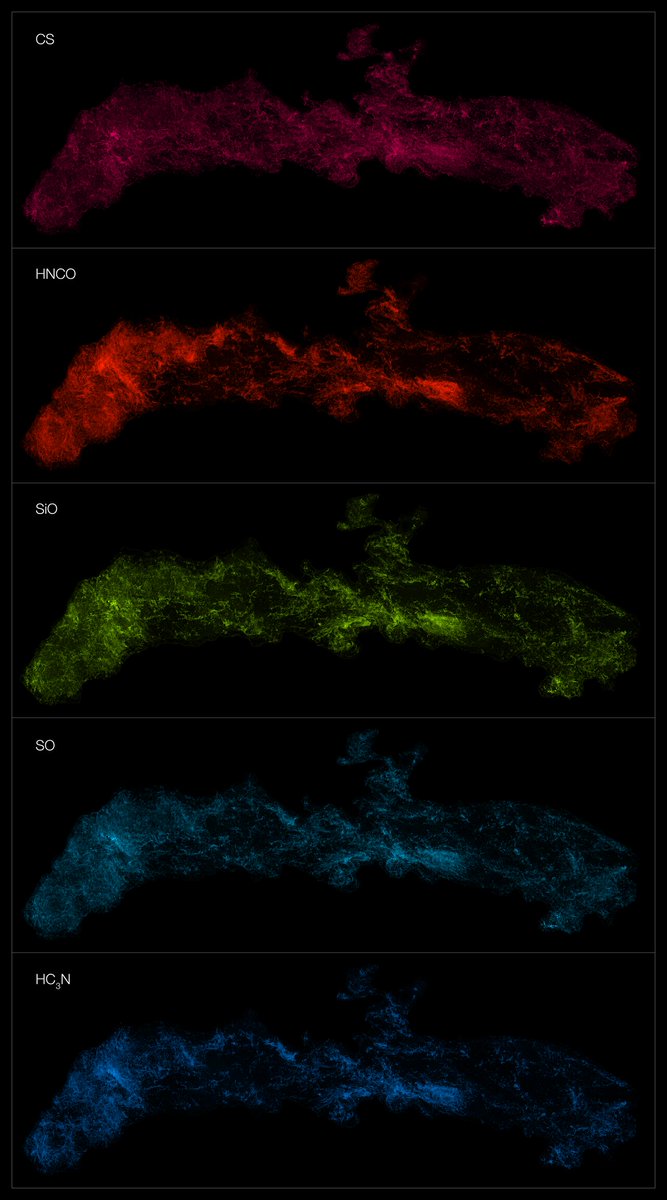
📡Chemistry at the heart❤️ of the Milky Way✨
The ACES survey, conducted by ALMA, has mapped the distribution of several dozen molecules present.
Here are 5 of them, from top to bottom:
✅Carbon monosulfide
✅Isocyanic acid
✅Silicon monoxide
✅Sulfur monoxide
✅Cyanoacetylene
BREAKING: L&T Secures Significant Order to Build LIGO India Observatory in Maharashtra
Larsen & Toubro (L&T) has won a "Significant" order, valued between ₹1,000 and ₹2,500 crores, from the Department of Atomic Energy to construct the LIGO India Observatory in Aundha (Hingoli District), Maharashtra.
The 48-month flagship "Mega Science" project, carried out in collaboration with premier Indian institutes and US partners such as Caltech and MIT, involves highly specialised civil infrastructure and an ultra-high-vacuum-compatible 8 km beam tube.
This observatory will detect gravitational waves caused by cosmic events, reinforcing L&T's expertise in delivering complex scientific projects.
On 23 February 1987 the supernova SN 1987A became visible from the earth. Approximately ten million billion neutrinos from supernova SN 1987A reached physicist Masatoshi Koshiba's water tank, of which his research group detected 12, confirming theories of supernovae.
So many people seem incredibly pessimistic about the future of humanity. I couldn’t disagree more. Humanity hasn’t even achieved 1% of its full potential.
I believe one day we will master the quantum nature of space and time. And not just in theory, but in practice.
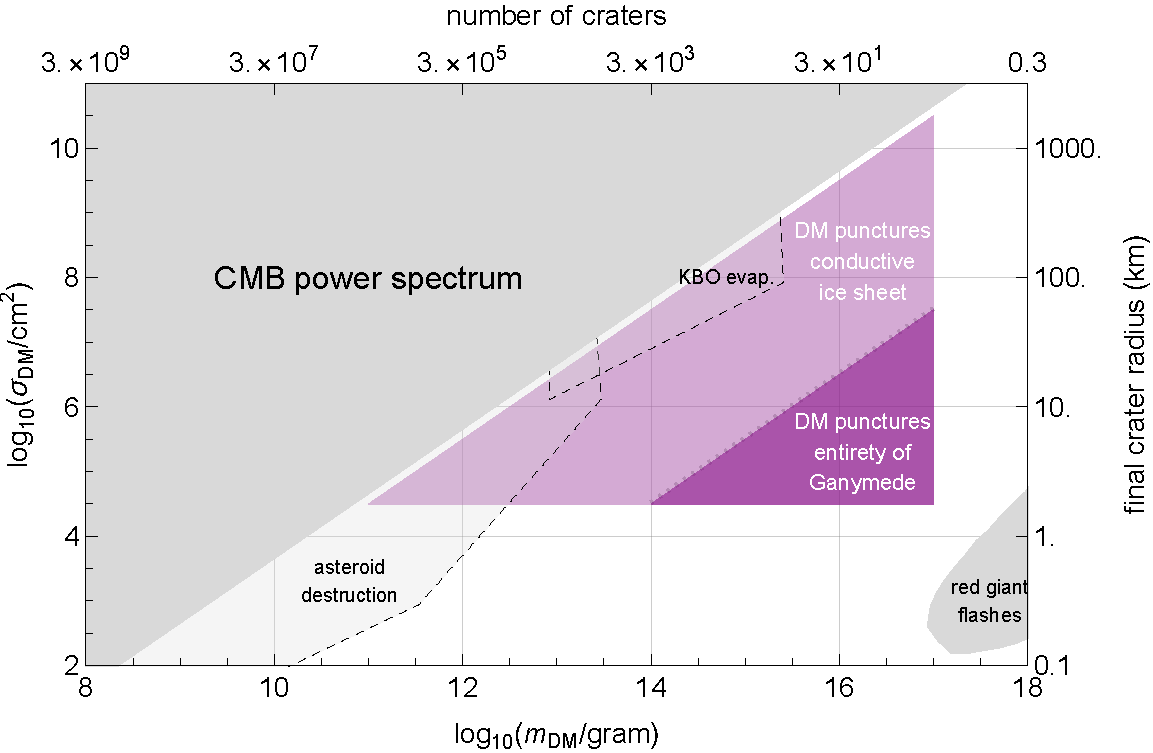
Primordial black holes, quark nuggets, Fermi balls — could these #DarkMatter objects leave impact scars on Jupiter’s largest moon? A new study in @PhysRevD says yes. Learn more: https://t.co/LWSDp6KGh8
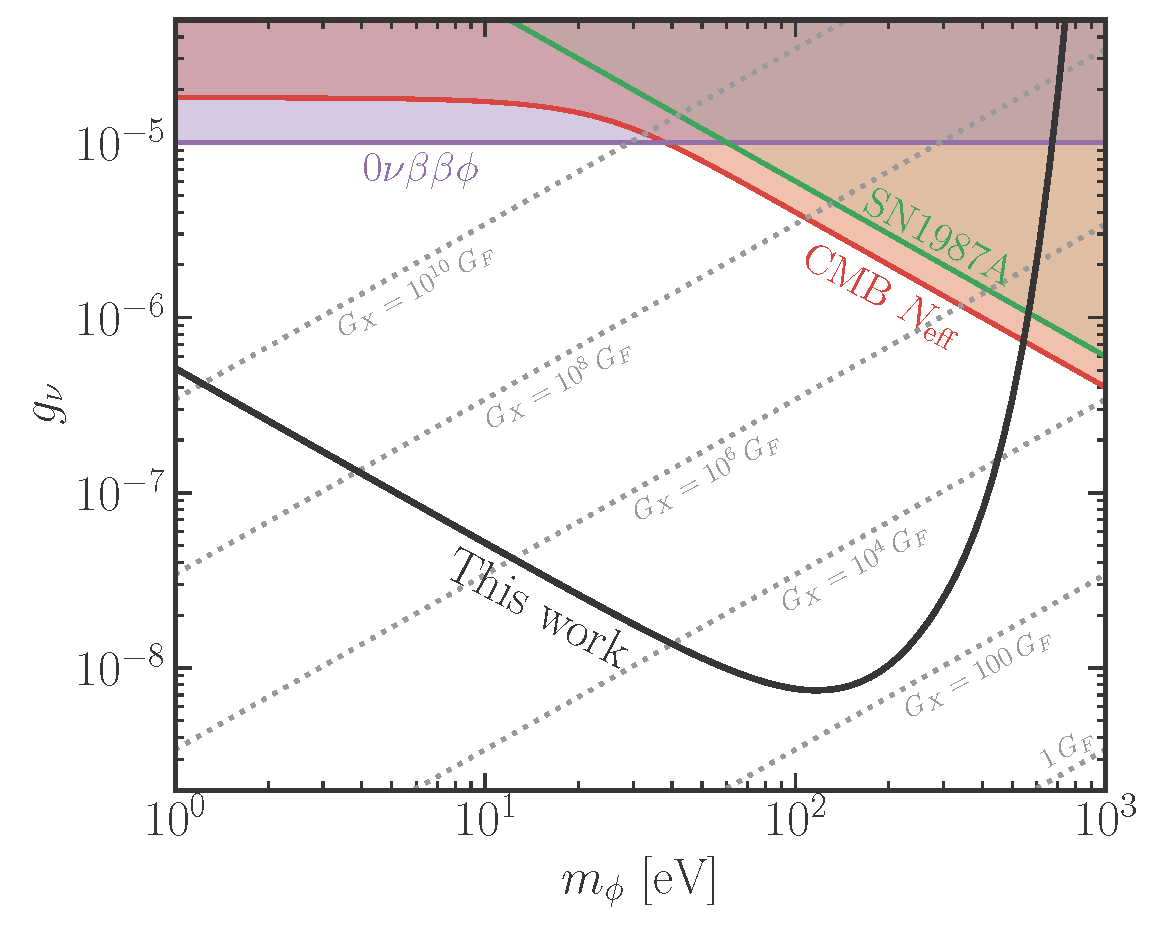
A study in @PhysRevLett shows that if cosmic neutrinos interact more than previously thought, they’d leave a detectable “fingerprint” that could be spotted by future observatories — revealing neutrino self-interactions beyond the Standard Model.
🔗 https://t.co/JOQg4MM8QN
The clearest gravitational wave signal ever seen provides strong evidence for Hawking’s area law
This law is best understood via Bekenstein-Hawking: a black hole’s entropy is proportional to its surface area. Entropy never decreases, so a black hole’s area can never decrease either
Fantastic measurement by @ligo@ego_virgo@KAGRA_PR !
The great tradition of fundamental physics is to distill observations into guiding principles that open new corridors of questions and forge physical principles from which observable consequences are derived.
Indian parents don't give two shits about their kids education, they care about jobs and financial security which is not the purpose of education at all.
As Manto said, Jab taleem ka bunyaadi maqsad naukri ka hasool ho to maashray mai naukar he paida hote hain rehnuma nahi
Einstein’s chalkboard - Oxford, 1931
This chalkboard was used by Albert Einstein in May 1931 during his lectures at the University of Oxford in England. The equations on the board were taken directly from a key paper on relativistic cosmology written by Einstein in April 1931. This paper constitutes the first scientific publication in which Einstein embraced the possibility of a cosmos of time-varying radius — the Friedmann-Einstein universe.
Einstein then used Edwin Hubble's redshift's observations to extract from his model values for the density of matter (ρ), the radius of the cosmos (P), and the timespan of the cosmic expansion (t).
However, there was an error in Einstein's calculations: Einstein stumbled in converting megaparsecs to cm, giving a "ρ" that was too high by a factor of a 100, a "P" that was too low by a factor of 10, and a "t" that was too high by a factor of 10. These errors were corrected in a later review of relativistic cosmology written by Einstein in 1945.
Why is rice more than food in Japan?
Prof. Emiko Ohnuki-Tierney reveals how rice embodies cosmology, crisis, and collective identity.
As climate change threatens its cultivation, Japan confronts a sacred disruption- of memory, meaning, and modernity.