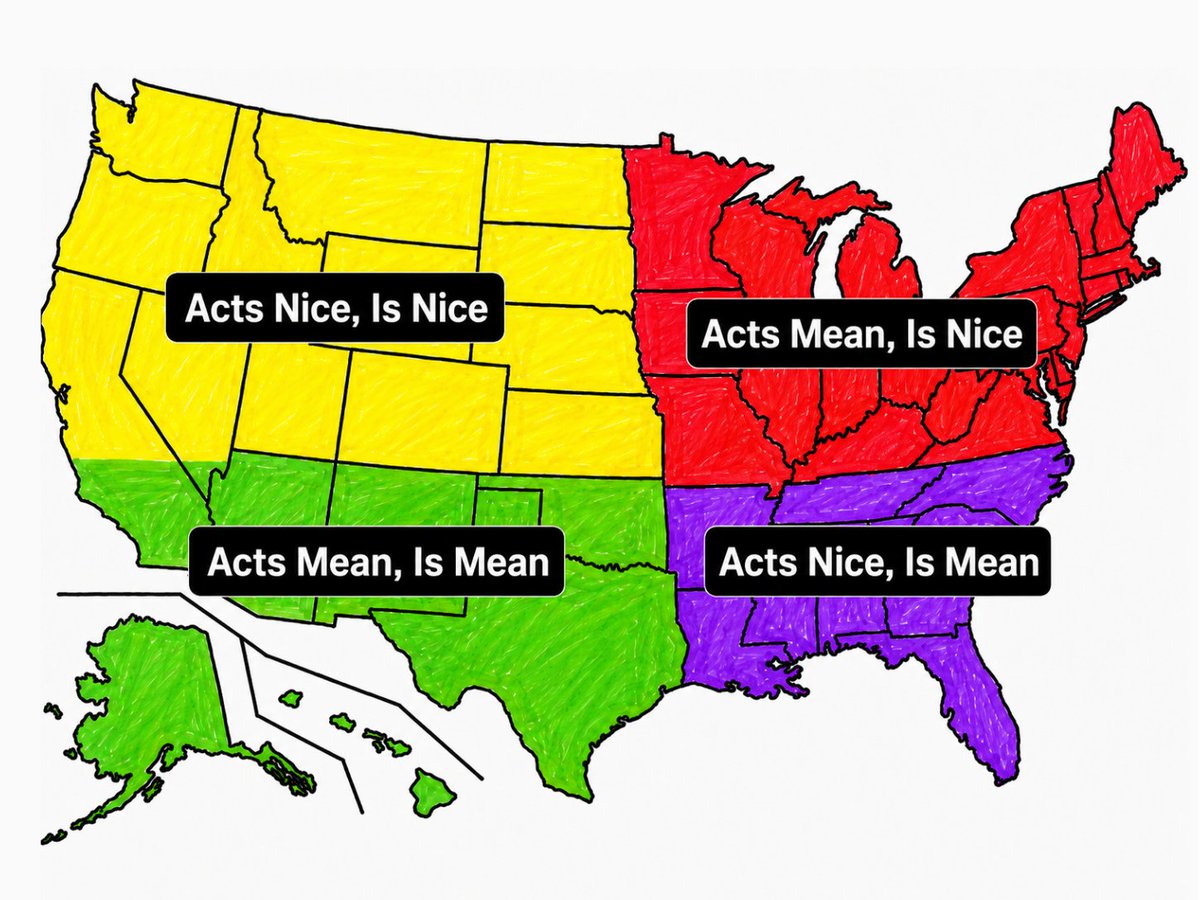
@SlenderSherbet This was a few years ago up in Michigan. She escaped one day when grandma left door unlocked and it fell off somewhere in the north woods.
@BeschlossDC I was dropping kids off at preschool - Vienna, VA. Teacher stopped and said a small plane went into WTC.I then went to the bank and saw the Pentegon get hit on their TV. I was in shock. Took me years not to look up at every plane in sky.
🚨BREAKING: An ICE/Border Patrol agent approached a U.S. citizen at a gas station, in Lake Worth, Florida, demanded his ID, and when the U.S. citizen asked why? …
The agent’s said, “Because you’re an immigrant.”
Except that is not how the Constitution works.
In the video, the U.S. citizen is standing at a gas station when an agent walks up and says, “Let me see your ID.”
The man asks a completely reasonable question, “Why?”
The agent responds, “Because you’re an immigrant.”
And before the man has even been identified, the agents grab his hands and puts him in handcuffs.
People standing around immediately start questioning what is happening…asking the agents how they can arrest someone when they haven’t even identified who he is…
But the agents ignore them and walk the man to their vehicle.
The Fourth Amendment protects people from unreasonable searches and seizures. The Supreme Court has held that roving Border Patrol agents need reasonable suspicion, based on specific circumstances, to stop someone and question them about immigration status. And apparent ethnicity, by itself, is not enough.
So, what was the actual legal basis for demanding this man show his ID?
Because if the answer is literally… “because you’re an immigrant,” that should piss off every American.
You should not have to prove you’re a U.S. citizen before the government decides it has the right to put you in handcuffs.
And this is just another reminder that constitutional rights don’t mean anything if federal agents can violate them, over and over again, with no accountability.
Cardinal Cupich reflecting on Sunday’s Readings: “Established groups can always fall into the temptation, the trap of defining who’s in and who is out, who belongs and who doesn’t, a difference between us and them. We see that so often in society and it can happen even in the life of the church. People who are veterans of the faith begin to act as if they are quite settled in their own community, where they can be their own insular group, a ‘self-referential’ community as Pope Francis often spoke of, and even tie themselves to a political party, as if they are a political party in prayer.”