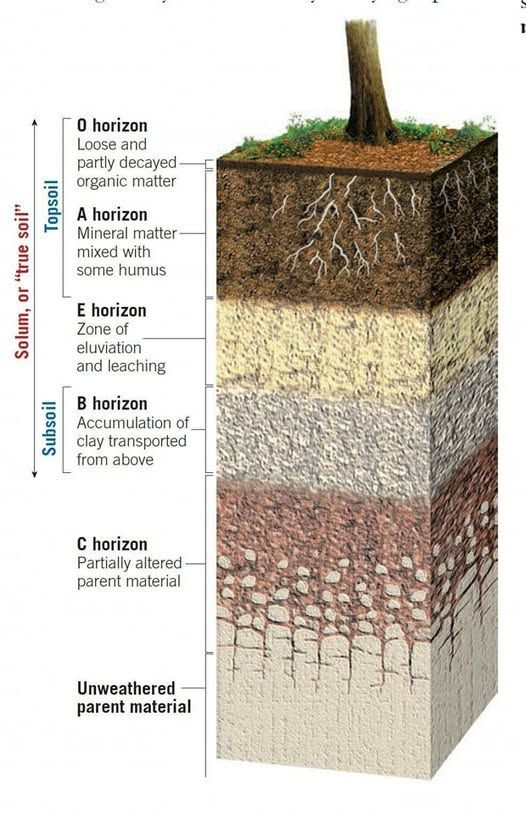
Topsoil isn’t just dirt. It’s the thin, fragile layer that feeds 8 billion people. Lose it, and yields fall, prices rise, and food security weakens. It takes centuries to form and minutes to destroy. One of the most underappreciated assets in our economy.
Restoring ecosystems such as landscapes, wetlands and oceans can improve their productivity, promote #biodiversity and increase their capacity to meet society’s needs.
Help us shape the #RestorationDecade!
https://t.co/AUao5fxKSh
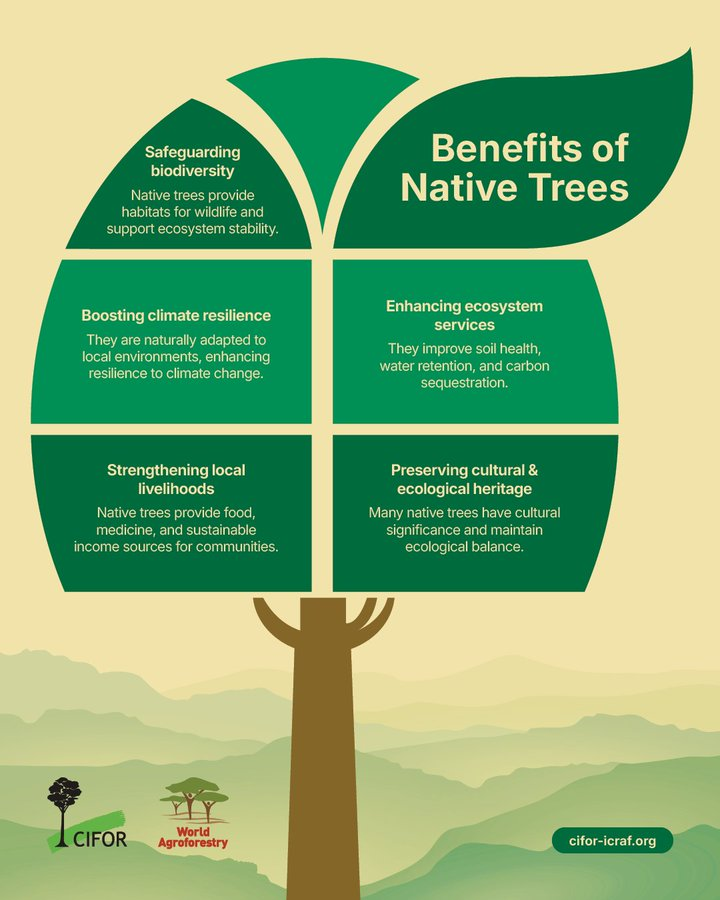
🌳Why do native trees matter?
They safeguard biodiversity, boost climate resilience, enhance ecosystem services, support livelihoods, and preserve cultural heritage.
Learn more about the benefits of native tree species⬇️https://t.co/ftPxEB44nY
via @CIFOR_ICRAF
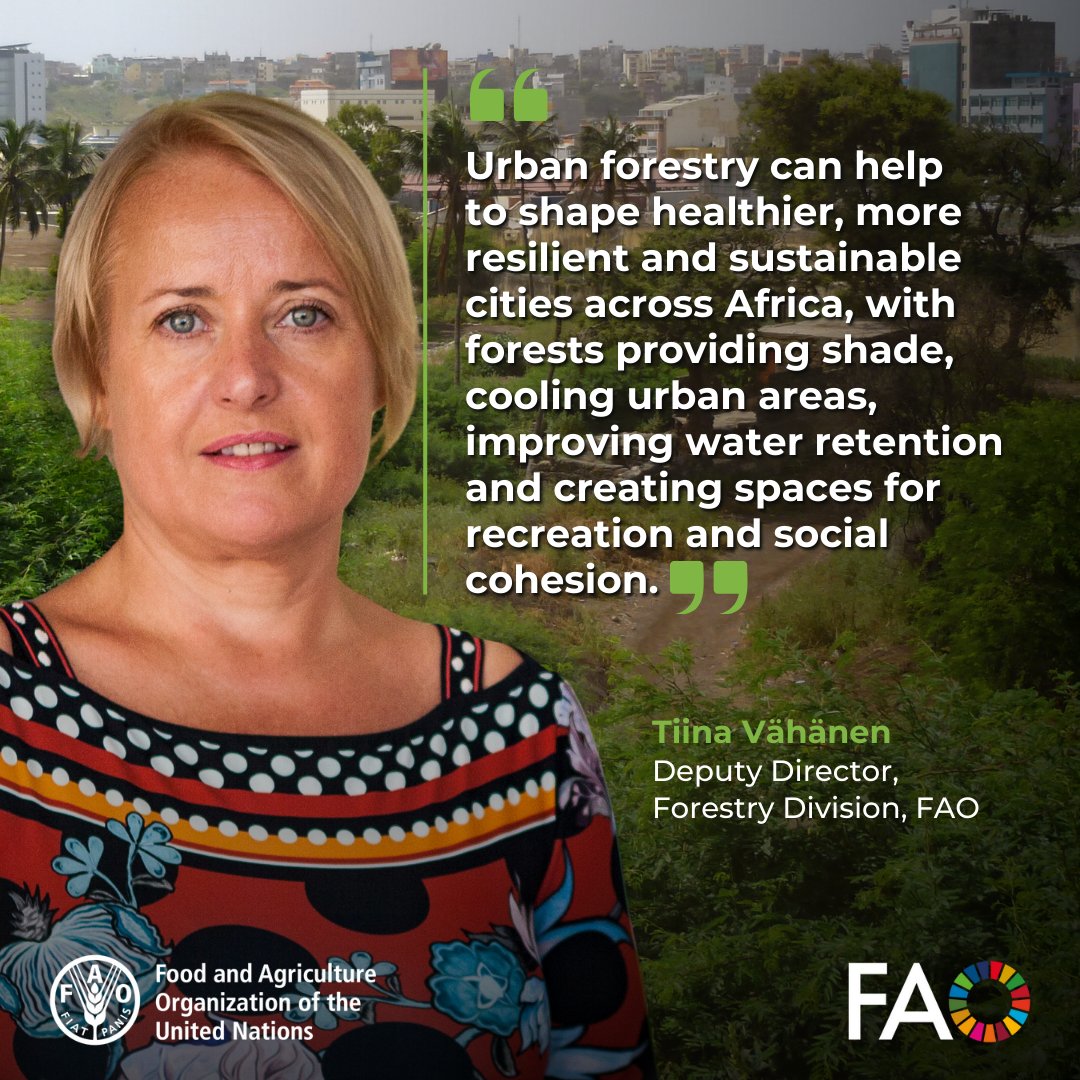
Urban forestry can help to shape healthier, more resilient and sustainable cities across Africa, with forests providing shade, cooling urban areas, improving water retention & creating spaces for recreation & social cohesion, @FAO's Tiina Vähänen tells #AFUF2025#GreenCities
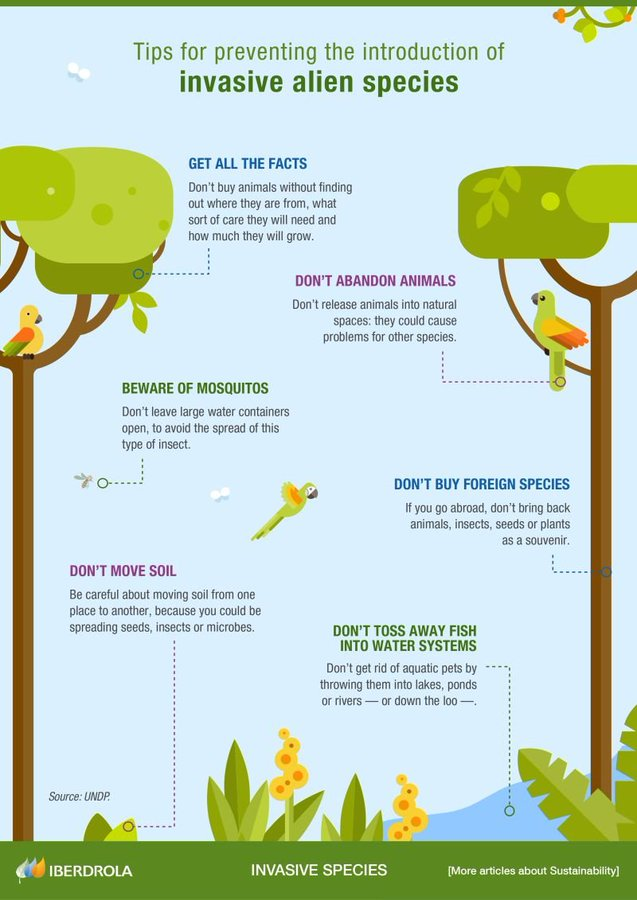
Exotic species travel far from their habitats, often due to human activity or natural events. 🦜
Invasive species harm ecosystems, threaten food security, spread diseases, and impact economies. 🦟
Here are tips to prevent their spread👇via @iberdrola
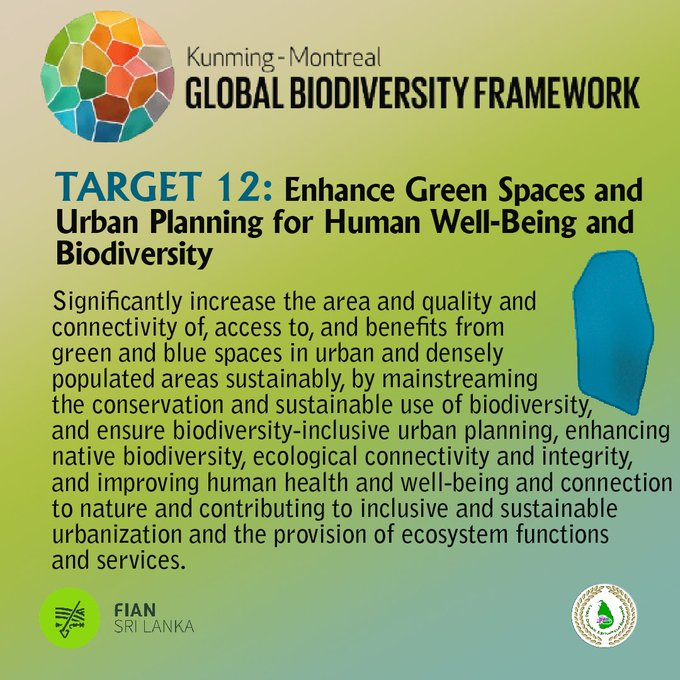
The Kunming-Montreal Global Biodiversity Framework has 23 action-oriented global targets for urgent action over the decade to 2030. #KMGBF
TARGET 12: Enhance Green Spaces and Urban Planning for Human Well-Being and Biodiversity.
via @FianSrilanka
Why Do Native Trees Matter?
They support ecosystems, improve #soil, and strengthen climate resilience, but deforestation & climate change put them at risk.
Learn how we can help to maintain & restore them: https://t.co/ftPxEB44nY
via @CIFOR_ICRAF
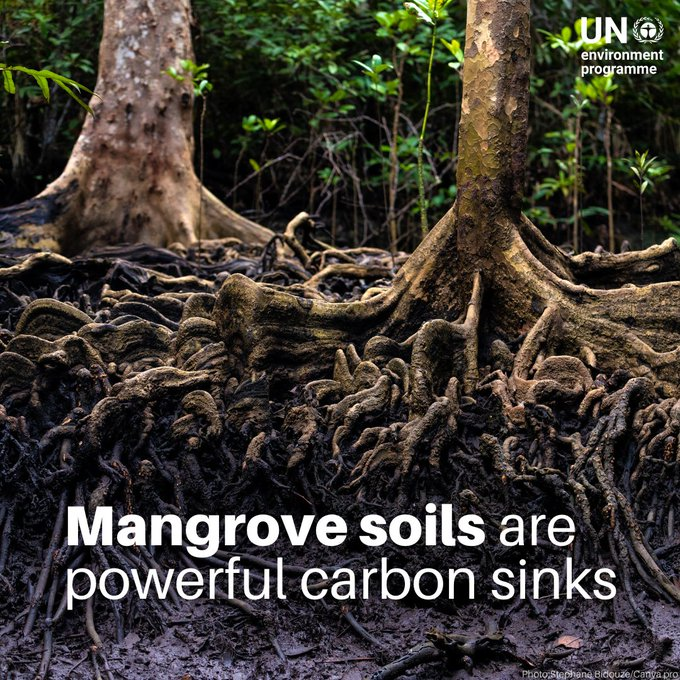
Protecting mangroves is a crucial step to lower planet-warming carbon emissions. These ecosystems store up to 1,000 tonnes of carbon per hectare in their biomass and soils.
More info on the many benefits of mangroves:
https://t.co/YQWhekTFoB
via @UNEP
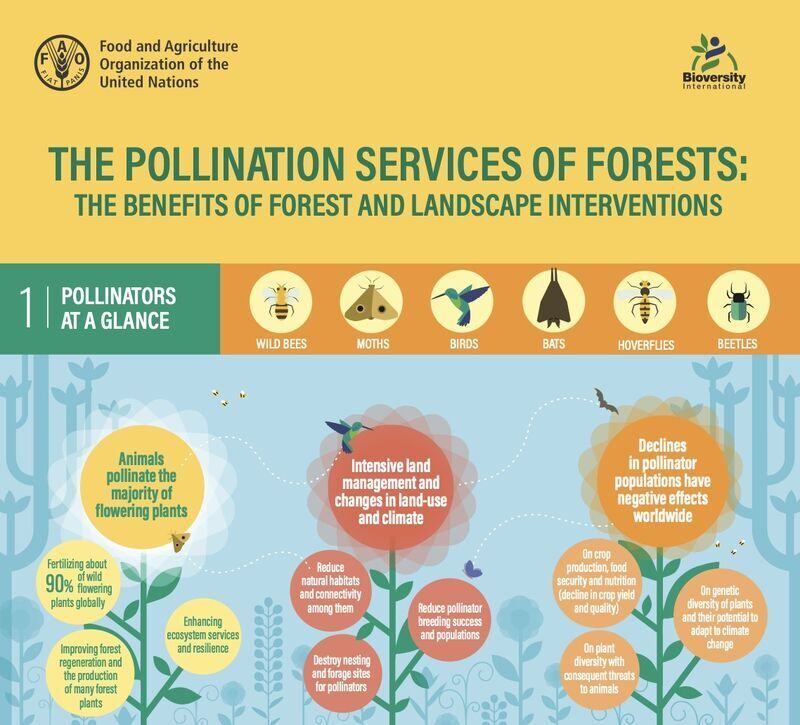
Both plants and people are dependent on pollinators for survival. 🐝
A decline in pollinator populations would result in a decline in plant diversity and a reduced crop yield.
via @FAO
🐠 Highest biodiversity of any ecosystem globally
💪 Directly support over 500 million people worldwide
📈 Key indicators of global ecosystem health
Coral reefs are vital ecosystems, and fighting #ClimateChange is key to their survival.
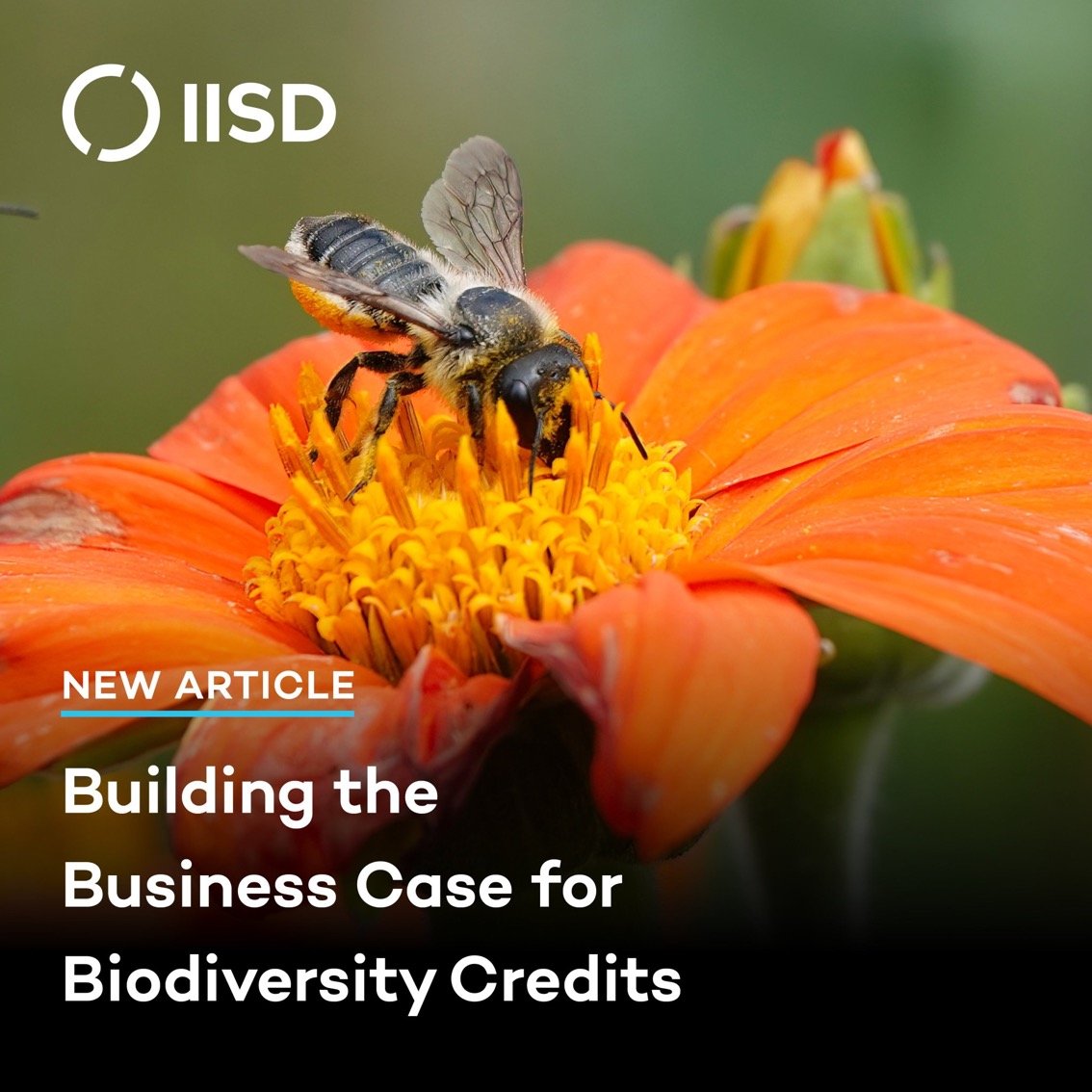
Biodiversity is🔑to sustaining human life, yet remains underfunded.
To reach restoration targets,@UNEP estimates suggest finance flows need to 4x by 2030 to USD 296 billion from 2022 levels
Here's how biodiversity credits can help➡️https://t.co/oehhBO4RgX
via @IISD_news
Our planet's #biodiversity is under siege! 🌎 🌿
Check this infographic to learn about the biggest threats endangering our ecosystems and the urgent need for conservation action. 🦋
via @VisualCap
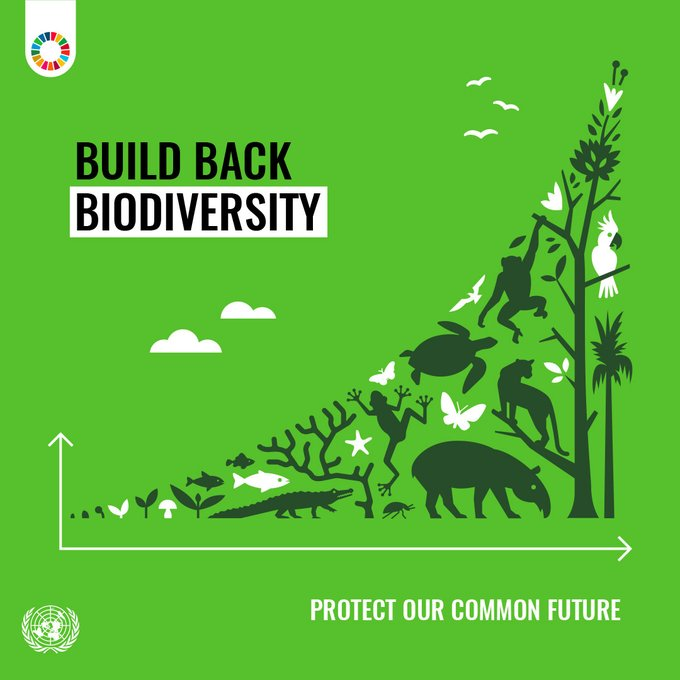
We rely on nature for our survival.
Yet, over one million species are at risk of extinction due to human activity.
The #GlobalGoals are the answer to declining biodiversity & degraded ecosystems.
https://t.co/FOHp0Nbu4w
via @UNDESA
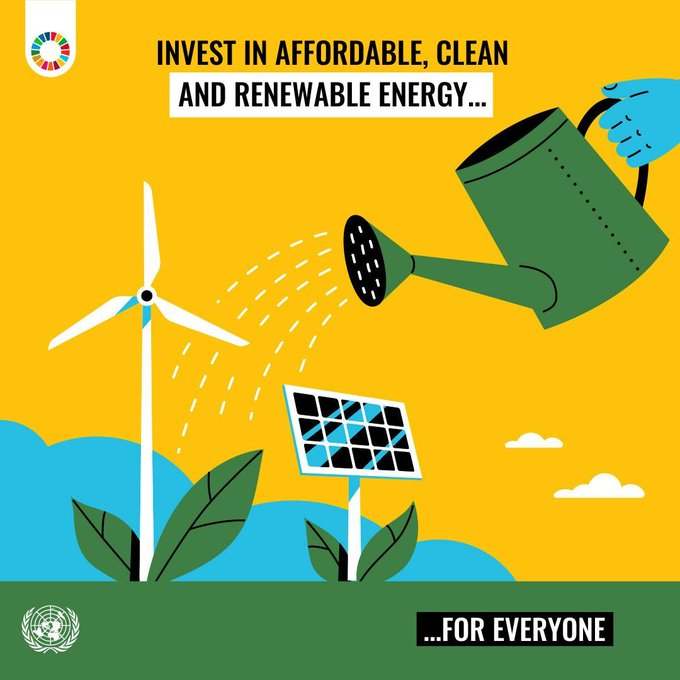
Water and energy are deeply interconnected—energy is needed to extract, treat, and distribute water, while water is crucial for energy production.
Sustainable solutions in both sectors are essential to ensure universal access and environmental protection.
via @UN_Water