#ASCO26
BREAKWATER: Encorafenib + cetuximab + FOLFIRI in 1L BRAF V600E-mutant mCRC
Abstract LBA3503
Presentation: May 31, 2026
BRAF V600E-mutant CRC has always been different.
More aggressive biology. Worse prognosis. Less forgiving clinical course.
For years, the question was whether we could move targeted therapy earlier and make a real dent in outcomes, not just response.
BREAKWATER keeps answering that question.
This cohort evaluated encorafenib + cetuximab with FOLFIRI in the first-line setting for BRAF V600E-mutant mCRC.
Quick hits:
📌 1L BRAF V600E-mutant mCRC
Encorafenib + cetuximab + FOLFIRI vs FOLFIRI ± bevacizumab
🎯 Response
64.4% vs 39.2%
📈 Median PFS
15.2 vs 8.3 months
HR 0.44
📊 Overall survival
HR 0.56
🔥 18-month OS
72.0% vs 54.5%
This is the kind of result that matters because it is not just one endpoint moving.
Response matters in symptomatic disease.
PFS matters in aggressive biology.
OS matters always.
And here, all three are positive.
The practical piece is also important: FOLFIRI gives clinicians flexibility. For patients with neuropathy, prior oxaliplatin exposure, or concern about cumulative oxaliplatin toxicity, this helps support a fluoropyrimidine/irinotecan backbone with EGFR/BRAF targeting.
My take: for BRAF V600E-mutant mCRC, the treatment frame has changed.
This is no longer a disease where we wait for later-line targeted therapy.
The targeted backbone belongs up front.
@TheGutonclab@UGrewalMD@TimothyJBrownMD@OncoAlert@Onco_Nexus@ASCO@NazliDizman@LauraAlderMD@DVAraujoMD@DrBarbiOnc@LauraEsfeller@FunchainMD@YGaritaonaindia@DrSAHaddad@jgong15@iandresmeraz@SakditadMD@RamilaShilpakar@RohitBanwar@lungoncdoc
This NEW OUTDOOR ICU rooftop garden may change how hospitals think about critical care recovery forever.
Would you want an outdoor ICU space at your hospital?
Gives critically ill patients something many haven’t experienced in months: fresh air, sunlight, and a connection to the outdoors.
“I forgot what it feels like to be outside.”
After 2 months in the ICU, a 29-year-old patient was taken onto the UK’s new rooftop intensive care garden—and became emotional experiencing fresh air and sunlight again.
This may be the future of critical care.
Could nature help reduce delirium, anxiety, stress, and even accelerate recovery?
As ICU clinicians, we spend enormous effort optimizing medications, ventilation, nutrition, mobility, and technology. Perhaps we should also be optimizing access to sunlight, fresh air, and the healing power of nature.
Would you want access to an outdoor healing space if you were recovering in the ICU?
#CriticalCare #ICU #ICURehab #Medicine #Healthcare #ICURecovery #Delirium #Rehabilitation
For breaking news and expert analysis during #ASCO26, turn to #ASCODailyNews! During and after the Meeting, ASCO Daily News has coverage of all the practice-changing research being presented.
Bookmark us now: https://t.co/Y3guFyeCtM
Finnish scientists trucked in real forest dirt and grass and laid it over the gravel at four daycare yards. They let the kids dig around in it for a month. The blood tests came back with changes the researchers hadn’t expected to see so fast or so clear.
The study ran at ten daycares in two Finnish cities with 75 kids aged three to five. Four of the yards got the forest treatment: about a tennis court worth of soil and grass laid over the gravel, plus planters and peat blocks the kids could dig and climb on. Three others stuck with their normal gravel yards. The last three were daycares where the kids were already visiting real forests every day.
After one month, the variety of bacteria living on the kids’ skin shot up, and the kind that helps train the skin’s immune defenses jumped the most. Their gut bacteria started to look like the gut bacteria of the forest-visiting kids. Their blood showed more of the immune cells whose job is to keep the body from freaking out at harmless stuff like pollen and peanuts, and overall inflammation dropped. The kids on the plain gravel yards showed none of this.
Childhood asthma in the US doubled between 1980 and 1995. Food allergies in kids jumped 50 percent between 1997 and 2011, then jumped another 50 percent between 2007 and 2021. And peanut allergies in one-year-olds tripled between 2001 and 2017.
The Finnish researchers think one of the reasons is simple: kids today don’t get dirty enough. 37 percent of American preschoolers now spend an hour or less outside on a normal weekday. Their immune systems are getting trained in environments stripped of the bacteria humans have always lived around.
Aki Sinkkonen, who led the study, put it in plain words: “It would be best if children could play in puddles and everyone could dig organic soil.” The Finnish government is now helping pay for daycares across the country to make the same changes.
What is CRI's Clinical Trial Finder, and how does it work? Understand why clinical trials matter, and discover how you or your loved ones can utilize this free tool to create a path toward possibility: https://t.co/n3QFFS09yS #ClinicalTrial#Immunotherapy
From professional development sessions to methods workshops and more, #AACR26 has something for everyone. Program Committee Chairs Paul S. Mischel and Alice T. Shaw share Friday's highlights in AACR Annual Meeting News:
https://t.co/xNWGjPTINJ
Phase II Study of Anti-PD-1/VEGF Bispecific Antibody Ivonescimab in Patients W/ Previously Treated Metastatic Colorectal Cancer
@MDAndersonNews
PI: Saurav Haldar, MD
NCT06959550, 90 pts
trial recruiting date advanced from October 2025 to open up "early" in July 25
@SassyCell
Introducing @ASCO Early-Onset/AYA Cancers Community of Practice, official twitter handle and logo.
Please consider joining our CoP to advance care-delivery, research & education for pts with cancer in the EO/AYA groups. Looking forward to connecting with the community here on X!
🧬 Get ready for the latest in #colorectalcancer research! On June 10 at 11 AM EST, join us for Research Updates from ASCO 2025. Dr. Smitha Krishnamurthi and Annie Delores will break down the most exciting breakthroughs in CRC care. #ASCO25 Register to...
https://t.co/3bXPJXH6ky
It’s podcast launch day! The ImmunoVerse™️ is now streaming on all your favorite platforms! 🚀
I’m honored to kick off this new @MoffittNews podcast with the inaugural episode ft. Dr. Steven Rosenberg, my colleague, friend, mentor and Chief of the Surgery Branch @theNCI. In episode 1, we explore Dr. Rosenberg’s pioneering work in immunotherapy, how far it has come, and where it’s headed! #TheImmunoVerse
🎙️ Listen now: https://t.co/1kauiQwmpj
Do you know an up-and-coming expert in the field of cancer #immunotherapy? Nominate them today for SITC’s Steven A. Rosenberg Scholars Award, one of the society's most prestigious opportunities for early career scientists. Learn more: https://t.co/Q6ELLw9X5L #SITCForwardFund
🚨 URGENT: The President's 2026 Budget Proposal slashes cancer research and eliminates colorectal cancer screening programs.
A proposed $18 BILLION CUT to NIH and elimination of the CDC's Colorectal Cancer Control Program puts lives at risk — especially in underserved communities that rely on access to screening and research-based care.
But this isn't final — Congress controls the budget. Your voice matters.
📣 Take action now to protect these critical programs!
https://t.co/n5Gm9mTsfa
Colorectal cancer is on the rise among young adults, @UCSanDiego describes. New research has uncovered that DNA mutations arising during early childhood from a bacterial toxin called colibactin are a potential cause. Learn more: https://t.co/TDo7nsnFxV #ColorectalCancer
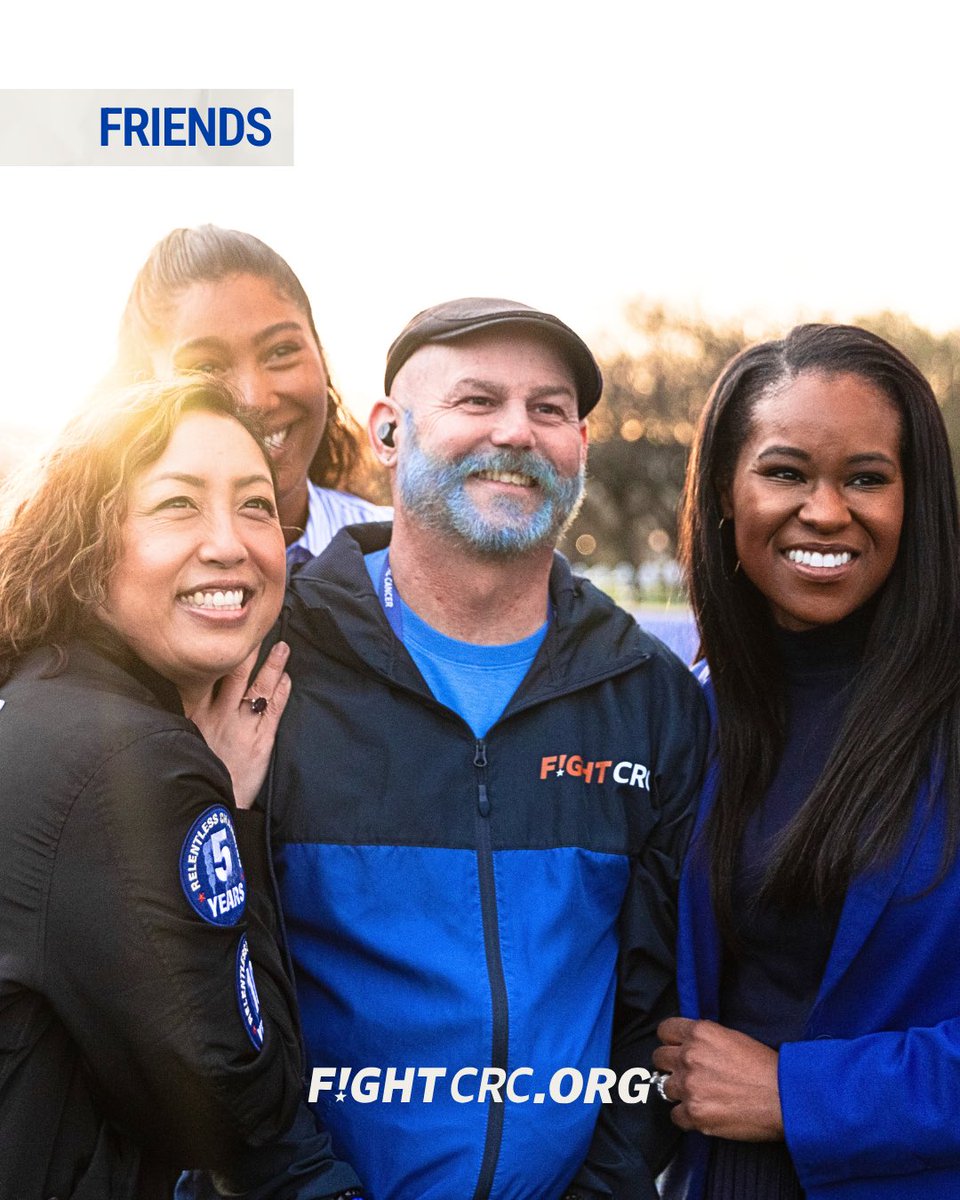
Colorectal cancer doesn’t just impact one person—it affects everyone who loves them.
That’s why this year, we’re inviting teams to apply for our Ambassador Program. Whether you're family, partners, or friends who’ve stood together through the fight, we want to hear your shared story.
Apply now and become a united force for awareness, advocacy, and change. 💙
🔗: https://t.co/bUhyQaYwxC