VERY useful paper #lifehack:
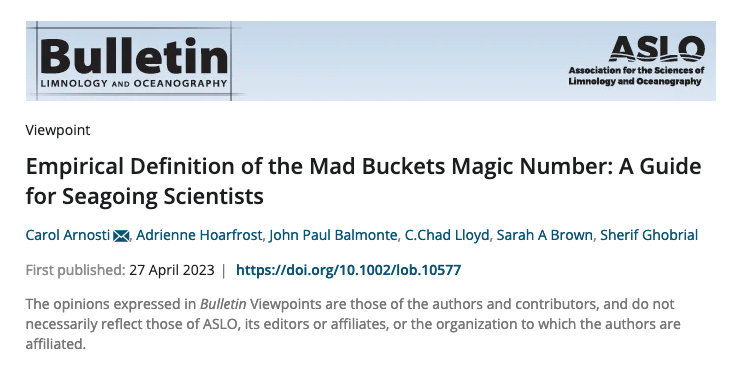
"Empirical Definition of the Mad Buckets Magic Number: A Guide for Seagoing Scientists" by wonderful Carol Arnosti et al. @aslo_org L&O
Questions? You can also ask @GretaReintjes, she was on the cruise the study was made on!
#MBMN#scienceatsea
Our paper on the collaborative efforts of folks from 20 countries to study the changing Arctic Ocean microbial communities over one full year. One year of expedition drifting with sea ice, many years of planning, and hopefully infinite ways to creatively utilize the dataset.
https://t.co/G7BdToLiuH
Here is an alternative to BioRender that is TRULY FREE and actively maintained. Over 1500 vectorized images sorted by license type (all creative commons or MIT). Fully editable icons and soon they will launch an Inkscape library.
Our article was just published in @FrontMicrobiol! If you're interested in deep sea bacteria and their enzymatic activities, check it out:
https://t.co/7Rlch0EN4F
Getting emails from amazing prospective students when I can't say yes just kills me - I want to give them more than a kind decline - if you're a #PI recruiting students for Fall 2023 add your info to this list and share so we can give them other options! https://t.co/msO7T4Qi9s
The new 2022-2023 list is out! Please share widely! If you are looking for a faculty position or postdoc in ecology & evolutionary biology check out this great community run resource: https://t.co/2s6OrzzHHT
🦋What distinguishes the raspa silkmoth from other silkmoths? While other silkmoth species spin a silk cocoon and attach to branches or plant stems when they transition to adulthood, the raspa silkmoth metamorphoses down in the soil. (1/3)
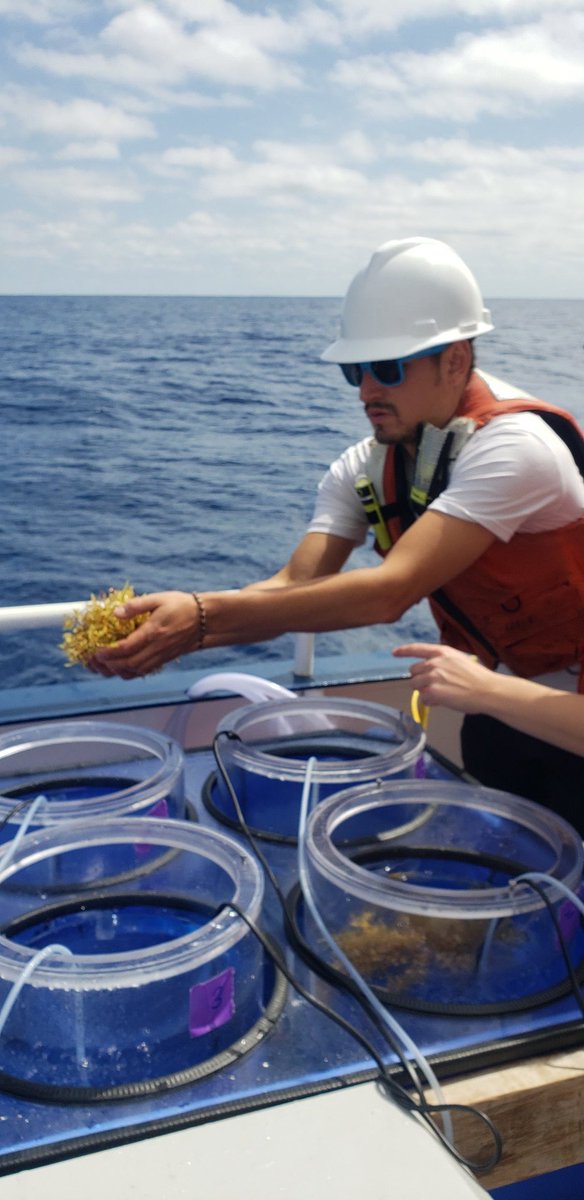
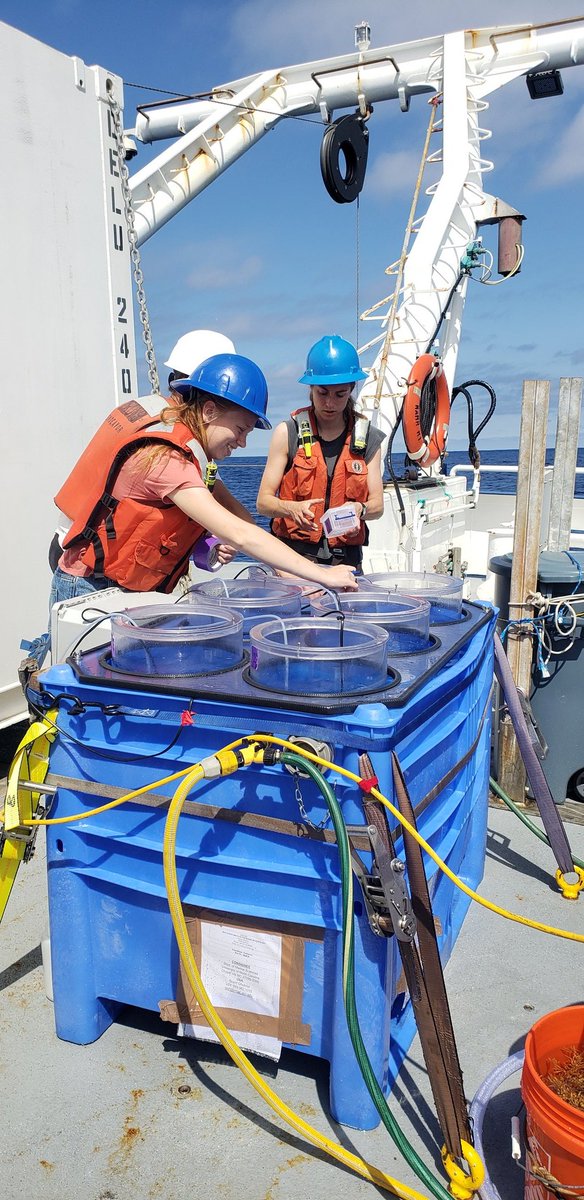
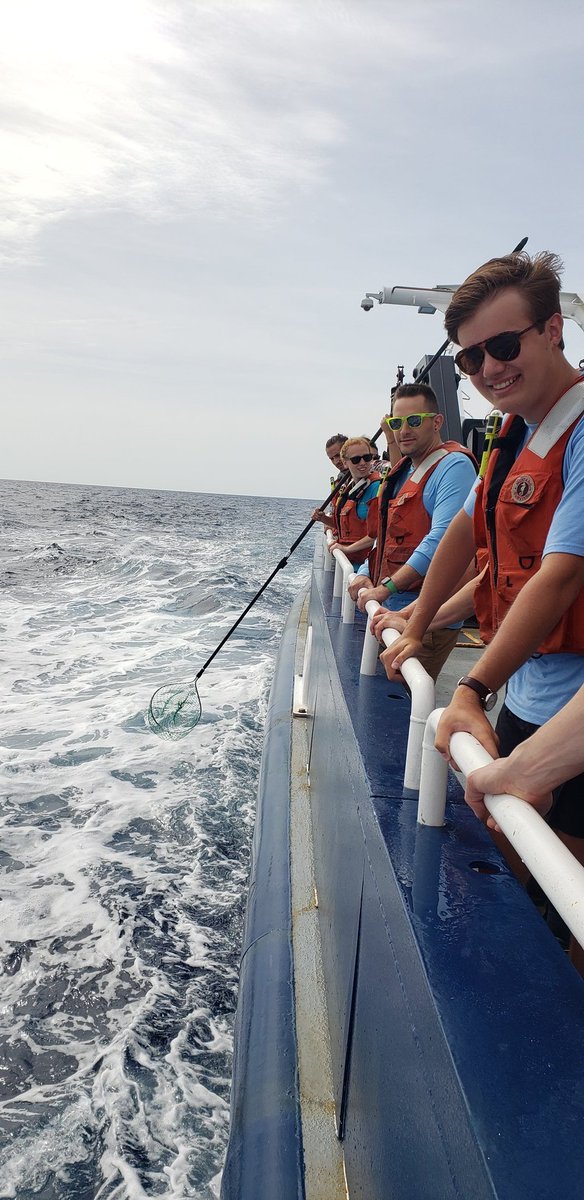
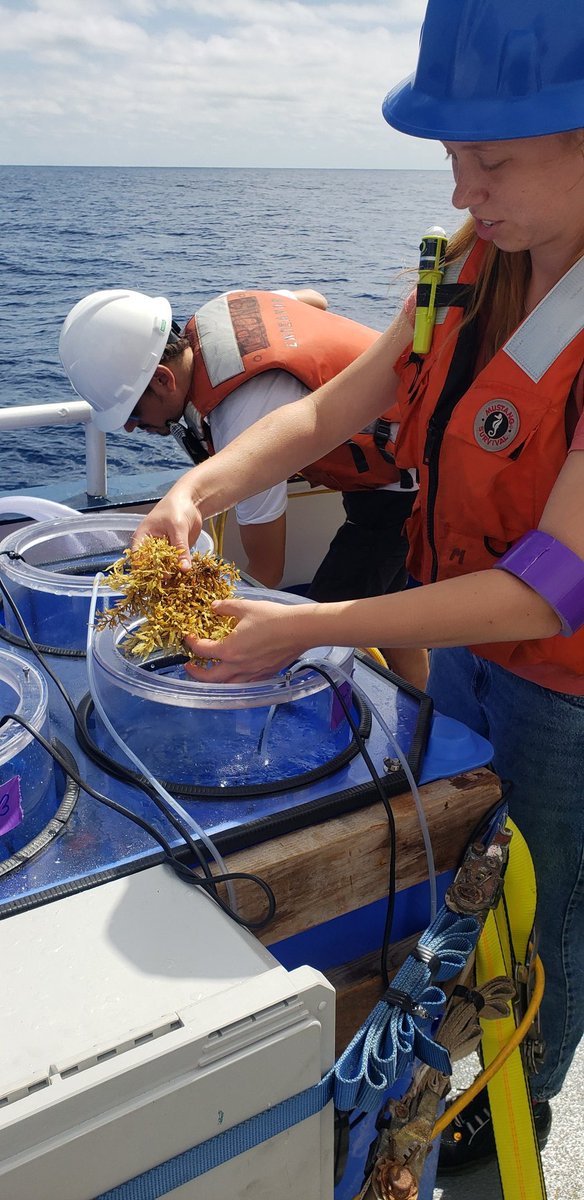
Our colleagues from @MarineMicrobio then started their incubations with this Sargassum. Their goal was to measure bacterial responses to Sargassum degradation, which will help us understand the flow of carbon from Sargassum to microbes