Genetically programmed for the Wheel of Misfortune. USAF Vet. Cubs fan. Love dogs, hate hypocrisy. I was a soldier in the WAR AGAINST WOMEN, alas I surrendered
There's something profoundly strange about a civilization that worships a God whose angels carry flaming swords, yet increasingly treats the very idea of defending boundaries as a moral defect. We condemn prisons, recoil from enforcement, and imagine that compassion alone can restrain men who possess none. Scripture never promised a world without evil. It warned us what happens when good men refuse to confront it.
@CurlyBill15@BuzzPatterson I hated "Demonstration" flying. I hated the idea that crews would, "put on a good show." And the next time someone would try to out do it. Take it just a bit further, just a little more edgier,
One of the saddest things I've ever read. A unflinching look at the wasteland that is modern dating where women Airbnb their bodies in a futile quest to find true love. https://t.co/PwNKsB5a3a
One of the least understood campaigns of the Second World War was Japanese, German, and Italian submarine assault on America (the whole continent).
In December 1941, nine Japanese I-Boats arrived on station off the West Coast of the United States, and nearly two dozen others off Hawaii. The west coast boats attacked eight ships and sank two ships and damaged two others. The result was the creation of a inter-locking convoy system between West Coast ports and the use of elements of the Pacific Fleet to escort convoys to Hawaii and prevent its isolation by a program of unrestricted submarine warfare by the Japanese. However, the latter never happened.
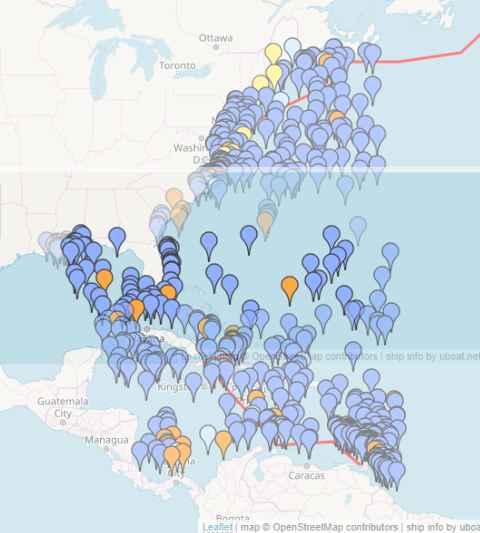
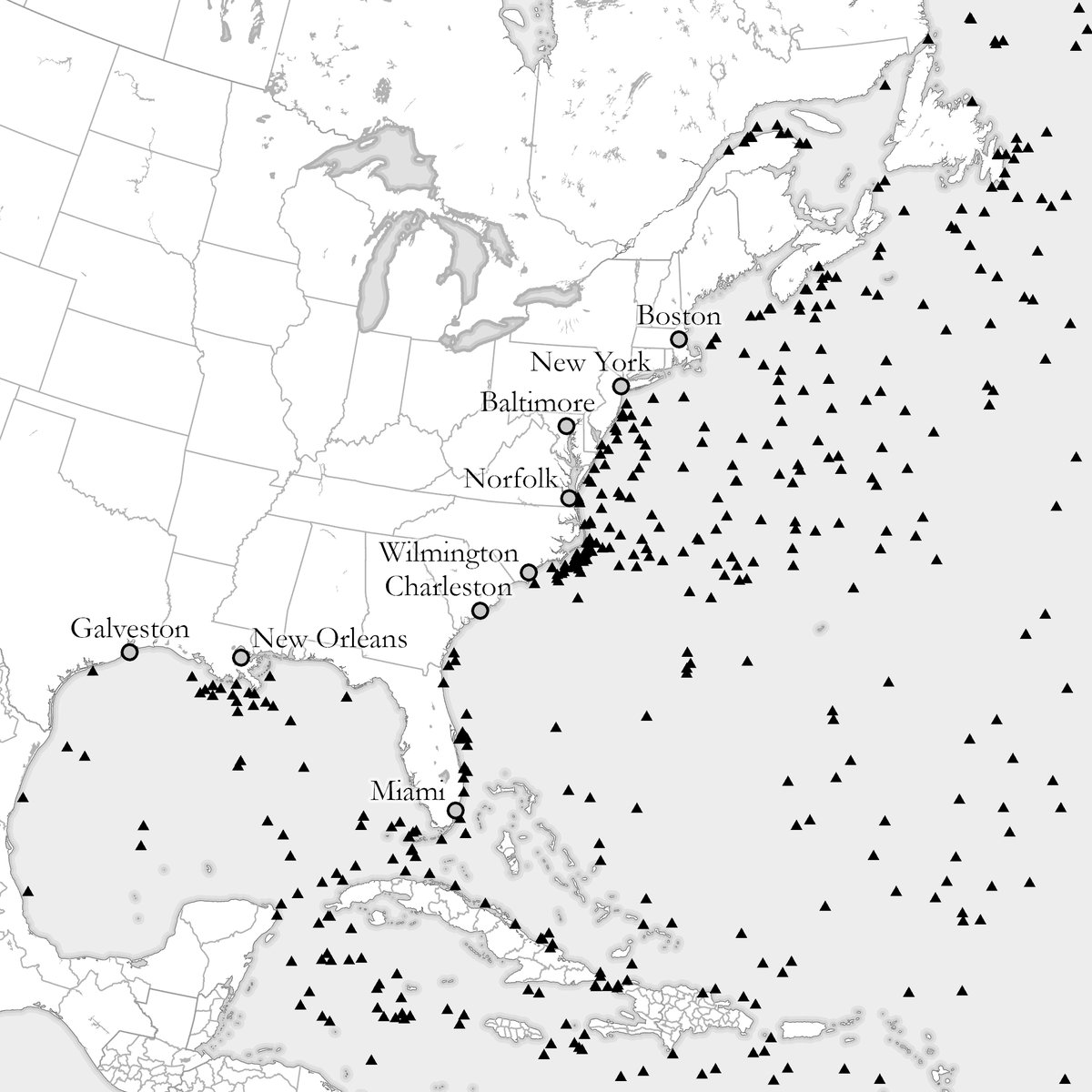
In the meantime, the Germans dispatched the vanguard of a fleet of U-boats to the east coast of North and South American. Five Type IXC submarines initiated Operation Drumbeat in January 1942. All told, German submarines completed 184 patrols until August 1942, ranging from the St. Lawrence River to the Gulf of Mexico, Panama Canal and Caribbean Sea.
The German and Italian submarines sank 609 ships for 3.1 million tons. These represent one-quarter of all the ships sunk by German U-boats during the war. All of this for the loss of 22 U-boats and in exchange they sank 143 tankers. In the meantime, the Allies focused their limited escort fleet on maintaining the Lend-Lease convoys across the Atlantic and transporting the first elements of the U.S. Army and Air Forces to Europe.
In the Pacific, the US had to commit seven cruisers and fifteen destroyers to convoy operations, while Japanese I-Boats took aim at the U.S. fleet and damaged the carrier Saratoga and sank the oiler Neches in January.
The Battle for America's oceanic supply lines in 1942 are a story that is not widely known but absolutely essential to understand how the Allies eventually achieved mastery of the seas.