Teachers: Looking to add some space to your classroom? We have great resources to help you get ready…set…learn! Stay tuned for more #BackToSchool content from @NASASTEM: https://t.co/kDPpP2XwYd
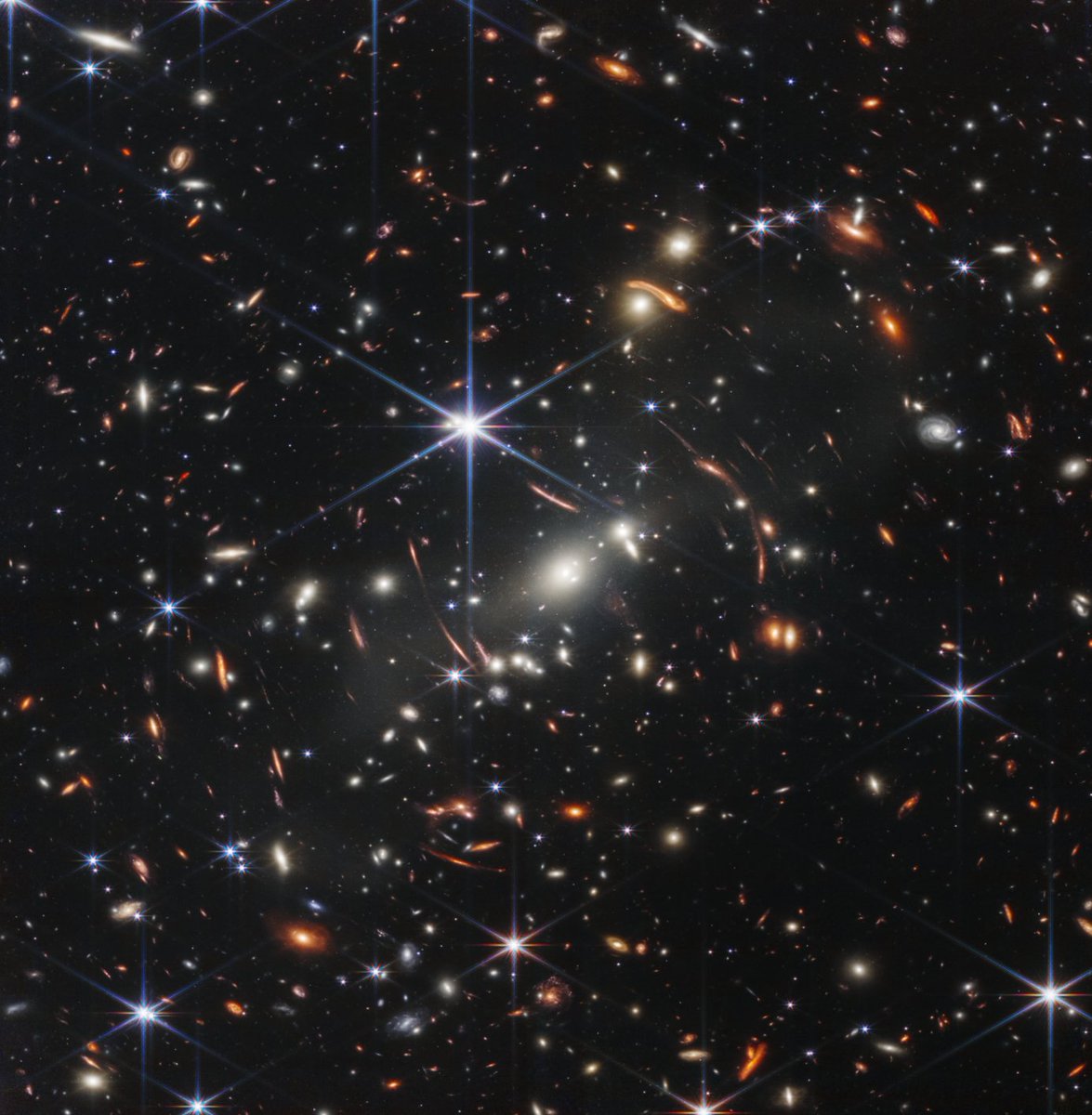
👀 Sneak a peek at the deepest & sharpest infrared image of the early universe ever taken — all in a day’s work for the Webb telescope. (Literally, capturing it took less than a day!) This is Webb’s first image released as we begin to #UnfoldTheUniverse: https://t.co/tlougFWg8B
Ever swam in a floating forest? This #WorldOceansDay, we invite you to discover (and help protect) the spectacular floating forests of the ocean – kelp forests! Make a difference by joining our #CitizenScience project today: https://t.co/rYq3naVMB2
Get your brushes, dance moves, guitars, and crayons ready! 🖌️
On July 12, Webb will release its first images. What do you think it will discover? Use #UnfoldTheUniverse to share your Webb-inspired art (of any kind) with us! More: https://t.co/9hTPjWqqgr
Interested in increasing access to knowledge and expanding opportunities for new voices to engage in #Science? The NASA Transform to #OpenScience Program invites you to their 2023 Year of Open Science Community Forum on June 9th at 1pm ET. Register: https://t.co/qQznEhm2VX
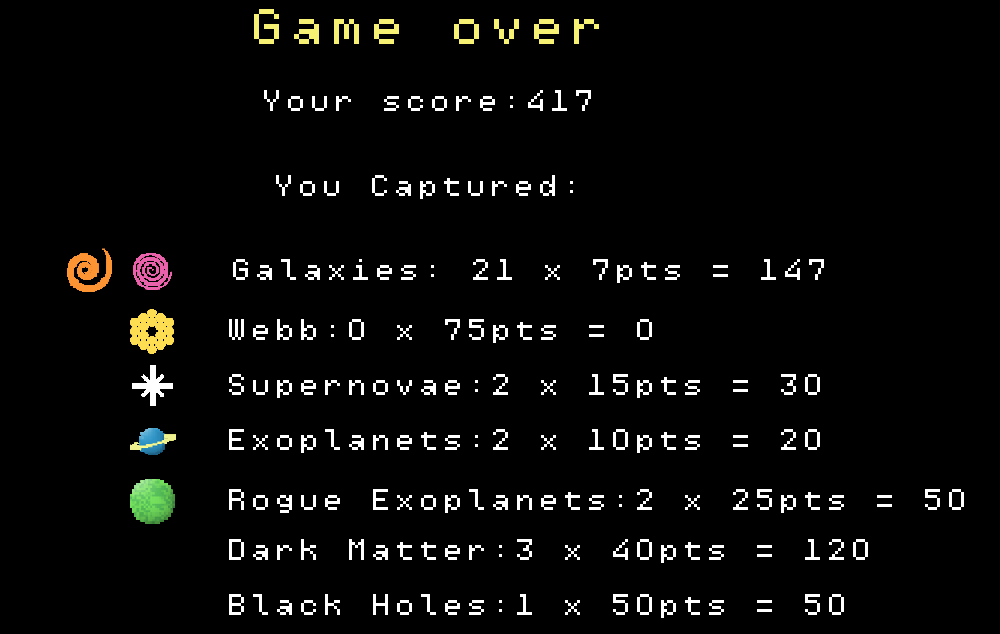
INSERT COIN TO START: The Roman Space Observer Game is out now! Do you think you can beat Astronomer Michelle Thaller's 147 Score? Screenshot your score and use #RomanObserverGame for a chance to be added to our twitter moment!
https://t.co/FrKx1Ir9i5
You have a date with @NASAWebb. On July 12, the first full color images and data from the world's most powerful observatory will be revealed: https://t.co/pmp6eqioBz
It's time to #UnfoldTheUniverse.
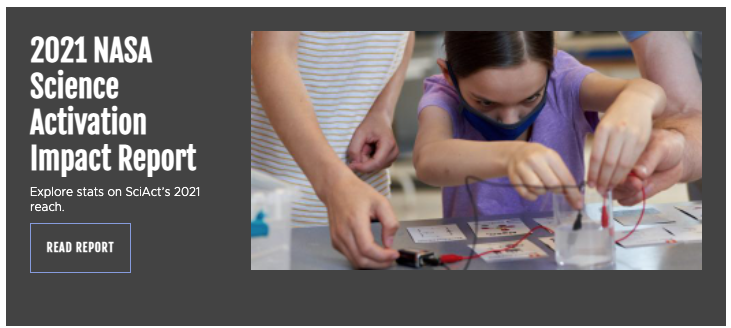
I am excited to have led and co-authored the publication of the very first NASA Science Activation Impact Report. Having only fully joined our leadership team this past February, I'm quite proud of how it turned out. https://t.co/SP0g8qVV5F
Goodnight Moon. 🌕
@AstroMarshburn reads out loud from the well-known children’s book, Goodnight Moon. You can also watch the full “Read Along, Draw Along” event hosted by Crayola and HarperKids here: https://t.co/FJmWwZgISm
Meet @NASA architect, Diana Chan. When she’s not modernizing workspaces and redesigning buildings, Diana is sharing her experience and culture to inspire others through STEM and educational outreach. Hear about her latest project and favorite cultural tradition.#AAPIHeritageMonth
JUST RELEASED: Issue #8 of our graphic history series is here!
🔎 Explore what astrobiologists are looking for when searching for life–what we call biosignatures–through a comic book-style narrative.
Grab a digital or e-reader copy today: https://t.co/AF720ek9bf
.@NOAA's newest satellite, #GOES18, has sent back the first images of Earth from its Advanced Baseline Imager! 🌎
Check out this stunning imagery, showcased in this week's #EarthFromOrbit video!
Learn more:
https://t.co/DpiW0qcjOG
It’s not too late to sign up for the #Artemis I @NASASTEM Learning Pathway, which provides learners and educators with resources about our upcoming mission.
Get access when you register: https://t.co/NIkZBMkmXC
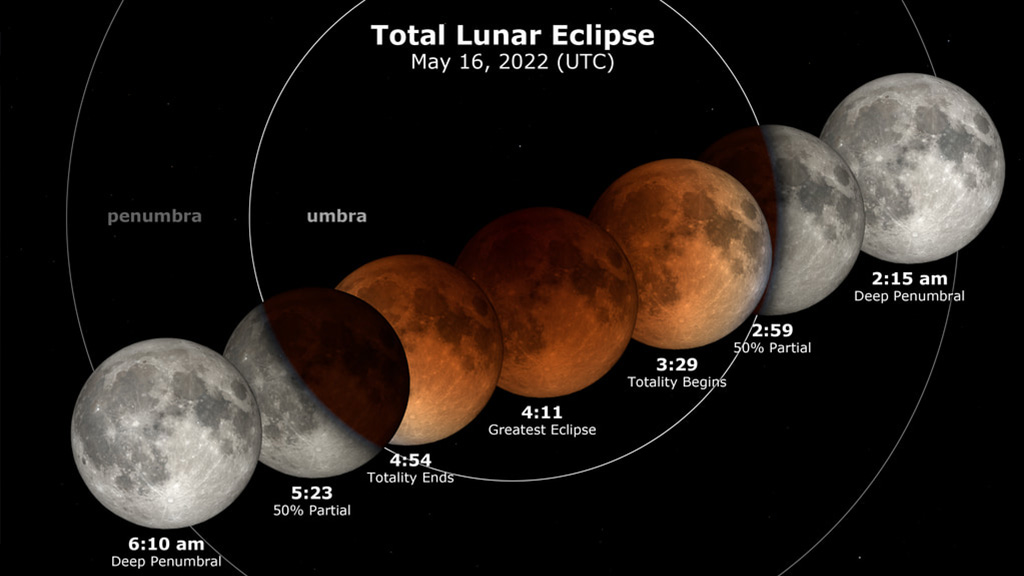
Tonight's full moon will turn red for those in the lunar eclipse viewing area!
In a total lunar eclipse, the entire Moon falls within the darkest part of Earth’s shadow, called the umbra. When the Moon is within the umbra, it turns a reddish hue.
https://t.co/NhV6jKXUQi
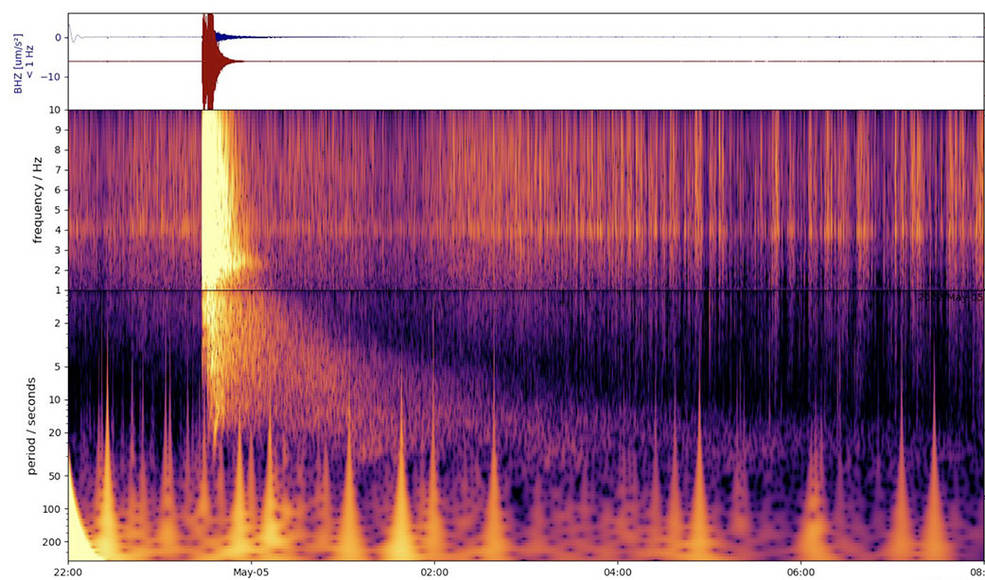
WOW! @NASAInSight's team & @CNES partners just received prelim data from Mars on what's believed to be the largest seismic activity ever recorded on another planet! Preliminary estimate: Magnitude 5 event. Must be patient as teams analyze the data: https://t.co/YrpPAufROX
#HappyMothersDay from Hubble! 🌻
We have a cosmic bouquet for you! This image of the “Sunflower Galaxy” (M63) is a beautiful view from 27 million light-years away.
Find out more about this spiral galaxy: https://t.co/mCvO3B1w56
Galaxies are pretty to look at, but they can also be pretty to listen to – and scientifically valuable!
In this sonification of Hoag's Object, bright light is represented as louder volume, and light farther from the center is higher: https://t.co/nY3Wo1e6bc
#GalaxiesGalore
What kinds of plants can we grow and eat in space? The "Growing Beyond Earth" project enables student “citizen scientists” to contribute data toward NASA mission planning. #stem https://t.co/HuRBn9u1eO #STEMvideohall
Authentic NASA research experience for high school students! Amazing. (Part of the NASA Science Activation Program!) https://t.co/1Mnw5BvktY #STEMvideohall