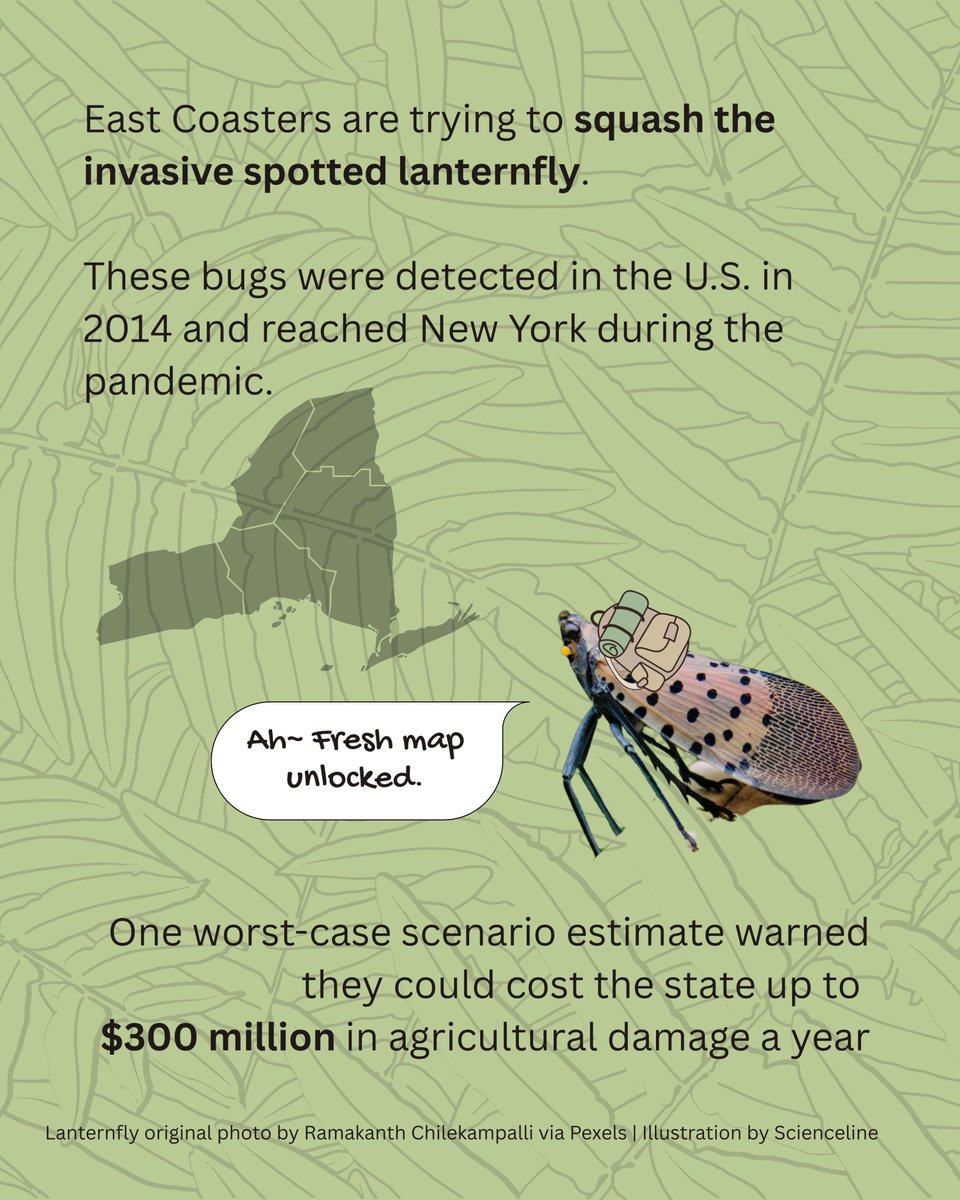
When Isabel Gil moved to NYC last summer, she noticed that East Coasters were trying to stomp out the invasive spotted lanternfly. But, experts told her a different story from ‘see it, stomp it’. Go listen to “Stomping out” a species that is here to stay https://t.co/ZbHP8W4tig
For #EndangeredSpeciesDay, @3mm4sm1th (SHERP 44) had a serendipitous encounter with a snoozing Hawaiian monk seal on a Maui beach. Volunteers from @TMMC were on hand to keep the endangered local safe and share conservation tips with visitors. #Conservation#HawaiianMonkSeal
Lithuania's peat bogs could help the climate and defend the border, too. Go read about it in Avril Silva's story for the @nytimes https://t.co/lO1dZq6BIM
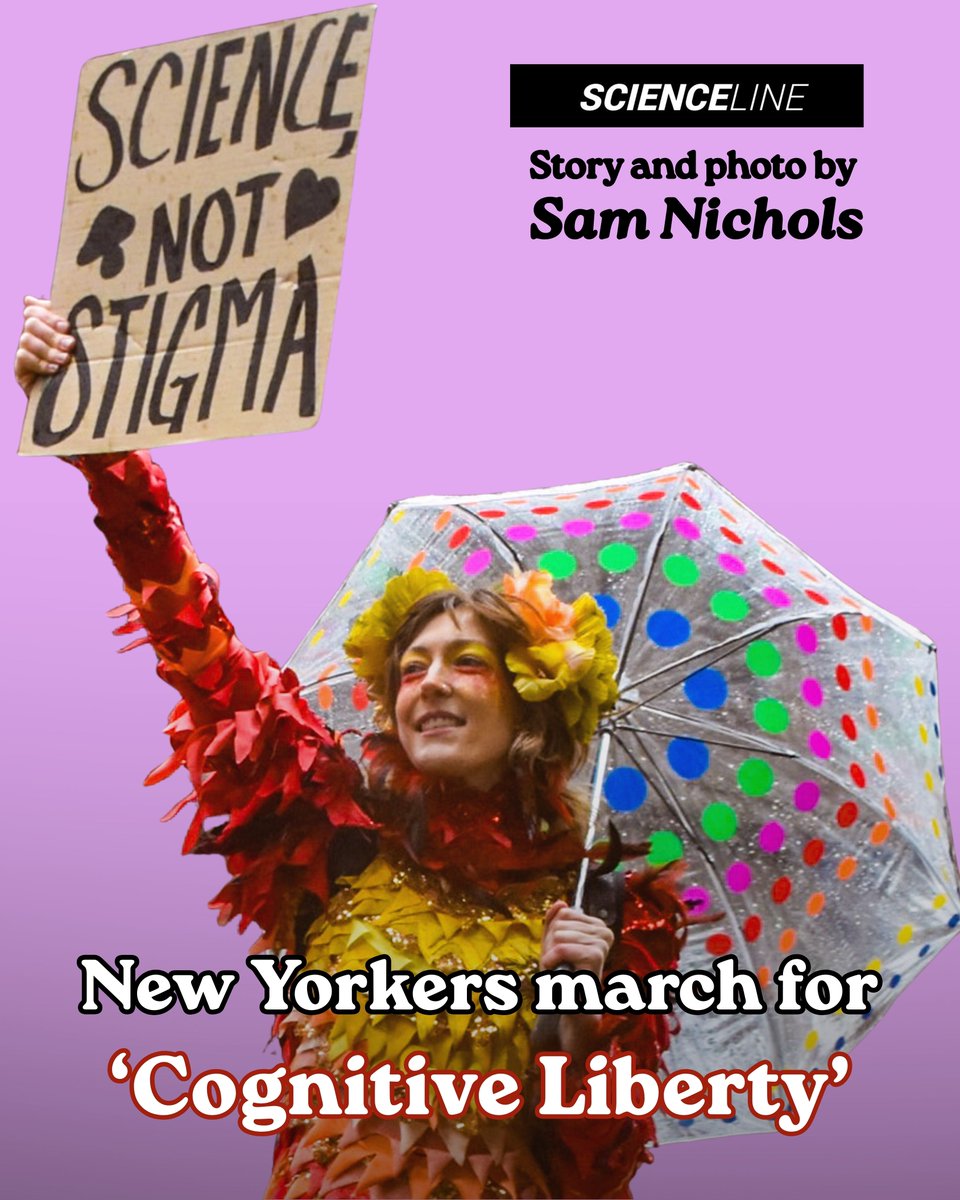
On April 19, people marched through Manhattan to advocate for better access to psychedelic substances, "I try to advocate for psychedelics because they���ve personally helped me on so many levels,” said Kat Lakey with @psychassembly. Read it by Sam Nichols: https://t.co/hTzJ59I8GM
It may be the dawn of Artificial General Intelligence or AGI, people who are behind Artificial Intelligence say. The key aspect of #AGI is it's an #AI “able to do anything a human can," Alissa de Chassey reports. Read more about AGI on Scienceline: https://t.co/d2UaZxBzmZ
Ongoing conservation efforts are turning to a new tool: public attention and pride. By designating endangered birds as state mascots, experts believe the added visibility could support both the species and the habitats they rely on, Madeline Shaw reports: https://t.co/8LSfgxN490
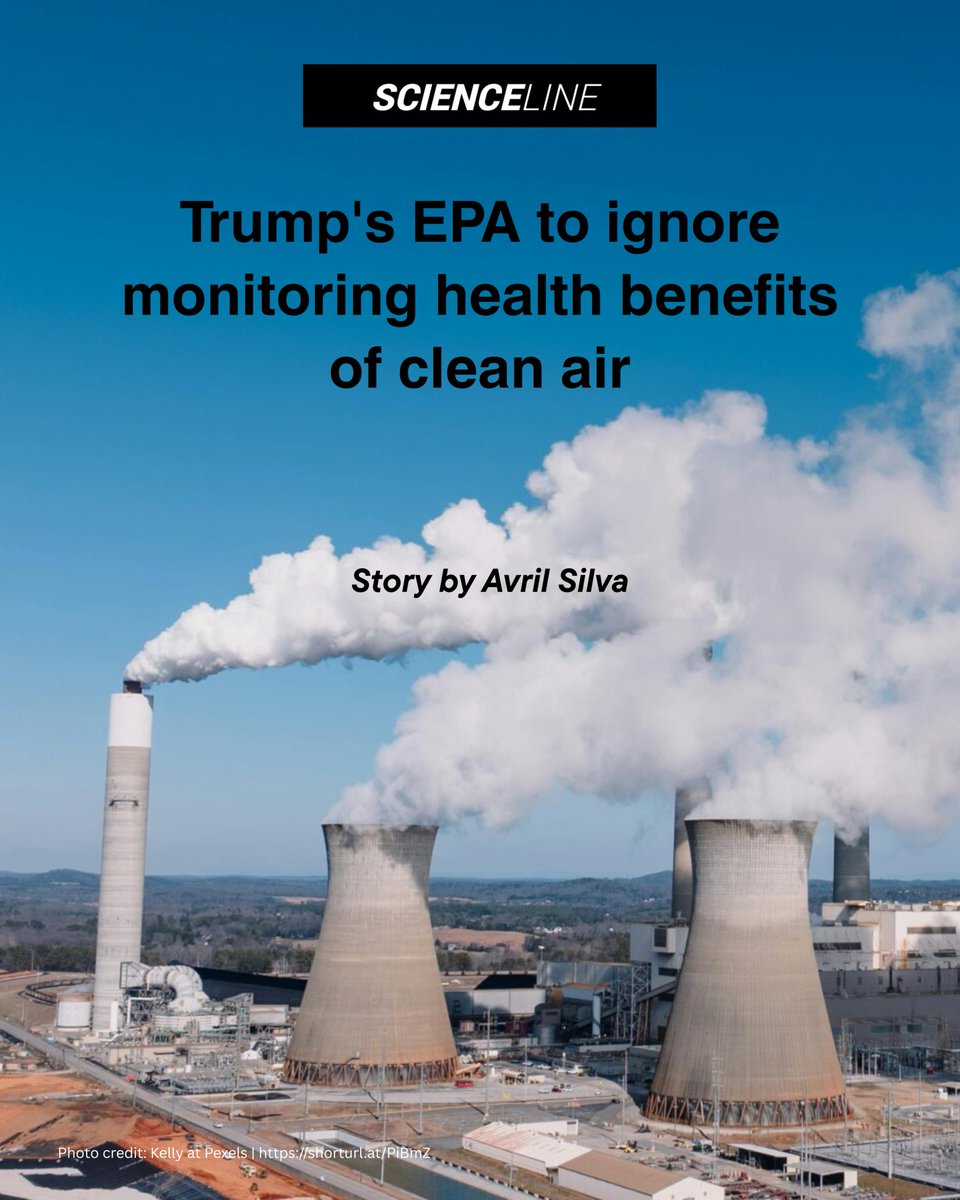
Advocates are disturbed. The U.S. Environmental Protection Agency declares it will no longer consider the economic benefits of cutting air pollution — only the cost to emitters. Avril Silva spoke to WeACT to learn more about what this means. https://t.co/A8gKahNw5u
We had fun in the rain on 4/19. Hope you did too.
As psychedelics bloom, New Yorkers march for ‘cognitive liberty’, via @Scienceline https://t.co/0vG89abbvL
Stoats kind of went viral during the Olympics.
People loved watching their favorite athletes being handed adorable stuffed animals. But in real life, these cute creatures face challenges due to climate change, writes Julie Zenderoudi. Read more here: https://t.co/cychF1ObkK
Avril Silva took us along with her as she visited the @AMNH new exhibit which highlights the impact of the meteorite and the end of the dinosaurs. This exhibit will leave the museum at the beginning of 2027, so go visit soon! #NYUSHERP#Video#AmericanMuseumofNaturalHistory
Why do we have panic attacks? Our #AskScienceline writer Isabel Gil took the question to Rafaella Reytan, an assistant professor of clinical psychiatry at the University of Pennsylvania to find out. Send us science questions at: https://t.co/6G2BI73RYh
Our famous Ask Scienceline is back!
Do you have a science question you want answered? Scan this QR code and send it to us!
Our #AskScienceline writer Isabel Gil will go the ends of the earth to find the answer for you. Or fill out this form: https://t.co/EkX3P6KuXI
It's been more than five years since the National Park Service announced the closure of Dead Horse Bay in Brooklyn. At the time, survey results had shown radiological and chemical contamination. Sarah Hofmann went to see what is happening. Go listen now! https://t.co/RYw2sxiyGL
Have you subscribed to Scienceline’s #Newsletter yet? Don’t wait and risk missing even more incredible stories delivered every Friday straight to your inbox. Go to https://t.co/ud7GILs51J and subscribe now!
In her latest, Georgia Michelman talked to scientists and tobacco harm reduction advocates about the two sides of #vaping, and whether anti-vaping campaigns have gone too far, failing current smokers. Read more on Scienceline at https://t.co/g0QGpeBVZs
Did you know #SHERP publishes audio? In Avril Silva's recent piece, she covered #SexEducation, which continues to go federally unmandated. As as result, young menstruators are not receiving education on their periods. Go read and listen on Scienceline! https://t.co/49DQNh8Fi1
Athletic trainers treating the nation's top young athletes are leaving the field because of #burnout. Hear from the clinicians and experts themselves on what factors are driving them from the sideline. Read more on Scienceline by Avril Silva
https://t.co/7QtJ1UE55p
#DarkMatter is mysterious. Astronomers think it makes up 27% of the universe, but it can't be seen directly. One astronomer thinks it may not exist at all. Read more about the debate on Scienceline, story by Madeline Shaw https://t.co/zTlbeQwRyn
Women Gulf War veterans may be at risk to early menopause as a result of environmental exposures during their deployment, according to a study by @WHIjournal. Story by Avril Silva, read more on Scienceline https://t.co/qnRryWHnTF