Thanks to social media this is one of the most famous battlefield relics from Napoleonic era. It captures the moment of a man's death. It is not a joke or a Monty Python sketch about a scratch. It might not seem so funny if we knew more about the man and his death. 1/10
Moving to the 17th century now, with our own @ArranPJohnston discussing the Dunbar 1650 Project, and and how it helped formulate ideas for our new "battlefield champions" advice booklet.
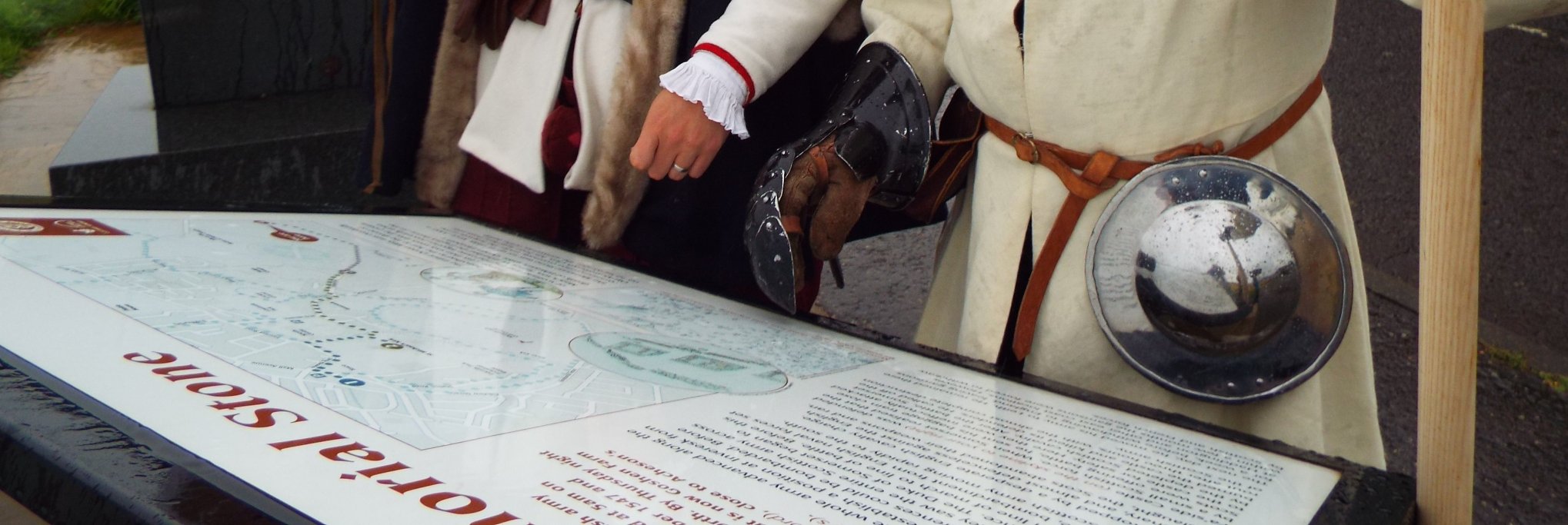
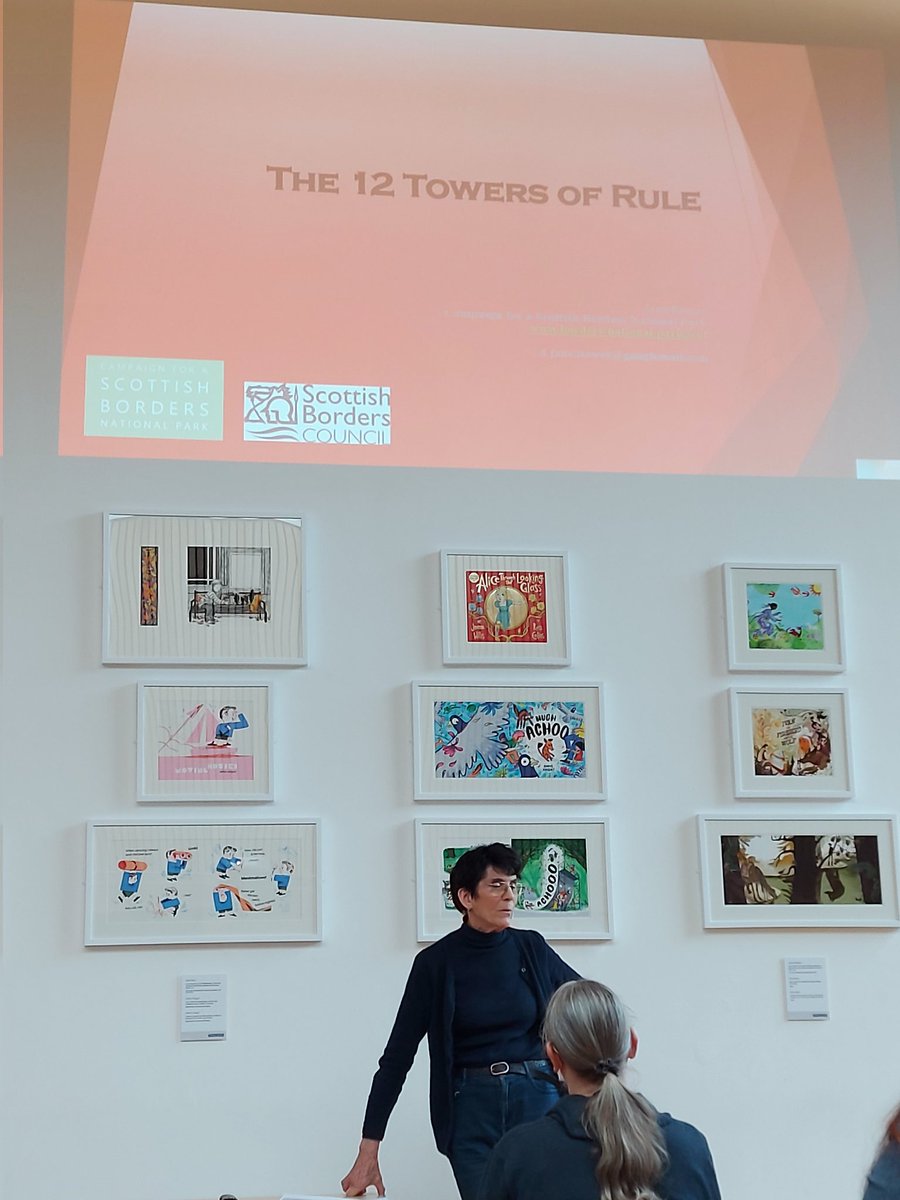
Opening our Rough Wooing session, Jane Bower of the 12 Towers of Rule project explores how they are interpreting and remembering a destructive campaign through the Borders.
Time now for questions on our Rough Wooing presentations, which each provide very different but equally engaging examples of communities approaching their local heritage sites with fresh ideas and new initiatives.
Katey says it cannot solely be left to a single organisation to protect a battlefield like Culloden - and it cannot be done without the support both the geographical community *and* communities of interest.
Concluding our Jacobite session, Katey from @CullodenNTS is updating us on he high-profile challenges they have been facing there, and the NTS position going forwards.
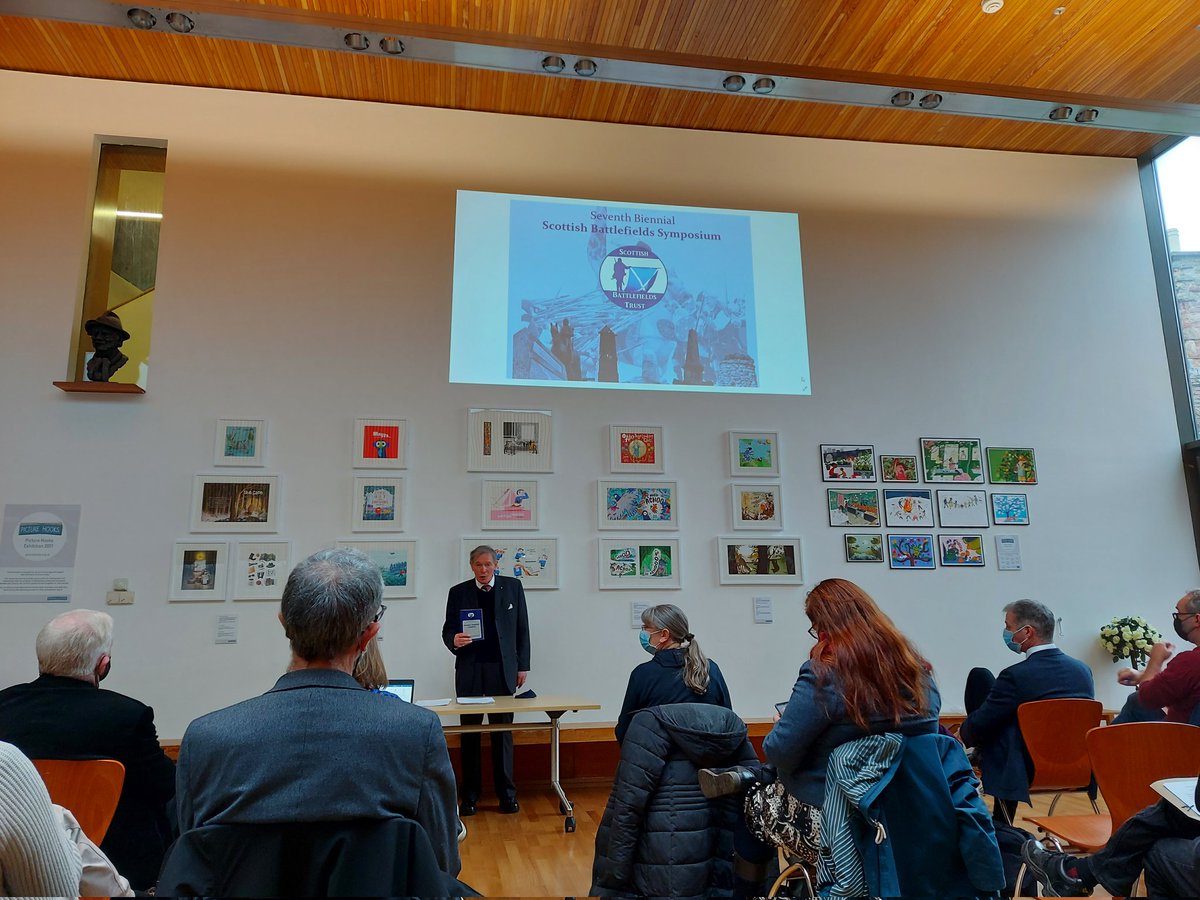
The first session of the day concludes with questions from the floor. We've covered a lot of ground already in terms of the current policy situation, the challenges we all face, and some suggestions for thr future. After coffee we will start again with our first case studies.
Diarmid reflecting on the differences between protecting physical structures and historic (often emotive) landscapes. Considers that Scottish battlefields do not have proactive post-designation management plans which weakens long-term protection, nor formal at-risk assessments.