Wild camping used to be an unspoken contract.
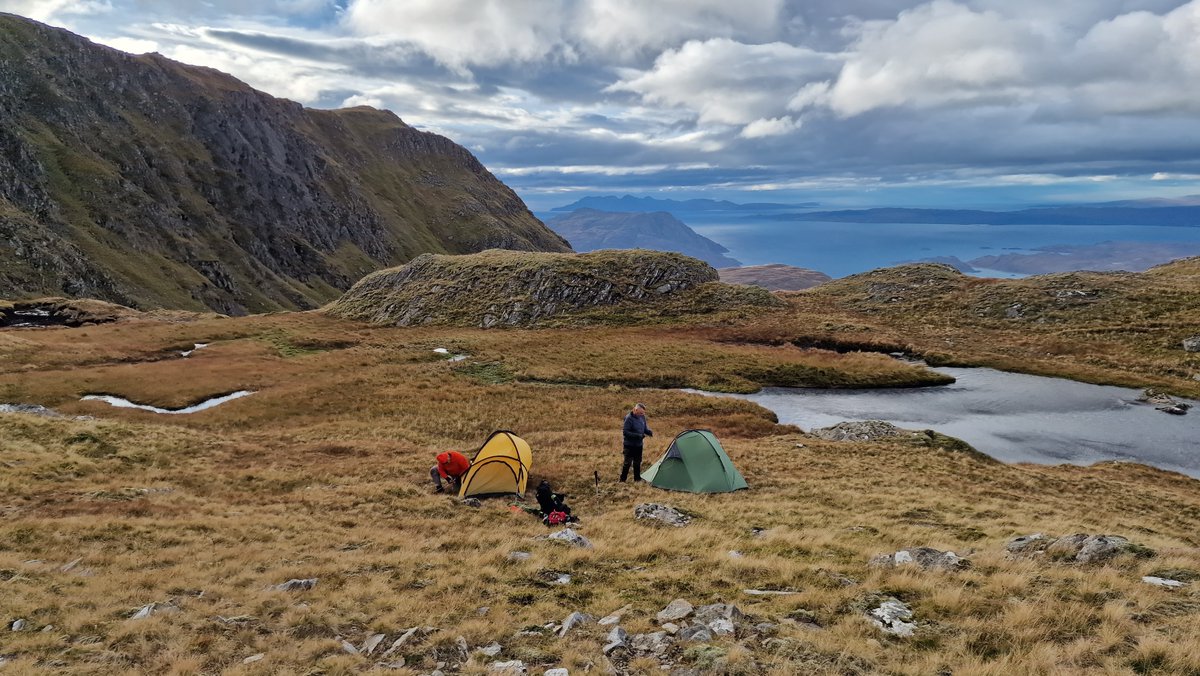
A bivvy on the hill, discreet and temporary.
Camp late, leave early, no trace but a patch of flattened grass.
That was acceptable. More than that - it was part of the tradition of the hills.
Now the contract has snapped.
What we see instead is the festival model: roadside gatherings, Temu tents by the llyn, scorched peat, reels uploaded for the algorithm. The point is no longer to spend a night out, but to show you spent a night out.
Colleagues in the outdoor world mutter about “education.” If only they knew not to light fires on the moor. If only they realised you had to take your mess home with you.
But the issue isn’t ignorance. It’s indifference.
The atomised individual of 2025 values visibility above duty. The hills are just a stage. And once the culture shifts, no code of conduct or glossy leaflet can drag it back.
I’ve written for @scribehound_ctr on how this shift happened, and why the old ethic of quiet wild camping is worth defending.
Link to my articles here (paywalled, but some of the best of British rural writing can be found on the other side):
https://t.co/wYJVWPytpQ
It's Scottish Venison Day today 4 September. Let's celebrate this wonderful and natural Scottish product. How? There's some great recipe ideas on our new website https://t.co/VifbgOx9DN
Latest wildfire danger assessment VERY HIGH for east from 13 - 15 August, VERY HIGH for east and west 16 – 17 August and VERY HIGH for east and west, central belt + southern uplands, 18 – 19 August. More details https://t.co/YHTLDHGHSA
Keeping dogs under close control is vital to protect wildlife. This footage from Poland, highlights the impacts that dogs can have on ground-nesting birds, such as curlew.
Many ground nesters are raising their chicks just now. Keep your dogs close and under control.
📹Borys Kala
🐦⬛ Registration Details of Poultry and Other Kept Birds - Do I need to register call birds in Larsen traps etc?
Yes, the relevant administrations have confirmed this requirement applies to all captive birds with access to the open air and thus includes call birds kept in Larsen and other cage traps (authorised by the relevant general or individual licence).
The administrations have acknowledged that they understand there are specific considerations with these birds, e.g. that these traps will need to be moved regularly around a shoot. They have advised that a postcode or relevant grid reference on the shoot would be acceptable as the ‘registered’ location.
Additionally, there is no need to register multiple traps, or update details of wild birds that have been caught and dispatched. However, all other requirements e.g. those relating to animal welfare and general licence conditions (for the use of such traps) must be complied with.
For more information read our further guidance - link is in replies below.
Venison Supply Chain! The clock is ticking - just 3 weeks left (20th March) to apply with your plans!
We're working with @NatureScot@ScotVenison & @LDNScotland to help low ground deer managers and their supply chain.
Find out more/get in touch: https://t.co/KUJ0RvwzWg
We were pleased to support North Ross Deer Management Group earlier this year as part of health & safety training in helicopter use. Staff worked with estates to drop off stalkers in remote areas where access is very hard & help take carcasses out to be processed for venison 1/3
🏴 This week we have launched the Spring Programme for Woodland Herbivore Impact Assessment training days (WHIALite) and bookings are coming in thick and fast!
🌳We have plenty of events across Scotland but limited places!
🎟️https://t.co/FYtuxzb0yy
In an Avian Influenza Prevention Zone (AIPZ), you must not move wild game birds caught up in the open season for at least 21 days from the date of catching up or the date the last bird arrives at the premises where they’ll be kept. More info ➡️ https://t.co/xyAX8bE2dO
Great to work with @saos_agri_coops, Lowland Deer Network Scotland & @ScotVenison to launch this new £119,000 venison project to support to deer managers in low ground parts of Scotland. The fund aims to improve infrastructure & increase venison production. More info 👇
Avian Influenza (bird flu) H5N1 found in wild bird in Scotland - first since 2023. Bird keepers advised to be vigilant for signs of disease; protect sheds from flooding + feed from wild bird contamination.
Avian influenza: how to spot +report disease - https://t.co/FXa7Jna2wn
The ban on snaring in Scotland, introduced as part of the Wildlife Management and Muirburn (Scotland) Act 2024, will come into effect on Monday, November 25th. From this date it will be an offence to set a snare to kill or restrain a wild animal in Scotland. 1/3
It's not pheasants keeping fox numbers high, it's people. Interesting paper from New Forest NP showing how much of foxes' diet is anthropogenic in nature. Bad for foxes, bad for endangered waders. Stop feeding wildlife people, they can manage just fine. https://t.co/oKpIMdw82F
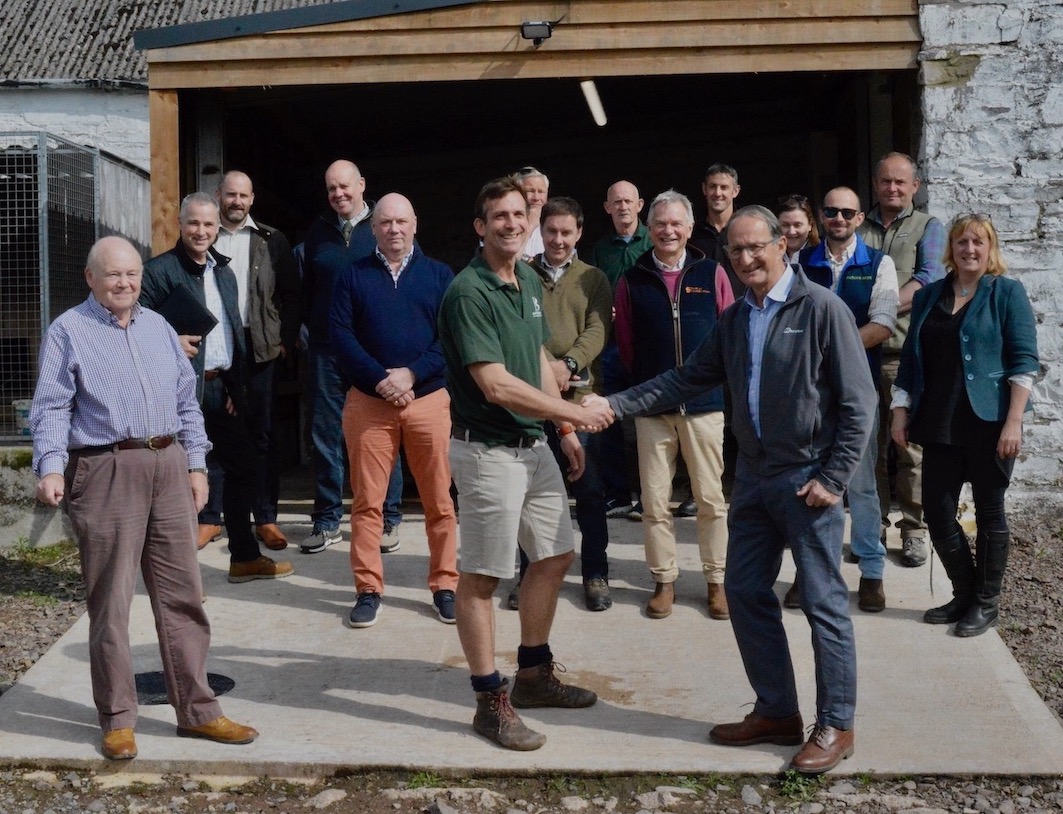
Scottish Venison Day 4 September marked with the opening of a new local chill/processing unit in a converted steading at Barwhillanty Estate in SW Scotland. Full story https://t.co/bvPPAHcusX