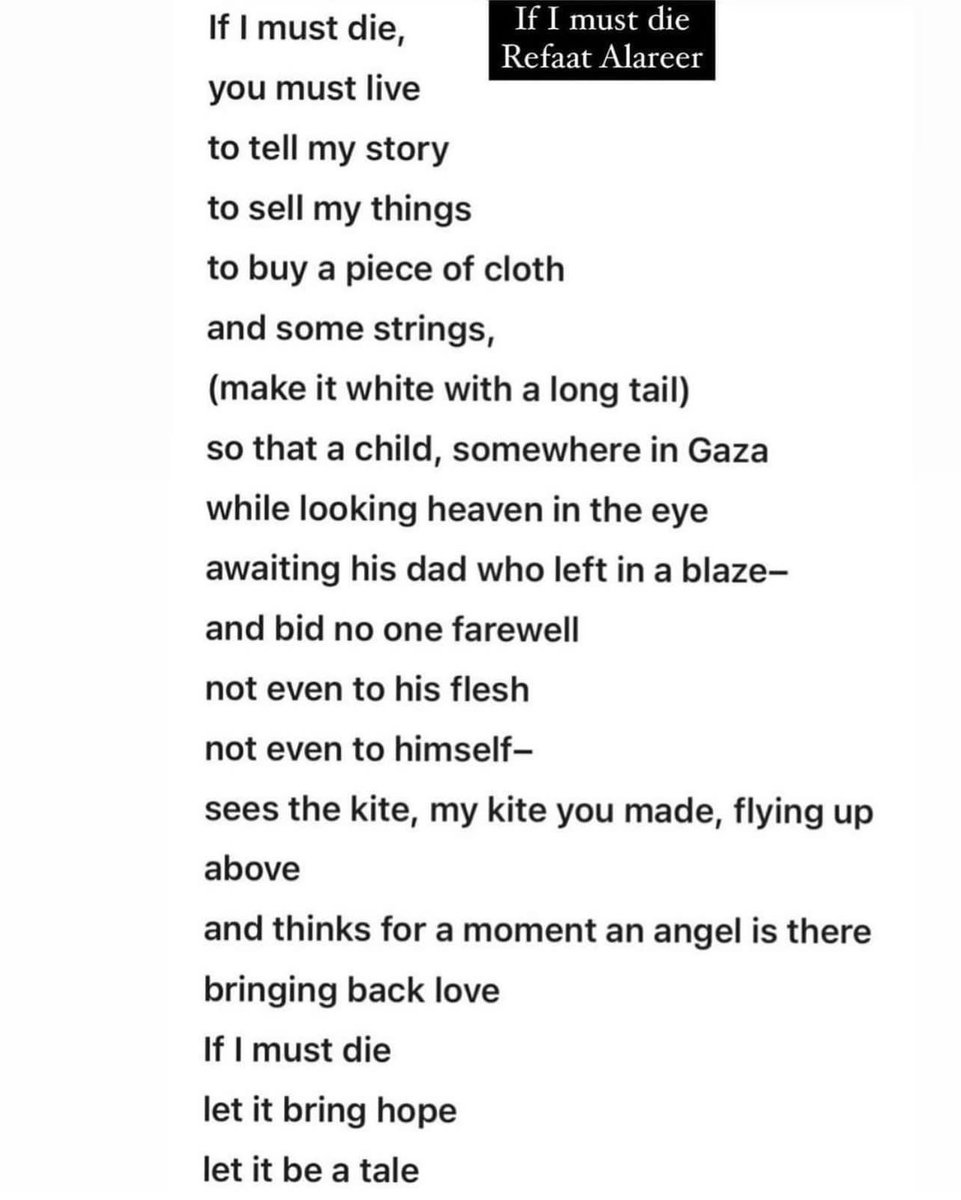
@Keir_Starmer@AngelaRayner It’s not a natural disaster is it. These people were killed, together with at least 43,000 other Palestinians, by Israel, who you ‘stand with’. You’re not ‘humbled’, you’re complicit, you absolute moral disgrace.
A powerful & important article on life for young people in Gaza after a year of horrifying military violence
Proud to have been involved in editing & placing it.
'In Gaza, we have one question for the rest of the world: aren’t we human, just like you?'
https://t.co/BJU8zoBuGe
Mermaids, ‘scare devils’, and an overstuffed Walrus at London’s eccentric @HornimanMuseum | my article for the wonderful @mainlymuseums
📸 19th century 'ningyo' or 'Human Fish' from Japan (photo my own) #Horniman
https://t.co/akSbwsFR6B
@Culture_Crit For some reason you only get to it much further down, but it was first converted in the 15th century, which is also around the time the minarets depicted in your second post were added. Of course, a few years ago it was a museum, but the conversion isn’t exactly new is it.
@RaggedTP Please read more before you post stuff like this. He wasn’t a benevolent dictator toppled by western interests. It was a revolution against a monster. The west has failed Libya no doubt, but at least get your basic facts straight.
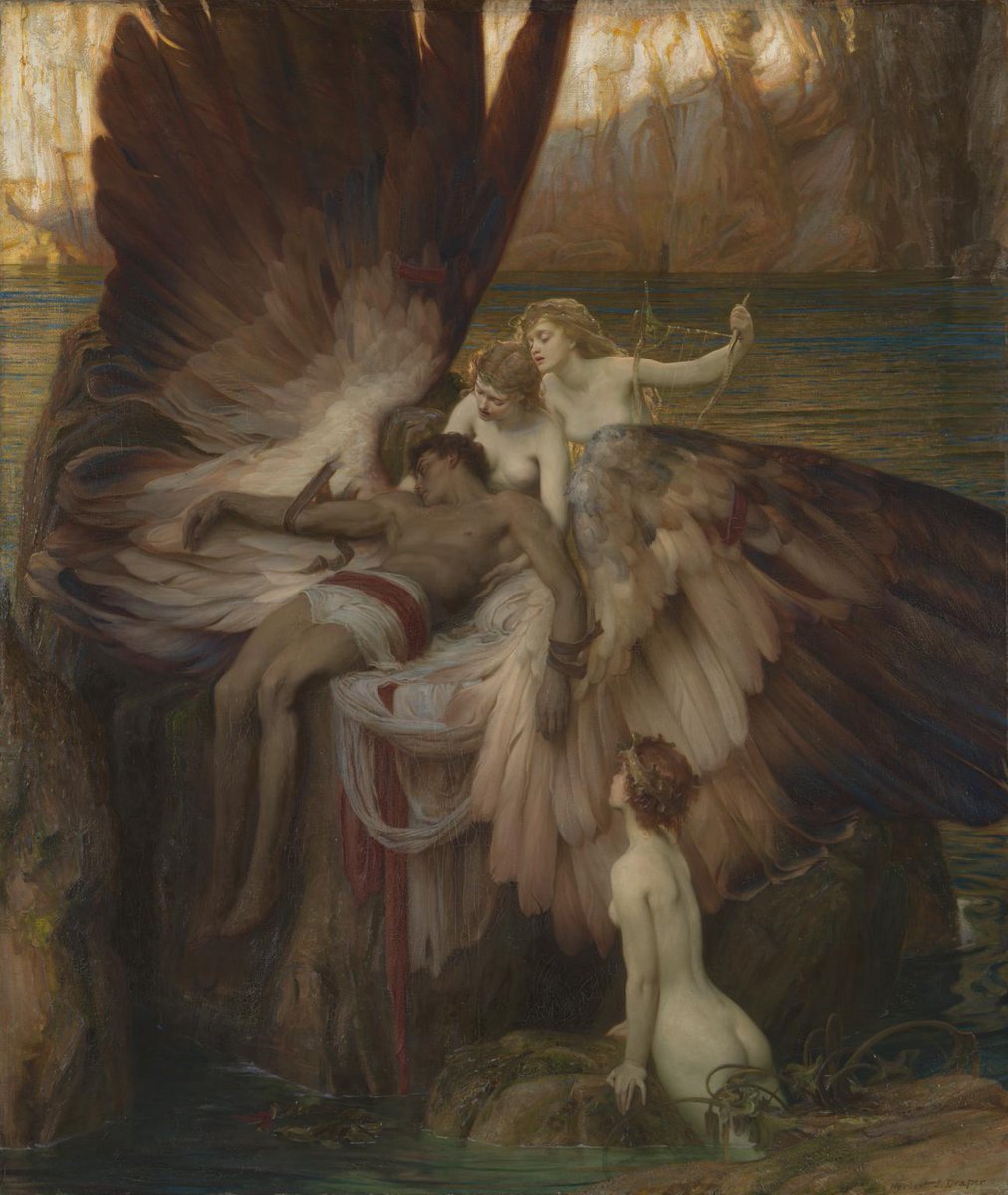
"Never regret thy fall, O Icarus of the fearless flight, For the greatest tragedy of them all, Is never to feel the burning light."
Attributed to Oscar Wilde
The Lament for Icarus, by Herbert Draper (1898) #MythologyMonday
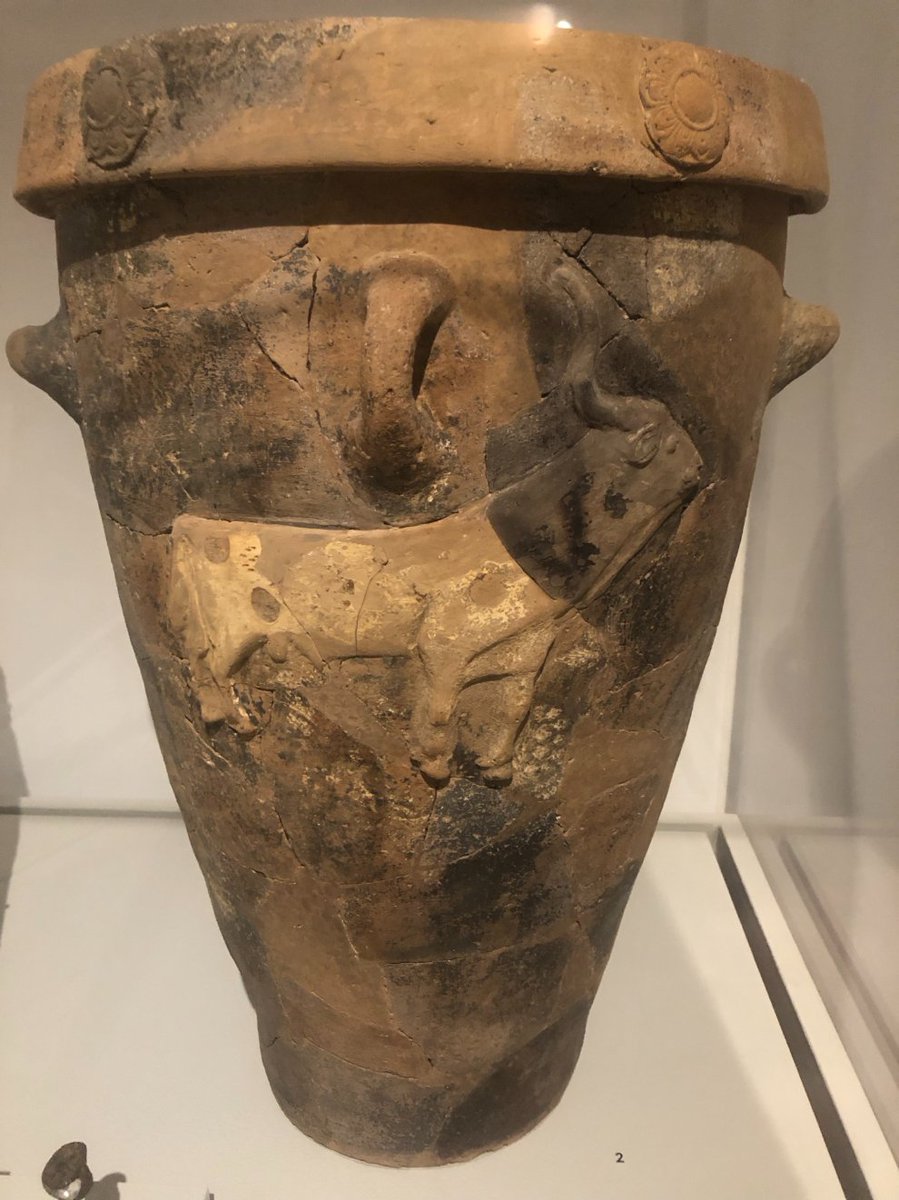
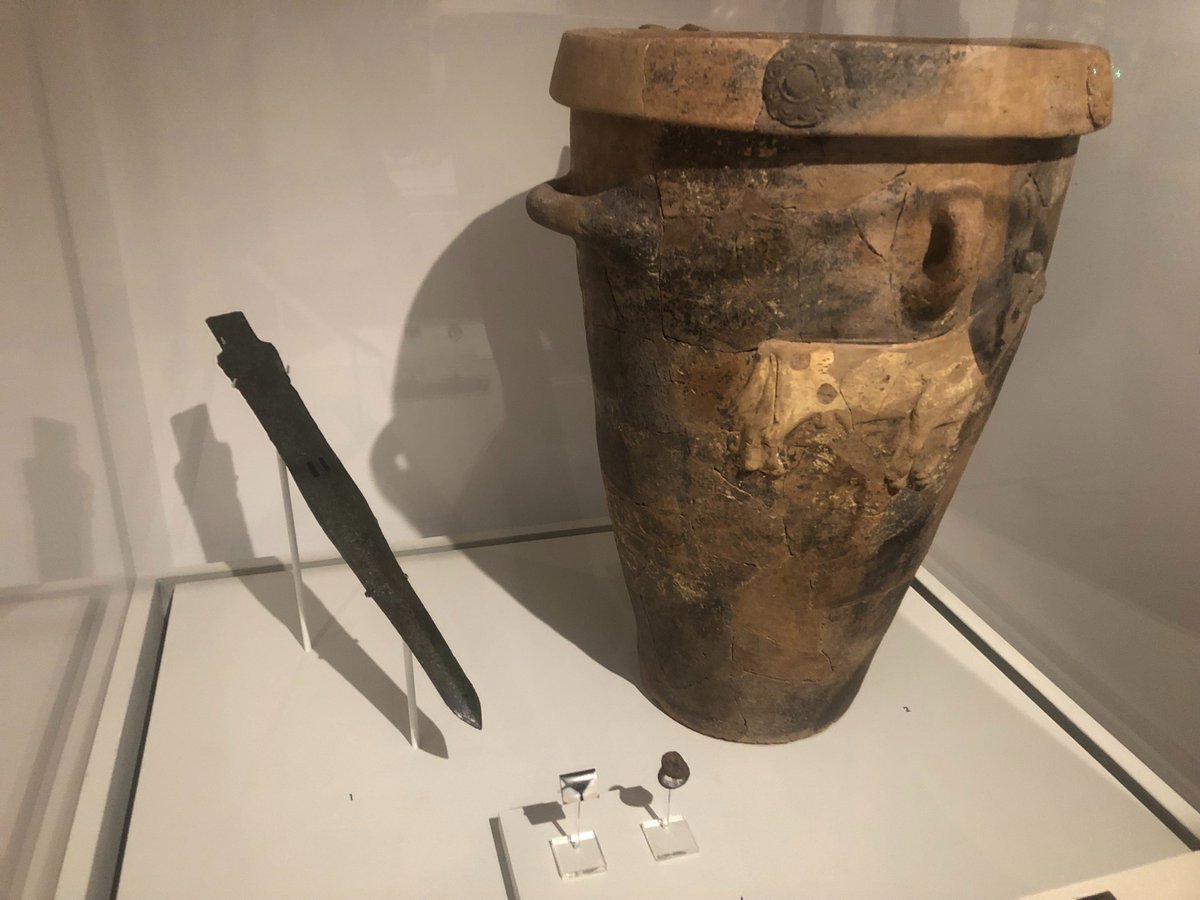
The 'blood bucket' is marked with a bull (L) - a major motif for the ancient Minoans. Given the victim's age, some have wondered if this practice could have given rise to the minotaur myth & the sacrifice of Athenian youths
R: 300 CE (likely Roman)
Via @AshmoleanMuseum
In 1979 in Crete, archaeologists made a grisly find. Preserved mid-ceremony by an earthquake, a boy of about 18 had just been sacrificed. The knife was likely used to cut his throat & the vessel to collect his blood
c1700-1600BC (1/2)
#Findsfriday#OfDarkAndMacabre 📸my own
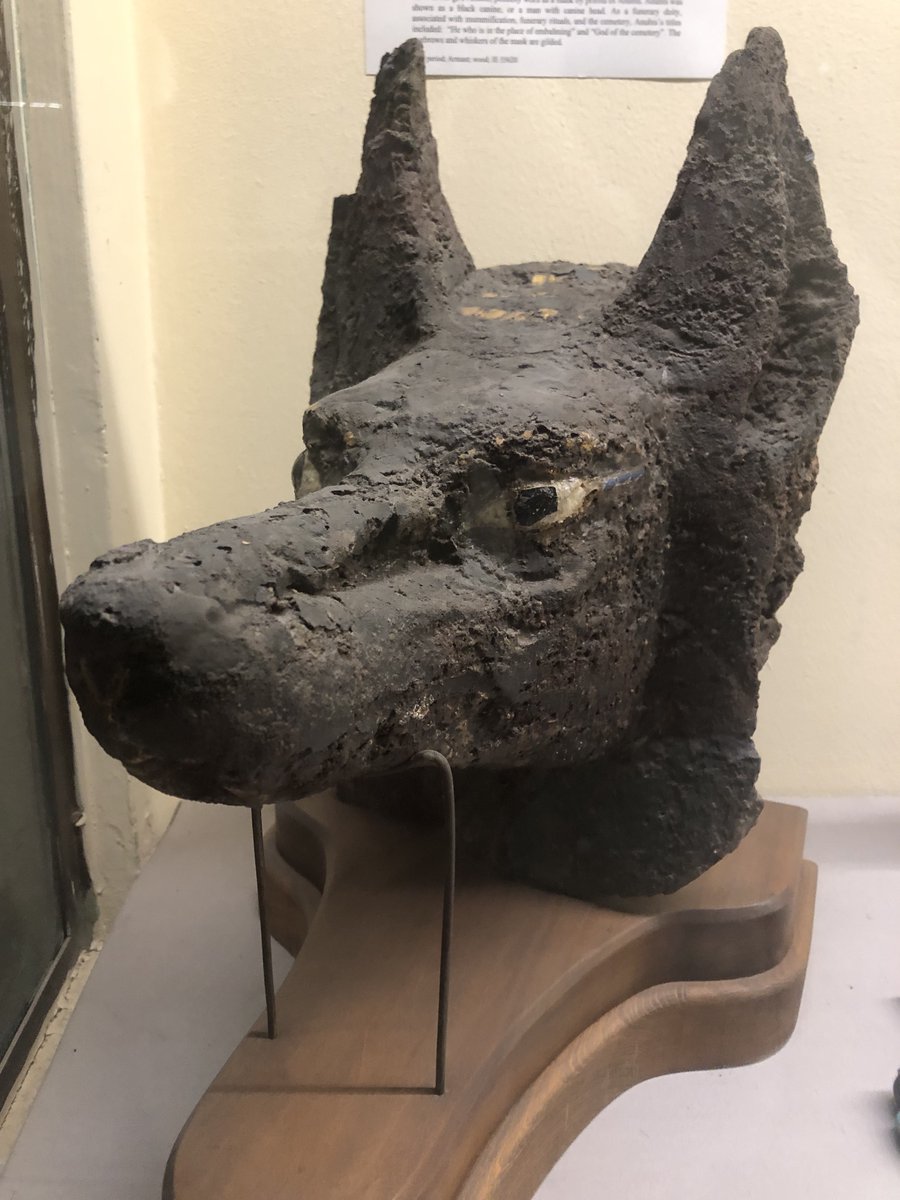
Anubis was a canine headed god of Ancient Egypt, associated with funerary rites, mummification, and cemeteries.
This wooden likeness was possibly used as a mask by the priests of Anubis (Late period: 664 - 332 BCE)
📸 My own via @EgyptianMuseumC#WyrdWednesday
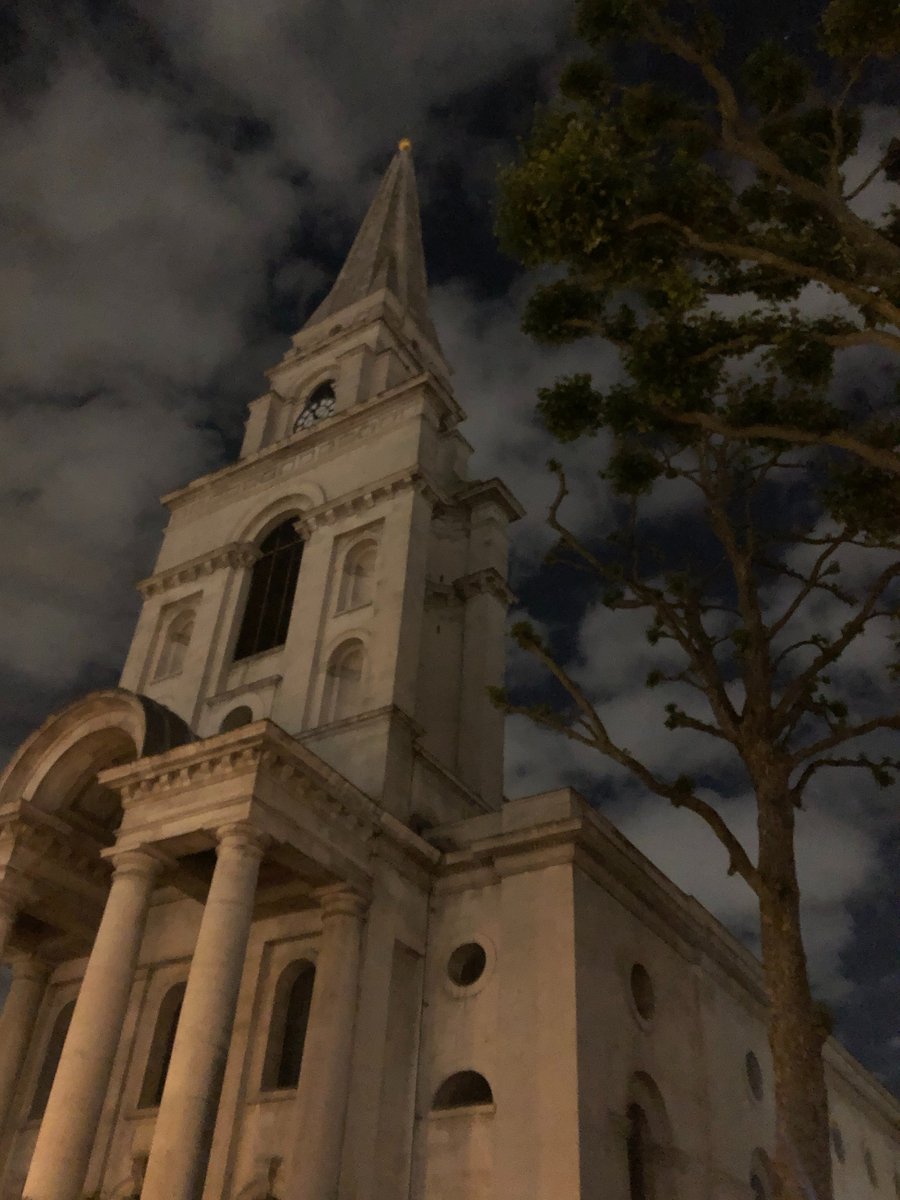
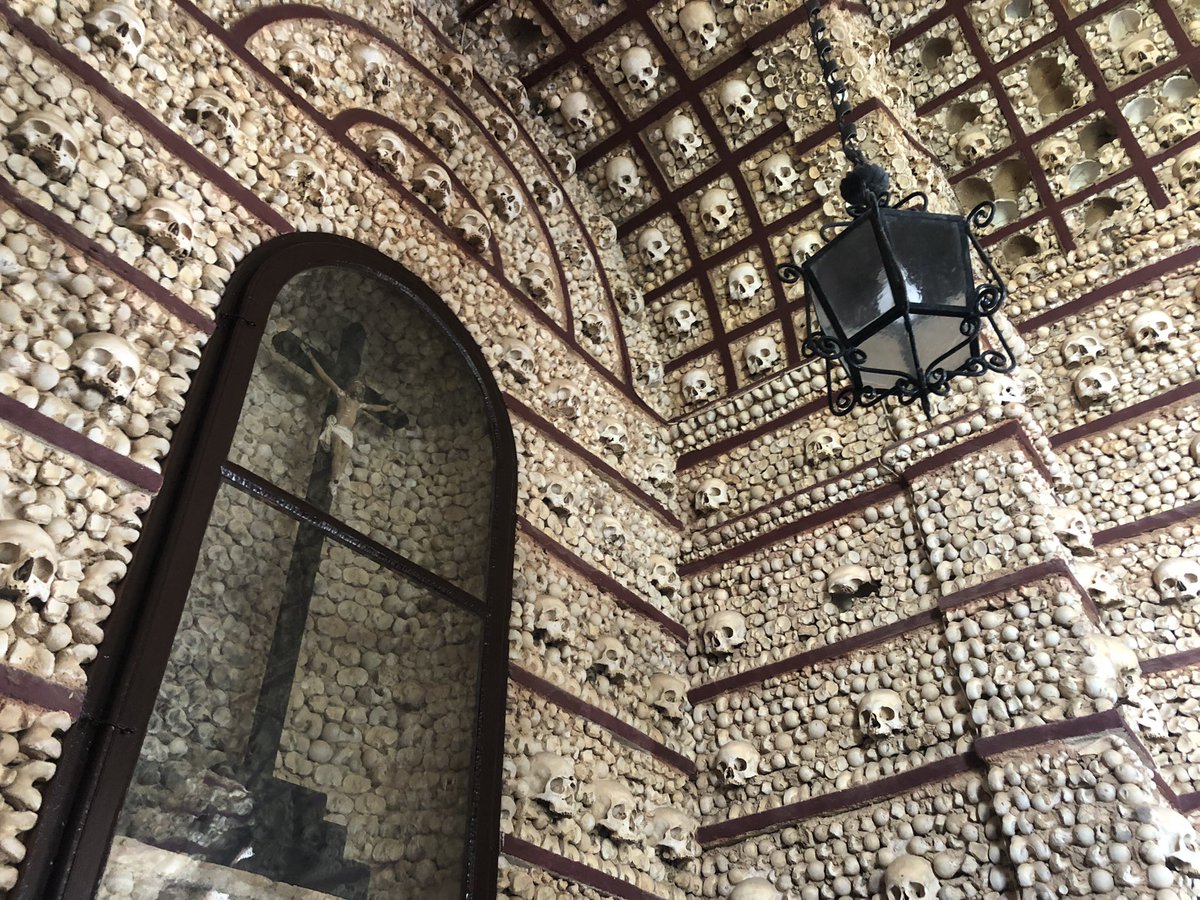
Capela dos Ossos (Chapel of Bones), Faro, Portugal.
Built in 1816, this tiny bone chapel incorporates the remains of 1245 monks.
📸 my own
#ofdarkandmacabre#TombTuesday