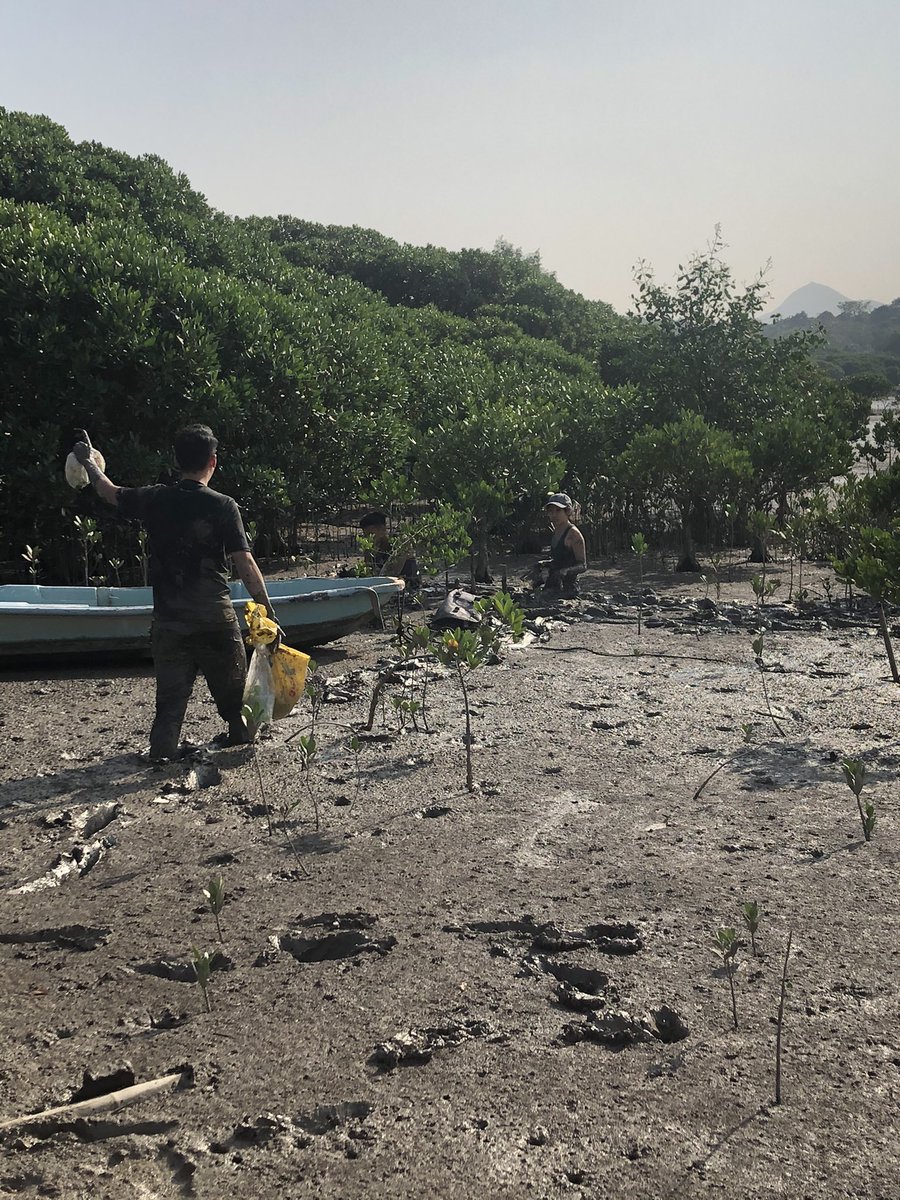
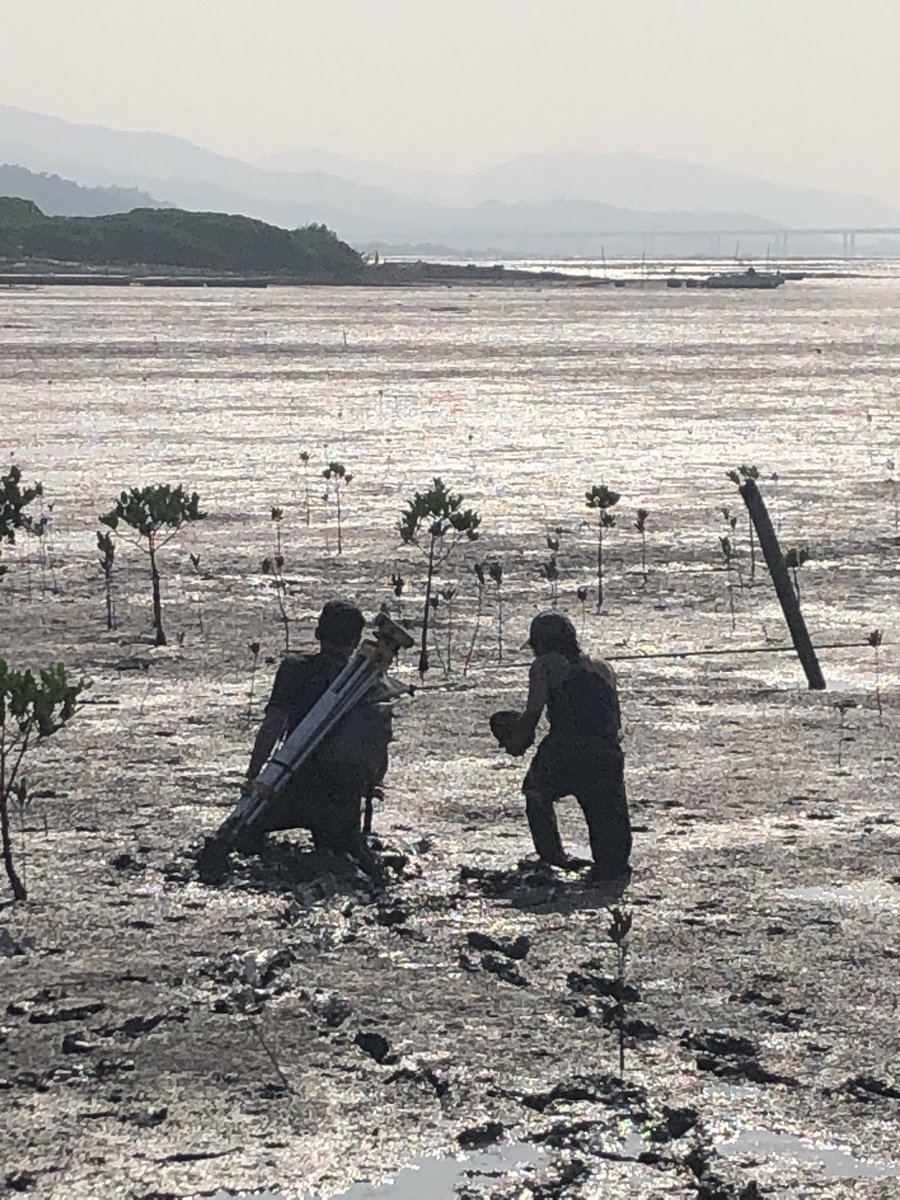
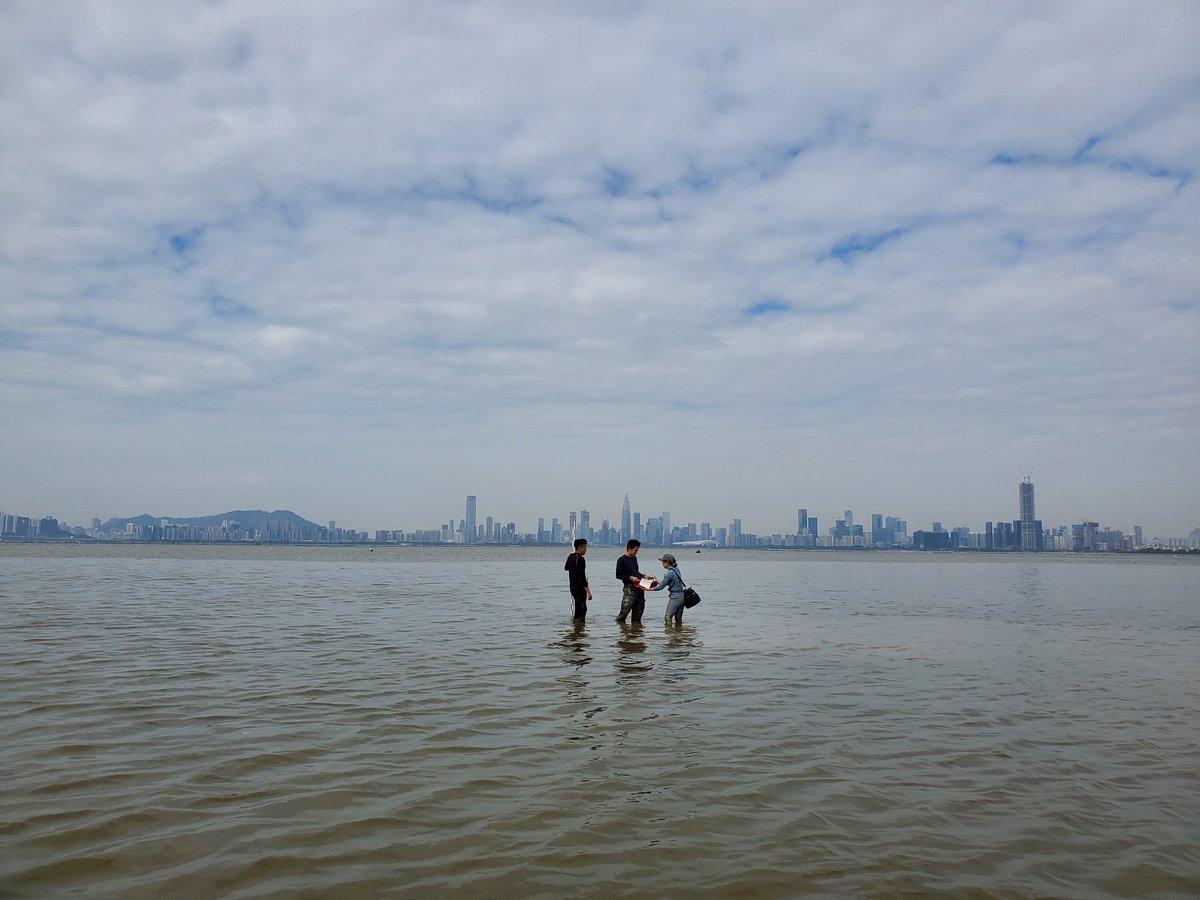
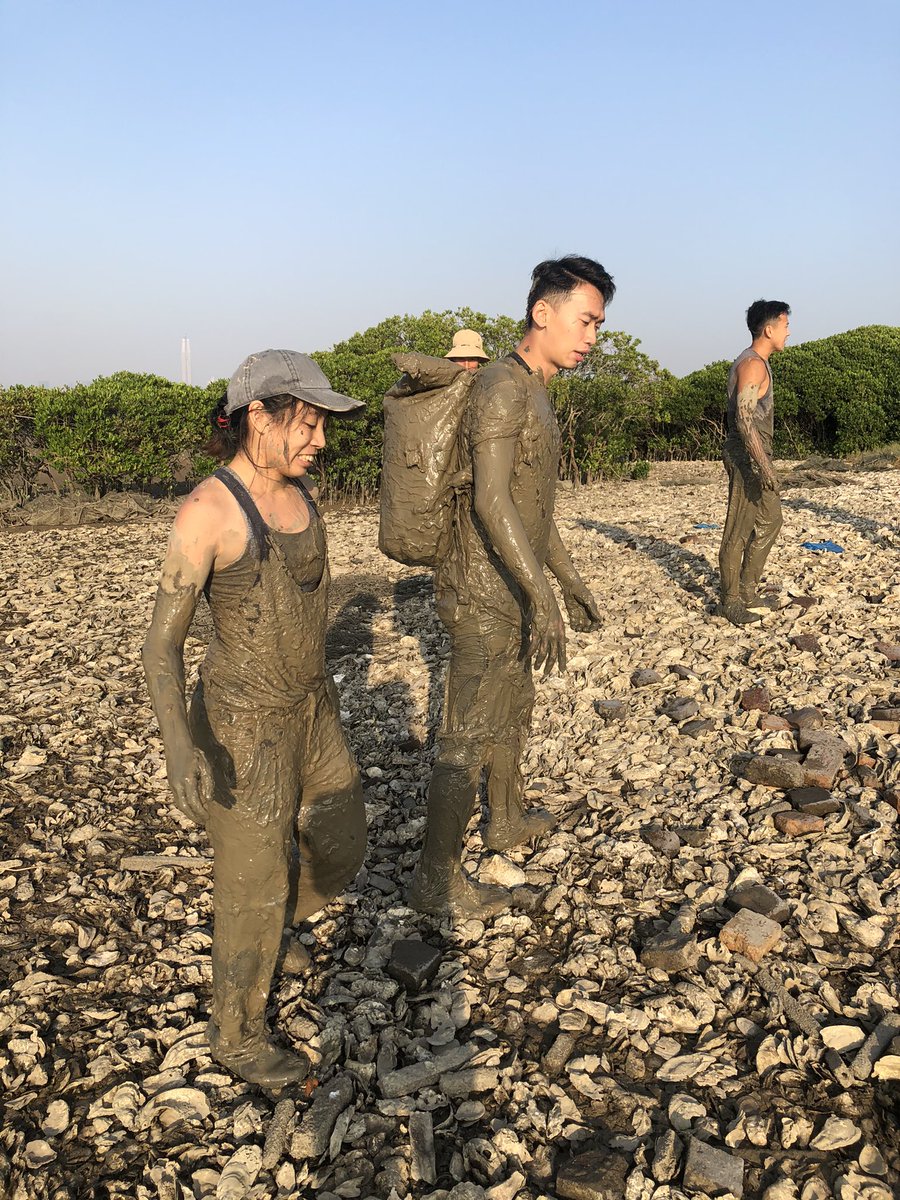
Coastal ecosystems may drown due to increasing rates of sea-level rise associated with global warming over 1.5°C above pre-industrial levels, suggests a paper published in @Nature. https://t.co/SPhc68gL99
🚨Job Alert🚨
Come work at the University of Hong Kong!
We're hiring a Tenure-Track Associate Professor/Assistant Professor in Global Change in the Department of Earth Sciences
🔗https://t.co/WSVF9kouGt
#Oceans#Climate#Paleoclimate#modelling
🗓️ Applications due by August 31
🚨New paper with @WHOI@TuftsUniversity colleagues in Radiocarbon
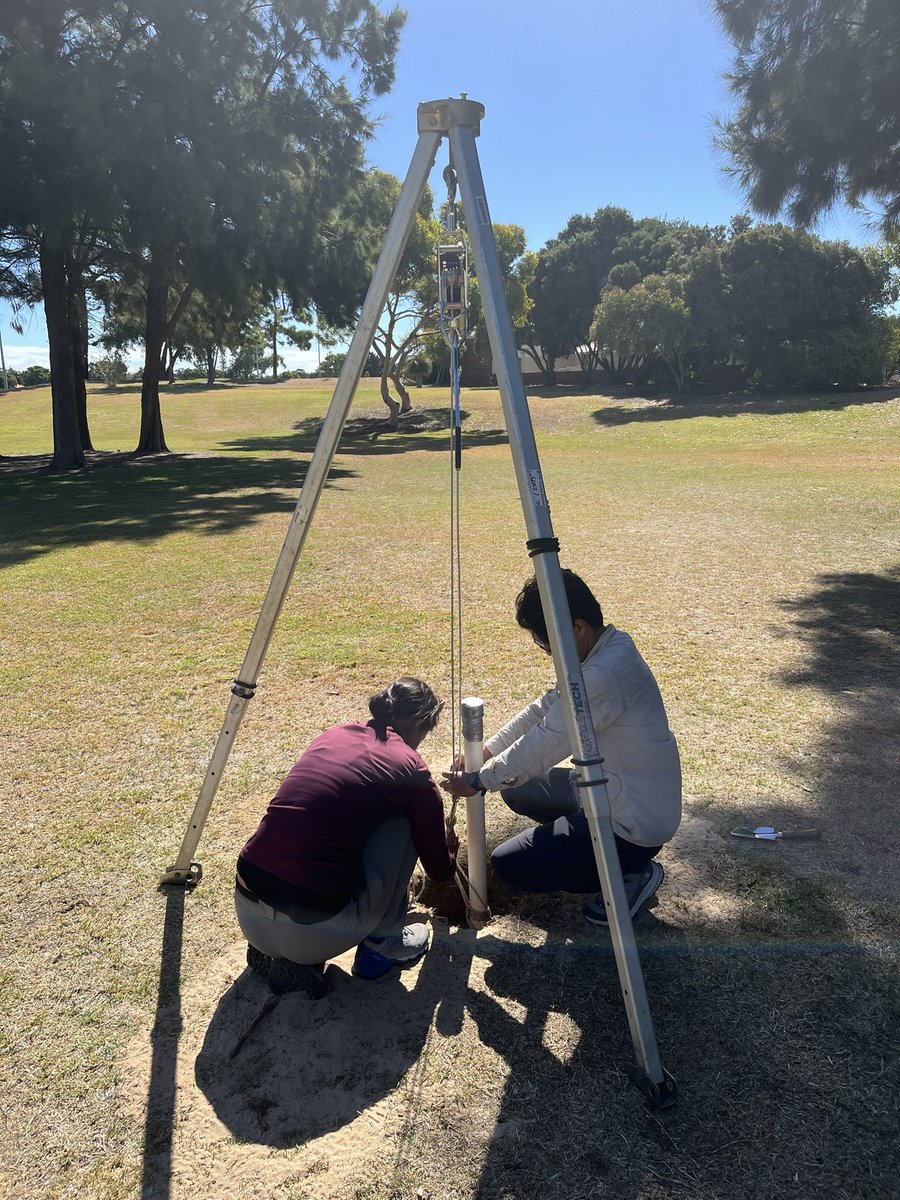
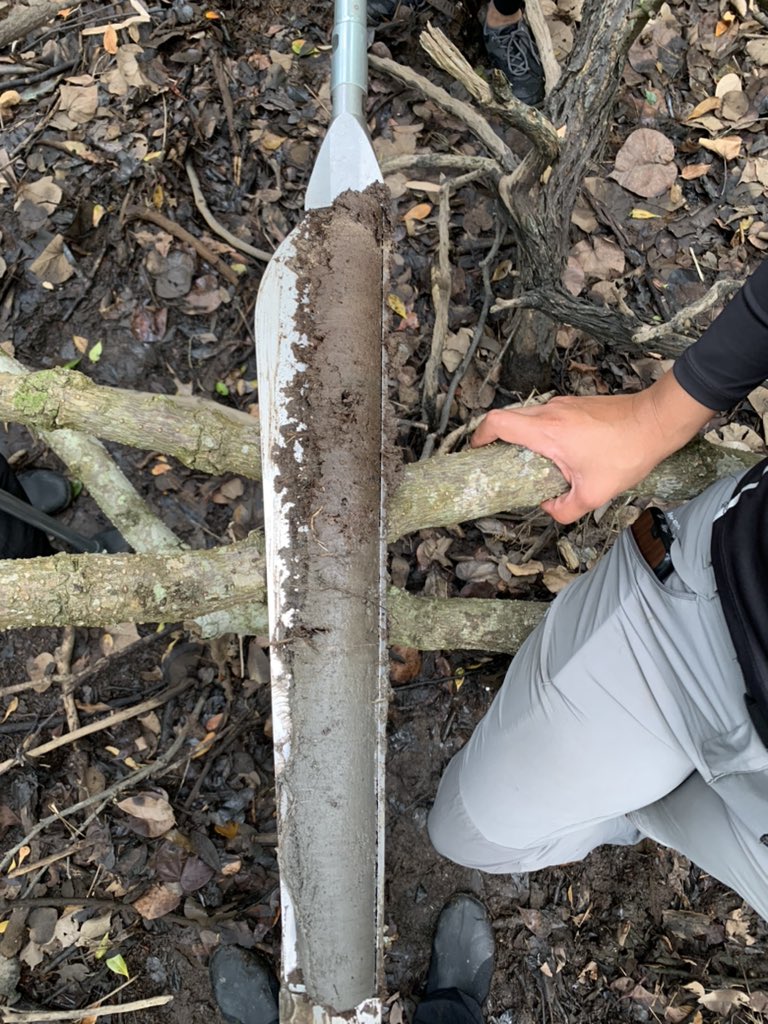
We tested a new method for radiocarbon measurements for creating age models of relative sea-level change 🌊 from organic sediments 🌱
https://t.co/g5FVHHmCUP
Coastal marshes reduce risks of flooding as they trap sediment and buffer wave action. Our new coauthored paper discussed how the persistence of coastal marsh is dependent on its ability to maintain elevation relative to #sealevel.
Read article on:
https://t.co/JXt7OScZzw
It is important to provide better understanding of past sea-level variability to reduce the uncertainties in future sea-level projections.
Our team is integrating data in Chinese-language journals with international data sets.
See details in report on:
https://t.co/xGKUzrq7Rn
"Thanks to huge investments in science, China is the region’s scientific growth engine and collaboration magnet"
Despite COVID-19 pandemic, there has been strengthened connection between #sealevel and #climatechange research communities in Asia.
https://t.co/ArE8luQdt1