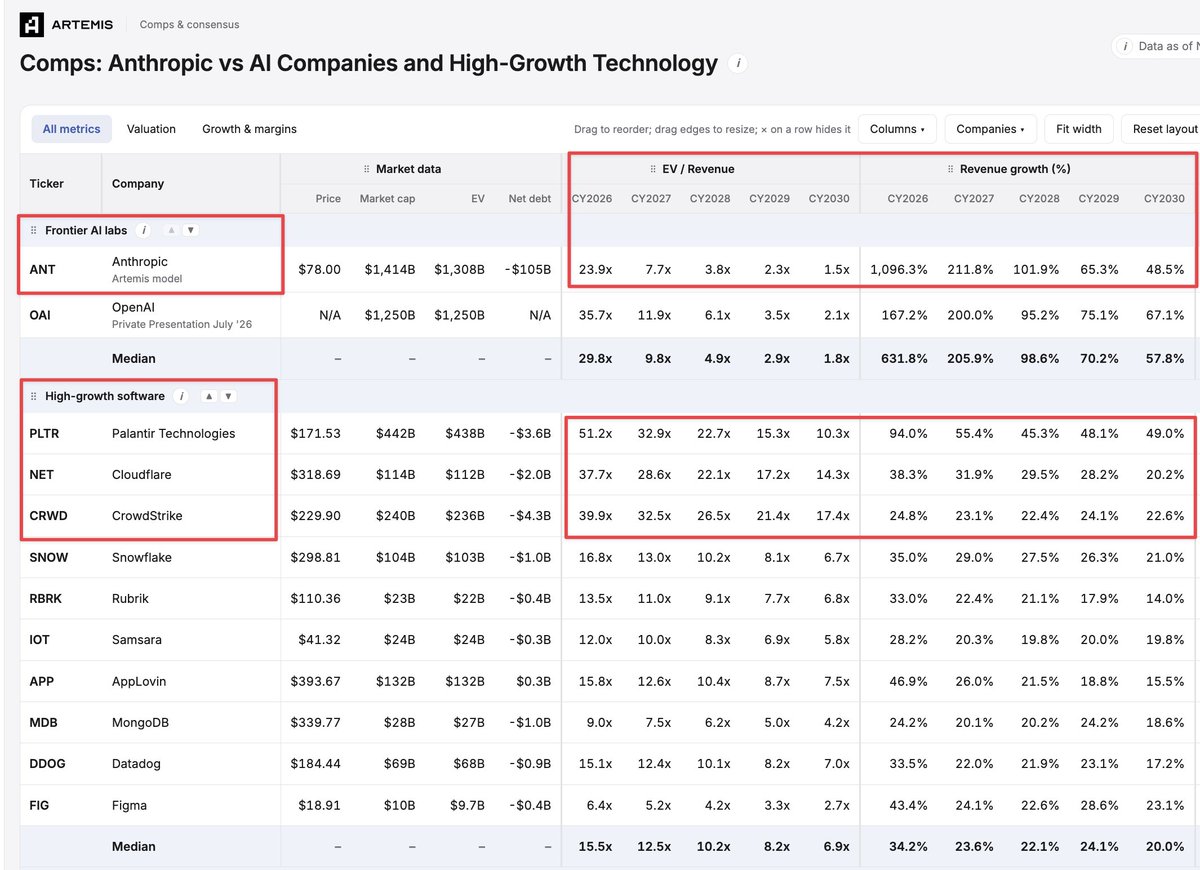
The combination of this and the fact that AI ROI only comes from superusers makes it feel like we are in for a massive crunch. It doesn’t help that hackers are also superusers.
Getting this amount of compute turned on, cooled and working reliably is incredibly hard.
The cash shortage is also going to be nuts next year. Even cumulative industry delays of a few months between paying for compute and getting it reliable enough to generate revenue will mean hundreds of billions of incremental dollars just for working capital. Where will that come from?
According to @freeportmarkets, exit liquidity is coming from small unprofitable traders.
Wallets up $1M+ are 74% bearish: $1.86B out vs $643M in.
Wallets down $1M+ are 85% bullish: $1.35B in vs $230M out.
Profitable holders are selling this dip to the underwater ones.
Nikita is absolutely right.
We counterintuitively chose to focus first on phones over PCs, even though at the time the models weren’t ready.
We knew that the models that will be good enough on a phone will release over the next year, and have already seen it with models like @liquidai LFM3.
What those models need is an inference engine and harness optimized around them, that can get the most out of a phone, and manage constraints like thermals and lower memory efficiently.
If you’d like to experience owning AI on your phone, check out @askloci - trusted by tens of thousands and growing daily.
@nikitabier we’ve built the best inference engine + harness specifically for getting the most out of local models. Our app @askloci has thousands of reviews calling it the best way to run local AI on your phone.
1/ A large hedge fund asked me in to talk about open and local models. The conversation made me realize institutional capital allocation will rapidly change over the next year.
They're following the frontier closely, but wanted to discuss how open and local will affect how capital gets distributed across AI spend.
Arkham is partnering with FUTU Holdings to embed on-chain intelligence directly into @futufriends and @moomoo through Whale Signal.
Users can now track whale movements, institutional capital flows, and exchange activity alongside their trading workflows.
Bringing institutional-grade crypto intelligence to more investors.
A 2014 post from Elon Musk revisits a long-running issue in U.S. aerospace: competition for national-security launch contracts.
Musk said he was preparing to testify before the Senate against the ULA monopoly contract involving Lockheed Martin and Boeing. The post captures the early phase of SpaceX's push to challenge established launch providers.
More than a decade later, launch competition has reshaped the industry. The broader lesson is that access to critical government markets can influence the pace of technological change.
Not financial advice.
So NVDA pumped their numbers from China, which created an unnatural fomo game in chip buying, and we are defending him?
I don’t think this is just about personal matters