The brain has evolved a voracious appetite for energy, consuming about 20% of our daily total. So what makes that cost worth it?
At a recent SFI working group, researchers from across disciplines examined how the high energetic cost of intelligence is balanced against its evolutionary advantages, and began charting a mathematical foundation for understanding that tradeoff.
https://t.co/bXwaOHoGuS
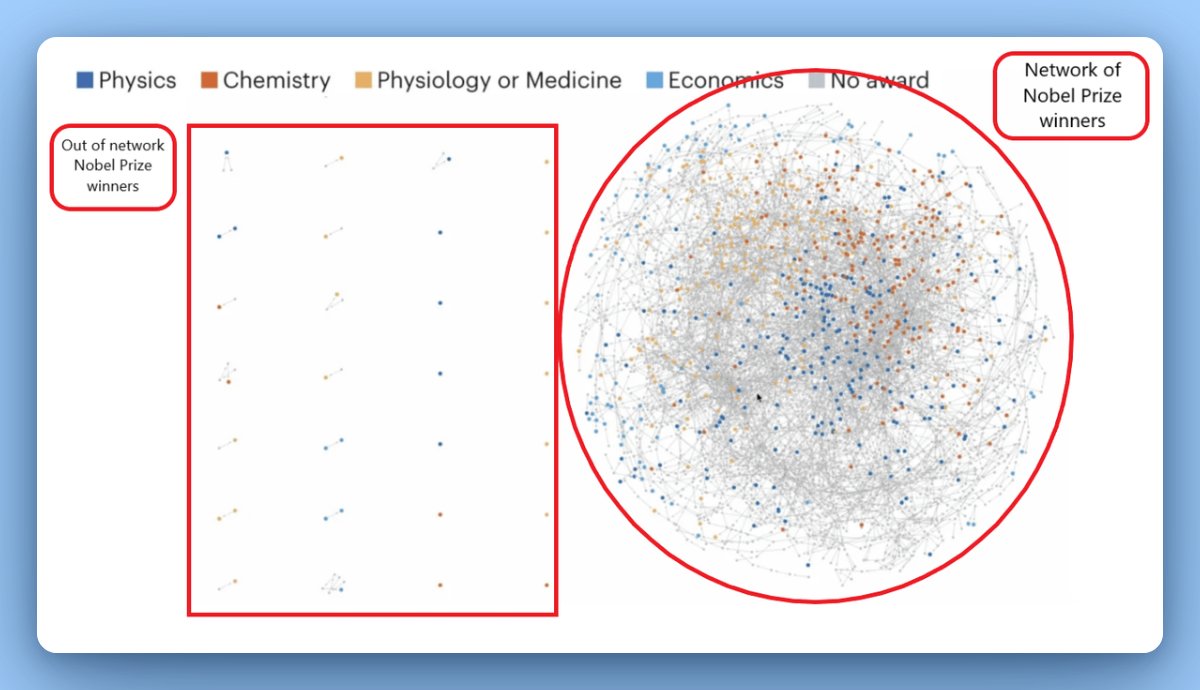
This Nature article shows that most Nobel Prize winners are part of one big, incestuous academic network.
Out of 736 Nobel Prize winners in science and economics, 702 are "part of the same academic family."
Only 32 researchers out of this network have won the Nobel Prize.
New manuscript, led by the dev psychologist Ivan Kroupin (@Helen_E_Davis & TC Zeng). Nearly all research on cognitive development (IQ, executive function, memory, etc.) is done in schooled worlds--in communities in which children are raised by people who attended formal schools.
Diversity matters: species richness keeps Earth’s ecosystems running .. just as cultural richness keeps human societies running • in @NatureEcoEvo | Sept 2021 https://t.co/tZEAGp49DZ
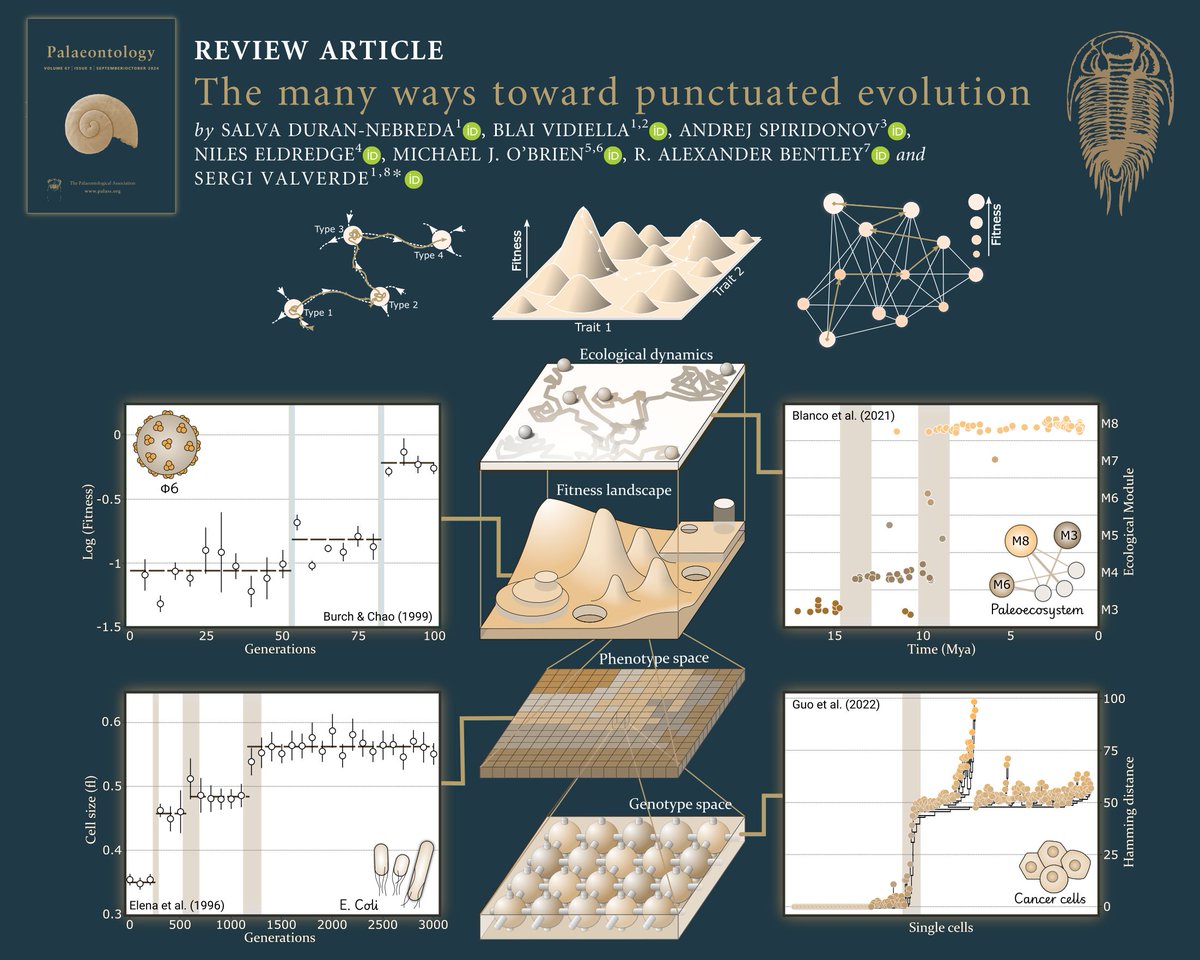
Why doesn’t evolution follow a path of constant adaptation?
Over the past 50 years, punctuated equilibrium has expanded leading to a unified framework for punctuated evolution across scales—from genes to ecosystems & our planet.
Our new collaboration at https://t.co/HXYe0yUyDM
Big news! The fly connectome is featured on the cover of a special edition of Nature.
This is all possible thanks to the collaboration of 292 members of The FlyWire Consortium!
https://t.co/Mrz7Yrx1eU
Check out the thread for an overview of the 9 #flywire papers published today
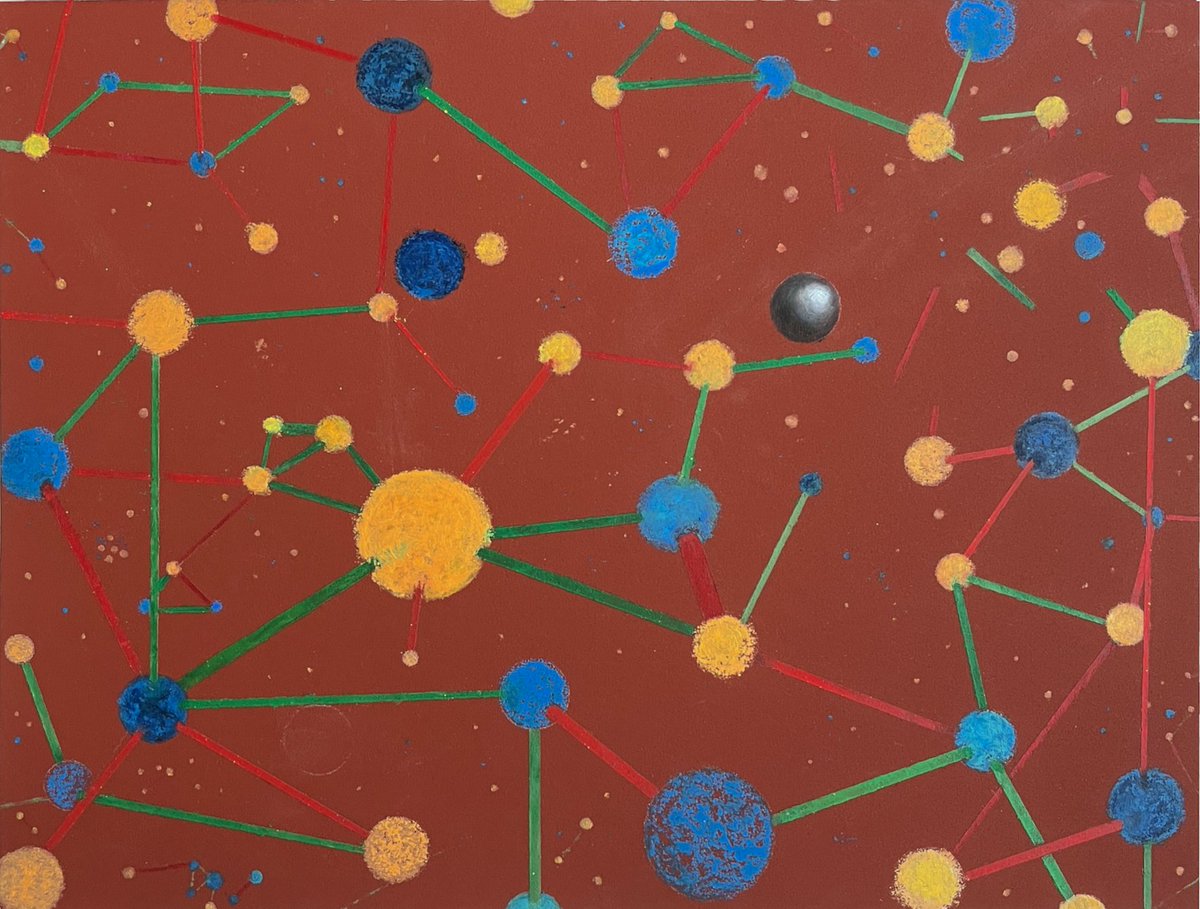
Our beliefs about topics such as climate change or politics do not exist in isolation. Each belief is related to other beliefs we hold, as well as to perceived and actual beliefs of people around us.
In a new paper in Psychological Review, Jonas Dalege, Mirta Galesic, and Henrik Olsson develop a new Networks of Belief theory, incorporating work from psychology and statistical physics to study the internal and external dynamics of beliefs.
https://t.co/ek7QFPeoBk
A unifying theory of the embodied, situated human brain: the Hierarchically Mechanistic Mind
"This theory explains our brains, minds, & behaviour by appealing to Tinbergen's four questions: adaptation, phylogeny, ontogeny & mechanism"
@mjdramstead et al
https://t.co/3rJFox87t8
Brain, guts, and circulatory system of a Cambrian arthropod larva! The most amazingly preserved fossil I have ever seen.
https://t.co/YGnHMPNERI
Lucky to have been a part of this project led by Martin Smith and Emma Long.
@PalaeoSmith@DurUniEarthSci@durham_uni
How Northeastern researchers are helping predict the outbreak of bird flu on US dairy farms https://t.co/OtX9Ypw5rP via Northeastern Global News featuring @alexvespi and @svscarpino
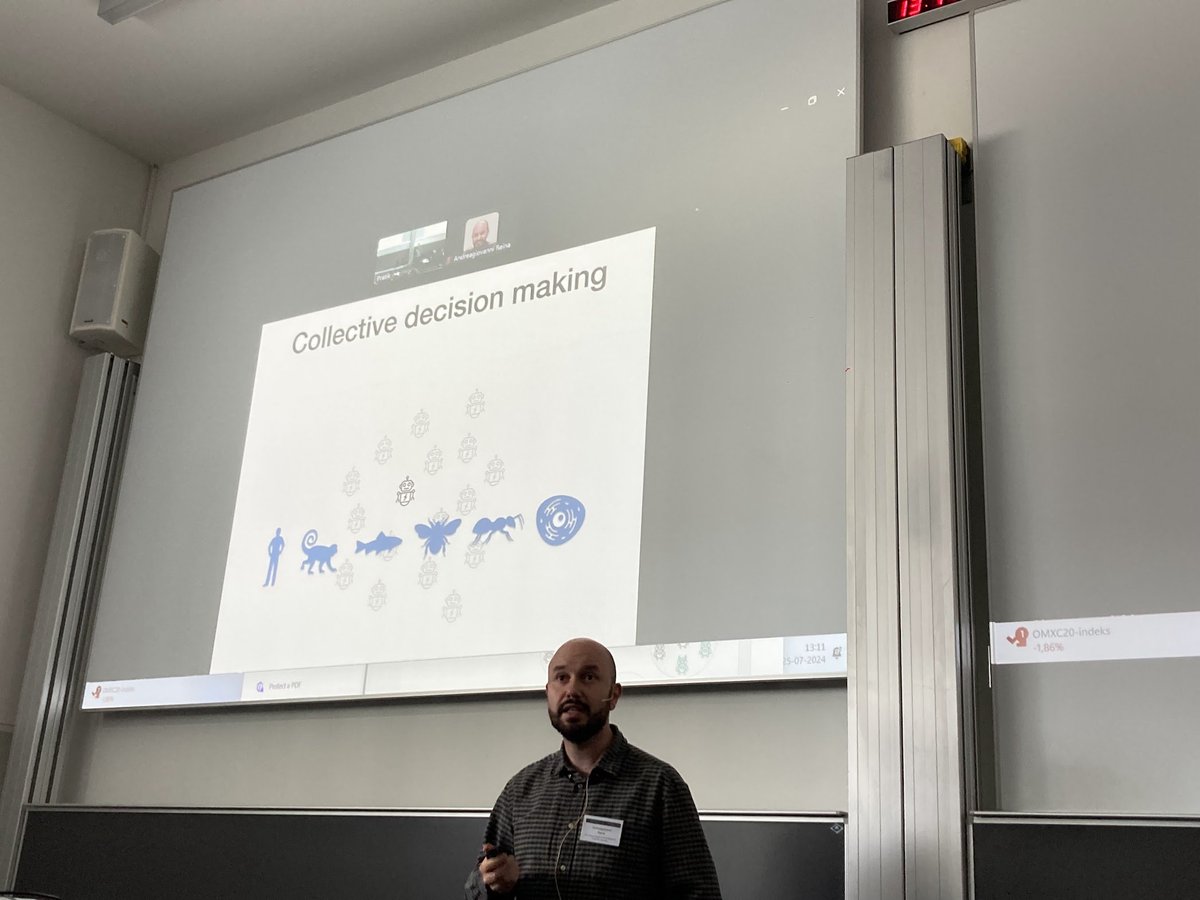
Evolution, Criticality and Creativity in Collective Intelligence (ECCCI) happens now! "The power of inhibition for collective decision making in minimalistic robot swarms" by Andreagiovanni Reina! #ALIFE2024
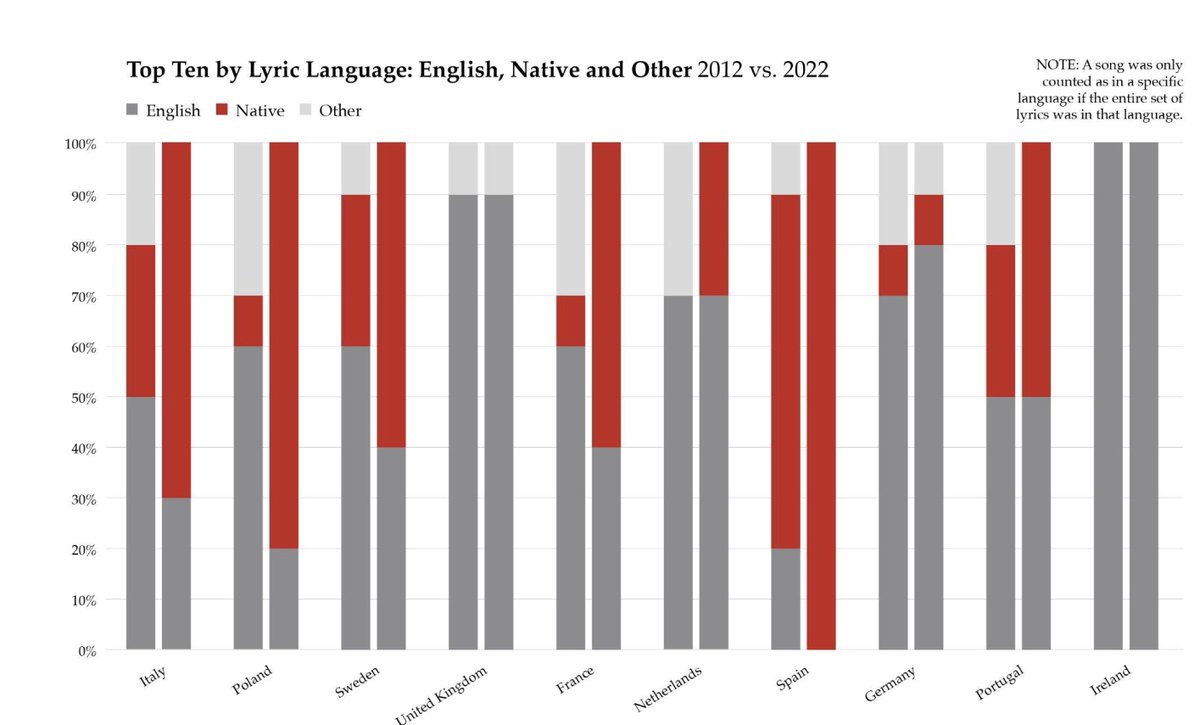
‘Glocalisation’ of Music Streaming within and across Europe.
The ubiquity of streaming increased the success of local (i.e. in native language) songs in European countries - so again some problem with the algorithmic flattening of culture idea...
https://t.co/mZFTu55UmN