The interesting thing about most crises is not the event. It is how long the fragility sat in plain sight before it broke. We call it a shock. Usually it was a slow leak everyone quietly agreed not to look at.
@torossorot@AlexAndBooks_ Reading has always been an elite act, never true pop culture. Even at Dickens’s peak, only about 1 in 10 readers engaged with his work; most people then and now preferred other entertainment. TV and streaming simply made the long-standing gap obvious.
Not quite. Somehow 60% of Americans finished at least one book last year (YouGov); Pew says 75% read part of one. Median is only 2 books, and a small minority does most of the reading.
In Dickens’s time literacy was 50-70% and his audience was roughly 1 in 10 readers. Books matter less now as leisure, but they’re not dead.
Min li axaftina "Sevgili Botan Halkı Tuncer Bakırhan" guhdarî kir. Di her hevokê de bi karanîna gotina "Devrimci" bala min kişand. Axaftinek vik û valabû. Hêvîdikim di pêşerojê de xweda siyasetmedarên xwedî kok bike para siyaseta Kurd.
Gerizekalı. Sui emsal emsal değildir. Norveç de ulus devlettir. Danimarka da. Hollanda da. İsveç de. İzlanda da. Finlandiya da. İlla Kürdistan’ın devletleşme hakkını Ortadoğu’nun devrik diktatörlüklerinin rejimlerini göstererek mi yok sayacaksın. Hayvan herif. Hayvan.
People keep asking what will replace books. Nothing will. A book is the only technology that lets you borrow another person's mind for a week and give it back changed. We have not improved on that in five hundred years.
What is the last book that actually changed how you see something?
Cureyek mêvanperweriyê heye ku ez pê mezin bûme û di Kurdî de peyveke taybet a wê tune ye. Beriya ku were pirsîn, xwarin tê pêşkêşkirin. Beriya ku tu bibî mêvan, tu êdî ji malbatê yî. Şaristaniyên tevahî li dora hesteke bingehîn xwe rêxistin kirine: kesê xerîb ê li ber deriyê te ne metirsiyek e, belkî diyariyek e.
Inflation is not really about prices going up. It is about trust going down. The moment people stop believing tomorrow's money will hold its value, they change how they spend and save today. The number is the symptom. The confidence is the disease.
دقّة مهمة: ترامب لم يعبّر عن ندم، ولم يقل إنه ما كان عليه الإقدام من الأساس.
ما قاله حرفياً في تجمع أوهايو: "ربما ذهبنا بعيداً مع القادة لأننا لم نعد نعرف من نتعامل معه". والمعنى تقني بحت: تصفية القيادة أفقدته طرفاً يتفاوض معه، لا أكثر.
بل قبل أسابيع قال صراحة إنه لا يندم، ولو عاد به الزمن لفعل الشيء نفسه. العبارة تحوّل اعترافاً تكتيكياً إلى اعتذار، وهذا تحريف للمعنى.
If you want to be great, be ready to be seen. Judged. Misunderstood. Picked apart. They’ll mock what they don’t understand. Question what they can’t do themselves. Call you arrogant for wanting more. But that’s the price of greatness. The higher you climb, the louder it gets. More eyes. More noise. More resistance. If you can’t handle that price, you can’t handle being great.
Daha önce de söylediğim üzere ve dün MERI Forum’da da açıkça ortaya döküldüğü halde Güney Kürdistan’daki siyasi liderlikler ile Öcalan aynı çizgidedir. Aralarındaki fark retoriktir. Türklerle anlaşmışlar ve Türk egemenliğinde bir aradadırlar. Birbirlerine alternatif değillerdir.
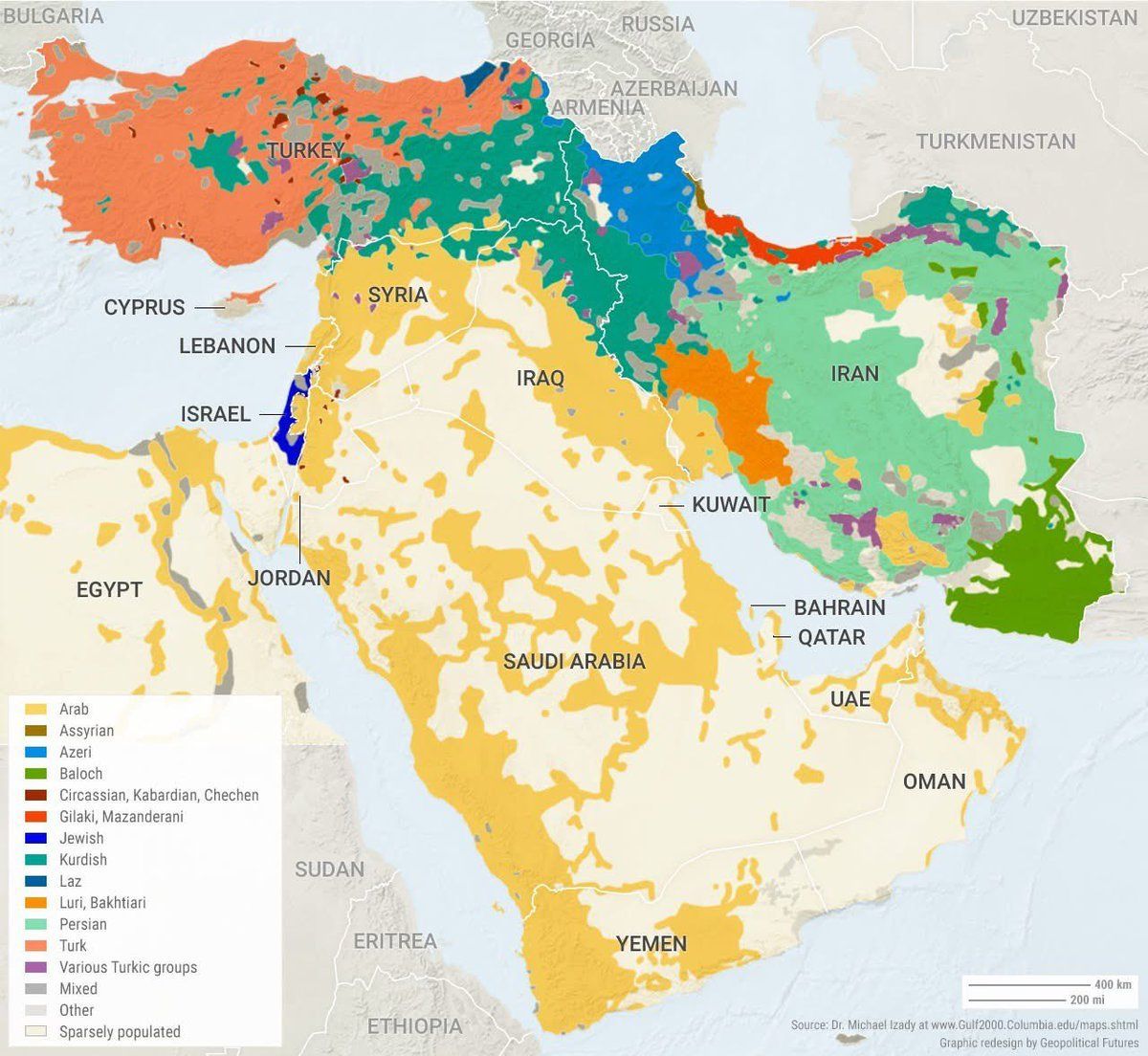
Kurdish elites have failed to represent ordinary Kurds’ demands for political, cultural & legal status, offering autonomous self-organization. Instead, they build “party nations” whose membership rests on blind loyalty to leaders and clans, reproducing colonial rulers’ policies.
Fanon’s critique of elites applies well to Kurdish elites, many of whom are in bed with Kurdish colonizers and maintain entrenched party and family ties with repressive regimes. Bafel’s attempt to integrate Rojhilat Kurds into Iran’s illegitimate mullah regime is a case in point.
Inflation is not really about prices going up. It is about trust going down. The moment people stop believing tomorrow's money will hold its value, they change how they spend and save today. The number is the symptom. The confidence is the disease.
Books were supposed to be killed by:
• Newspapers
• Radios
• Television
• Internet
• Smartphones
• Social media
• Streaming
• Artificial Intelligence
But they have survived and will continue to endure.
The abandonment of the Kurds in Western Kurdistan, known in Kurdish as Rojava (northeastern Syria), raises a profound question about the consistency of Western political commitments and human rights advocacy.
Having served as indispensable allies in the struggle against ISIS, the Kurds subsequently found themselves deprived of the protection and support on which they had relied. Following the withdrawal of American backing and violence by Islamist armed groups, they were compelled to make far-reaching concessions to the new authorities in Damascus. Their sacrifices against ISIS afforded them neither lasting security nor an effective guarantee of their political rights.
Yet the violence inflicted upon them, and the erosion of their institutions and self-government, received remarkably limited attention from European governments, parties of the left, Green movements, human rights organisations, and major Western broadcasters and newspapers.
The tensions in al-Hasakah Province expose the consequences of this abandonment. With their administrative institutions dismantled and their political influence severely diminished, Kurds seeking recognition of their language through signage on shops and official premises encountered hostile mobilisation among sections of the province’s Arab community. What should have been an ordinary exercise of linguistic and cultural rights became an occasion for intimidation, placing Kurdish civilians at risk of communal violence.
Such developments demand an unequivocal response. The persecution of civilians and the suppression of a people’s language should concern every institution that claims to defend universal rights. The danger of escalating ethnic violence must be addressed before it produces another catastrophe.
The disparity in international concern is deeply troubling. European governments, political movements, and advocacy organisations that mobilise with considerable urgency whenever Israel is involved have displayed far less urgency towards the vulnerability of Kurdish civilians. This selective attention raises a fundamental question: are their responses governed by the defence of universal rights, or by the political identity of those involved?
The bitter expression “No Jews, no news” captures the perception that some victims become internationally visible only when their suffering can be connected to Jews or Israel. The underlying charge is one of selective attention: Kurdish lives must not be treated as less deserving of protection, recognition, or public concern.
Human rights lose their universal meaning when their defence depends upon the identity of the perpetrator or the political usefulness of the victim.
There is a particularly bitter historical irony in the mobilisation against Kurdish linguistic rights in al-Hasakah Province: Arab communities established there through the former Syrian Baʿathist regime’s Arabisation policies are now implicated in hostility towards the Kurdish nation whose presence and identity those policies sought to marginalise. Where members of these communities threaten Kurdish civilians for asserting their language and identity, they perpetuate the logic of the Arabisation project itself. A policy designed to displace and weaken the Kurds must never become the basis for denying their rights or endangering their lives.
@yby4040@gidonsaar@andyburnham@EmmanuelMacron@MazloumAbdi@ElhamAhmadSDC