Google has published new research on catching AI spam. Instead of judging videos one at a time, the system it describes targets coordinated clusters of accounts that mass-produce synthetic content at scale.
The research introduces a system called S-CTS, which looks for shared publishing patterns, infrastructure signals, semantic templates, and AI-generated artifacts across networks of accounts – not just individual pieces of content. According to Google's paper, this approach reduced cluster validation time by 32% while maintaining a false-positive overturn rate of under 1%.
The system was designed for online video platforms, not Google Search, so it's important not to overstate what it means for SEO. But it does reveal how Google researchers are thinking about AI-generated spam: the focus is shifting from isolated content to coordinated production patterns.
For marketers, the takeaway is straightforward: scaling content with AI isn't the problem. Scaling low-value, templated content is. As Google's detection systems evolve, original insights, unique expertise, and genuinely useful content remain the safest long-term strategy.
Read the full breakdown: https://t.co/qJhg19nhdG.
Built your website with Lovable? Now make sure people can actually find it.
Join Lovable and Semrush for a live walkthrough on building SEO-ready websites that are discoverable across Google and AI platforms.
📅 July 16
🎟️ Register: https://t.co/irhTo6iMnE.
Google is introducing a new Search Console feature that lets you measure how your content on Instagram, TikTok, X, and YouTube performs in Google Search.
For years, social performance and search performance have lived in separate reporting worlds. That's starting to change! Instead of only seeing traffic to your website, you'll also get visibility into how people discover your social content through Google.
Why does this matter?
Until now, there was no native way to measure how your brand's social content performed in Google Search or Discover.
Now, Google is giving marketers first-party data on content they don't actually own. That means you can see which social content earns impressions and clicks in Search 👇
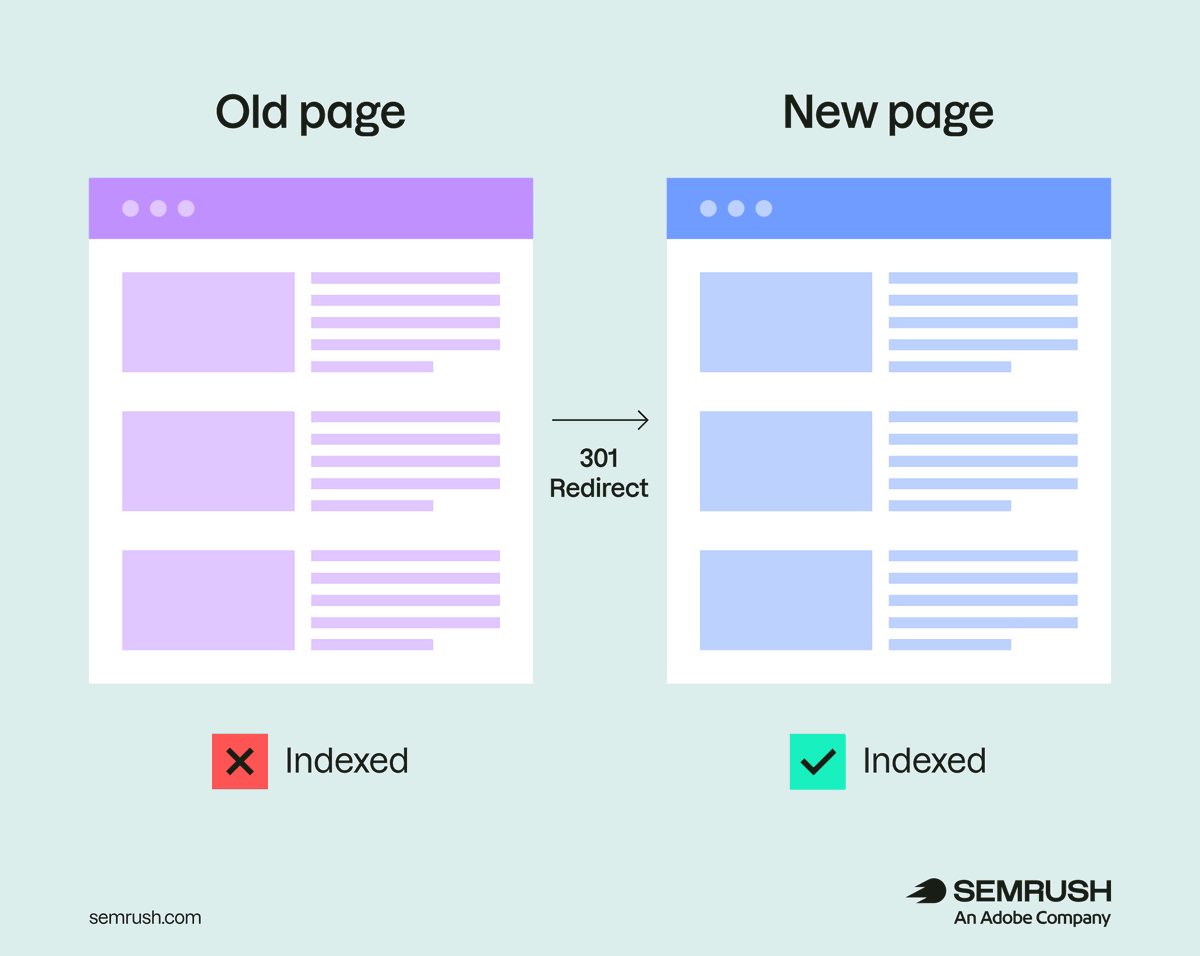
Planning a site migration or consolidating AI-generated content?
A single redirect mistake can cost you rankings, traffic, and backlinks.
Here's how to use 301 redirects the right way 👇
https://t.co/fHVJ0nILU1.
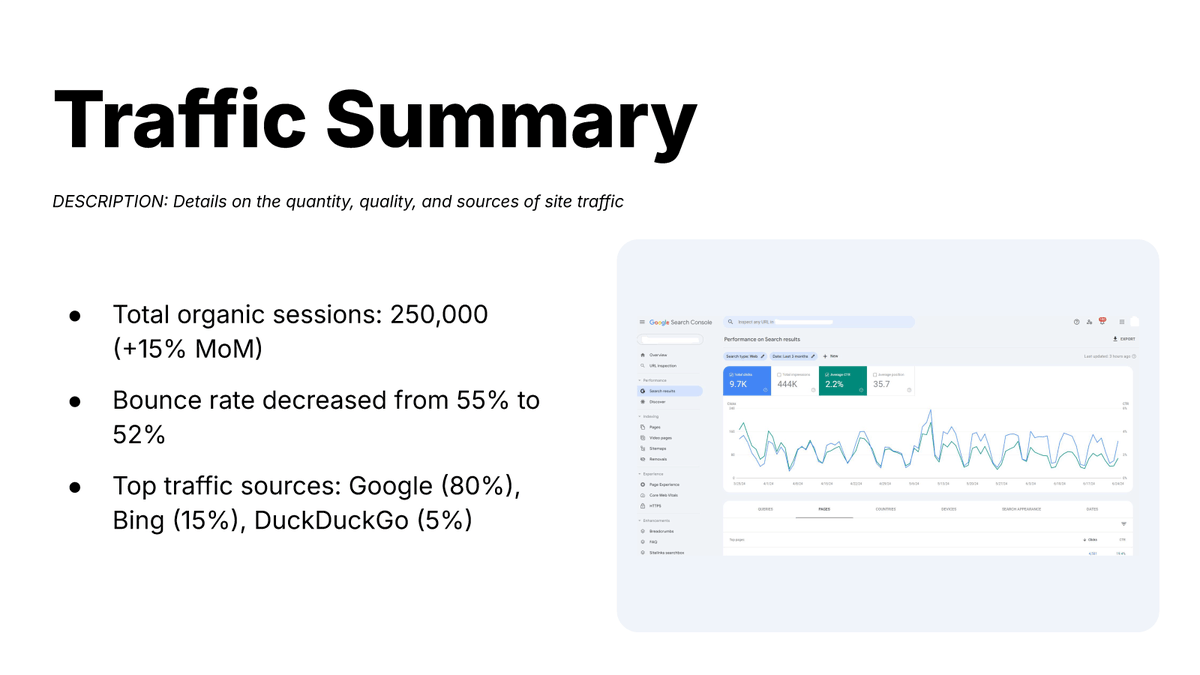
Our 2026 SEO report template helps you track and communicate your website’s organic traffic, AI visibility, backlinks, and keyword rankings.
Get it here for free: https://t.co/43zma4dX9R.
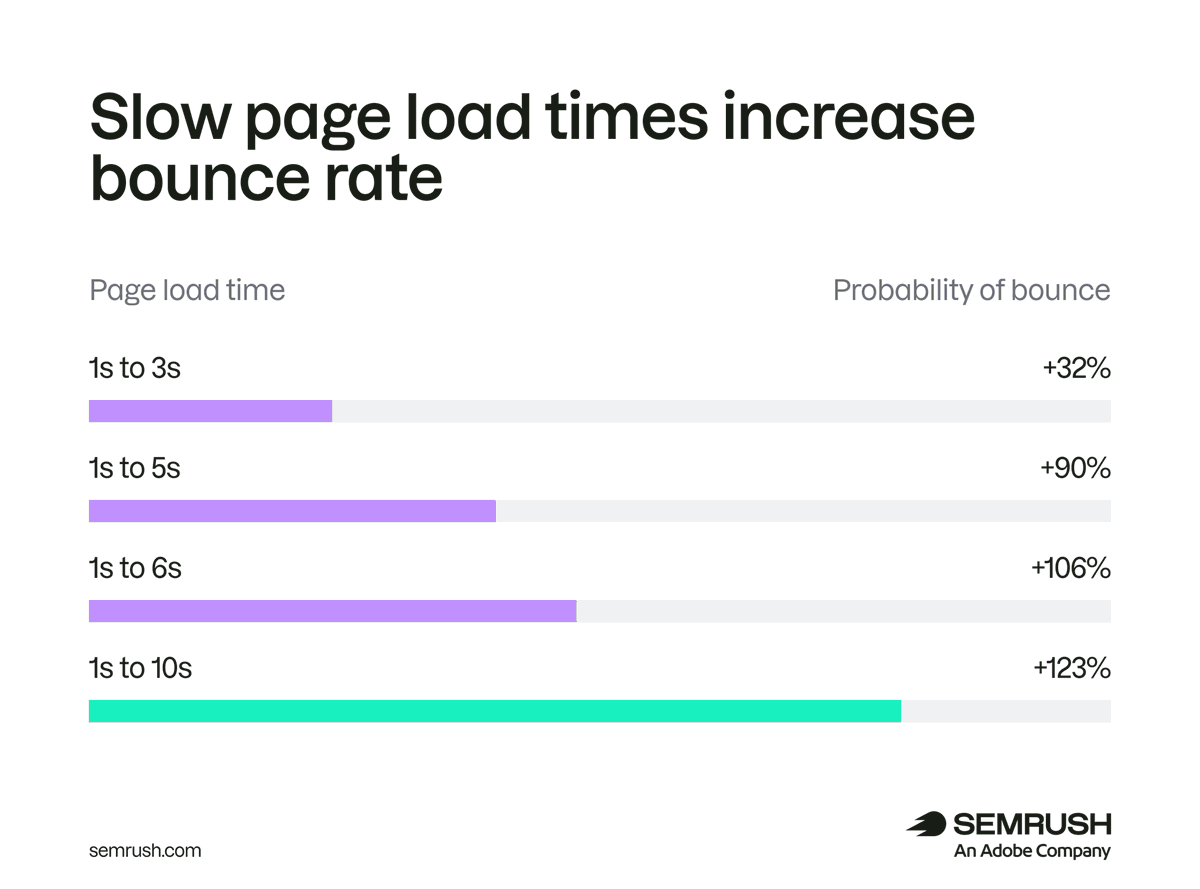
Here's what to do to make your landing pages load faster (and convert better):
• Upgrade your web hosting
• Use a CDN to serve content closer to visitors
• Compress images and switch to WebP
• Minify JavaScript and CSS files
• Remove unnecessary scripts and tracking codes
• Improve your Core Web Vitals with PageSpeed Insights
Faster pages = lower bounce rates + higher conversion rates.
https://t.co/T8S6snR3SH.
Google Ads and AI Overviews aren't staying in separate lanes.
Our 6-month study of 600K+ keywords found SERPs showing both together have roughly doubled YoY – peaking at 25.56% last October before settling into the high teens/low 20s.
Google isn't reserving AI Overviews for low-intent searches. It's putting them right where advertisers are already paying to be seen.
Full study 👇
https://t.co/Vgwi9YHXTu.
Right now, someone is asking ChatGPT about brands in your space. Is yours in the answer?
Most marketing leaders still don't know what AI search is saying about their brand – or whether competitors are being recommended instead.
If you cannot see where your brand stands in AI search, you cannot scale what works. And if your competitors can see it and you cannot, you are already behind.
Join Semrush, an Adobe Company, for an exclusive breakfast roundtable: Be Found Everywhere Search Happens.
Every confirmed attendee will receive a personalized AI brand visibility report, prepared specifically for their brand and available only to those in the room.
📍 Home House, Private Members Club, Mayfair
📅 Thursday, 16 July | 8:00–11:00 AM
👥 For CMOs, VPs, Directors, and Heads of Marketing, Digital, SEO, and Growth
Attendance is limited to 20 senior marketing leaders, and registrations are subject to approval.
Secure your spot: https://t.co/xUY7SctQzK.
Your website still matters. It’s just no longer the only visibility layer.
AI tools cross-check everything – Reddit threads, LinkedIn posts, reviews, third-party mentions – to decide what’s credible.
Semrush One tracks SERPs and AI citations, so you see the full picture.
https://t.co/Y2Yy51ke12.
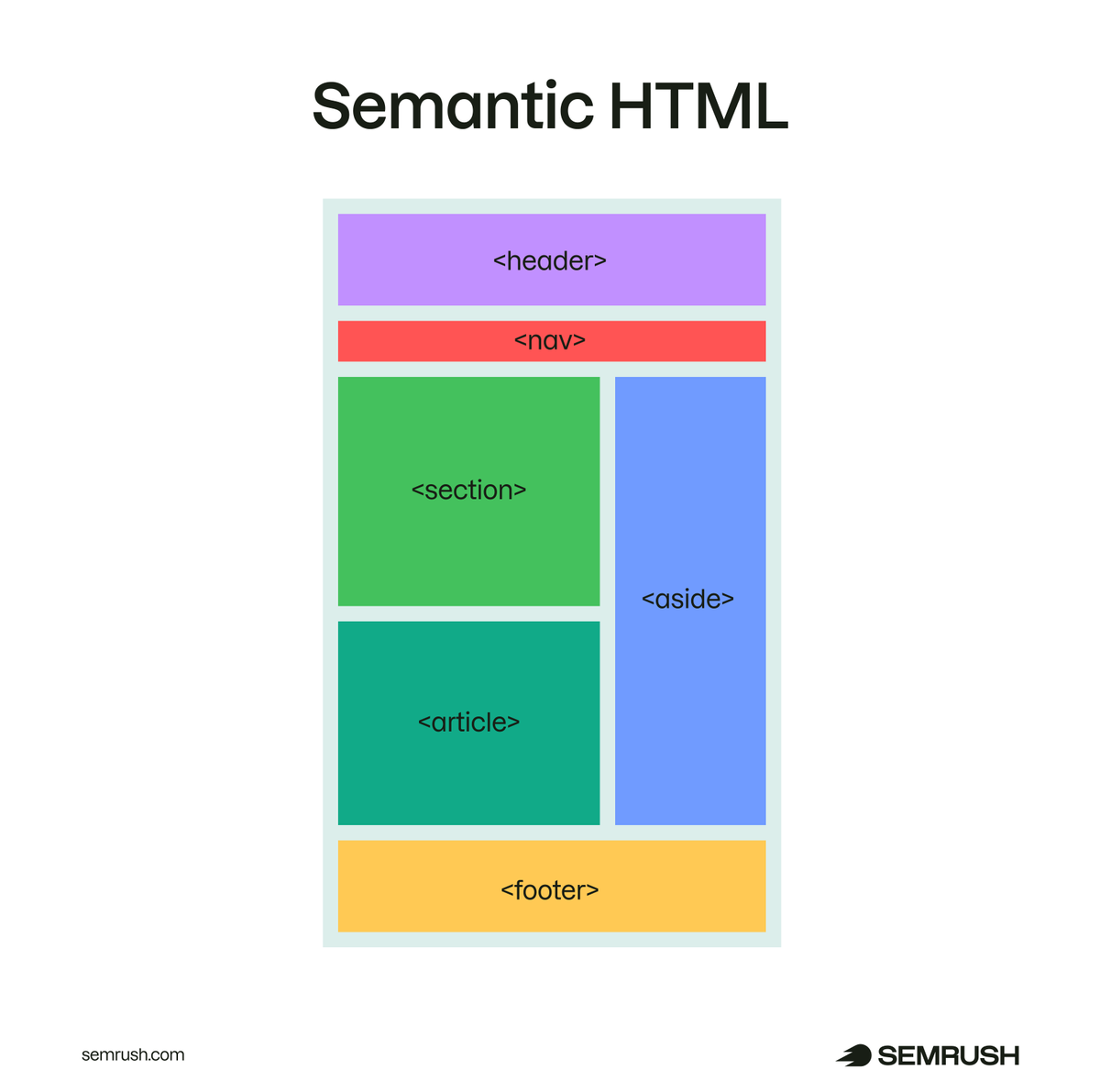
Semantic HTML helps machines understand your content the same way humans do – through structure and meaning.
Here’s how to implement it properly: https://t.co/5DO4aNb00b.
Map TOFU, MOFU, and BOFU content types, define target keywords and personas and track KPIs and stage-specific success metrics with our free content funnel planner template 👇
https://t.co/hSNaz2fTFR.
Most SEO pros that use AI content (72%) say they think AI-assisted content performs just as well or better than human-written content in search rankings – that’s up from 64% in our 2024 study.
But it’s not one-sided:
📈 13% now say it performs worse (vs. 9% last year)
📉 “Not sure / haven’t compared” dropped from 27% to 15%
This shows how opinions are moving in both directions. After having some time to experiment and use AI in their workflows, more teams now have a definitive opinion on how they think AI content performs.
https://t.co/QTk2yy3Ofy.
5 Tips to Increase Your Website's Authority:
1. Get Quality Backlinks with Valuable Content
2. Optimize Your Content for Relevant Keywords
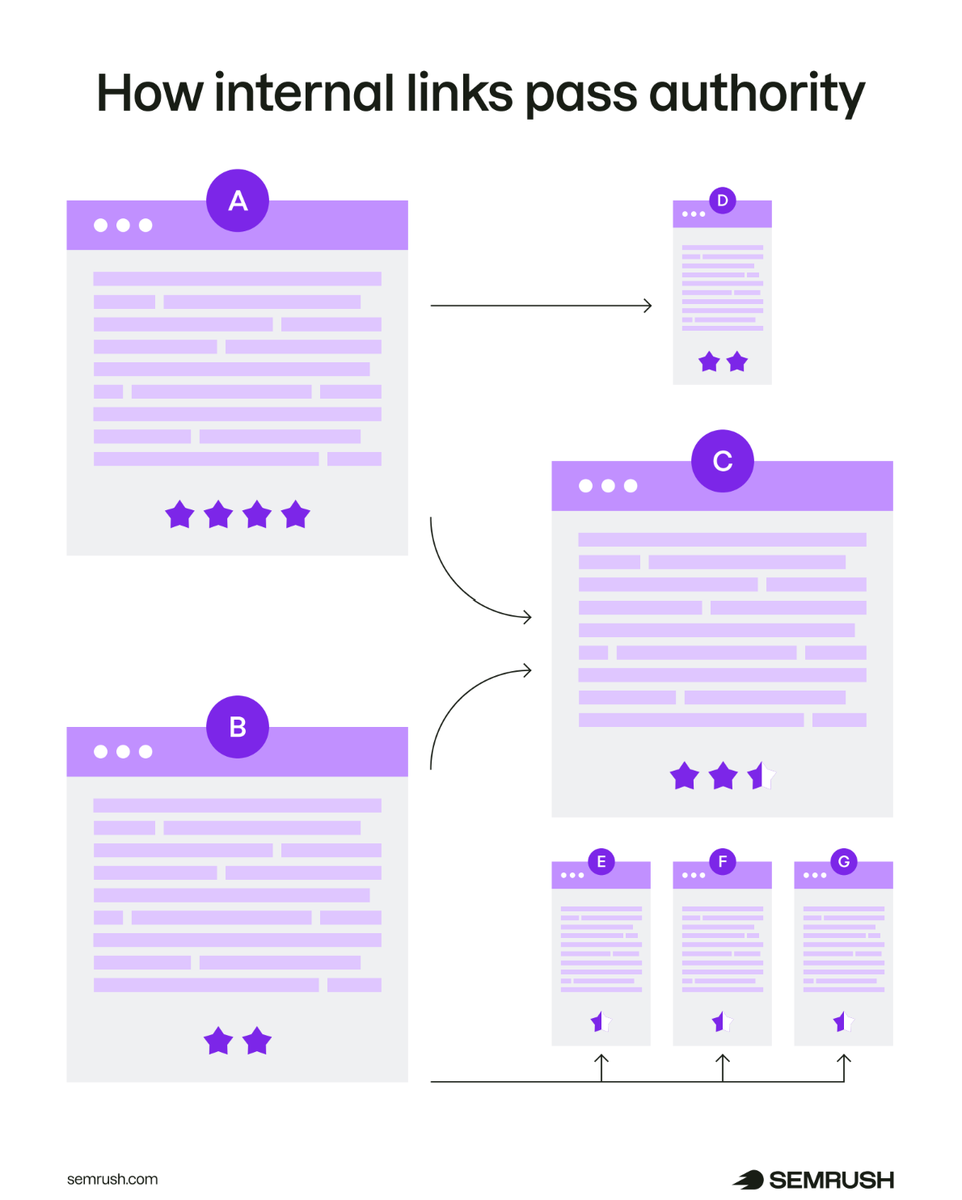
3. Develop a Solid Internal Linking Strategy
4. Get Mentions from Across the Web
5. Build an AI-Friendly Content Structure
Full breakdown here: https://t.co/0osYd9lsXh.