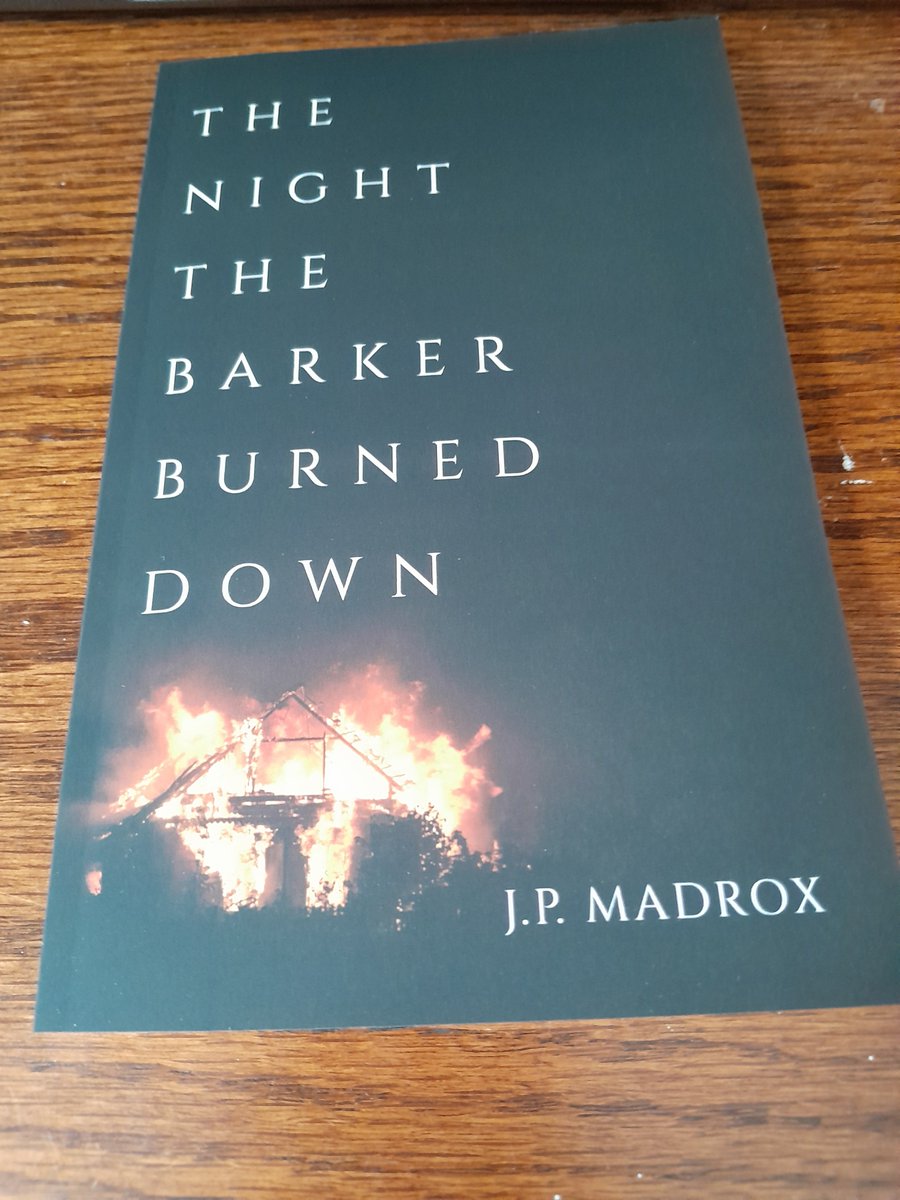
Look for @JpMadrox's "The Night The Barker Burned Down" out from Senex Press this week. And while you're at it, pick up some of Senex's other great works of fiction: @radical__middle's "Old Enemies" and @jcwilsonauthor's "The Pieces."
https://t.co/3fBCJc6Au4
“My deepest feeling about politicians is that they are dangerous lunatics to be avoided when possible and carefully humored; people, above all, to whom one must never tell the truth.”
W.H. Auden
Senex author Matthew Clemente coauthored a piece for Psychology Today on the significance of art. Check it out and grab a copy of Bacchus Agonistes today.
"Great art provides us with the space needed to question our sense of reality, awakening us to the artifice that makes up so much of our existence and inviting us to reflect upon how we might think our daily lives anew." https://t.co/1Y784VpmcE
Reading books is now a waste of time.
AI reasoning models can distill key insights and tell you exactly how to implement them based on everything they know about you.
"JP Madrox is an American author and this is an American tale. It has everything Americans love: murder, money, deception, ill-bred humor and drunken debauchery, all presented in a crisp, punchy style that starts fast and does not let up."
https://t.co/bnZbcNg7WH
'If all time is eternally present
All time is unredeemable.
What might have been is an abstraction
Remaining a perpetual possibility
Only in a world of speculation.'
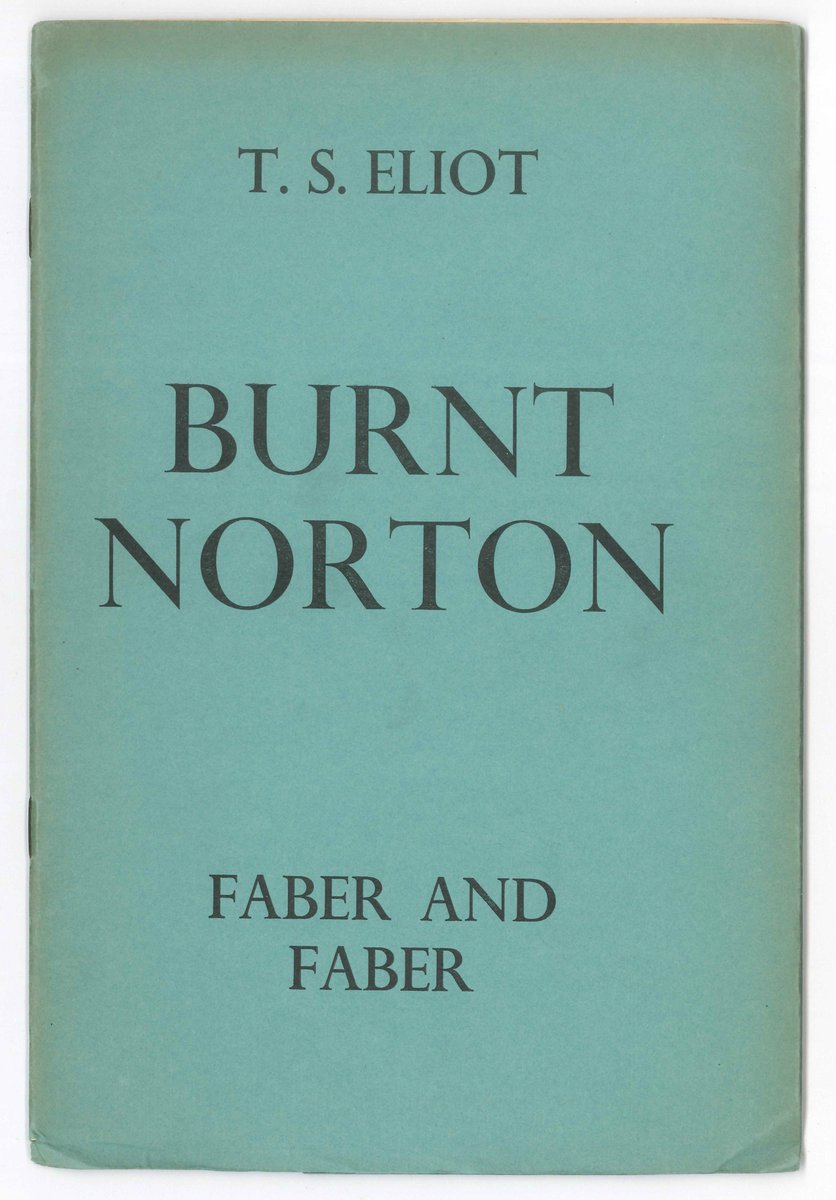
— Burnt Norton I, first published as a separate edition by @FaberBooks#OnThisDay in 1941
The essays "are an epistemological experiment, perfectly expressive of the skeptical mind, for which all claims—especially those to knowledge—are provisional."
“If the man who tells you that he writes for his own amusement, gives his work to the public, he lies; he lies if he puts his name to his writing . . . The man of letters who shall tell you that he despises fame is a lying rascal."
~ Miguel de Unamuno
The Midwit’s Misinterpretation of Texts is part of a poet’s survival strategy. Common sense is generally shaped by the true sense of the work, but the work can survive ideological fads by being flexibly misinterpreted by ideologues and midwits of various sorts. A poet plays to the many and to the very-few. The many-few (i.e. the midwit intellectuals and critics) are very apt to misread even as they disseminate the work like a bee that knows not its service to the flower.
Figuring out which group you’re in & getting into one or both of the good groups is hard, but worth it.
"In 1910, at a conference for neurologists and psychiatrists held in Hamburg, an attendee exclaimed that psychoanalysis wasn't a science, but rather a matter for the police."—Frank Tallis, Mortal Secrets: Freud, Vienna, and the Discovery of the Modern Mind, pp.169-170 https://t.co/CX2FZzvZNv