Dr Isabelle Mossong of @FnrLux on the importance of listening to citizens.
Working with @Researchirel and @FnrLux, we developed a guide that sets out what citizens and researchers expect from MEPs when using evidence.
👉 Read it here: https://t.co/eifXCeZXgp
Dr Rachel Iredale of Research Ireland on what our new guide offers MEPs.
Created in partnership with Research Ireland and @FnrLux, the guide offers a practical framework for using evidence in decision-making.
👉 Read it here: https://t.co/eifXCeZXgp
MEP Lina Gálvez on why evidence-based policymaking makes for better, more inclusive decisions.
Developed with Research Ireland and @FnrLux, our new guide sets out a framework for how evidence should be used in decision-making.
👉 Read it here: https://t.co/eifXCeZXgp
@senseaboutsci's Director, Tracey Brown, on what makes our new mandate for MEPs, developed with Research Ireland and @FnrLux, unique.
👉 Read it here: https://t.co/eifXCeZXgp
How should MEPs handle evidence when making decisions?
Our new guide brings together the shared priorities of citizens and researchers across Europe, developed with @Researchirel and @FnrLux.
👉 Read it: https://t.co/eifXCeZpqR
Our director Tracey Brown spoke at @EIF4eu's lunch debate on 'Fake science & the threat of scientific misinformation'.
During her opening remarks, MEP Lina Gálvez firmly put the fake science discussion in the domain of the business model of technology.
Our director Tracey Brown OBE will be speaking about scientific misinformation in the public and policy debates tomorrow at @EIF4eu lunch debate, chaired by Lina Galvéz MEP.
What happens when 🔬 science itself becomes the target of #misinformation? As the digital sphere accelerates the spread of manipulated content, false or distorted “scientific” claims are increasingly entering public and policy debates.
This puts trust, #competitiveness and even democratic resilience at risk.
Next week, our Forum will bring together MEPs, experts and stakeholders to explore this challenge in our upcoming debate “Fake science: the threat of scientific misinformation to integrity, competitiveness and democracy”, hosted by MEP @linagalvezmunoz.
We will look at how technology fuels the production and dissemination of fake science, but also how it can support transparency and integrity. #EIFdebates
Read more about the event in the first comment
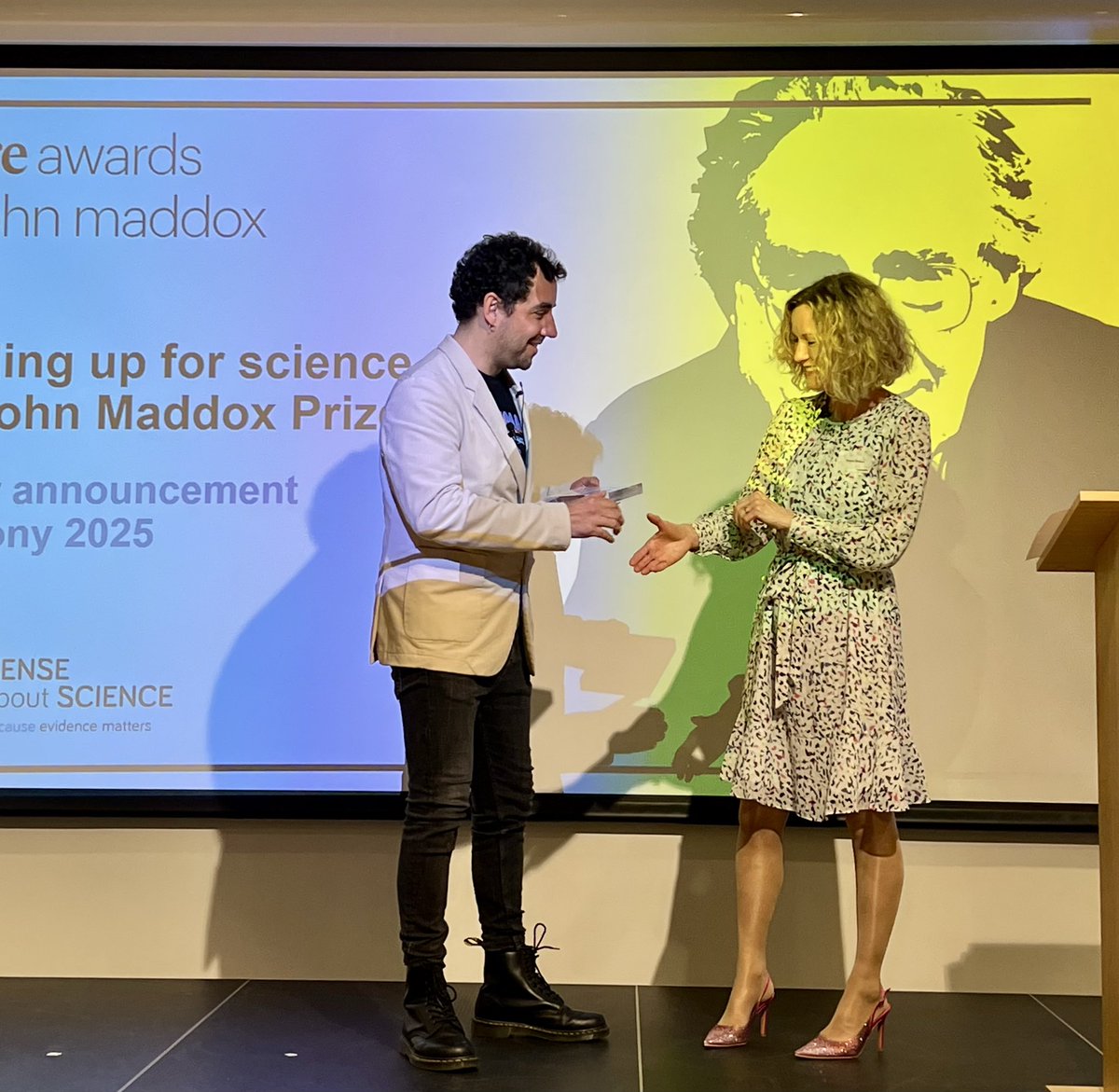
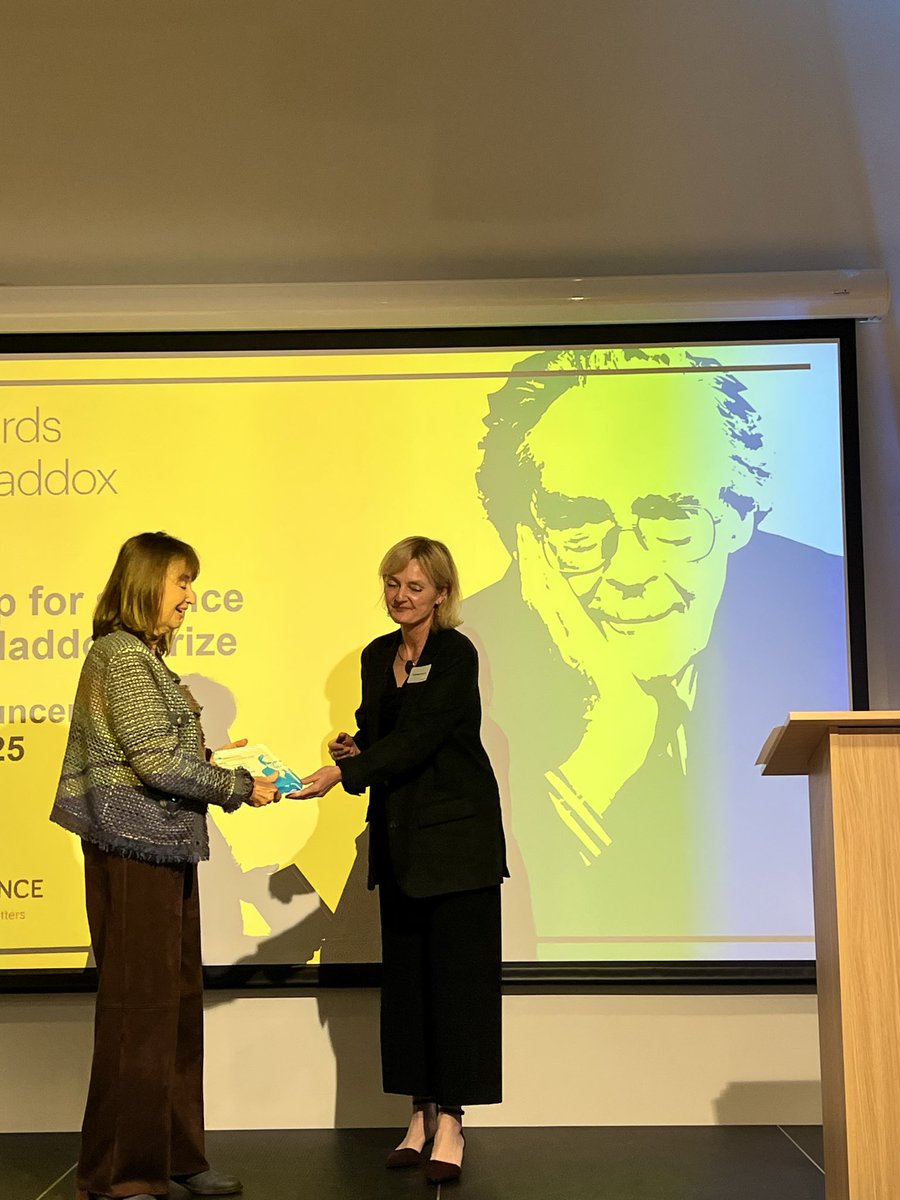
We’re delighted, with Nature Awards, to announce the John Maddox Prize winners! Virginia Burkett was the Maddox Winner and Nicolás Zanetta-Colombo was awarded with the Early Career Award.
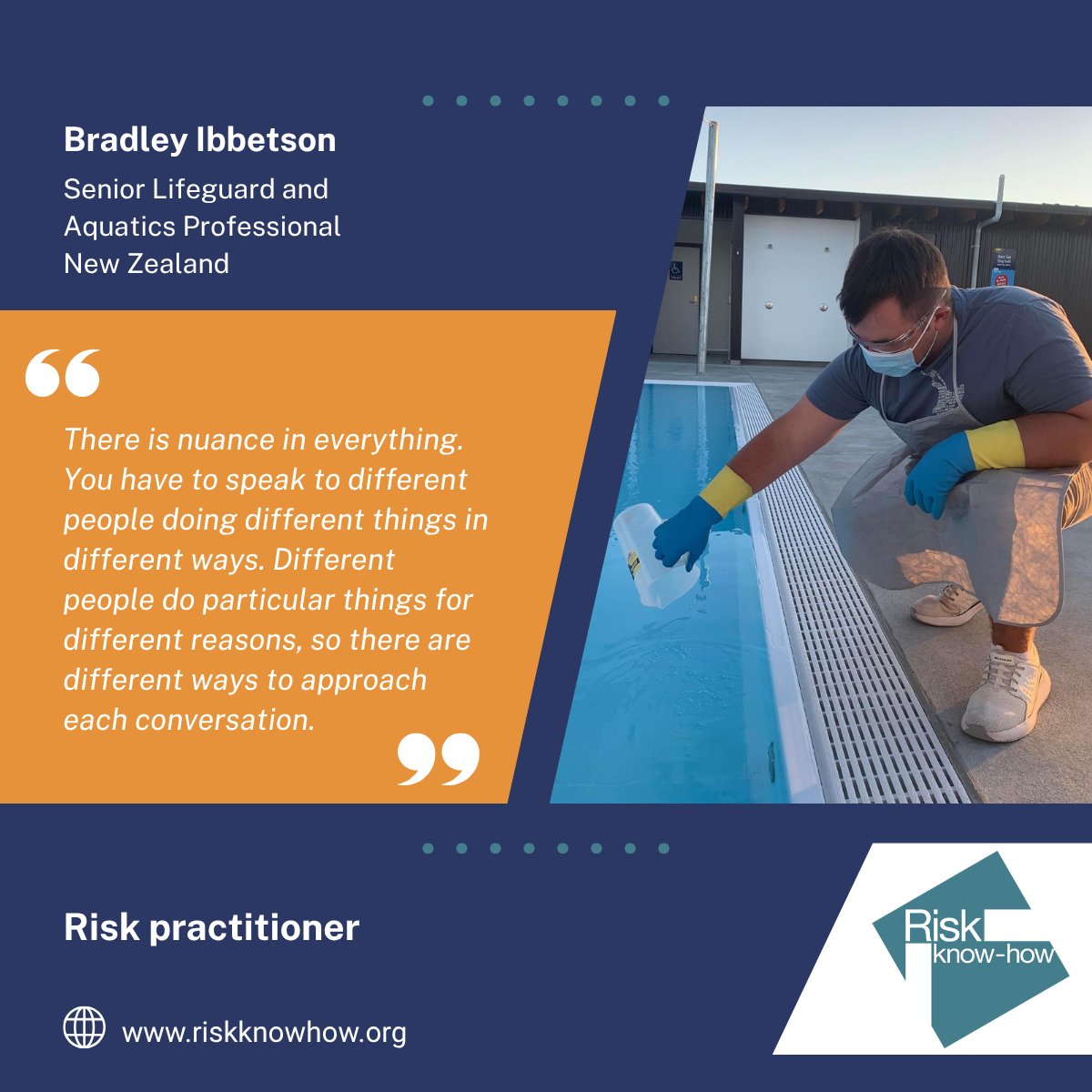
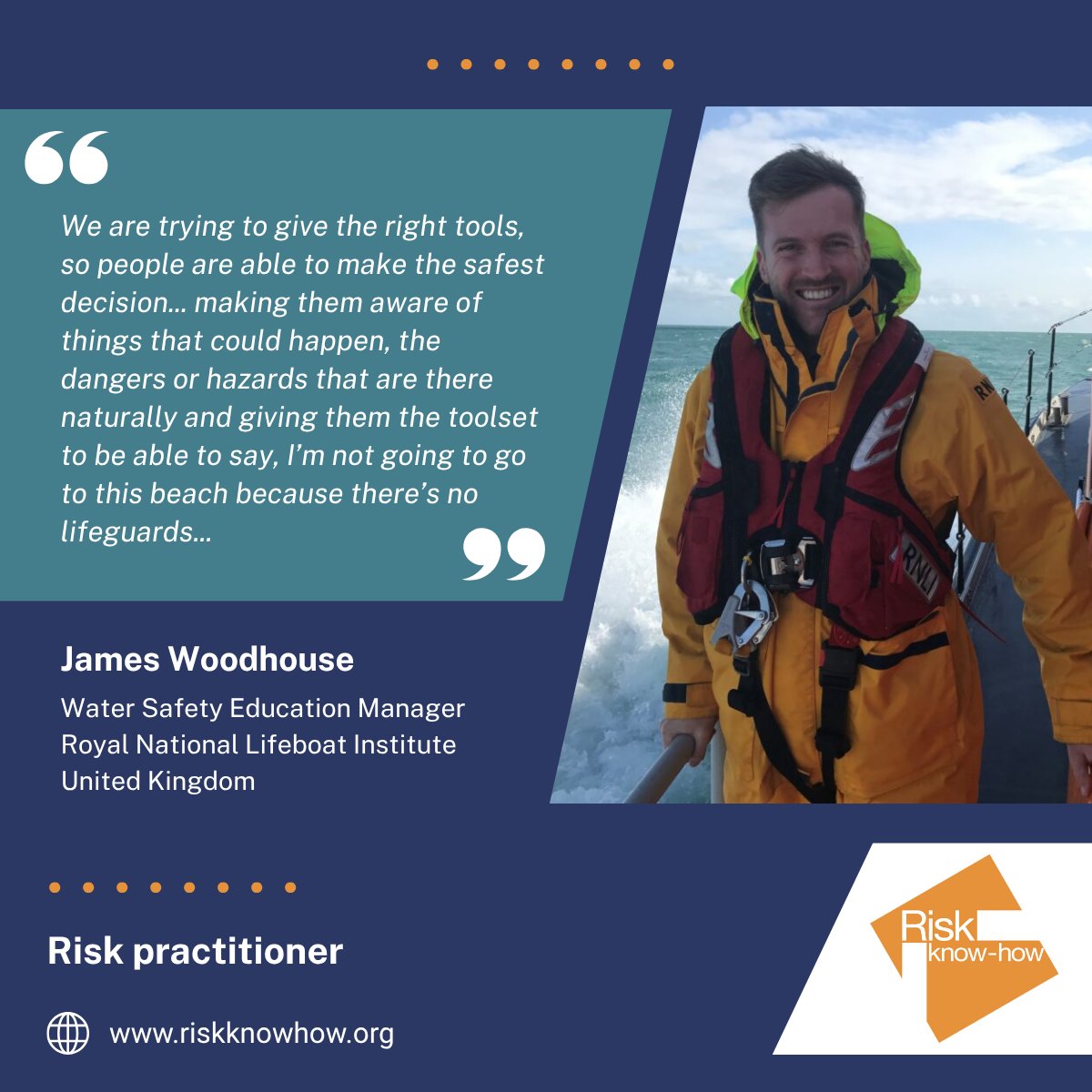
Meet Bradley Ibbetson who is the Senior Lifeguard and Aquatics Professional at Hanmer Springs Thermal Pool & Spa. They emphasise the importance of nuance when explaining different risks to different people. Explore their perspective here: 👉 https://t.co/5YHLmj2pI4
Meet risk practitioner Flor de Mayo, a lecturer and researcher in Guatemala helping communities understand and manage landslide risks. By bridging cultural gaps with Mayan communities, she’s making risk communication more trusted and effective.
👉 https://t.co/4lGOSh8MEf
Our 8 points for effective flood risk communication, developed from insights collected after flash floods in Spain, aims to serve others planning risk communications to ensure they are useful, actionable and keep people safe. Read the resource here https://t.co/hefr1kdHme
Take a look at our video which compliments the guide published on our website. It breaks down each point, ensuring effective communication during flood emergencies. Watch in English here👇, and Spanish on our website https://t.co/hefr1kd9wG
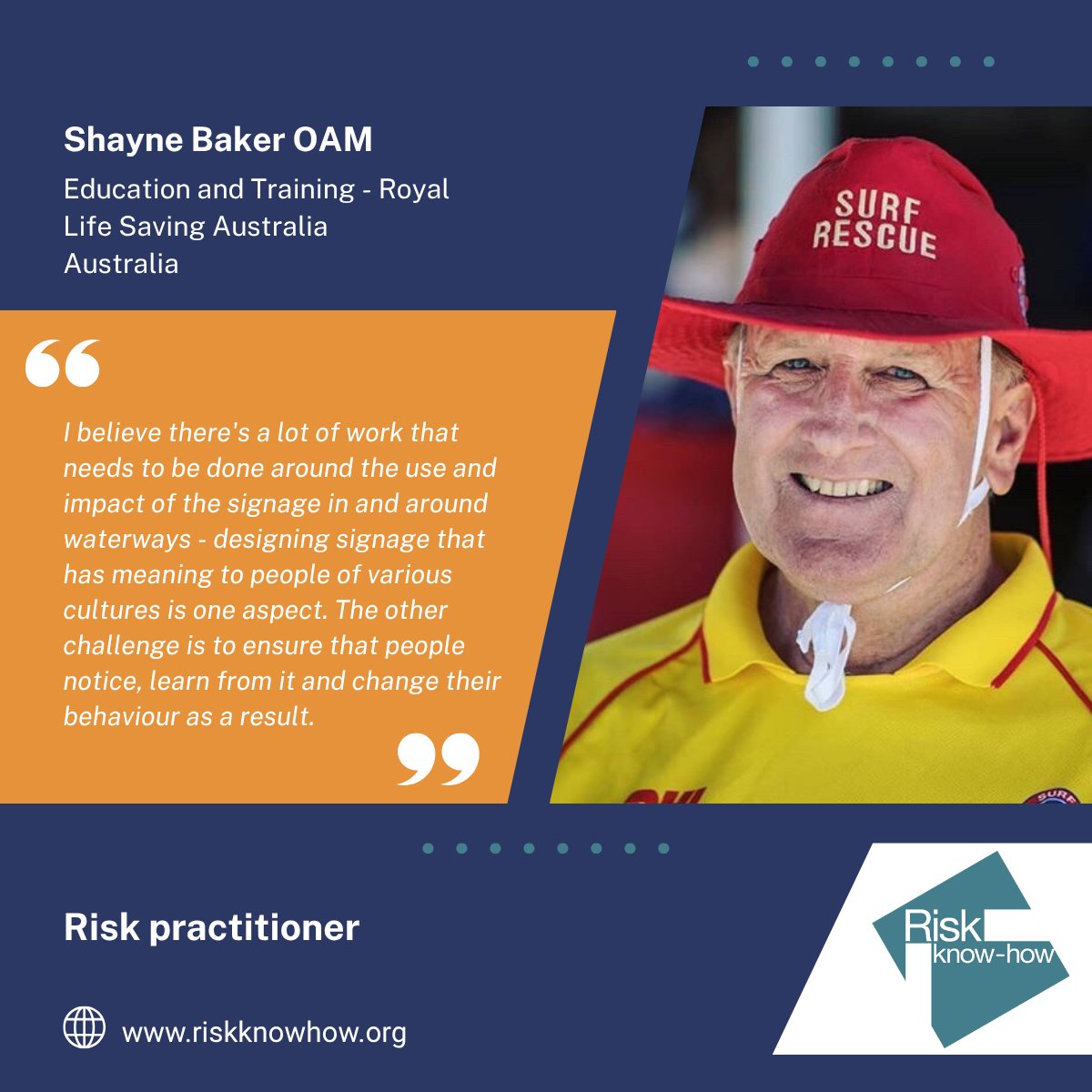
For this #DrowningPrevention day, the world is telling stories of changemakers who are helping to save lives. Read the testimonies of our Risk know-how practitioners who provide vital water safety education to understand their perspective on effective risk communication.
Good communication is always a challenge — doing it during a crisis takes it to the next level. Last week, Maricarmen from our team shared lessons from real emergencies at @unicomplutense summer courses.
Read her key takeaways & our work on risk comms ➡️ https://t.co/cRp9KtGUcI
🧵Take a look at this piece in @ScienceMagazine where Android technology is being used to develop an earthquake warning system. It aims to supplement existing detection networks and help residents in countries that might lack traditional seismic networks. https://t.co/acRDhI6BBZ
On 14 July, @metoffice published their ‘State of the UK climate’ report. Since the 80s the UK climate has been warming at a rate of approx 0.25°C per decade, which might not seem like a lot, but temperature extremes have increased, becoming more frequent and more intense. 👇
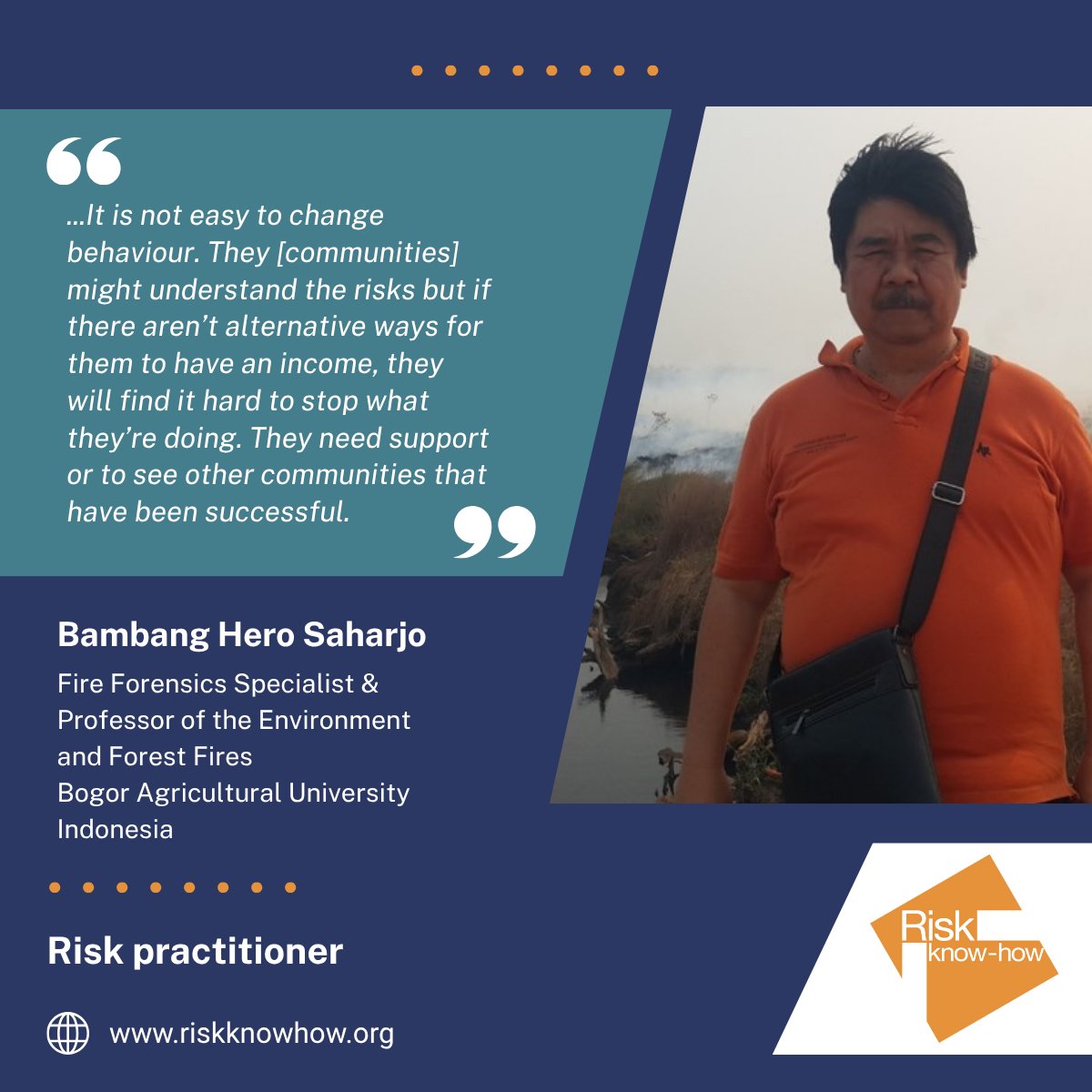
🌱 This is our risk practitioner, Bambang Hero Saharjo & 2019 Maddox Prize winner. He’s testified in many fire cases in Indonesia & helps communities understand fire risks.
He reminds us #RiskCommunication isn’t just facts. It’s about enabling change.
Today is #DayOfTheSeafarer 🌊
We’re recognising Ben Bailey, Director of Programme at @FlyingAngelNews and one of our risk practitioners around the globe
Ben’s work reminds us: risk communication must be culturally aware and context-specific.
#RiskCommunication#RiskKnowHow
🔬Passionate about making #research more transparent and reproducible? Join our hands-on #Research#Reproducibility#Workshop!
📅July 18, 10-12pm (BST)
💻Virtual
🌍Open to all disciplines interested in improving the reproducibility of their work
🌐Sign up: https://t.co/QD5zQM5Ou3
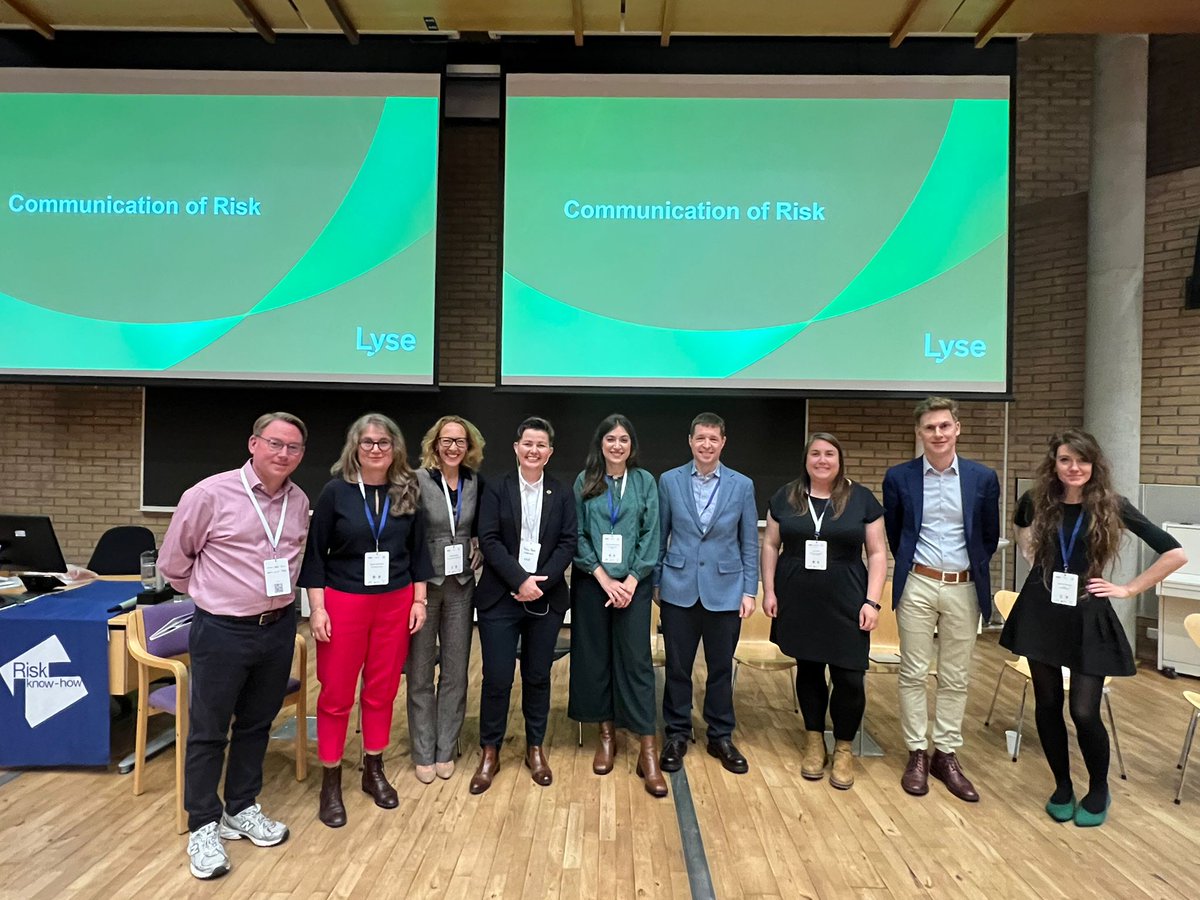
🧵Risk practitioners must be at the heart of #RiskCommunication.
Insights from the Joining Forces panel at #ESREL SRA-E make a compelling case.
🔹They have system knowledge, key to responding quickly in a crisis
🔹They communicate risk where people are
🔹They have #RiskKnowHow