The hard truth is that you probably will never see the day that your abuser apologises, admits or accepts what they have done to you. It is just as likely that you will never see the day you get justice (whatever that means to you) for everything that was done to you.
This means that many people who have been subjected to abuse and violence live with a sense of injustice, lack of closure, unfinished business, unfairness, and loss.
The trauma itself is then only added to by the trauma of never reaching some pivotal moment where you are rightly seen as the victim, that the abuser is held accountable, and that you are adequately protected and supported.
For me, this is just one reason why it is absolutely vital that I teach as many people as possible about our APTI approach (anti-pathology, trauma-informed), so these feelings are never reframed as a mental illness or disorder of thought or feeling.
These are big emotions, and huge things to process. It is likely they will take decades. None of this is abnormal or disordered.
If anything has to change, it is the way our societies, families and justice systems treat victims and abusers - because currently, much further harm is coming from those systems.
In Iran if a 12-year-old girl is raped and impregnated by her father, she must carry the baby to term, or be thrown in prison for life. Wait, sorry, no. That's Mississippi.
When people say that sex ed should start as early as four, this👇🏾 is what they mean, not that you should teach children about sex.
Teach your children about body basics, personal boundaries + consent, how to identify inappropriate behaviour, and most importantly, listen to them.
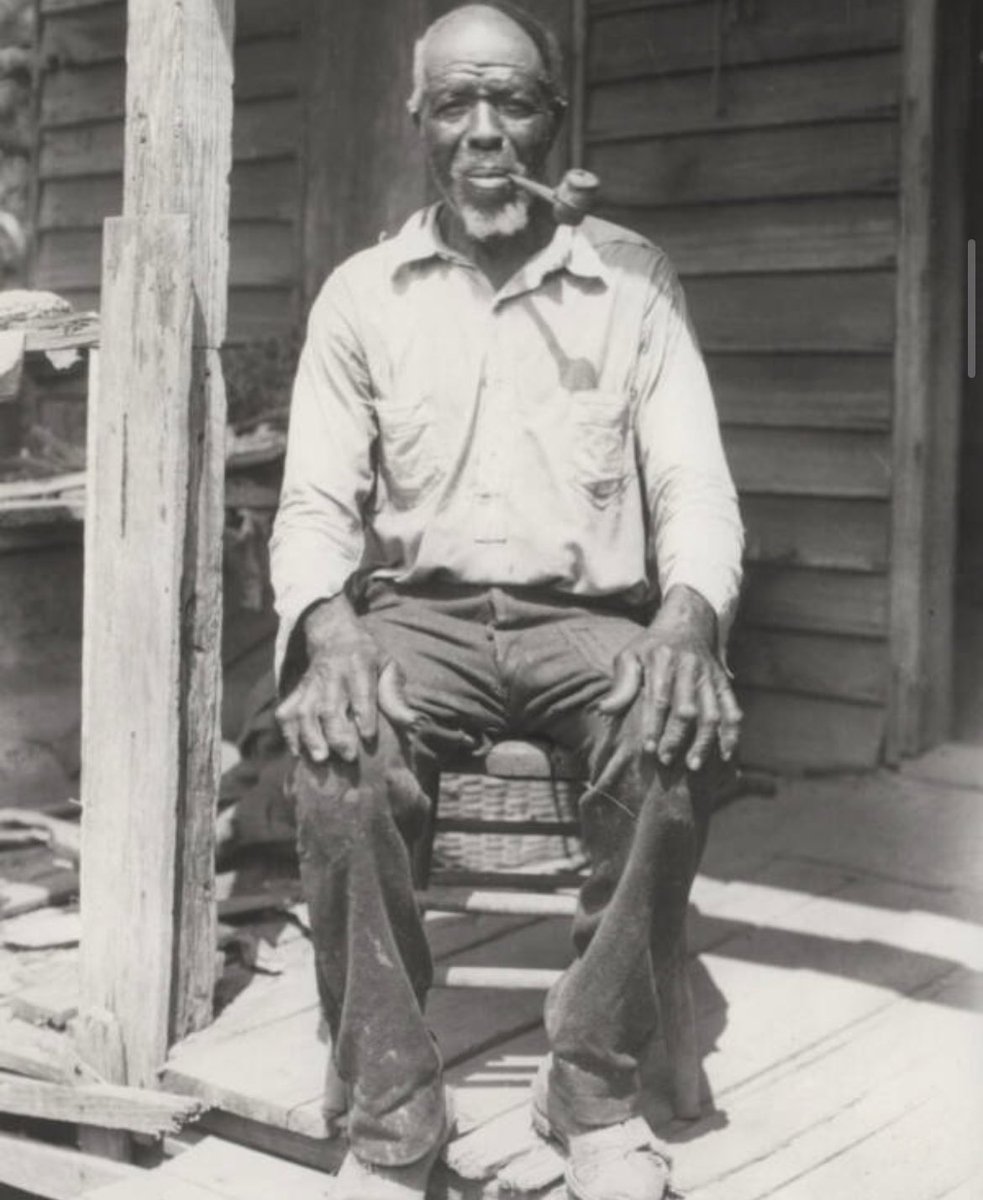
The last American slave ship arrived in Mobile, Alabama, in 1860, despite the illegal importation of slaves. On board were approximately 160 West African individuals who had been captured and enslaved. One of the captives, named Cudjo Lewis, was acutely aware of the potential erasure of his birth culture as he toiled in this new land. However, when he eventually gained his freedom, Lewis took action to preserve his heritage.
Using the money he had earned, Cudjo Lewis purchased two acres of land and established a self-sufficient community for the survivors of the last slave ship. This community, known to outsiders as Africatown, aimed to recreate aspects of the West African home from which they had been forcibly removed. Lewis wanted to ensure that extended families could live together, conversations could be held in regional languages, and traditions that might otherwise have been lost in America could be maintained.
Today, Africatown still exists as a community and continues to house the descendants of the individuals who were brought to America on the nation's last slave ship. It stands as a testament to the resilience and determination of those who fought to preserve their heritage and maintain a sense of cultural identity in the face of tremendous adversity.
on the pride parade “boyfriend of bi girlfriend” float with the other guys we’re chopping it up and hanging out. we’re all standing on the float holding a beer and they’re all cheering for us. more than the other floats even