I am delighted to share that our book "Genomics in Africa" is officially published today by CRC Press, part of Taylor & Francis Group.
The book brings together the voices and experiences of researchers advancing human genetics and genomics across the continent.
@tchikowore1
Delighted to see our paper published in @NatureComms
Largest GWAS of kidney function in Africa.
Lower frequency of APOL1 high risk variants in continental African populations
https://t.co/b8Z0YMFVgI
Penned my thoughts on the recent HMO outrage in Nigeria. Public frustration is understandable, but we must be careful not to throw away a policy that remains one of the strongest pathways to #UHC.
I’d love to hear your thoughts.
https://t.co/gBxhhkjGBy
Excited to announce a new scientific initiative here at MSK, led by @bengrbm -- the Theory Group. As a part of this initiative, we're hiring fellows. Job description below and link at the end. 1/n
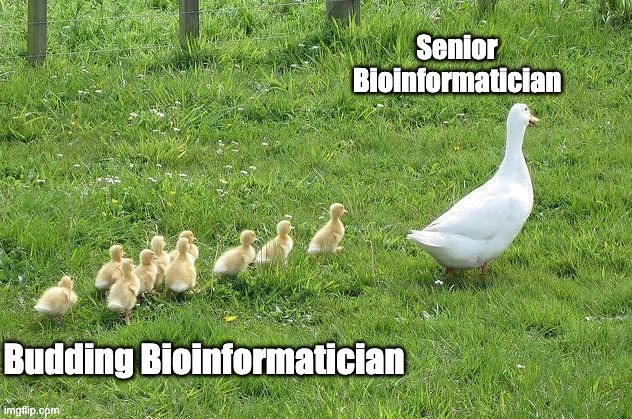
🧵 You don’t know what you don’t know. And that’s exactly why you need people around you who do.
1/ I once met a postdoc who submitted 50 HPC jobs One by one.
No for-loop. No job array.
He just didn’t know better.
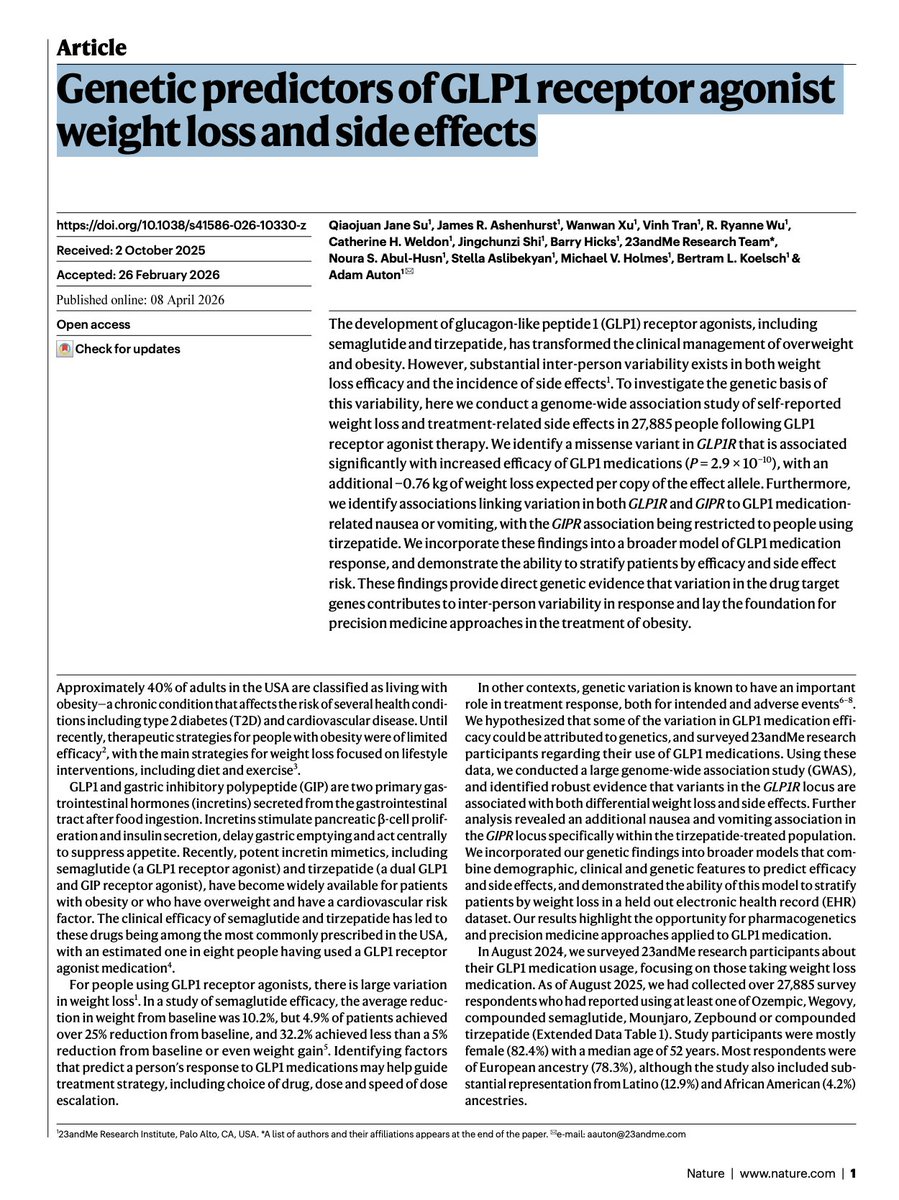
A massive Nature study of 27,885 GLP-1 users just dropped some major news about Ozempic and tirzepatide.
Your DNA determines how much weight you lose and how bad the side effects hit.
1 in 3 people see minimal results, and now we know why: (1/9)
1/ I used to panic every time a new *Seq method dropped.
ATAC-seq, CUT&Tag, scNOMe-seq, SHARE-seq... the list never ends. I tried to learn them all. I burned out.
Here's what I wish someone told me earlier.
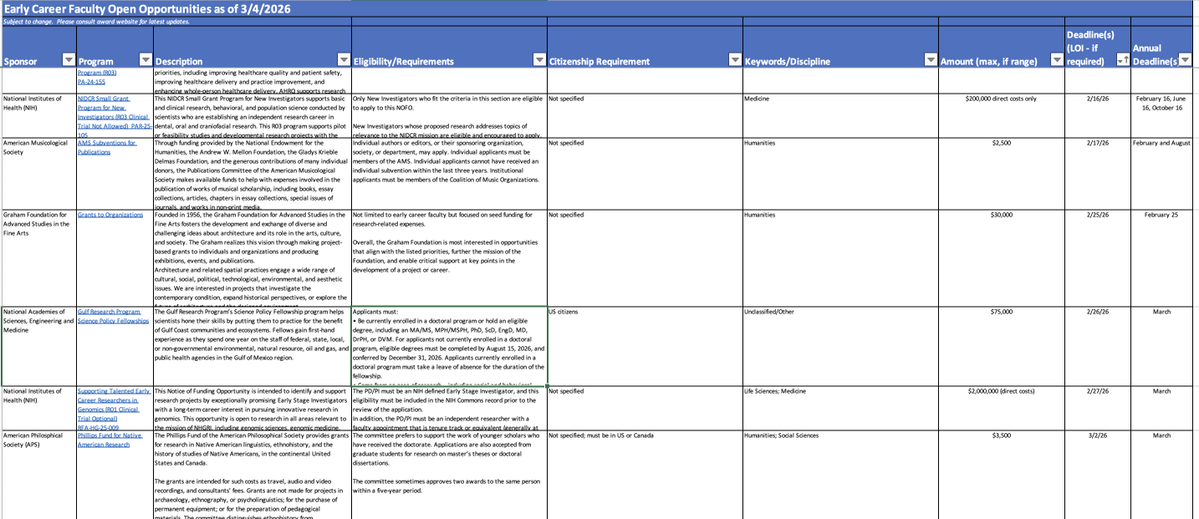
Here is our updated database of grants for early careers researchers in all fields.
It goes way beyond traditional NIH and NSF funding opportunities. We list 428 types of grants.
Download it here: https://t.co/RGXGrdp2uf
Zotero is the best citation/reference manager.
But many folks have a hard time starting out on it.
This step-by-step tutorial will teach you how to:
• Set up Zotero 8
• Build your library
• Take notes in Zotero
• Automate citations/references
• Change citations style
A brief history of p53-targeting cancer therapies
2003 — Gendicine, a p53 gene therapy, approved in China (but not elsewhere)
2012 — The first small molecule MDM2 inhibitor (RG7112, which works by preventing degradation of p53) enters trials, but did not progress to approval
2013 — Second-generation MDM2 inhibitor (Idasanutlin) reached phase 3, but failed and was dropped
2017 — A dual MDM2/MDMX inhibitor, ALRN-6924, enters trials; it has not since been approved
2020–2021 — A mutant p53 reactivator, Eprenetapopt, fails in phase 3
2023 — An MDM2 inhibitor, Milademetan, fails in phase 3
2024 — Promising phase 1 data for an MDM2 degrader
2026 — Rezatapopt phase 1 data: very promising early data, specific for the p53 Y220C mutation (present in 1% of all solid tumours)
How we're diagnosing obesity is changing
With the new method:
Someone with high BMI (but no excess body fat) does not have obesity
Someone with high BMI and excess body fat, but no signs/symptoms of obesity (like diabetes or shortness of breath) has preclinical obesity
Someone with high BMI, excess body fat and signs/symptoms has clinical obesity