Does anyone recognise this lady?
She is currently at Pretoria Central Police Stations and, unfortunately, appears to have lost her memory. She is unable to recall her name or where she lives.
If anyone recognises her or can help us identify her family, please get in touch with the station so we can reunite her with her loved ones.
This is one of the most famous paintings in the world, yet few people know the story of the woman holding the parasol…
It was painted by Claude Monet in 1875, and she was his wife, Camille, out for a walk with their young son Jean near their home in Argenteuil, just outside Paris. Monet painted them outdoors on a windy day, from below, so that Camille stands against the sky, her veil and dress caught by the wind, looking down at us as if we had just called her name.
It feels less like a moment a husband didn’t want to forget.
Four years later, Camille was gone. After a long illness, she died in September 1879, at just 32. Five days before the end, a priest blessed the marriage she and Monet had made in a simple civil ceremony nine years earlier. And there, at her bedside, the artist did the only thing he knew how to do: he painted her one last time. Years later, he confessed that even then, sitting beside her, he caught himself studying the colors that death was leaving on her face, a moment he never managed to forget.
By then, she had appeared in some fifty of his paintings: in a green silk dress at nineteen, standing at a window, walking through the poppies with their little boy. Without ever meaning to, he had painted the story of her whole life with him.
Monet lived almost fifty more years, but on this canvas it will always be that summer afternoon, with Camille turning to look at him in the wind…
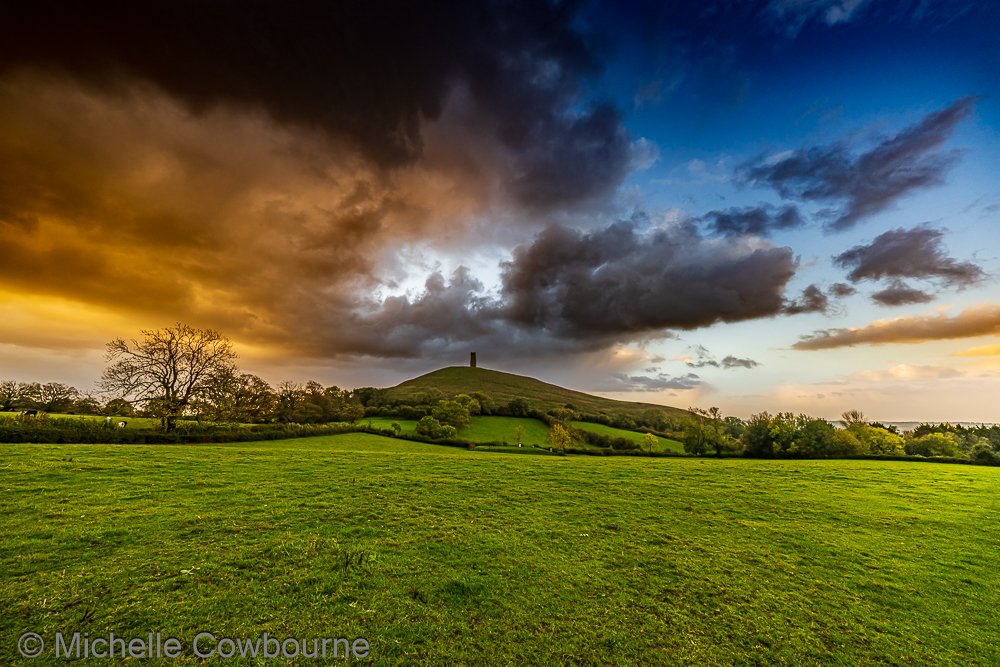
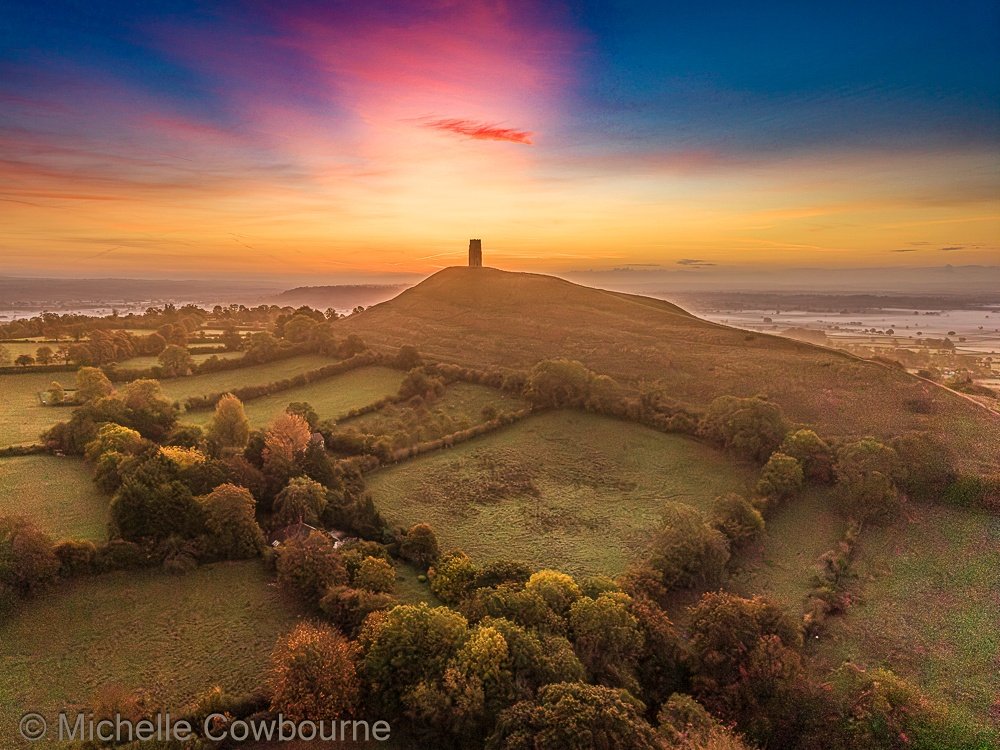
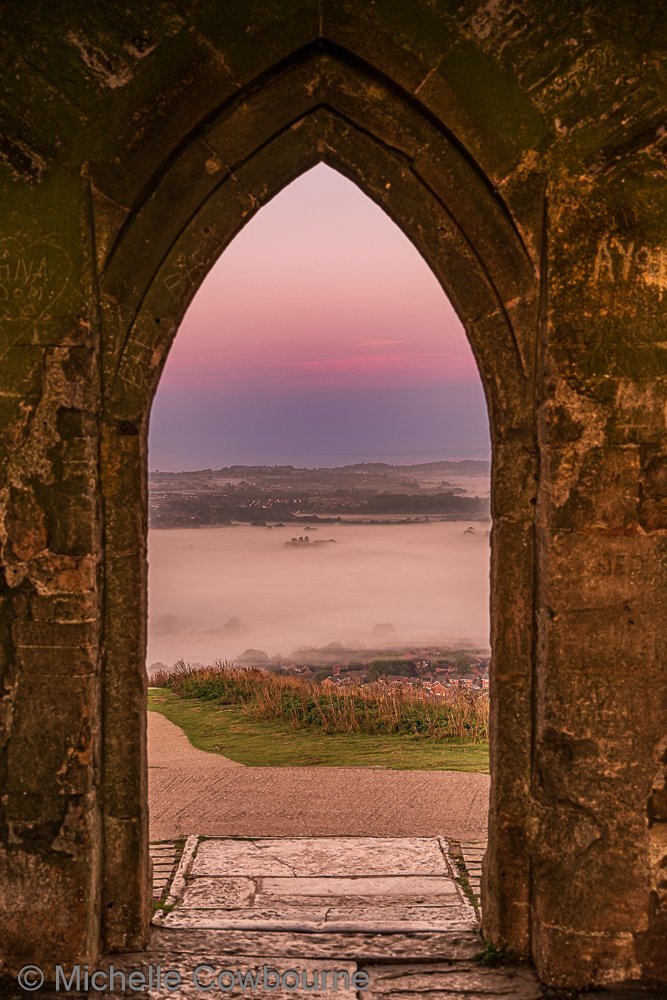
Archway of Dreams. Taken a few days ago as today was torrential rain here in Glastonbury. I did go for my walk but it was one of those mornings where I wish my passion and job wasn't photography 😂 Maybe I need a rainy day hobby as well. 😂
From the Spring of the Gazelles- the Oldest Faces in the Levant
In a darkened room of the Jordan Museum in Amman stand some of the strangest and most haunting figures ever made. They are about nine thousand years old. Pale, flat, almost life-sized, with long necks and stubby hands, they stare out at you with huge almond eyes ringed in black bitumen, as if they had just woken from a very long sleep. Which, in a sense, they have.
South Africa takes the crown for favourite Wildlife Destination at the @NatGeo 2026 UK Reader Awards! 🏆🇿🇦
From seeing the Big Five to discovering rare species in remote landscapes, South Africa is home to extraordinary wildlife encounters.
Read here: https://t.co/dFPoBWmvkq
⚠️ A Stairway Into the Afterlife—Built 4,500 Years Ago
Hidden beneath the earth, archaeologists uncovered something that feels almost unreal. Deep inside a massive stone-lined trench lies a narrow stepped passage, carved and built between 2600 and 2000 BCE.
Every limestone block is stacked with stunning precision, forming tall vertical walls that still stand firm after thousands of years. The stairs descend slowly into darkness, as if guiding only the chosen few toward something sacred below. This was not meant for daily use—it was designed to be felt. Walking downward would have been a powerful ritual, symbolizing a journey away from the living world and closer to the divine or the afterlife. The depth, tight space, and silence turn simple movement into an emotional experience.
Long before modern engineering, ancient builders created a place that still whispers mystery, belief, and awe. Once you imagine standing at the top of those steps, it’s impossible to look away.
THEY BRUSHED AWAY THE DUST… AND FOUND THIS 👁️
For thousands of years, this ancient artwork lay hidden beneath the ground near the Euphrates.
Then archaeologists slowly brushed away the dust—and bright colors began to appear. Red, orange, and deep blue stones formed a beautiful mosaic.
But one detail stands out: a strange glowing eye surrounded by figures that seem to be dancing around it.
What did the eye mean? Was it a god, a symbol of protection, or something we still don’t understand?
The people who made this art are long gone. Their world disappeared centuries ago.
But their mysterious message is still here, waiting for us to see it. 👁️
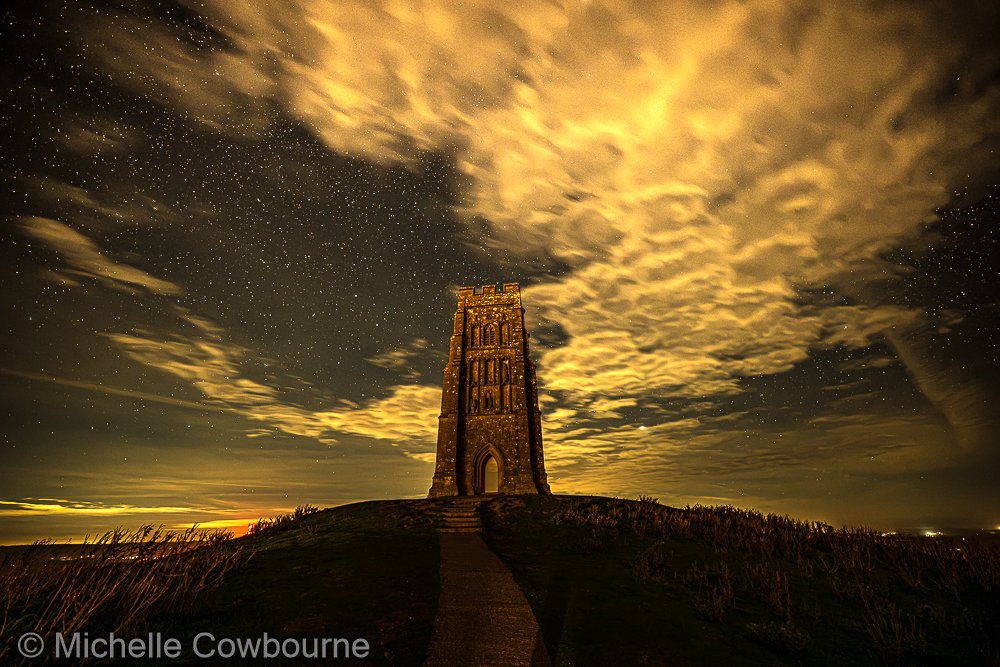
Mystical archway. Photo from St Michael's tower on Glastonbury Tor. Good luck to everyone trying for @glastonbury tickets today. 🤞#Glastonbury#glastonburytor
#تصويري لسديم رأس الحصان!
رصد لرأس حصان أسود جامح وهو بيثير غبار كوني مشبع بالهيدروجين المتأين (الأحمر) وكأنه في معركة جوا كوكبة أورايون..
الضوء ده سافر ١،٥٠٠ سنة ضوئية عشان يوصلك!
لو حد من سكان السديم داه صور الأرض من عنده هيلاقي صور الإمبراطور قسطنطين وهو بيتوسع عسكرياً في شمال أفريقيا! وهيصور رحلات تجارة قريش قبل بعثة الإسلام بسنين بسيطه والاتنين كانوا بالخيول!
الصوره 4K للي عايز يعمل زووم.. والتفاصيل حقيقيه تماماً ومش خيال ومش AI ومش فوتوشوب ومش أي حاجه غير سبحان الله!! ♥️
Carl Sagan on books ✍️
"What an astonishing thing a book is. It’s a flat object made from a tree with flexible parts on which are imprinted lots of funny dark squiggles. But one glance at it and you’re inside the mind of another person, maybe somebody dead for thousands of years."
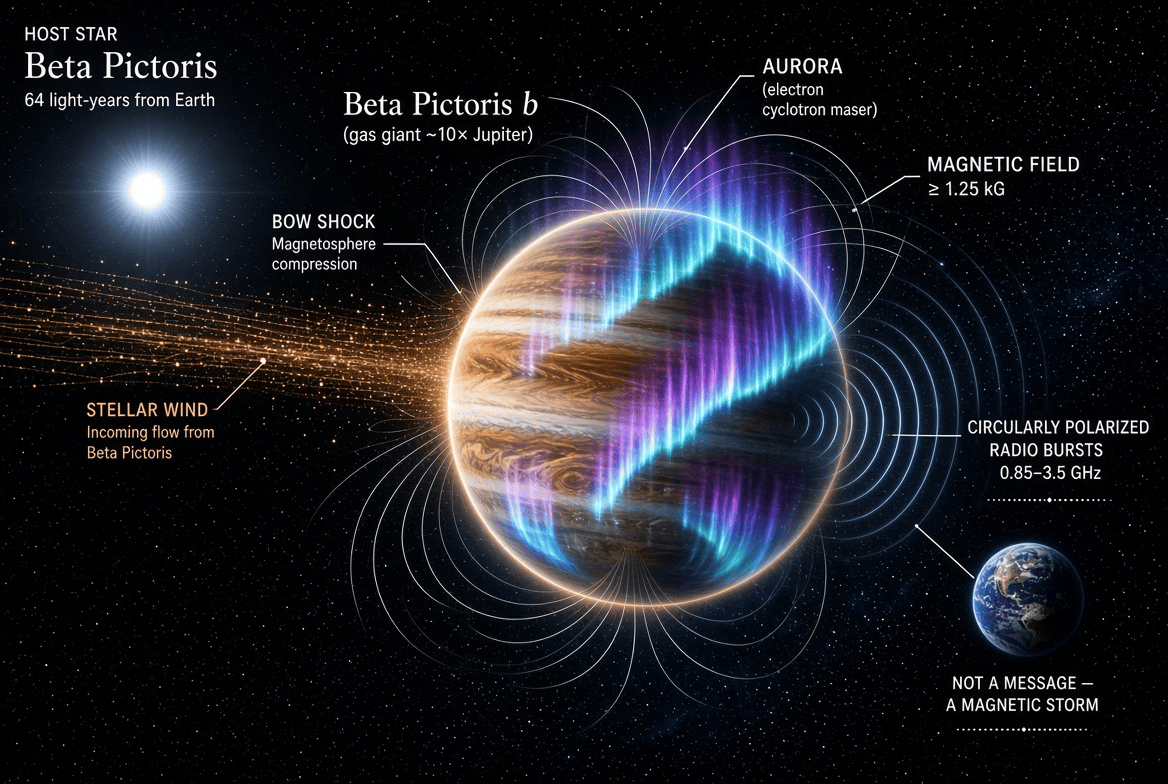
A radio pulse from another world just arrived — and it is not a greeting.
Sixty-four light-years away, in the glare of the young star Beta Pictoris, a gas giant about ten times the mass of Jupiter is broadcasting. Astronomers using South Africa’s MeerKAT array have isolated the signal to the planet itself: Beta Pictoris b. For the first time, a radio source beyond the Solar System has been pinned to a single exoplanet rather than its star.
The temptation to hear a message is understandable. The reality is stranger, and more useful. The bursts are short, repeating, and fiercely circularly polarized — radio waves that corkscrew through space between 0.85 and 3.5 GHz. That is the fingerprint of an electron cyclotron maser: electrons racing along magnetic field lines and dumping energy as radio light. In other words, an aurora. Not the pale curtains of Earth, but a storm on a world whose magnetic field is at least 1.25 kilogauss — thousands of times stronger than Earth’s surface field.
Beta Pictoris b orbits about 10 astronomical units from its star and takes roughly 24 years to complete a lap. It spins in eight to nine hours. That combination — a young, massive planet, a dynamo-powered magnetosphere, and a stellar wind slamming into it — can drive auroras of almost cartoonish power. The polarization even flips handedness from one observing run to the next, as expected when different magnetic poles and viewing angles rotate into view.
So no civilization. Something better for science: the first direct measurement of an exoplanet’s magnetic field. Magnetic fields decide how atmospheres leak into space, how planets shed heat, and whether a world can hold onto the chemistry of life. Jupiter already shouts in radio; now a planet around another star has joined the chorus.
The next move is obvious. Point the same technique at other giant worlds and listen for the aurora’s scream. The galaxy just got a new way to take a planet’s pulse.