𝙒𝙝𝙚𝙣 𝘼𝙄 𝙂𝙤𝙚𝙨 𝙋𝙪𝙗𝙡𝙞𝙘, 𝘿𝙤𝙚𝙨 𝙔𝙤𝙪𝙧 𝙀𝙭𝙥𝙚𝙧𝙞𝙚𝙣𝙘𝙚 𝙎𝙩𝙖𝙮 𝙋𝙧𝙞𝙫𝙖𝙩𝙚? | 𝙏𝙝𝙚 𝙈𝙖𝙨𝙩𝙚𝙧𝙬𝙤𝙧𝙠 𝙔𝙚𝙖𝙧𝙨.
Within 24 hours of my book’s launch, Anthropic went public. AI may push you to guard your data. But as AI advances, your Masterwork Matters even more.
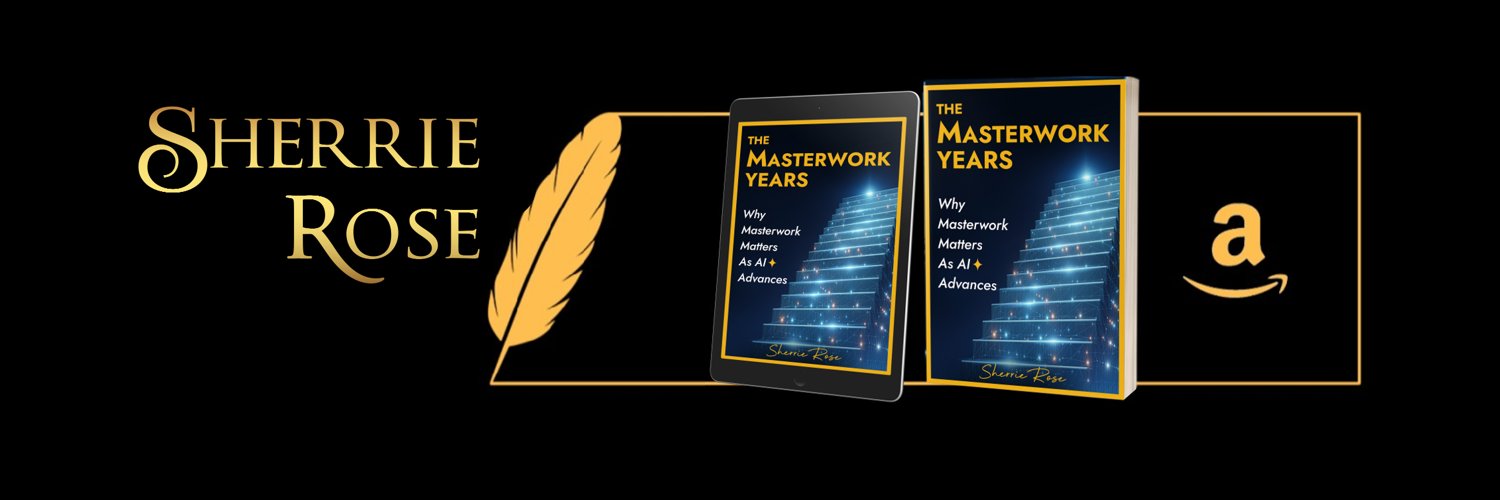
On November 18, my new book, The Masterwork Years: Why Masterwork Matters as AI Advances, launched. That same evening, Anthropic, the company behind Claude, priced its initial public offering. The next morning, its shares began trading on Nasdaq.
𝐼 𝑐𝑜𝑢𝑙𝑑𝑛’𝑡 ℎ𝑎𝑣𝑒 𝑝𝑙𝑎𝑛𝑛𝑒𝑑 𝑎 𝑏𝑒𝑡𝑡𝑒𝑟 ℎ𝑜𝑜𝑘 𝑡𝑜 𝑡ℎ𝑒 𝑏𝑜𝑜𝑘.
"My co-founders and I started Anthropic because we believe that the most powerful technology of our time should be built for the benefit of humankind."
- @DarioAmodei
Going public is a decision. A company prepares for months. It opens its financials, explains what it has built, and invites the public in. Then it sets a date.
Look at what goes into an IPO filing: years of results, the risks, the plan for what comes next. It’s a company’s history, made readable for people who weren’t there.
*𝗠𝗼𝘀𝘁 𝗘𝘅𝗽𝗲𝗿𝗶𝗲𝗻𝗰𝗲 𝗦𝘁𝗮𝘆𝘀 𝗣𝗿𝗶𝘃𝗮𝘁𝗲𝗹𝘆 𝗛𝗲𝗹𝗱
Your decades are a different kind of asset. What you know about people, timing and hard calls lives with one holder: you. It’s in the way you read a situation, the question you ask first, the call you make before anyone else sees the problem.
No one files paperwork to take it public. No one sets a date. So it stays with you by default, often far longer than you intend.
AI has made privacy a daily concern, and guarding your data makes sense. Guarding your masterwork has the opposite effect: the longer it stays private, the fewer people benefit from it.
Meanwhile, AI keeps advancing. This week, Anthropic’s initial public offering, under the ticker ANT, valued the company at $1.5 trillion. That number tells you where attention is going. It doesn’t measure what your experience is worth to the people who could use it.
Wisdom has a half-life. Masterwork makes it whole.
𝗪𝗵𝗮𝘁 𝗪𝗼𝘂𝗹𝗱 𝗚𝗼𝗶𝗻𝗴 𝗣𝘂𝗯𝗹𝗶𝗰 𝗟𝗼𝗼𝗸 𝗟𝗶𝗸𝗲 𝗳𝗼𝗿 𝗬𝗼𝘂?
Going public with your experience is smaller and more personal than an IPO. It happens one exchange at a time: a decision you explain to a newer leader, a lesson you teach your team, a story told when someone needs it.
None of that requires a memoir or a stage. It requires a decision, and ideally a date.
A public company answers to shareholders every quarter. You answer to far fewer people, and you set the terms.
So ask yourself three questions. How much of what you know lives with you alone? Who would benefit if it didn’t? What date would you set?
𝗧𝗵𝗲 𝗕𝗼𝗼𝗸 𝗦𝘂𝗯𝘁𝗶𝘁𝗹𝗲 𝗪𝗿𝗼𝘁𝗲 𝗜𝘁𝘀𝗲𝗹𝗳 𝗧𝗵𝗶𝘀 𝗪𝗲𝗲𝗸: 𝗪𝗵𝘆 𝗠𝗮𝘀𝘁𝗲𝗿𝘄𝗼𝗿𝗸 𝗠𝗮𝘁𝘁𝗲𝗿𝘀 𝗔𝘀 𝗔𝗜 𝗔𝗱𝘃𝗮𝗻𝗰𝗲𝘀
I chose the subtitle Why Masterwork Matters as AI Advances months before this IPO had a date. Initially the book was to be released this summer. This week made the book’s cover words feel less like a subtitle and more like a headline.
The Masterwork Years is named for a stage: the years when you develop your masterwork from decades of experience, and it reaches other people. AI is the backdrop. This week, the backdrop made the news: AI advanced in public, on a stock exchange, in real time.
In the book, I show why the discernment behind your decades gains value as AI advances, and how Masterwork lets it reach other people while your wisdom is active.
Anthropic went public on its own schedule: a confidential SEC filing in June, a September report for a November debut, and the company’s first trades this week. Is your masterwork waiting for you to go public and set a schedule on your own terms?
Available in hardcover, paperback, Kindle, and audiobook.
Get the book in the format you like → https://t.co/SoBwUqWYMN
Kindle Free on November 20th
Yesterday we gave thanks around tables full of people we love. Today the sales are on, a bot is offering to do the shopping for us, and another bot suspended an account "after careful review." By whom?
Read my latest article: The New Meaning of Black Friday: When a Bot Cuts You Off https://t.co/E5xNFU4hPd
A thousand blessings, great and small,
How rich this life can truly be.
The sun may set, the seasons turn,
Our grateful hearts feel love and care,
Enjoy the day, its gifts to share.
@joelcomm CES (Consumer Electronics Show) effectively took over COMDEX's spot as Las Vegas's premier tech trade show around 2003–2005. I was at Comdex in 1995.
𝘏𝘢𝘱𝘱𝘺 𝘍𝘪𝘣𝘰𝘯𝘢𝘤𝘤𝘪 𝘋𝘢𝘺. Today's date, 11/23, reads 1, 1, 2, 3: the opening of the sequence in which each number is the sum of the two before it. Every new number comes from what came before.
Fibonacci introduced the sequence in a book of commercial arithmetic, written in 1202 to teach merchants how to calculate profit, exchange currency, and figure interest. Investors still use its ratios today to chart where markets may turn.
The nautilus, a deep-sea mollusk adds one chamber at a time to its spiral shell, each a little larger than the last, and lives in the newest chambers and grows by the same logic. The symbol of Give Smart is the nautilus.
Give Smart follows the Fibonacci design. Contributing is the new chamber: time, wisdom, or resources given with intention and aimed at the root of a need. Conserving is the chambers behind it: the wills, estates, and trusts that keep what you have gathered sound enough to support the next gift. The shell needs both to rise.
Each gift adds to the ones before it, the way each Fibonacci number adds the two before it. Relationship Riches grows the same way, for the giver and for the person who receives. Over generations, families and partners keep adding to what was given before.
One gift is a single chamber. Keep giving with intention and the chambers form a spiral. That is Give Smart. Giving is top of mind this Thanksgiving week.
https://t.co/MhLX10jVmM