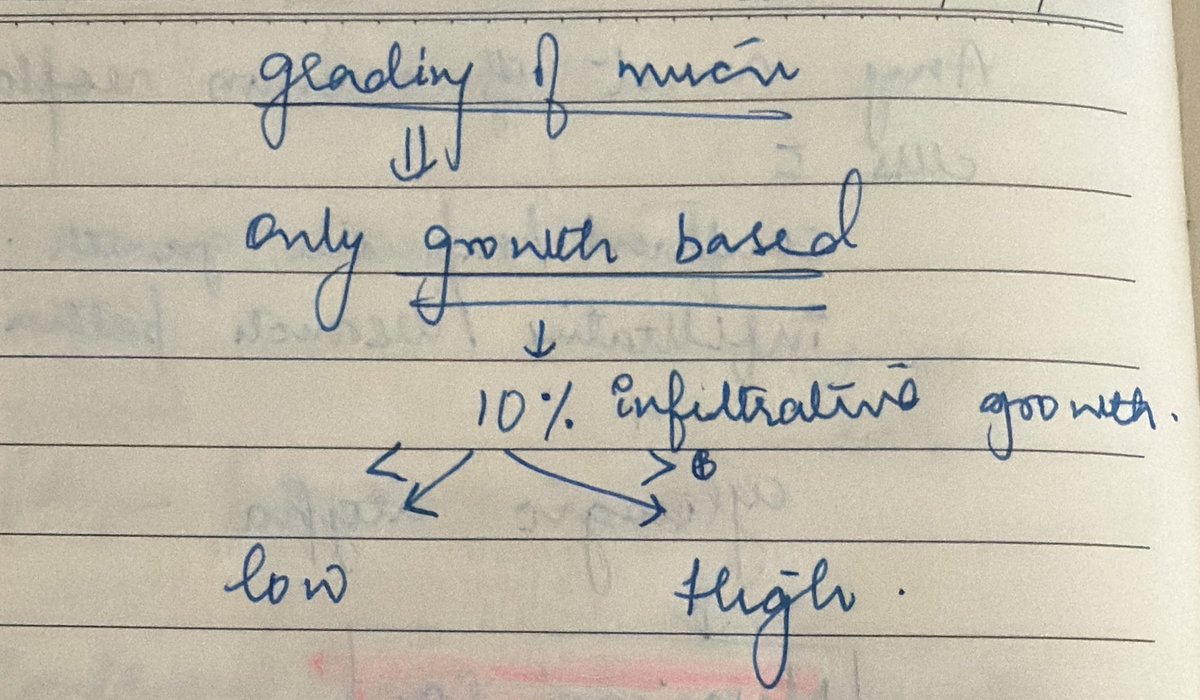
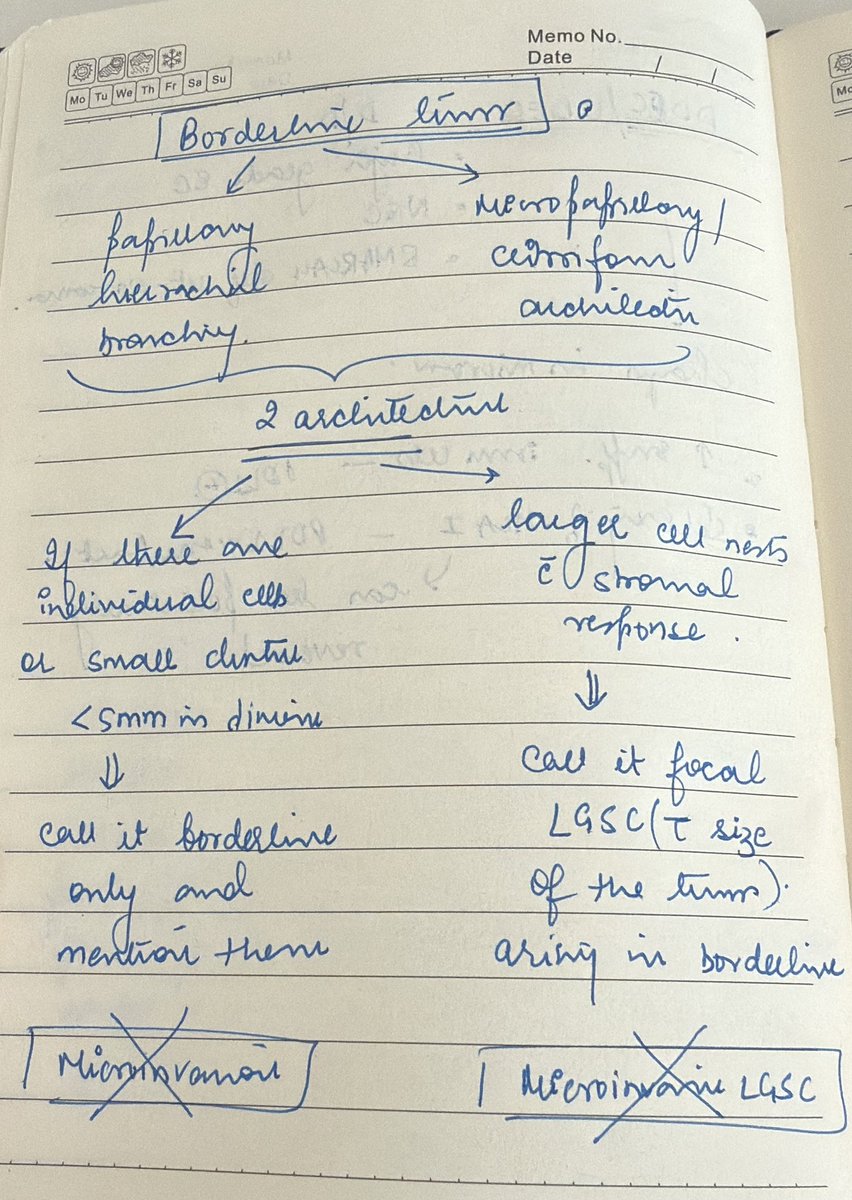
Resident notes The WHO 6th edition is retiring the "micros" in ovarian tumour pathology, and as a learner I'm relieved. Here's what changed. #ISGyP2026#ISGynP#ESPC#PathX#PathTwitter
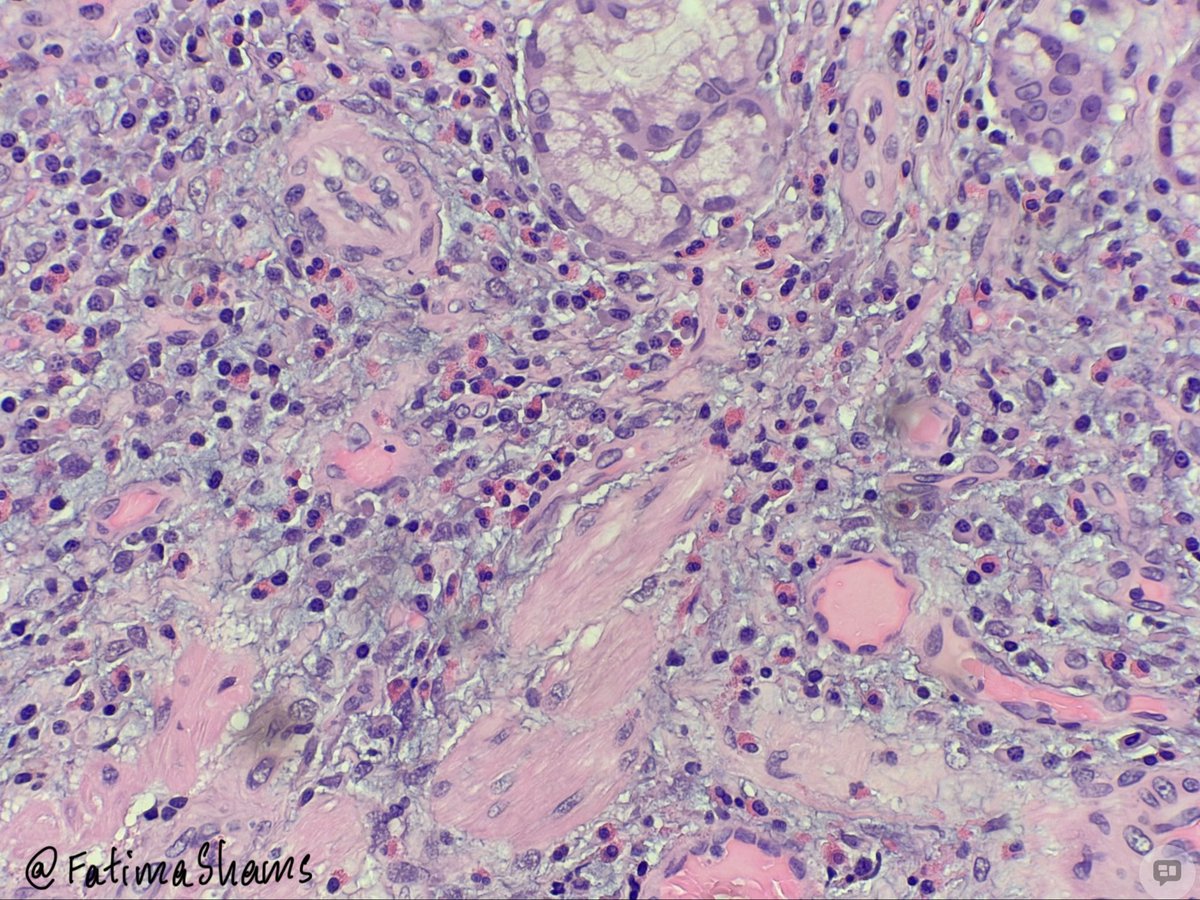
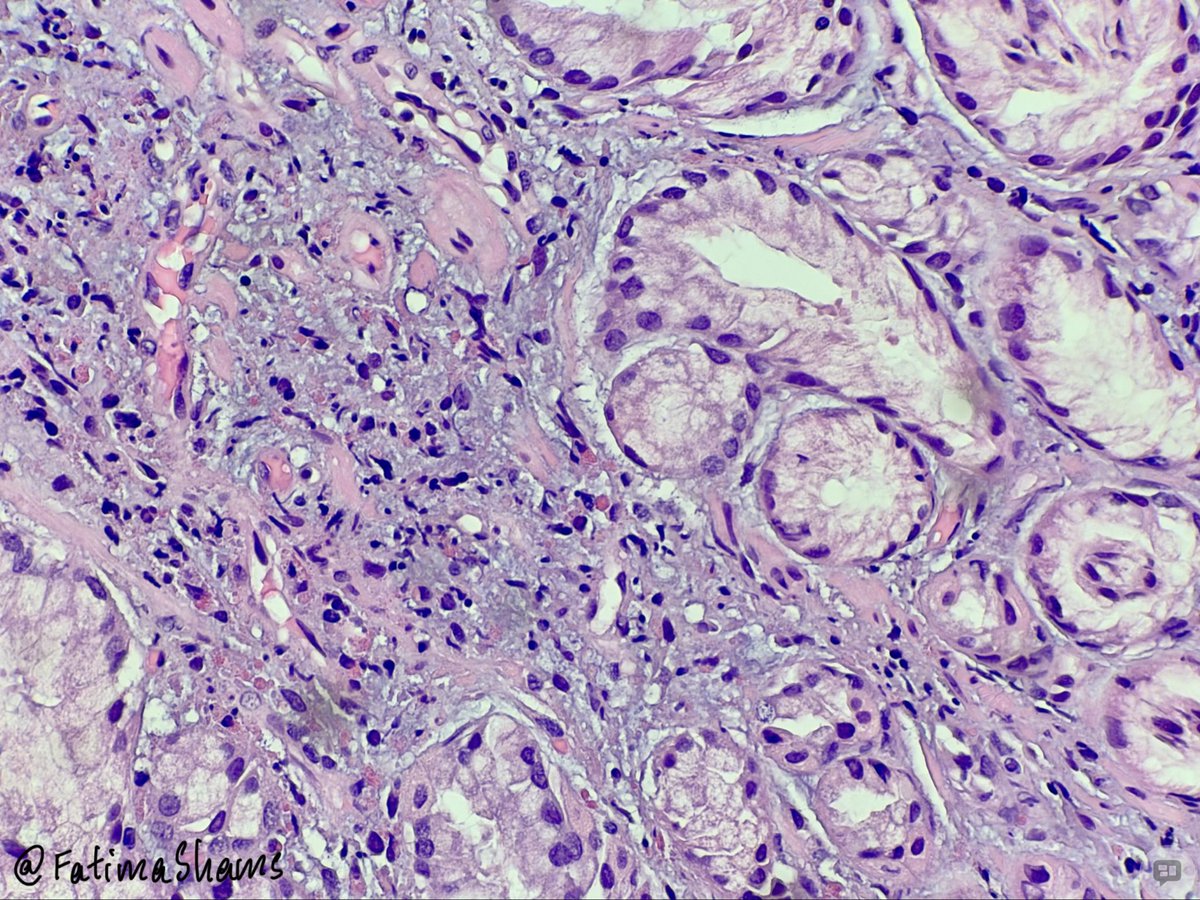
WHO 2026 Clarification on Immature Teratomas
Any amount of immature neuroepithelial tissue in a teratoma → diagnose as immature teratoma
Before calling it immature, rule out mimics:
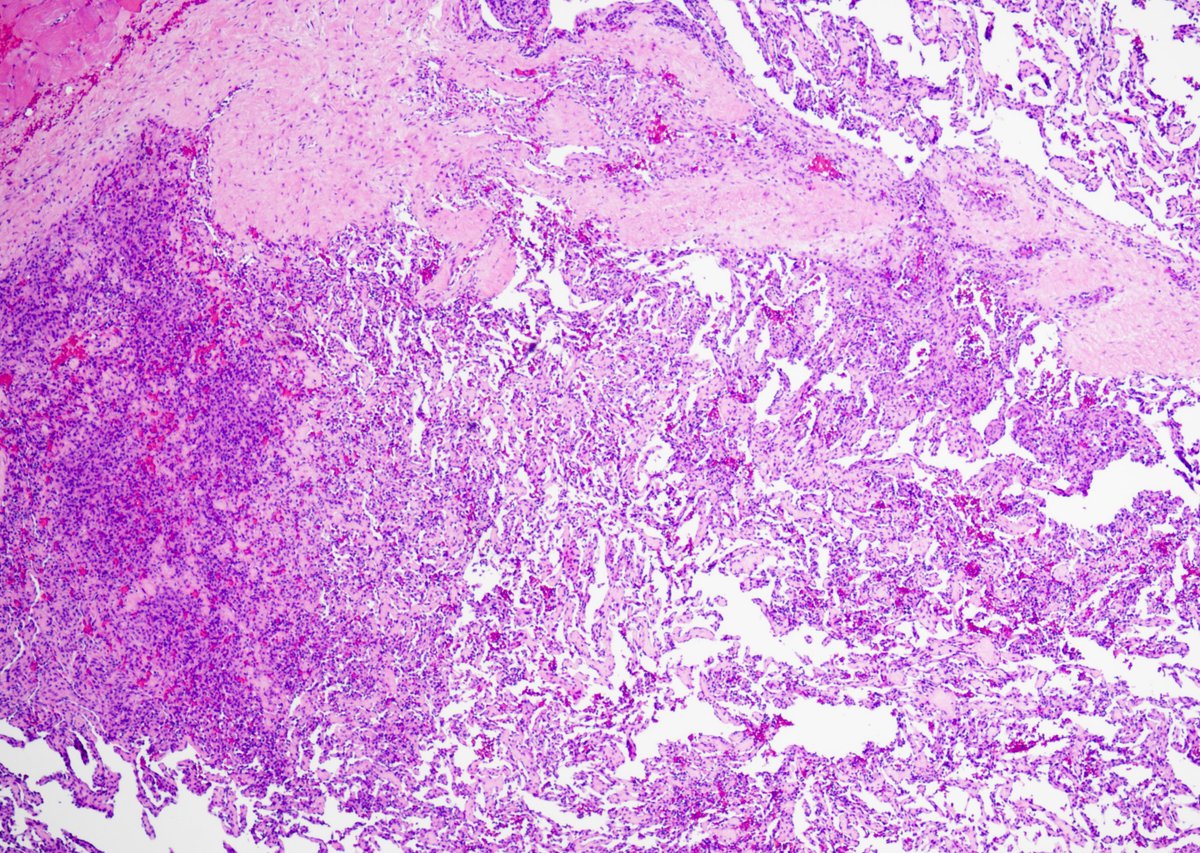
- Cerebellar tissue (pic 1)
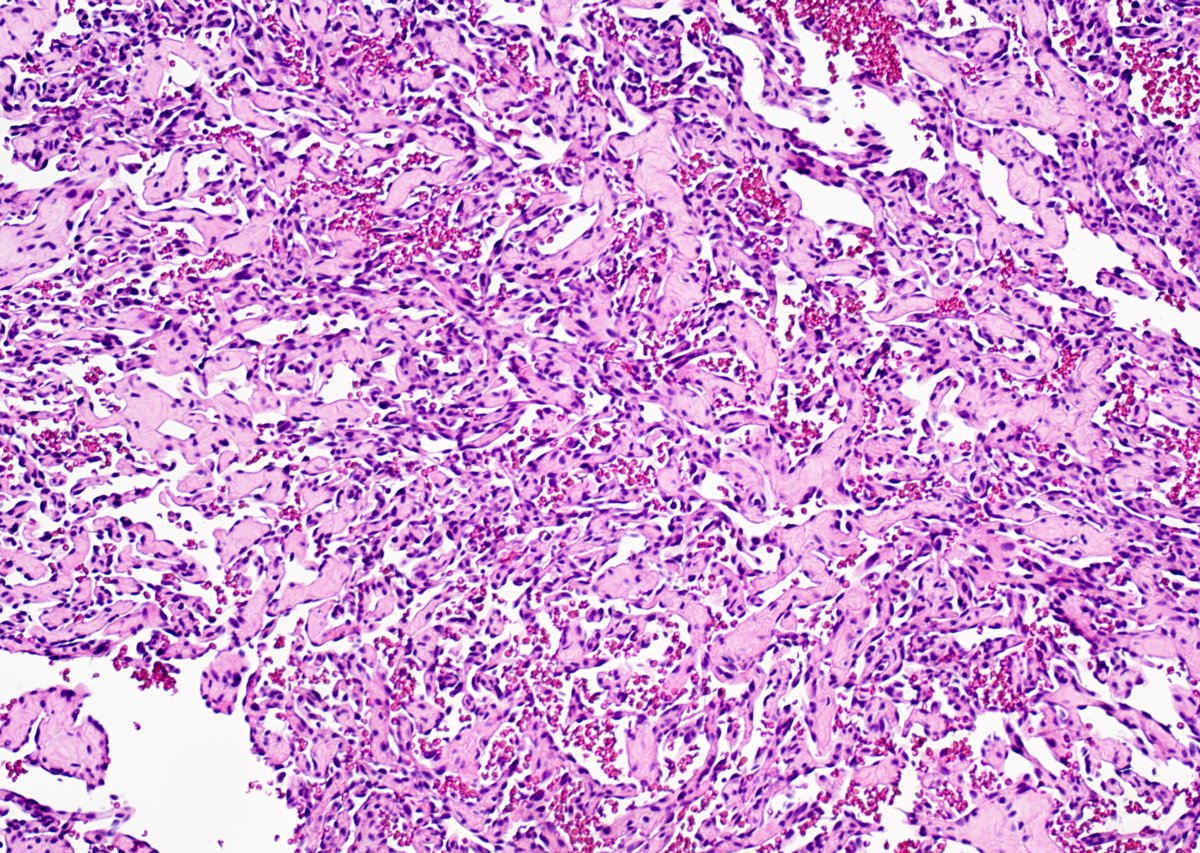
- Retinal tissue (pics 2 & 3; pic 3 was previously misdiagnosed as immature teratoma)
- Ependymal tissue (pic 4)
Dr. McCluggage. 2026 Annual Meeting of the International Society of Gynecological Pathologists
#ISGyP #Pathology #PathX
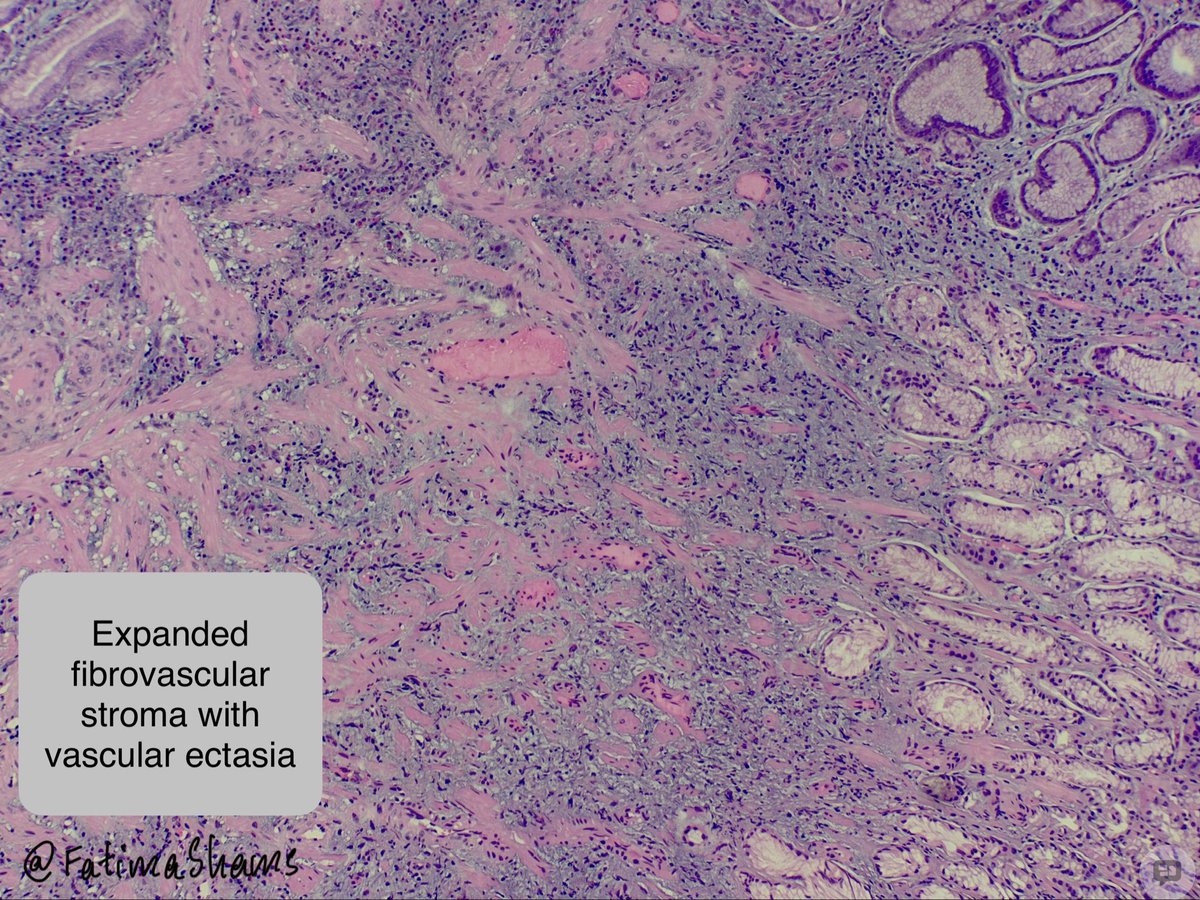
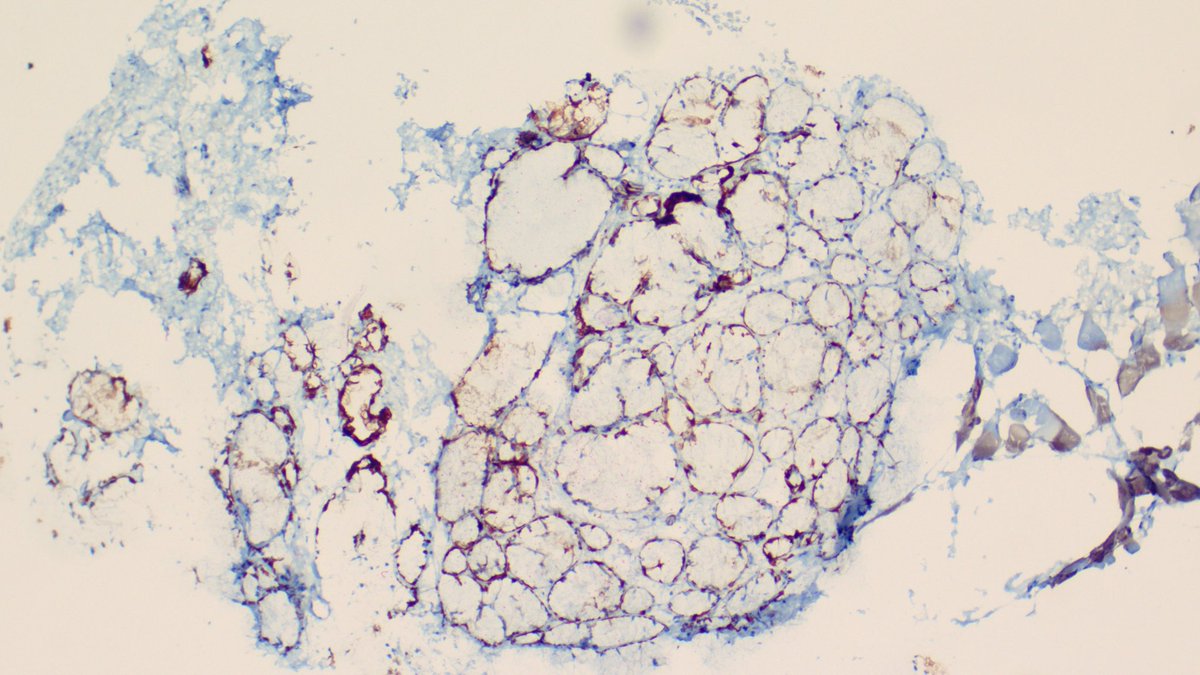
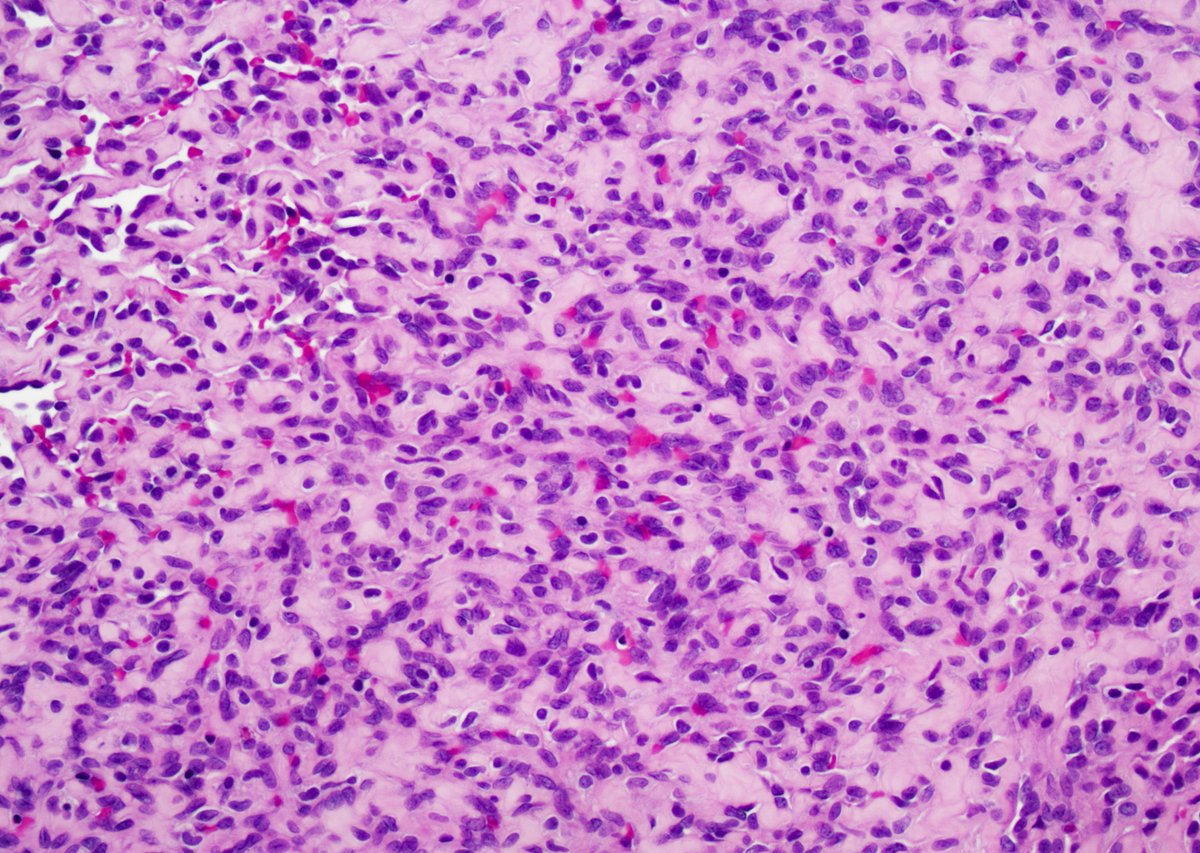
CC394. For the boards. A pancreatic tumor in a man in his fifties. If this is the morphology, which antibody are we most likely showing? Take the following test (below). Each wrong answer deducts 0.25 points.
👉 A 70-year-old male with liver cirrhosis undergoes upper GI endoscopy, which reveals a gastric polyp.
🔬 ANSWER: Portal Hypertension-Associated Gastric Polyp
The histological findings include:
• Foveolar hyperplasia with elongated and tortuous gastric glands.
• Prominent proliferation and ectasia of vascular channels within the lamina propria.
• Stromal oedema and vascular congestion.
• Fibromuscular proliferation.
The prominent vascular component, in association with foveolar hyperplasia, is an important histological clue.
💎 Pathological pearl:
- Portal hypertension-associated gastric polyps are an uncommon manifestation of portal hypertension and may mimic conventional gastric hyperplastic polyps.
- The distinction relies on recognising the prominent vascular changes and correlating with the clinical history.
💡An interesting example of how systemic vascular alterations can manifest as distinctive gastrointestinal histopathological changes!
#GIPathology #Histopathology #PortalHypertension #GastricPolyp #PathologyTeaching
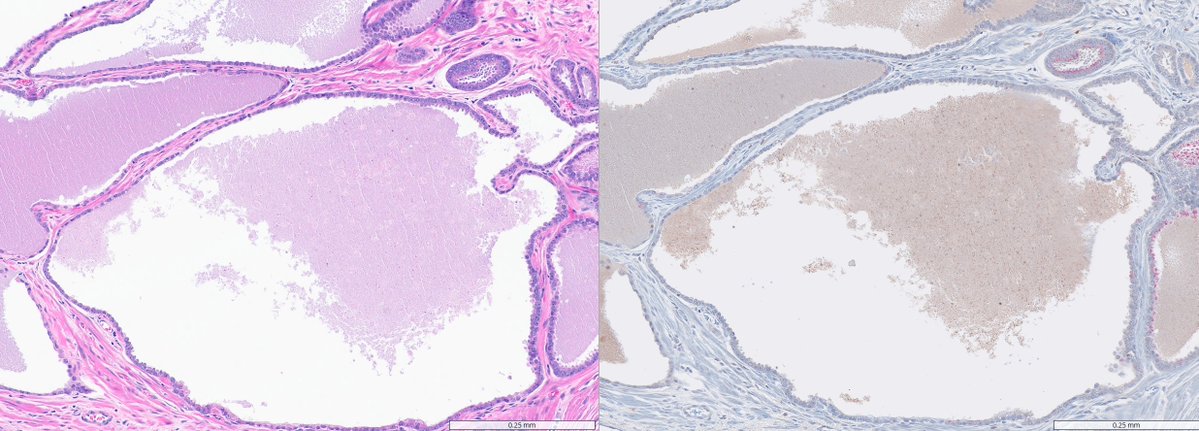
nice example of subtle "microcystic" pattern prostatic adenocarcinoma (still 3+3; incidental here at time of cystectomy for uro ca)
paired PIN4 #IHCpath shown
https://t.co/46I8w1kcoW
Clinicopathologic and Outcome Characteristics of Glomerulopathy With Striated Deposits: A Case Series @AJKDonline
MayoのNasrらによるstriated(縞状)の沈着物を伴う腎症の報告
18例のCase Seriesで AJKD…新しい疾患概念を作っていくのはいつもCase Seriesからですね
https://t.co/CA8pulZzCF
Dr. Kimberly Allison (2026 Diagnostic Pathology Update Q&A) on how her thinking about breast resection margins evolved:
I used to worry a lot about close margins and would sweat precise measurements + extra levels. The data shifted my thinking: margins may not matter as much as we once believed
Surgery is essentially a debulking procedure. Some microscopic satellite disease can be left behind; residual microscopic disease is commonly controlled by RT ± systemic therapy
Additional info here https://t.co/YNrMY3k0eL
#PathX #BreastPath #USCAP
🔬 Benign or Malignant❓ ~ Focus of glands in TURP specimen... Comment your choice below... and tomorrow, I will show the PIN-4 stain! #GUpath#Pathology#PathResidents
How long have we known about glomeruli? Today’s teaching point is offered in honor of Marcello Malpighi (1628-1694), the Italian anatomist who is credited with having published the world’s first accurate description of glomerular structure (Bologna, Italy 1666). We learn from those who teach us!
Bellomo G. A short history of 'glomerulus'. Clin Kidney J. 2013 Apr;6(2):250-1. PMID: 26019863
Fogazzi GB. The description of the renal glomeruli by Marcello Malpighi. Nephrol Dial Transplant. 1997 Oct;12(10):2191-2. PMID: 9351094.
Image Credit (for oil painting, Malpighi): Wellcome Collection (https://t.co/1JSHuMW5J5)
#TeachingPoints #kidneypath #renal #pathology