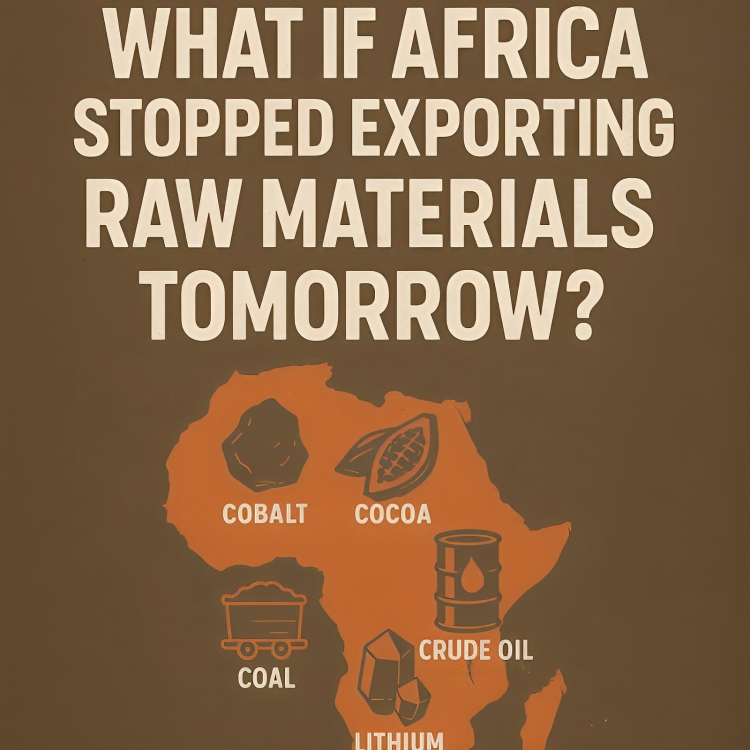
Africa’s richest man, Aliko Dangote, says China’s growing business dominance across the continent is no coincidence. He explained that Chinese companies succeed because they offer long-term financing, state-backed credit, and export insurance support that many Western firms have been unwilling or unable to match.
Dangote criticised the common Western practice of demanding huge upfront payments, stressing that Africa’s industrial transformation requires patient capital and genuine long-term partnerships. The Dangote Group plans to invest nearly $45 billion between 2026 and 2030 to expand its operations in manufacturing, infrastructure, energy, and industrial development across Africa.
He also noted that the United States is showing renewed interest in African infrastructure through agencies like the U.S. International Development Finance Corporation, signalling intensifying global competition for influence on the continent. Dangote’s clear message: Africa’s future belongs to partners willing to finance its industrial rise rather than just extract its raw materials.
Industry stakeholders have called for specialised financing systems to help Tanzania close the funding gap facing medium-sized mining projects and unlock further growth in the sector.
https://t.co/WO4CTcMv8V
DRC conflict: Macron and Ruto voice the truth Tshisekedi avoids
🔹The most uncomfortable truth about the war in eastern DRC is also the one President Félix Tshisekedi continues to avoid: there can be no lasting peace without direct political dialogue with the AFC/M23 rebels.
🔹French President Emmanuel Macron and Kenyan President William Ruto have both, in different ways, acknowledged this difficult reality. Congolese President Félix Tshisekedi, however, continues to rely on a military approach that has repeatedly failed. For years, the conflict in eastern DRC has been fuelled not only by armed rebellion, but also by local ethnic tensions, weak governance, failed integration efforts, unresolved refugee issues, land disputes, genocide ideology and hate speech, and the unfinished implementation of past agreements.
🔹Reducing such a complex crisis to blaming Rwanda alone may serve Kinshasa’s political narrative. But it does not resolve the conflict. Instead, it allows Tshisekedi to avoid confronting the deeper political grievances within the DRC itself.
🔹Macron’s remarks on the sidelines of the Africa Forward summit in Nairobi cut through that evasion. In a May interview with TV5 Monde, RFI, and France 24, he warned against the simplistic approach of isolating Rwanda and instead outlined a more realistic path forward: respect for DRC sovereignty, withdrawal of foreign forces, renewed political dialogue with AFC/M23, dismantling of the Kinshasa-backed genocidal FDLR militia, and a coordinated fight against terrorist groups threatening the wider region.
🔗Read more: https://t.co/3o67TWyj4W
Shabunda : Airtel et Vodacom abandonnent leurs antennes, la population livrée à elle-même
Depuis près d’un an, plusieurs villages du groupement de Bamuguba-Sud, dans le territoire de Shabunda, vivent sans signal des réseaux de télécommunications Airtel et Vodacom. Une situation qui plonge des milliers d’habitants dans un isolement quasi total et suscite une vive indignation au sein de la population locale.
Selon plusieurs sources concordantes, les responsables de ces réseaux auraient cessé d’approvisionner leurs antennes en carburant, indispensable au fonctionnement des installations dans cette partie enclavée du Sud-Kivu. À Isezya-Évari et Kigulube, le litre de carburant se négocie actuellement à 15 000 francs congolais, soit environ 300 000 francs congolais pour un bidon de 20 litres, un coût jugé excessif par les opérateurs.
@ReelActu ⤵️
https://t.co/7PfkGWJcko
Thank you to my sister President @SuluhuSamia for the warm welcome to Tanzania and for the productive discussions.
Rwanda and Tanzania are not only neighbors but brotherly countries bound by history and a shared goal of prosperity for our people. Rwanda remains committed to building on this strong foundation by deepening our bilateral cooperation across trade, investment, infrastructure, logistics, energy, and regional integration.
I look forward to continuing our collaboration to achieve tangible results for our citizens and advance the East African Community.
🇹🇿Tanzania is about to finalize one of the largest energy deals in African history.
Equinor, ExxonMobil, and Shell are meeting in Dar es Salaam this week for the final round of negotiations on a $42 billion LNG project.
The hard part is already done... Commercial terms agreed and Tax framework settled.
What's left is turning the handshake into legally binding contracts.
💡Tanzania sits on massive offshore natural gas reserves that have been waiting for development for over a decade.
This project would build the infrastructure to liquefy that gas and export it globally creating one of Africa's largest LNG export hubs.
Right now the world is desperately hunting for LNG supply outside the Gulf(Qatar mainly)
Tanzania is about to enter that market with $42 billion of committed infrastructure and 3 of the most credible operators on earth behind it.
Another node on the new energy map and one that bypasses Hormuz entirely.
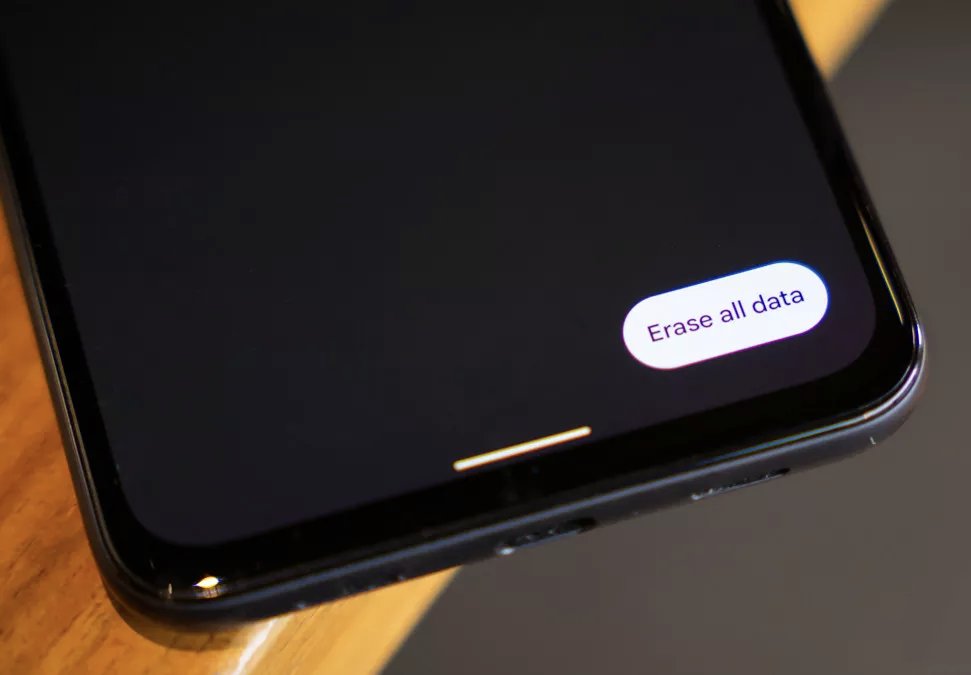
𝗛𝗼𝘄 𝘁𝗼 𝗙𝗼𝗿𝗲𝗻𝘀𝗶𝗰𝗮𝗹𝗹𝘆 𝗪𝗶𝗽𝗲 𝗬𝗼𝘂𝗿 𝗣𝗵𝗼𝗻𝗲 𝗯𝗲𝗳𝗼𝗿𝗲 𝗜𝘁 𝗯𝗲𝗰𝗼𝗺𝗲𝘀 𝘀𝗼𝗺𝗲𝗼𝗻𝗲’𝘀 𝗯𝗹𝘂𝗲𝗽𝗿𝗶𝗻𝘁.
Casually hitting Reset isn't enough. As shown in recent teardowns, deleted data often hides in plain sight. If you’re selling or gifting your device, you need a forensic wipe. You don't want to miss the last point if security is important to you.
𝗧𝗵𝗲 𝗖𝗿𝘆𝗽𝘁𝗼𝗴𝗿𝗮𝗽𝗵𝗶𝗰 𝗞𝗶𝗹𝗹-𝗦𝘄𝗶𝘁𝗰𝗵
Modern phones use File-Based Encryption (FBE). To make data unrecoverable, you must destroy the keys.
Android - Go to Settings > Security. Ensure "Encryption" says "Encrypted."
iPhone - If you have a passcode, it’s already encrypted.
𝗔𝗰𝗰𝗼𝘂𝗻𝘁 𝗗𝗲𝗰𝗼𝘂𝗽𝗹𝗶𝗻𝗴 (Don't just wipe, disconnect).
- Sign out of iCloud / Google Account.
- Deactivate "Find My" or "Factory Reset Protection".
If you don't, the hardware remains linked to your identity in the cloud, even if the storage is clean.
On a modern encrypted phone, the Erase All Content command triggers a cryptographic erasure. It doesn’t just hide files. It shatters the master encryption key. Without that key, your data is mathematically indistinguishable from random noise.
𝗧𝗵𝗲 𝗗𝗲𝗲𝗽 𝗕𝘂𝗿𝘆 - 𝗢𝗽𝘁𝗶𝗼𝗻𝗮𝗹 / 𝗛𝗶𝗴𝗵-𝗦𝗲𝗰𝘂𝗿𝗶𝘁𝘆
Do this if you're still paranoid after the first reset
- Set up the phone as "New" (no accounts)
- Record 4K video of a blank wall until the storage is full. This forces the controller to overwrite the physical NAND cells.
- Perform a second Factory Reset
Forensic tools often pull data from things you forgot were there.
- SD Cards. Remove them. Period.
- SIM Cards. These store contacts and SMS fragments. Take it out.
- ESIMs. Ensure you select Erase eSIMs during the reset prompt.
In another update, I'll list industry-standard tools that handle wiping efficiently.
The lithium mine Zijin Mining plans to open this year in the Democratic Republic of Congo is set to be one of the world’s biggest suppliers of the battery metal https://t.co/apMFlYQ9ta
African businessmen are often minor players at times of global crises. But Aliko Dangote is no ordinary businessman. We explain why he is well placed to be the continent’s leading industrialist https://t.co/Gc4IPAEt6f
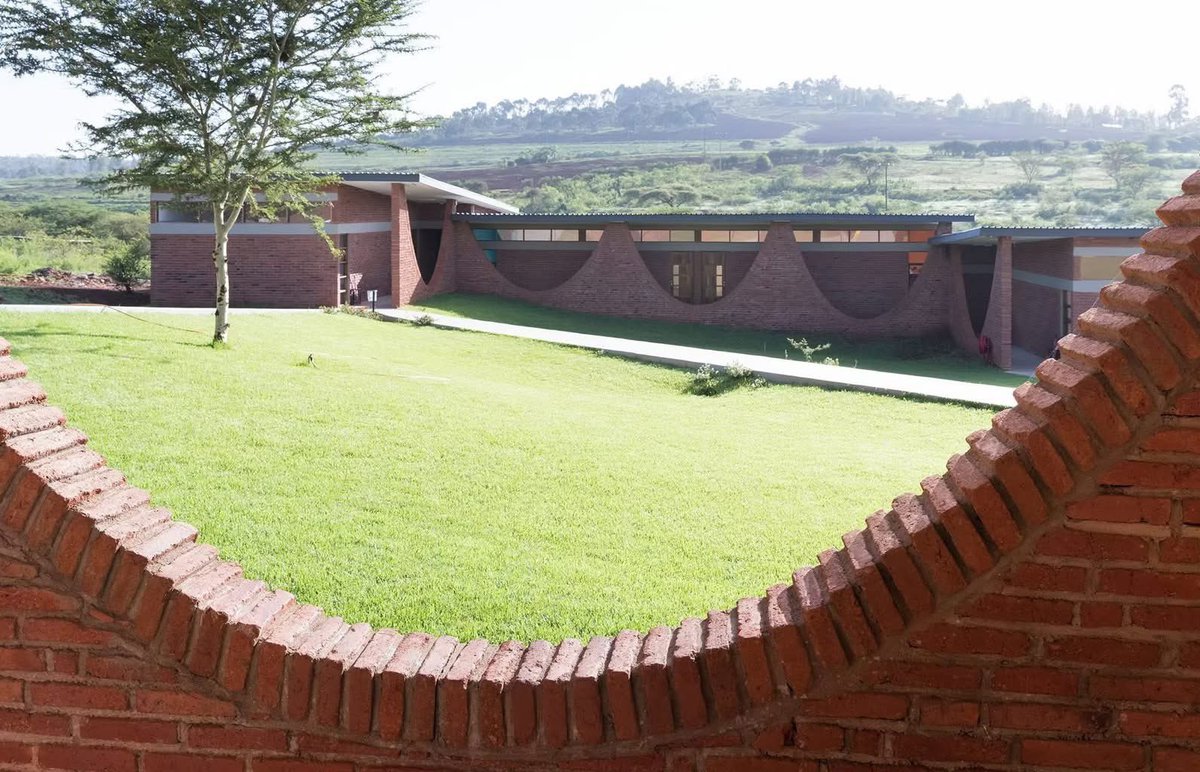
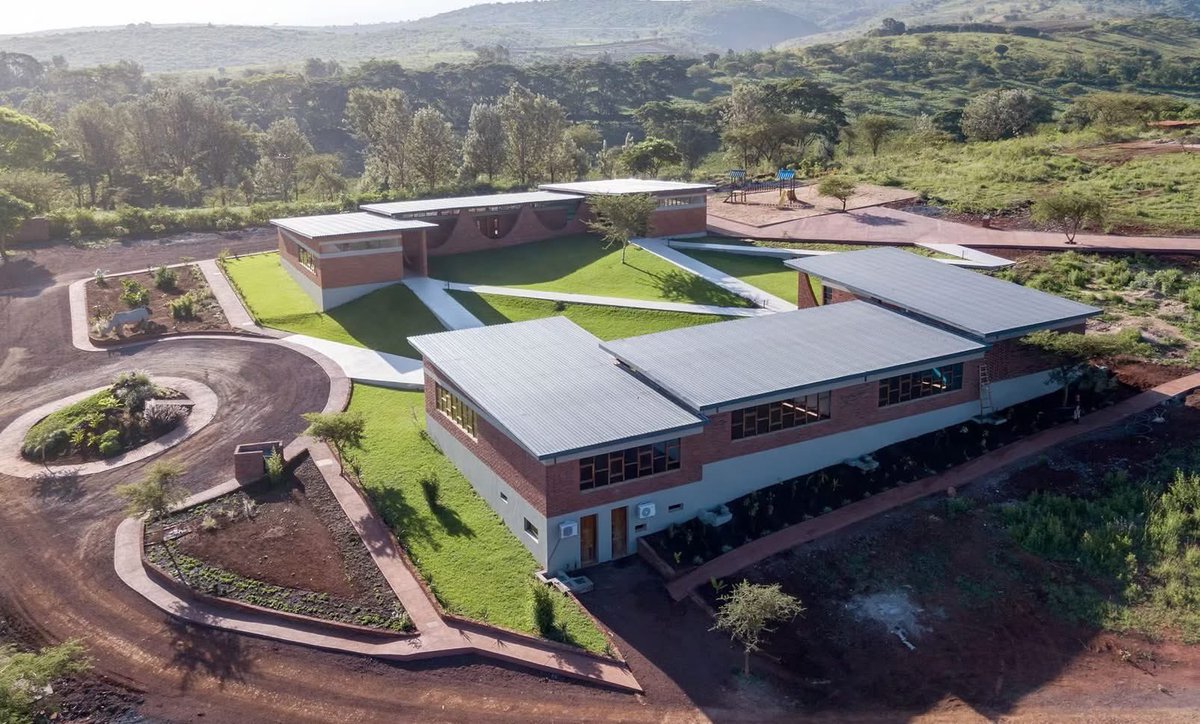
Black Rhino Academy, Karatu, Tanzania 🇹🇿; designed by Kunlé Adeyemi of NLÉ. The catenary arches built with local materials are proof that African architecture is sustainable by nature. We just have to trust the process and use.
Worth the read. Some great info on the realities of flying private.
Charter "starter" threshold:
$2M net income
$20M net worth
$8,000–$15,000 per flight hour
Fractional buy in:
$1.5M–$5M upfront
Ongoing monthly management fees
Ownership break-even:
~150–200 flight hours/year
True ULR ownership:
$40M–$75M+ aircraft
$10M+ annual operating costs
Long term Gonna Make It Middle Class Africa.
Put your money and efforts here:
🇰🇪🇺🇬🇷🇼🇹🇿🇿🇲🇲🇼🇿🇼🇧🇼🇦🇴🇳🇦
Also.. for first time African American visitor to Africa.. a much better place to visit than West Africa.
Why Tanzania’s Location Is Its Untapped Goldmine
By Zitto Kabwe (@zittokabwe )
Over the past two decades, as seen from my previous post here, Tanzania’s economy has followed a clear pattern. When electricity consumption increases, and freight moves smoothly through ports, railways, and roads, growth speeds up. But when power use slows and transport gets stuck, the economy weakens.
Twenty years of economic data have vividly shown that 70 per cent of Tanzanian economic growth is explained by power and freight. These trends point to something even bigger: Tanzania’s location is its biggest unused strength.
Tanzania has a unique spot in East, South and Central Africa. We border the Indian Ocean with deep ports and natural routes to landlocked neighbours like Zambia, the Democratic Republic of Congo (DRC), Rwanda, Burundi, Malawi, and Uganda. This makes us the natural entry point for trade in the Great Lakes area. Few other African countries offer this mix of peace, sea access, and inland links.
Right now, transit trade (goods passing through Tanzania) brings in up to US$3 billion a year in foreign exchange. A 2013 World Bank report, Opening the Gates, says this could grow to US$16 billion annually with the right steps and in sequence.
Read https://t.co/uvxDlmdrhq