Very excited to share our new paper, published in Cell!
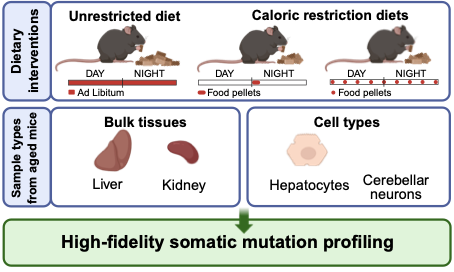
We found that caloric restriction (CR) in mice reduces somatic mutation burdens across the genome, and that this effect has some surprising features.
🧵👇
1/8
This recent paper used Medicare linkage and evaluated 22 conditions attributed to PFS among 14,239 PCPT participants (7,087 finasteride, 7,152 placebo) followed for up to 20 years and found no significant associations with finasteride use. To us, this seems like really good evidence counter to recent narratives about PFS and suggest it is totally safe. Thoughts? @Justindubinmd@JoshuaHalpernMD@smsna_org@EricKleinMD@SBasourakos@MaleHealthDoc@jeshoag #UroSoMe #SBUR
This week in our inaugural Journal Club, we are discussing a new paper that provides pretty compelling evidence that Post-Finasteride Syndrome (low libido, erectile dysfunction, depression, and cognitive complaints that persist after stopping finasteride) may be due to the “nocebo effect.”
This publication in @UrologyGold, by Ian Thompson’s group, builds on the landmark Prostate Cancer Prevention Trial (PCPT), in which ~18,000 men were randomized to finasteride vs. placebo. The trial found that finasteride decreased prostate cancer risk by ~25%, at the cost of detecting more high-grade cancers. https://t.co/C6NibOCumd Long-term mortality linkage confirmed no increased risk of PCa death with finasteride. https://t.co/4b2TI2I4Q2