For the past 3 years, I've been working on a reforestation project in the Philippines with indigenous tribes.
We're planting 3 million trees to restore their ecosystem. The Philippines is one of the most vulnerable countries to climate change and we've used art and storytelling to inspire people to volunteer, donate, and learn more about their culture, heritage, and history.
From 2017 - 2024, we planted a total of 88,000 trees and raised millions to support the tribes we work with 🌲
I'm hosting an event on how to use art for the climate movement at @SFClimateWeek with my dear friend Karan Rathod, founder of Alfaaz Collective and art curator for United Nations World Oceans Day with @OceanicGlobal!
We'll also be doing a workshop to help people find the stories they want to tell and cultivate their own inner artist.
RSVP in comments:
April 21, 2025 (Monday)
5:30 - 8:00 PM
1242 Market St floor 2, San Francisco
Thank you @sha_zng and The Nook for generously hosting us.
Founders, it’s ok to roll your eyes when a VC asks “what’s your technical moat?”
My take: technical moats no longer exist in software.
It used to be that you could launch a product with a technically capable team and enjoy a two to three-year advantage.
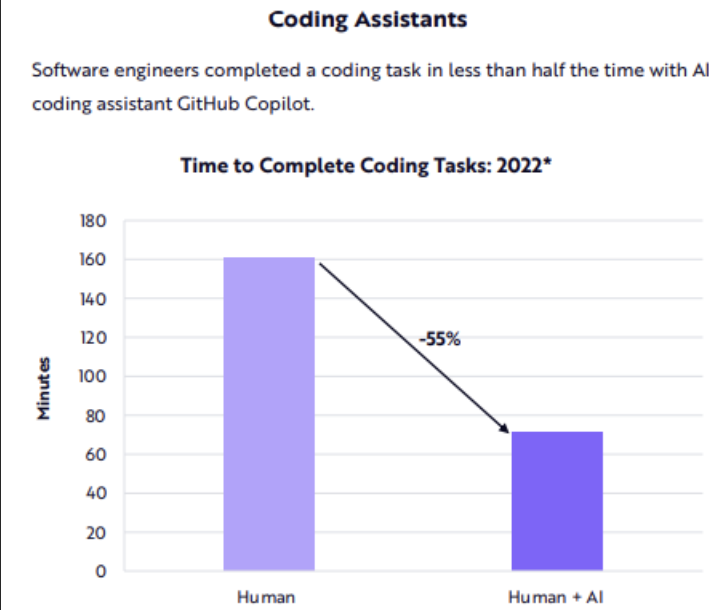
But now… there are better engineers than ever before, more platforms that can even the playing field, and AI that is helping everyone build quality software, fast. A differentiated product and 10x team matters, but your competitor might have these as well.
The moats that make a difference now:
- Your shipping velocity
- Your network effects
- Your GTM motion
- Your community
- Your brand
- Your story
- Your data
- Your ROI
- Your customer love
- Your positioning. How are you different?
What other moats have you seen in this era of more technical parity?
Here's what I've been working on for the last few months!
Introducing BaseStation: Turn PDFs into Interactive Guides
BaseStation is the easiest and fastest way to transform PDFs into interactive guides. Simply upload a PDF, and we'll automatically recognize and create all the inputs. Drag and drop to organize them into steps, then easily record guidance for questions that need detailed explanations. This saves you hours of tagging inputs and exchanging instructions with your clients.
The Story Behind BaseStation
While working at Compass and Side, I noticed there’s still a reliance on sending PDFs back and forth with ambiguous email instructions. This often required agents to schedule calls or in-person meetings, wasting time for both clients and agents.
Clients find this inconvenient, with schedules disrupted during lunch breaks or outside work hours. Agents are limited in the number of customers they can serve.
When I asked agents about vertical-specific portals, about half mentioned trying and then abandoning them. Here's why:
1. Clients hire agents for personalized service. Self-help portals can make clients question the agent's value.
2. Portals can't cover every question, often confusing clients rather than speeding up the process.
3. Portals enforce a single "best" process that may not align with an agent's preferred method, and they often fail to address unique regional or situational needs.
That's why we built BaseStation. Turn any PDF into a web form, creating your own process with tailored instructions for each client in just minutes.
Who is BaseStation For?
BaseStation is designed for professionals in paperwork heavy industries like finance, real estate, and insurance whose core differentiator is their expertise and level of service. We’ve already onboarded a few brokerages, empowering their agents to create highly personalized intake experiences, boosting trust and conversion rates. If this resonates, We would love to show you BaseStation. Sign up for our waitlist, and we will personally onboard you and build your first template.
Want to try it?
Sign up now; we'll personally help you set up your first BaseStation template.
What's Next
Forms are just the beginning. After data collection, agents often generate PDFs for completed forms, quote comparisons, or service agreements. Our customers highlighted this as another trust-building opportunity. We're building a new feature that lets you record directly over PDFs, turning them into interactive guides. Imagine a client confused by a line item on a quote - they hover, and your explanation pops up!
Ask:
Share this with your network or join our waitlist; we'll personally help you set up your first BaseStation template.
Feels liberating to see @neuranne coin the term 'the curiosity conflict' to describe the phenomenon where our greatest asset for creativity, i.e. curiosity, gets in the way of our productivity.
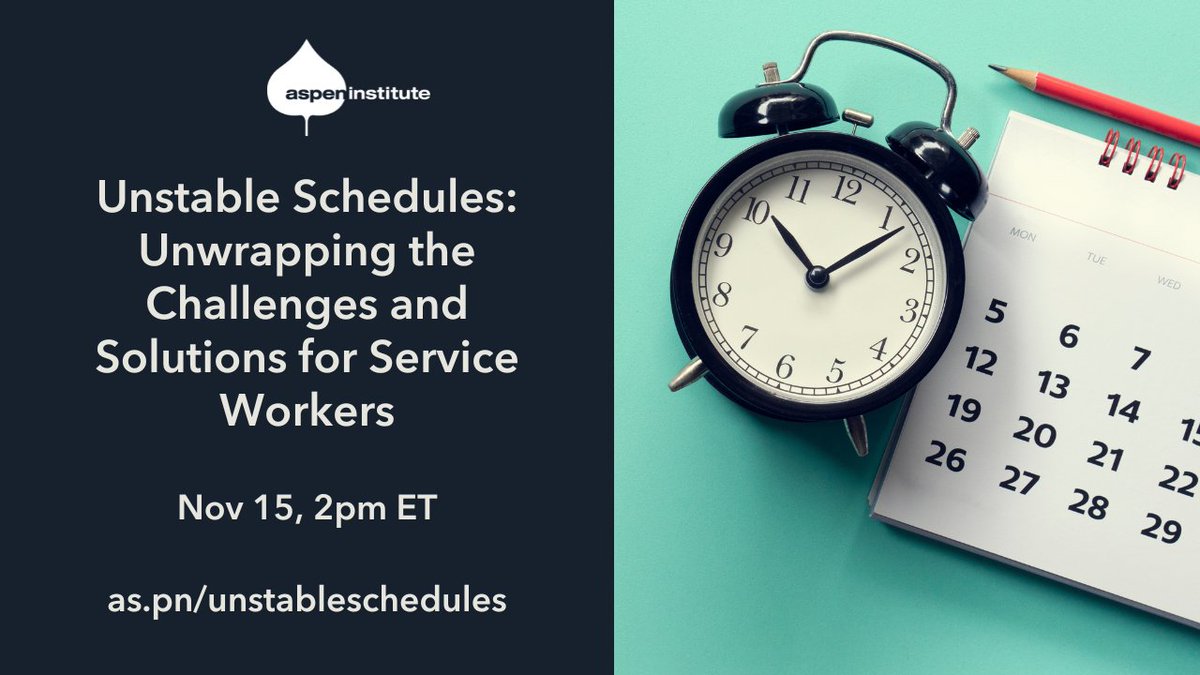
Unstable schedules — which affect service workers in particular — are linked to adverse effects on economic security, food, health, and housing. Join @AspenJobQuality on Zoom on Nov 15 to learn more: https://t.co/L0xURO8Qbp #TalkOpportunity
Sustainable clothing brand Patagonia manufactures in the same factories as fast-fashion; textile workers are being exploited https://t.co/guuLxO2Ogm via @FTM_eu
Why do McKinsey or Google prize "high-IQ generalists," while startups prize "lone geniuses?"
I tried to explain how different definitions of talent influence corporate cultures: https://t.co/OtMEkS434n
We're hosting a couple of in-person demo days for #techweek with @a16z
SF: Generative AI demo day, June 1st
LA: Gaming & Entertainment, June 7th
🔈 Call for startups, applications open now. Judges @andrewchen@m2jr@TimDraper & more
Tag a founder you like, links below 👇
Two journalists today told me they were surprised by how competitive @thejuggernaut’s salaries are. No we do not underpay like Condé Nast does. We pay competitive wages ! I wanted to build a company I — an immigrant without rich parents — would want to and could work at.
A BIT OF FINANCE
In the 80s and 90s, on average, one bank failed (and closed) every other day.
Since 2000, we have had an average of 1 bank failing & closing every week.
So ignore those technologists who know nothing of financial history.
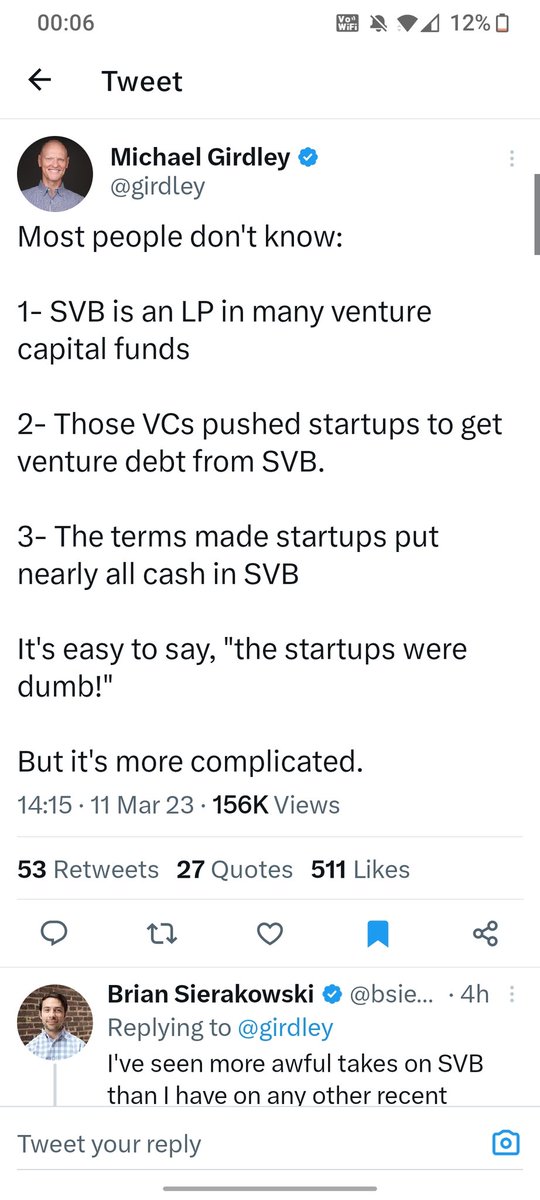
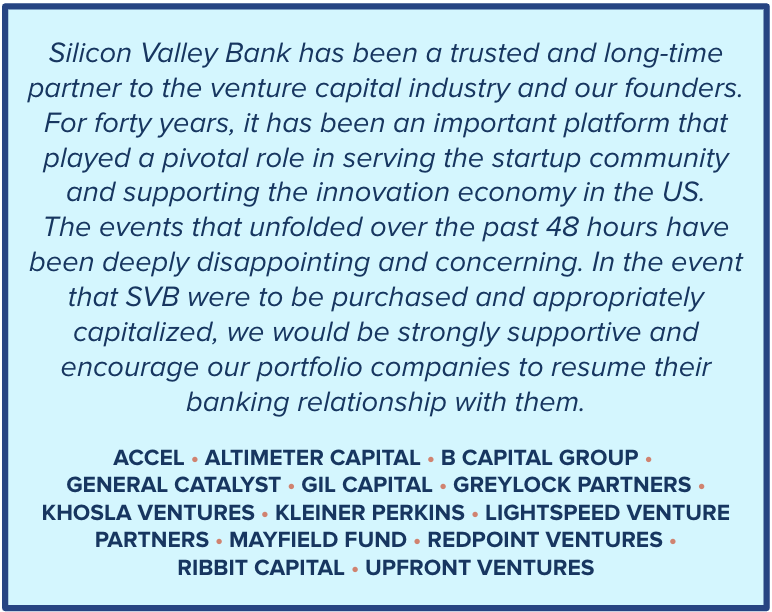
@DelJohnsonVC@Noahpinion@Noahpinion You should also look at not just systemic importance but systemic instability. As it became blindingly clear that SVB was a single point of failure for the industry, VCs responded by re-committing to this risk en masse. Hundreds pledged unhedged support w/in hours.
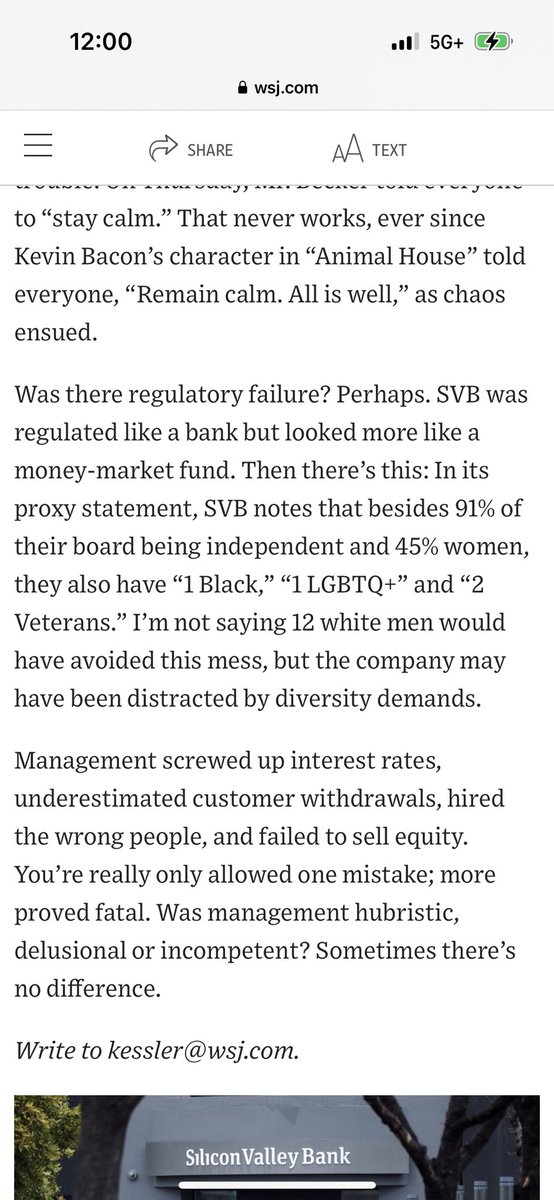
For @wsj to say flat out that SVB could have failed because they added non-white men to their board shows how far behind the times (and certifiably stupid) this publication really is. It makes me so angry and very sad. WSJ readers and staff deserve better.