Growing up in a Somali Youth League household, Somalia’s first political party and driver of independence. I heard powerful stories of Aden Abdulle Osman. He stood for unity, rejected clanism, upheld dignity, led with SYL ideals, was democratically elected, and made history with the first peaceful power handover in Africa which is timeless lesson for all. May Allah have mercy on him.
#SomaliaIndependenceDay
H.E. @M_Farmaajo
"Xiriirka ay @TheVillaSomalia la samayso dalal shisheeye waa diblumaasiyad.
Xiriirka ay gobollo, qabaa'il, jabhado, ururro diimeed iwm la sameeyaan dal aan Soomaaliya ahayni waa gogol-dhaaf, jaasuusnimo, daba-dhilifnimo, qaran-dumis, iwm."
— Aniga, 20 sano ka hor.
What I found fascinating about the position of people between Somaliland and Puntland, when I sought to analyse it some 20 years ago, was that ppl in Sool, Sanaag and Buuhoodle seemingly refused a rational "cost-benefit-calculation". It would have certainly been easier for Dhulbahante and Warsangeli to choose one side (Hargeysa or Garowe, back then) and negotiate the best price for firm allegiance (in form of power-sharing and economic development). Some individuals engaged in such "rational games". But overall, most ordinary Dhulbahante and Warsangeli actively chose to remain "in-between", knowing that this will cause structual hardship in the form of lack of development and chronic conflict. Thus, the idea to achieve Somali unity by "keeping the door open" between Somalia as represented by Puntland on the one side and the secessionists of Somaliland on the other side motivated ppl between Buuhoodle and Badhan to endure hardship without direct economic or political benefits. That this idea would materialise, as it did when PM Hamse visited Lasanod in early 2025, was not foreseeable in say 2004, when I travelled through Dhulbahante and Warsangeli lands and noticed people's dedication to hold on to Somalia. In my view, this shows that sacrifice for a higher ideal is an option even in the absence of direct benefit. Dedication can trump over narrow (egoistic) cost-benefit calculations. This could also be an inspiration for the long-term reconstruction of Somalia as a whole.
Fact-Checked & Clear
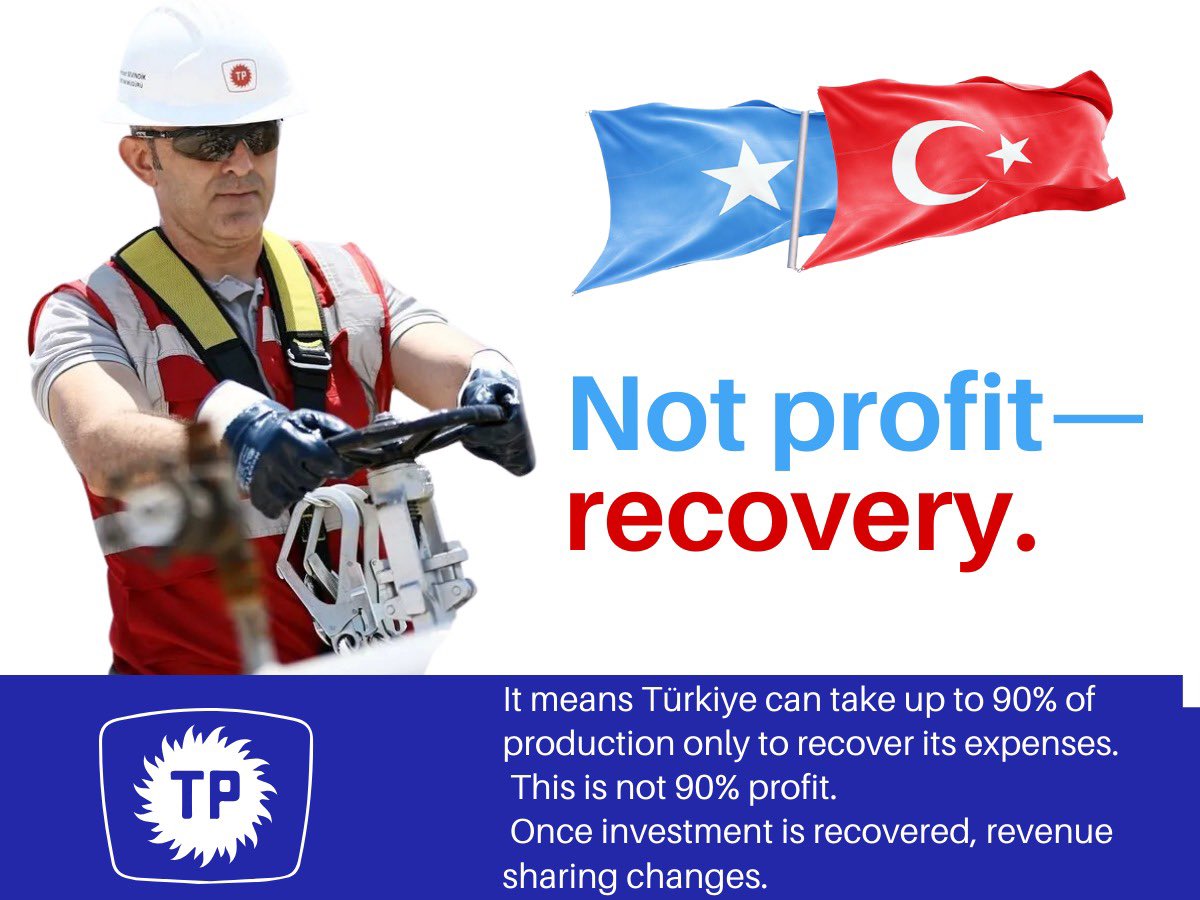
The 90% share is for recovering Türkiye’s investment not for profit. Once costs are covered, the revenue share shifts.
This is not a permanent claim, but a temporary balance to ensure capital return.
The deployment of local militias has been a valuable auxiliary to the national army in the ongoing battle against Al-Shabaab. They offer valuable local intelligence, territorial knowledge, and neighborhood networks that collect intelligence and make counterinsurgency operations more effective, such as ambushes, hit-and-run attacks, and sabotage. However, clan militia must be formally registered, trained, adequately equipped, and efficiently organized as guerrilla teams, not as a regular fighting force. In the current security threat, Somali political elites must refrain from politicizing and commercializing security matters. Somalia needs a unified national front that prioritizes collective security, fosters genuine political dialogue, builds trust across federal and regional actors, and commits to inclusive governance.
Moreover, ideological warfare must be integrated into the broader strategy to defeat Al-Shabaab. A parallel battle must be waged to contest Al-Shabaab’s narratives, expose the fallacy of its interpretation of Islam, and counter its propaganda with messages rooted in authentic Islamic teachings. Additionally, Islamic values must be visibly reflected in both the conduct of the Somali government and the operations of the national armed forces. By aligning state conduct with authentic Islamic values, the government can build greater public trust, delegitimize extremist claims, and foster a sense of unity and shared moral purpose in the broader struggle for peace and national restoration.
The Somali people must come together: traditional leaders, civil society organizations, political figures, the business community, and government institutions, to form a united front against the extremist threats posed by groups like Al-Shabaab and Daesh. This task falls primarily on the shoulders of the national and regional leaders, opposition members, and supporters of the current government, both at the federal and local levels. Leaders must recognize their responsibility to unite the nation in this fight, setting an example of collectivity that transcends political divides. We must support our gallant soldiers who fight and sacrifice their lives to protect our nation. Moreover, strong and sustained support from friendly nations is crucial for enhancing Somalia’s national security infrastructure and defeating these extremist non-state actors.
Its a question I asked myself 4yrs ago and concluded they were all suffering from what I termed the “Ka Dagso” Syndrome (roughly translation “yank the chair”)Unfortunately only thing that has been consistent in our politics since is that syndrome. Ask any opposition what they’re political policy is and you’ll only get criticism of current sitting chief 🤷🏽♀️
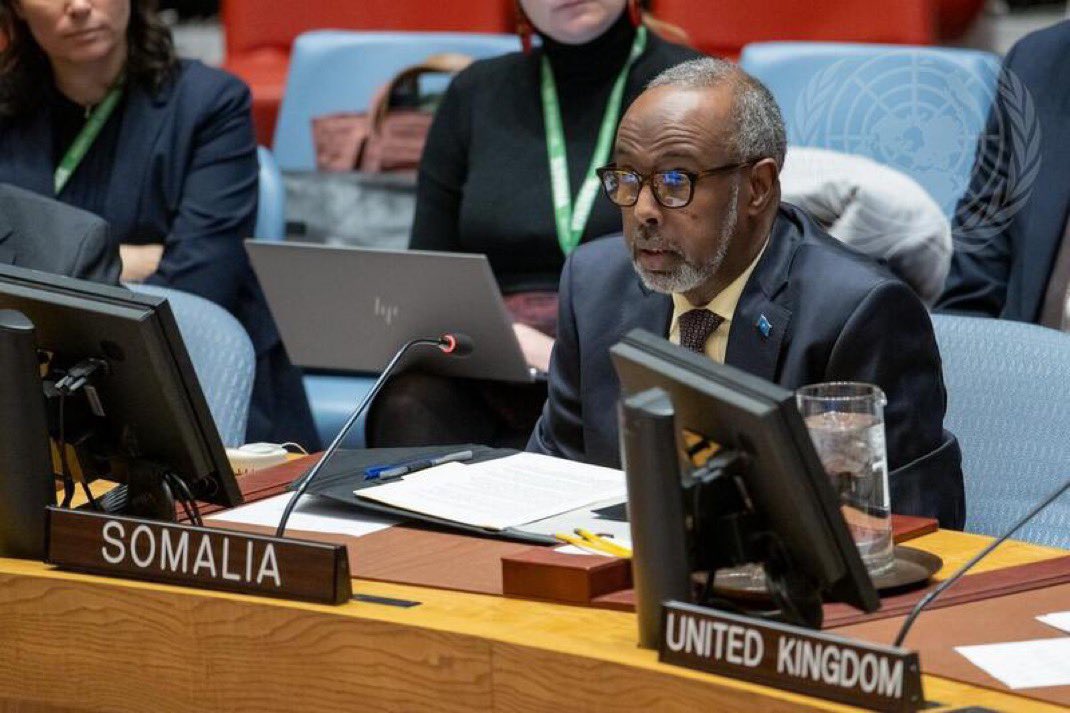
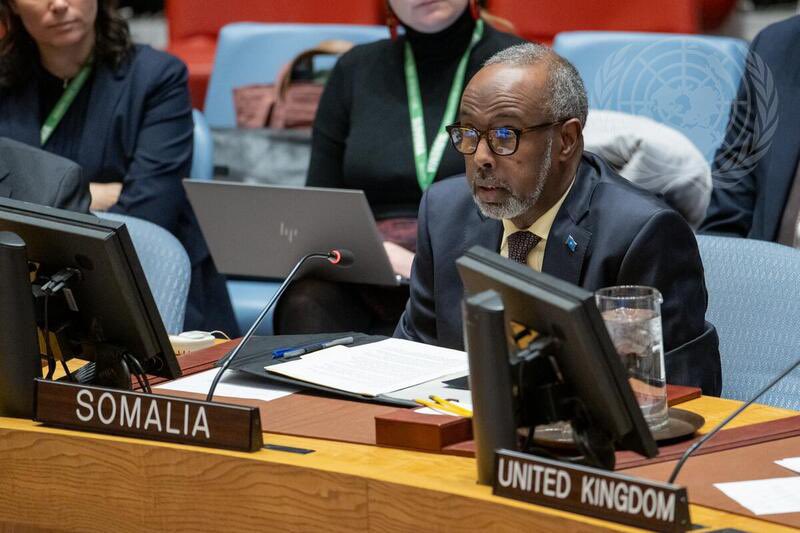
In its first task as a new non-permanent member of the #UN Security Council, #Somalia called for an immediate and unconditional ceasefire and reaffirmed its support for a free, sovereign #Palestine with Jerusalem as its capital. Somalia’s Permanent Representative to the UN @AbukarOsman1 said that with 94% of health facilities damaged or destroyed in #Gaza and a severe humanitarian blockade ongoing, civilian protection remains non-negotiable.
With 94% of health facilities damaged/destroyed in Gaza & severe humanitarian blockade ongoing, civilian protection remains non-negotiable. Calling for an immediate and unconditional ceasefire & reaffirm support for a free, sovereign Palestine with Jerusalem as its capital. #Gaza
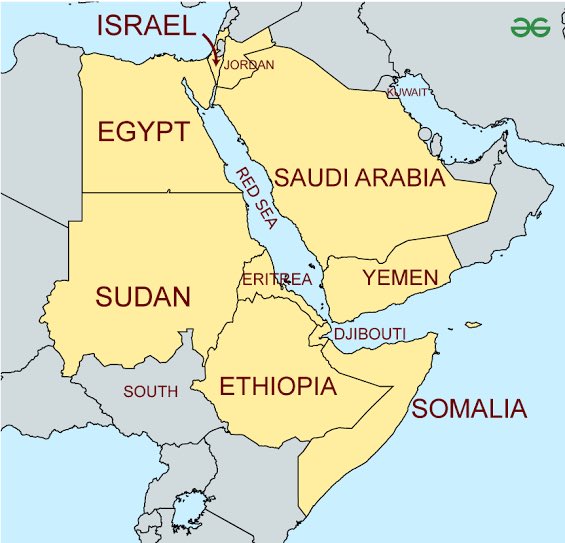
5 reasons Why Ethiopia’s Abiy attempt to reach the Red Sea isn’t a walk in the park.
1- Egypt will strongly reject, simply because Ethiopia presence in the Red Sea will touch Cairo national security
2- Eritrea too will not allow as it see Ethiopia as a threat to it’s sovereignty and national security and any attempt to have Ethiopia boots on the Red Sea water will boost it’s distress
3- Djibouti GDP and domestic revenue significantly relays on EThiopia usage of its port infrastructure as it has heavily invested on that and any Addis aim to get red sea will not be welcomed and that will be national security threat.
4- UAE whom we understand support Abiy economically will also reject his dream unless they are part of that destructive agenda, since it has invested on Berbera purely for Ethiopia market and any attempt to derail their outlay will not work
5- Houthis will confront Ethiopia as it could sense Israel presence in the event Abiy manage to acquire sea. It will also encourage Houthis to support and provide missiles to the arm groups like Al-Shabab, ISIS, and any other nationalist movements to fight off Addis’s attempt to access the Red Sea.
The entire region will be on flames and that ambition of PM Ali Baba will be nothing short of hot air.
Ankara declaration sponsored by Turkish President, Recep Tayyib Erdogan participated by Somali President Dr. Hassan Sheik of Somalia and Ethiopian PM Dr.Abiy Ahmed was just an expression of basic principles of the international laws and conventions and ice breaking between the two leaders. Any other interpretation is just speculative. We have to wait for the upcoming discussion in the coming months. Both Somalia and Ethiopian can not afford to revert to old policies of mutual subversion. respecting each other soveriegnity and cooperation is the only way for peace and brotherhood.
Contrary to the verbose obfuscations and melodrama in the piece below, the Ankara Declaration, signed by the Ethiopian PM himself, included several key components — all of which demonstrate that Ethiopia backed off, and as a good neighbor, Somalia offered Ethiopia a face-saving way out.
Notwithstanding the institute’s feel-good edition, here is what has actually been agreed:
[And if Ethiopia has buyer’s remorse, they are welcome to back out. Article 51 of the UN Charter will help Somalia deal with any aggression.]
1.Ethiopia/Abiy committed to respecting Somalia’s unity, territorial integrity, and sovereignty.
(This killed the MoU, the dismemberment, and the annexation pipe dream.)
2.Premier Abiy also pledged that, in dealings with Somalia, Ethiopia would adhere to the UN Charter, the African Union’s Constitutive Act, and international law.
(The text clearly states that access to the sea is purely COMMERCIAL and under Somalia’s sovereignty. Here, the dream of seizing and owning a port and sea is dead, and the operationalization of UNCLOS is in.)
3.For its part, Somalia agreed to forgo past grievances and start relations with Ethiopia afresh.
(This allows both countries to act like adults and collaborate in “mutually beneficial” economic and commercial arrangements, to quote the declaration.)
4.Somalia accepted, in principle, to establish maritime commercial relations with Ethiopia, with Turkey acting as guarantor, and negotiations on modalities deferred to 2025.
5.Somalia may have also agreed — though I’m not certain yet and do not support it — to allow Ethiopian soldiers to serve in the new AU/UN peace support mission (AUSSOM).
If it makes our friends at @ifaffairs_ happy, sure, they can tell themselves Ethiopia won a brand-new sea!
https://t.co/QMFoas7X1N
@PMEthiopia Mr Prime Minister 🇪🇹 & 🇸🇴 had a hostile history in their pas t now we have the opportunity to reshape the history and create better future for our people. The choice is yours if we should reorganize our Jihad and you organize your crusade. We are ready what ever choice u prefer.
Türkiye-Somalia relations, spanning over three decades, take center stage with a recent long-term plan for Somalia's military upgrade.
Exclusive access to the Turkish military base in Mogadishu unveils this strategic collaboration







![AnalystSomalia's tweet photo. Contrary to the verbose obfuscations and melodrama in the piece below, the Ankara Declaration, signed by the Ethiopian PM himself, included several key components — all of which demonstrate that Ethiopia backed off, and as a good neighbor, Somalia offered Ethiopia a face-saving way out.
Notwithstanding the institute’s feel-good edition, here is what has actually been agreed:
[And if Ethiopia has buyer’s remorse, they are welcome to back out. Article 51 of the UN Charter will help Somalia deal with any aggression.]
1.Ethiopia/Abiy committed to respecting Somalia’s unity, territorial integrity, and sovereignty.
(This killed the MoU, the dismemberment, and the annexation pipe dream.)
2.Premier Abiy also pledged that, in dealings with Somalia, Ethiopia would adhere to the UN Charter, the African Union’s Constitutive Act, and international law.
(The text clearly states that access to the sea is purely COMMERCIAL and under Somalia’s sovereignty. Here, the dream of seizing and owning a port and sea is dead, and the operationalization of UNCLOS is in.)
3.For its part, Somalia agreed to forgo past grievances and start relations with Ethiopia afresh.
(This allows both countries to act like adults and collaborate in “mutually beneficial” economic and commercial arrangements, to quote the declaration.)
4.Somalia accepted, in principle, to establish maritime commercial relations with Ethiopia, with Turkey acting as guarantor, and negotiations on modalities deferred to 2025.
5.Somalia may have also agreed — though I’m not certain yet and do not support it — to allow Ethiopian soldiers to serve in the new AU/UN peace support mission (AUSSOM).
If it makes our friends at @ifaffairs_ happy, sure, they can tell themselves Ethiopia won a brand-new sea!
https://t.co/QMFoas7X1N](https://pbs.twimg.com/media/GfQteinXwAAaw65.jpg)


