🎙️ The Healthy Workplace Podcast 🎙️
🗣️ @Simon_L_McCabe talks to @twowheelmusing
about workplace wellbeing and how research can help
"What's the difference between PhD & DBA?"
WATCH👉https://t.co/BaanKMDdz8
LISTEN👉https://t.co/UVsoQMi4v4
#CorpuCast@AstonBusiness@AstonSSH
Thank you to all of our speakers and attendees at today's healthy work and workplaces workshop. A great day! Fantastic coverage of absolutely fascinating and important work. @karenmaher76 @DrRachelShaw
I'm currently hiring a Postdoc in Energy, Behavioural and Experimental Economics (22 months), deadline 6 April. Please spread the word: https://t.co/dA2fCxslSa
@EconomicsUCD@EconPsyPol@EcScienceAssoc @NexSysEnergy
Interesting recent piece of qualitative work examining why retirees in UK made decision to leave work but also reasons to potentially come back e.g., autonomy; supportive work colleagues; a sense of being appreciated; and perceived job flexibility.
https://t.co/zdjgf6sMi6
Congratulations to Dr Crawshaw (@JonathanCrawsh3), Dr Busch (a recent WON PhD graduate), along with Prof Guillaume (Liverpool University) & Dr Legood (Exeter University) on their new paper ‘Ethics-related mentoring’ https://t.co/QaBFbj0Ntu
Our study on self-relevant research (aka "Me-search") is now in-press at Clinical Psychological Science! @PsychScience
We found over 50% of clinical psychologists have done research on topics that are personally relevant
Heres a🧵on why this matters 1/10
https://t.co/ZgW6xFNYss
Hey friends, I've helped to found a society for the science of existential psychology and I'm serving as its first President. Super excited to launch our website for it! Check it out; hope you enjoy it and find it useful :)
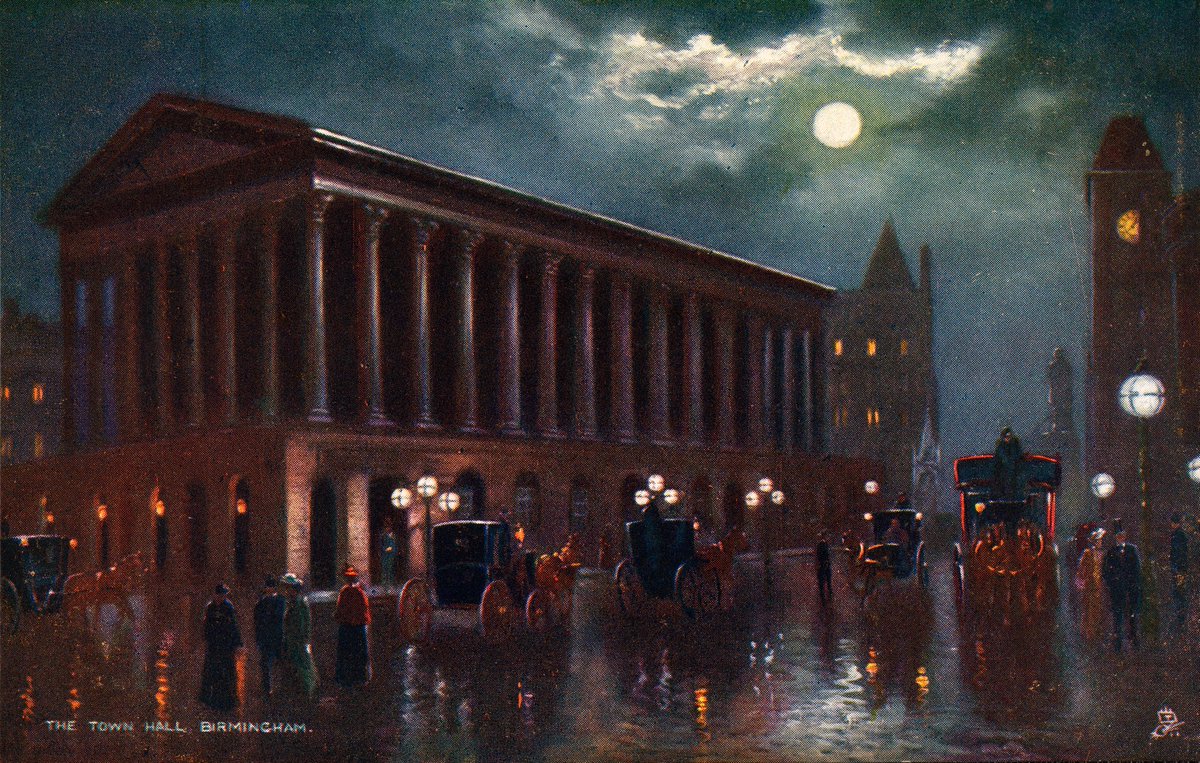
I know we're all fed up of the rain but in this image the wet streets of Birmingham look positively romantic, especially lit by both moonlight and gaslights! 😍
A follow up study building from our mortality salience and size biases BJSP paper (2018) did not produce the effect we hypothesised. All materials, data, etc here if people want to see what we tried: https://t.co/DlSPQMPLDc
The Stroop Effect was used to identify Russian spies during the Cold War. Covert agents could claim not to speak Russian, but would take longer to correctly identify the colour of a word when presented with Russian text.