1/ Another one. 🫧
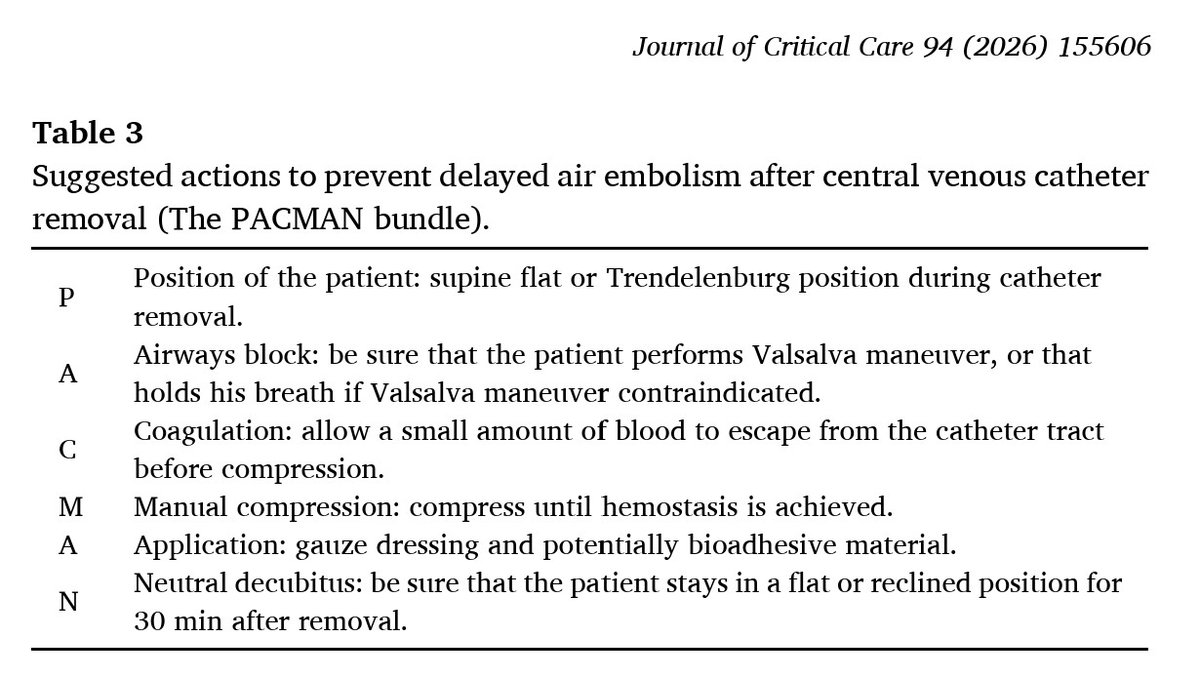
Delayed cerebral air embolism after removal of a double-lumen catheter. Head-down, breath-hold, 15 min of pressure, 2 h of bed rest. The patient sits up, coughs, and the air goes in.
https://t.co/tjyPlHmBoi
“Well-conducted neutral trials prevent patients from receiving ineffective interventions, while negative trials identify harm, reduce unnecessary treatment, and show when therapies can safely be delayed, shortened, or reserved for selected patients.”
@a_serpaneto
🚨 Absence of Evidence or Evidence of Absence?
Surprisingly, even in 2026, it remains unclear whether reducing #AKI through perioperative interventions improves long-term outcomes.
https://t.co/pPQyYItEHO
@PontilloD_@giovannilandoni@SRAnesthesiaICU@BJAJournals
absence of evidence or evidence of absence? @BJAJournals
it is surprisingly but in 2026 there is still no demonstration whether reducing #AKI through a perioperative RCT is associated with long-term beneficial effects on the kidneys
https://t.co/A9d7ppKJxj
Believe it or not…
Air embolism can occur hours after CVC removal.
A systematic review of 28 cases shows that this rare event is real, delayed, and potentially fatal.
Read and share
https://t.co/8q0X1p9uiZ
🩺Successful CVC removal does not always mean the risk is over!
🧠Our review identified 28 delayed air embolism occurring hours after catheter removal, with neurologic consequences and high mortality
Paper out now in Journal of Critical Care
🔗https://t.co/kz4wMrsot6
#FOAMcc
The catheter is out.
The danger may not be over.
Delayed air embolism after CVC removal can occur minutes to hours later, with neurological symptoms in most reported cases.
A complication we must stop overlooking
https://t.co/8q0X1p9uiZ
This article on #AMINOACIDS for prevention of #AKI is more important than our @NEJM
Hundreds of centers which are implementing perioperative AA based on the #PROTECTIONtrial and European guidelines should limit the duraton of infusion of AA to<=48 h https://t.co/q7DLwUnxzX
The #PROGRESStrial protocol is out: an ongoing multicenter RCT testing whether a prehabilitation program can reduce major postoperative complications and facilitate recovery in patients undergoing major oncological gastrointestinal surgery. ����️♂️
🔗 https://t.co/aPosz3MU4h
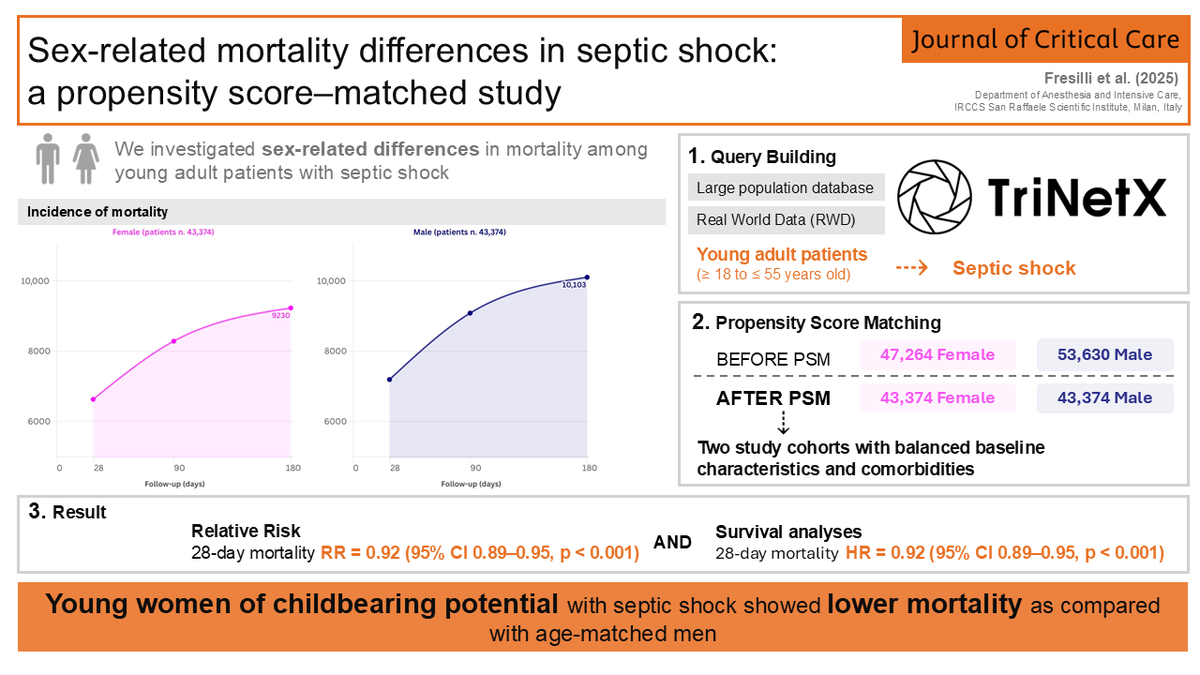
🚨 New publication alert using TriNetX real-world data
👥 >100,000 young adults with septic shock
⚖️ Propensity-matched cohort
♀️ Women aged 18–55 had lower 28-day mortality than men: RR 0.92 (95% CI 0.89–0.95)
⏳ After age 55, this difference disappeared
🔗https://t.co/4slAOSi6lw
@JCriticalCare@giovannilandoni@alebelletti1@SFresilli@RosaLabanca5@mariottichia_
#TriNetX #RealWorldData #SepticShock #CriticalCare
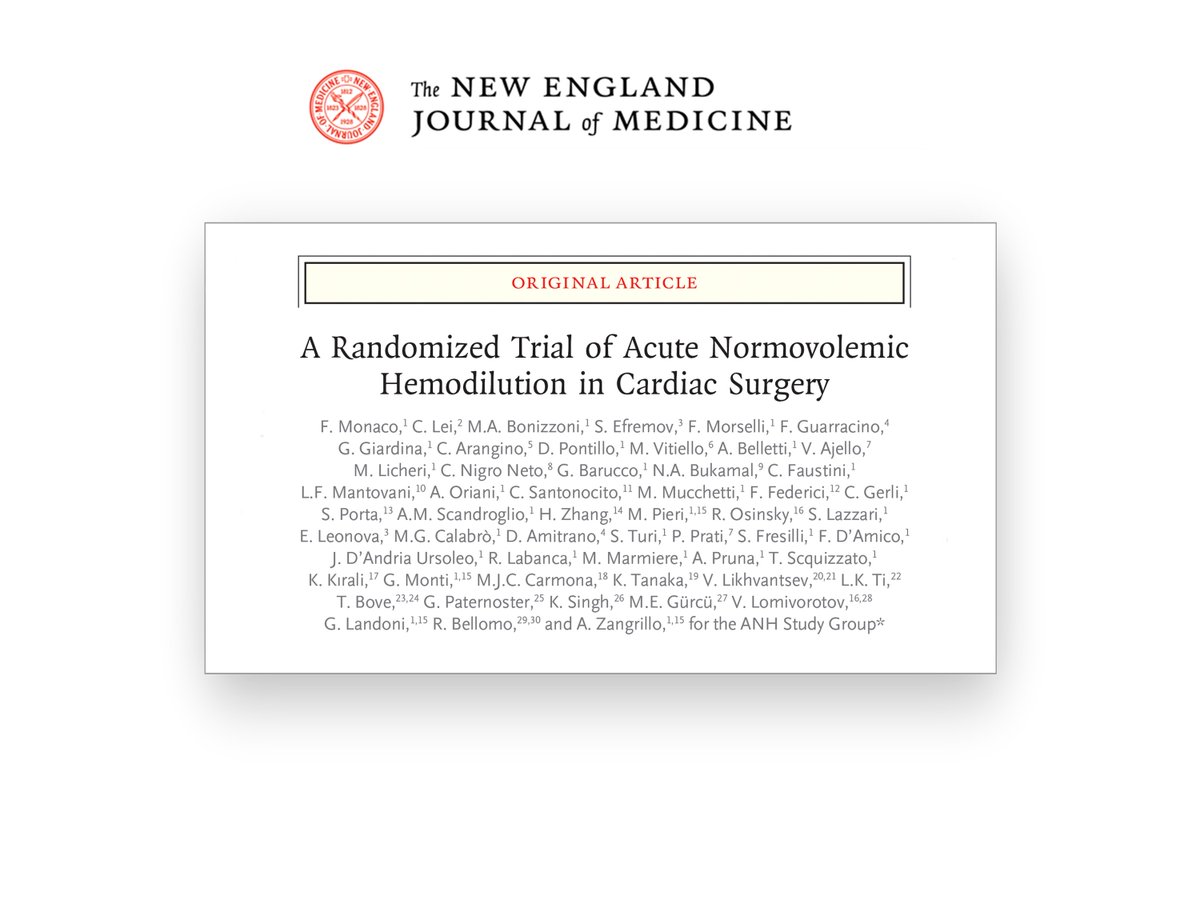
🚨 Our fantastic #RCT just published in @NEJM! 🚨
🩸 Can Acute Normovolemic Hemodilution (ANH) reduce RBC #transfusion in cardiac surgery? 🫀
❓ What were the results?
Click to find out 👉 https://t.co/ec3rIbO9yk
#CardiacSurgery#NEJM#PerioperativeCare
In our meta-analysis including 34 trials and >5000 patients, ANH did not reduce the proportion of cardiac surgery patients who received allogeneic pRBC transfusions during the postoperative hospital stay 🩸
📎 @BJAJournals https://t.co/Pd7oiKMIfU
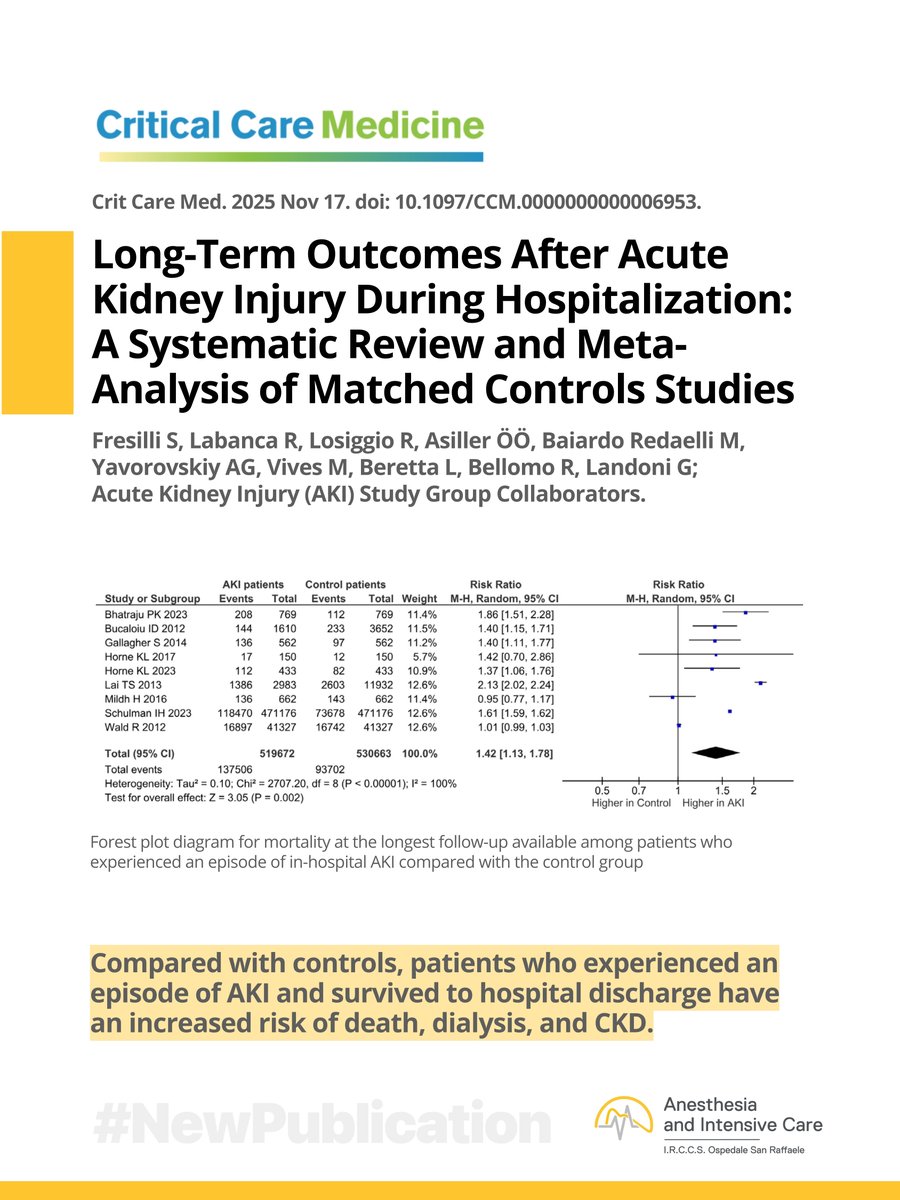
In our meta-analysis including 14 matched-control studies, AKI was associated with significantly worse long-term outcomes, including higher mortality and increased risk of chronic kidney disease, compared with patients without AKI.
🔗 @CritCareMed https://t.co/rgn5stGvmY
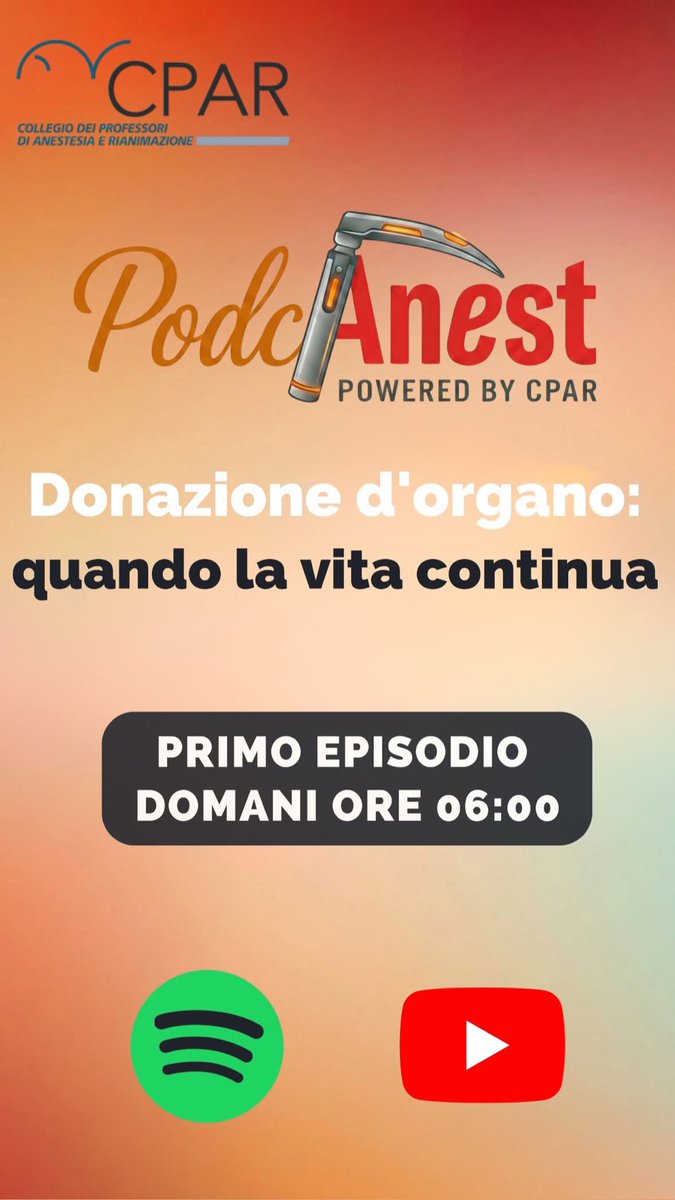
Domani verrà pubblicato su YouTube e Spotify il primo episodio di PodcAnest, un podcast sviluppato dal CPAR a cui ho collaborato
Lo scopo di spiegare il mondo dell’Anestesia e Rianimazione ai non medici e agli studenti di medicina
Il primo episodio parlerà di Donazioni d’organo