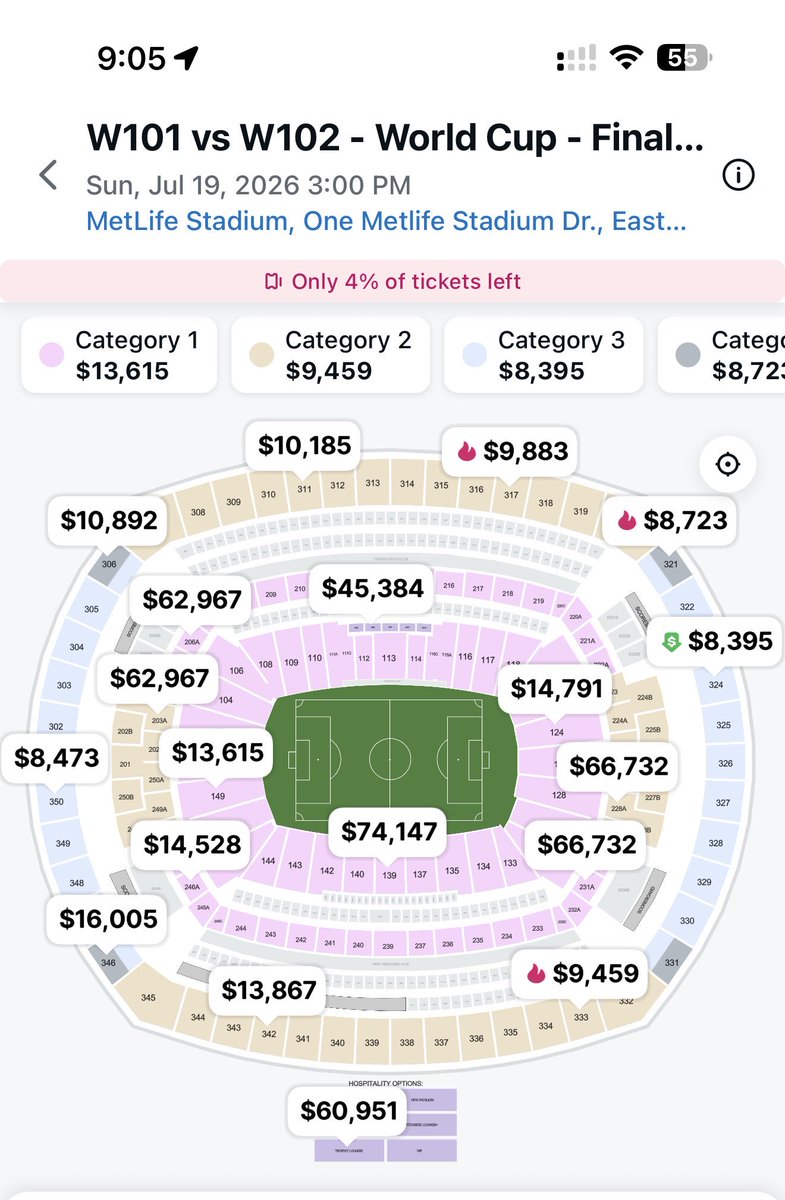
A large liquor store can carry 5000+ different wines. Most consumers recognize only a few, loyalty is weak, quality is opaque, the industry is highly fragmented, direct to consumer is limited, and wholesalers are mandated many places. Wineries must be the worst business ever.
If you’d told me a few years ago this is where we’d be on Iran, I’d have said you were high:
1. Nuke program set back years. Enrichment and reprocessing gutted, weaponization sites destroyed, Fordow inoperable, Natanz in ruins, a generation of senior nuclear scientists eliminated.
2. Ballistic missile program crippled. Monthly production down from 100 to near zero. Roughly half the regime’s missiles and launchers destroyed. The IRGC Aerospace Force commander who ran the missile enterprise dead.
3. Air defenses devastated. American and Israeli airpower dominating Iranian skies, with strike aircraft operating over the country with near impunity.
4. Full economic warfare. Not just OFAC sanctions anymore, but military pressure layered on top: naval blockade, near-zero oil exports, choked imports, wrecked steel and petrochemical sectors, triple-digit inflation, and a currency that is effectively worthless.
5. Regime decapitation. Khamenei dead. Larijani dead. Hundreds of senior IRGC, intelligence, military, and Basij commanders dead including the IRGC commander-in-chief, the armed forces chief of staff, and the Aerospace Force commander. Mojtaba Khamenei inheriting a hollowed-out regime with no supreme authority and a gutted command structure.
6. The region turning on Tehran. Gulf states shutting down the sanctions-busting, money-laundering, and financial escape routes the regime has relied on for years. No Arab capital willing to throw Iran a lifeline. China and Russia providing limited support.
7. Proxy network shattered. Hezbollah and Hamas heavily degraded. Houthi political leadership taking direct Israeli strikes. The “Axis of Resistance” and “ring of fire” are now more slogans than real threats.
8. Syrian corridor severed. Assad is gone. The new government in Damascus is actively blocking Iranian arms transfers to Hezbollah: arresting smugglers and publicly declaring Syria will no longer serve as a transit corridor for Tehran’s terrorists. The land bridge to the Mediterranean that took decades to build is effectively closed.
9. Lebanon pivoting west. With Hezbollah battered and resupply choked, Israel and Lebanon have opened direct peace talks for the first time since 1983, aimed at a permanent agreement and Hezbollah’s disarmament. Beirut now asserting that the Lebanese armed forces alone are responsible for national defense. This is a direct repudiation of Hezbollah’s “resistance” claim. TBD.
10. Deterrence exposed as a bluff. Four direct attacks on Israel — April 2024, October 2024, June 2025, March 2026 — failed to impose strategic cost and instead triggered heavy retaliation. Iran couldn’t even use Syria as a launchpad.
11.Economy hollowed out from within. Power shortages, water crises, factory shutdowns, pension unrest, and mass protests. Nationwide demonstrations erupted in December 2025 after a year of economic freefall, with bazaaris, oil workers, and truckers, the regime’s traditional support base, joining strikes across all 31 provinces. Running out of oil storage space. Fuel shortages. The worst crisis since 1979.
12. Scientific and technical brain drain. Beyond the nuclear experts, Iran has lost a generation of irreplaceable expertise in missile design, centrifuge engineering, and weapons development. The survivors are harder to recruit and easier to deter.
13. Naval power decimated. The regular navy shattered, IRGC navy taking growing losses as CENTCOM moves to reopen Hormuz.
And against all of this: the regime forced to play its Hormuz card at its weakest possible moment when the U.S. has options instead of when we didn’t: namely, Tehran with nuclear-armed ICBMs, 10,000 ballistic missiles, a Chinese- and Russian-built military, hundreds of thousands of attack drones, a fully operational terror network, and hundreds of billions of dollars to harden its economy.
That’s the strategic picture. It’s extraordinary. Much more to do but I can’t comprehend how much has been achieved.
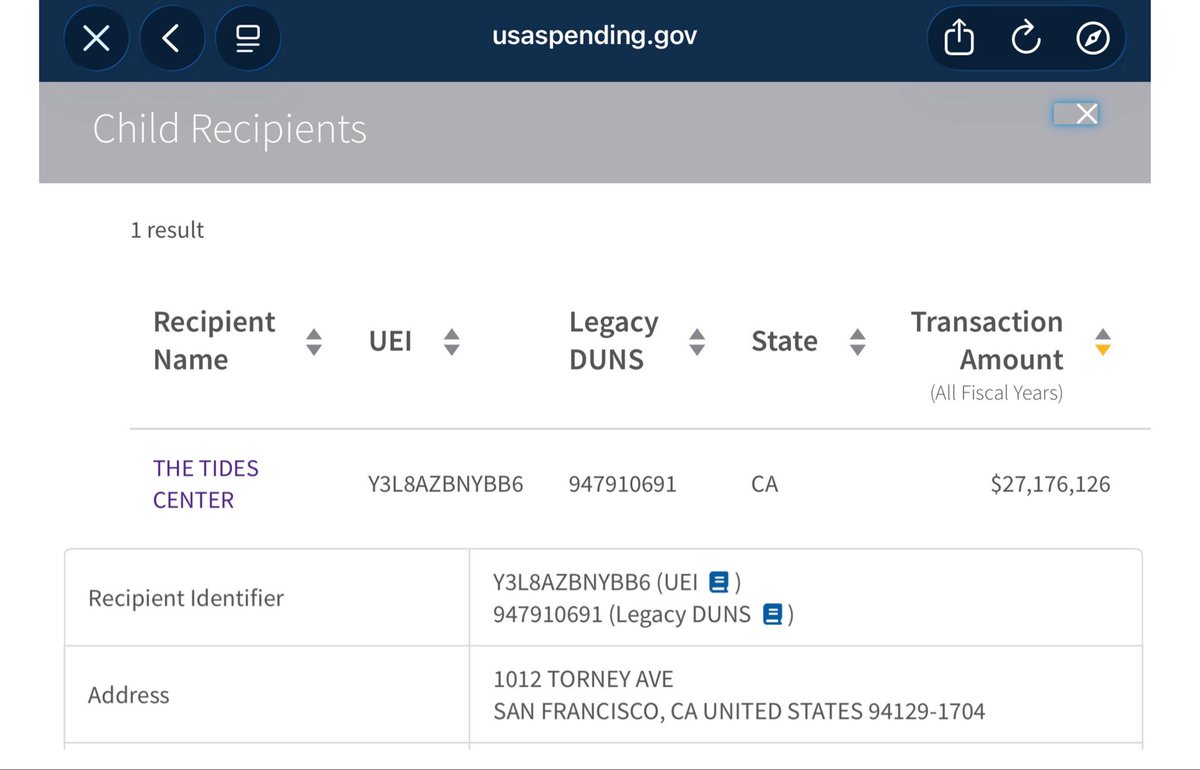
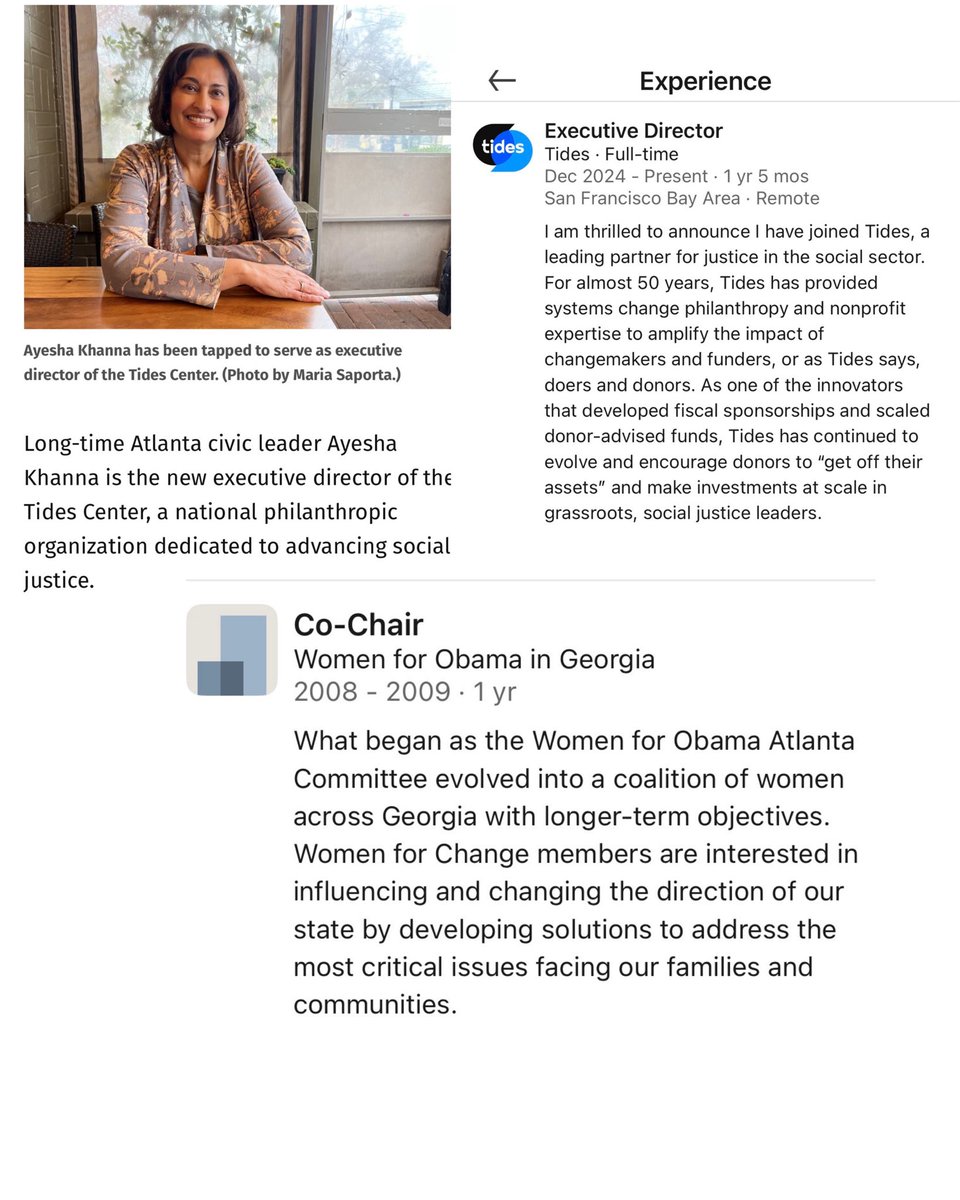
Incredible. USAID was funding the SPLC through an organization called the Tides Center, based in San Francisco.
From 2016 through 2024, USAID granted $27 million to the Tides Network to “strengthen global civil society organizations, promote transparency, accountability, citizen engagement, and serve as fiscal agent for USAID’s Civil Society Innovation Initiative.”
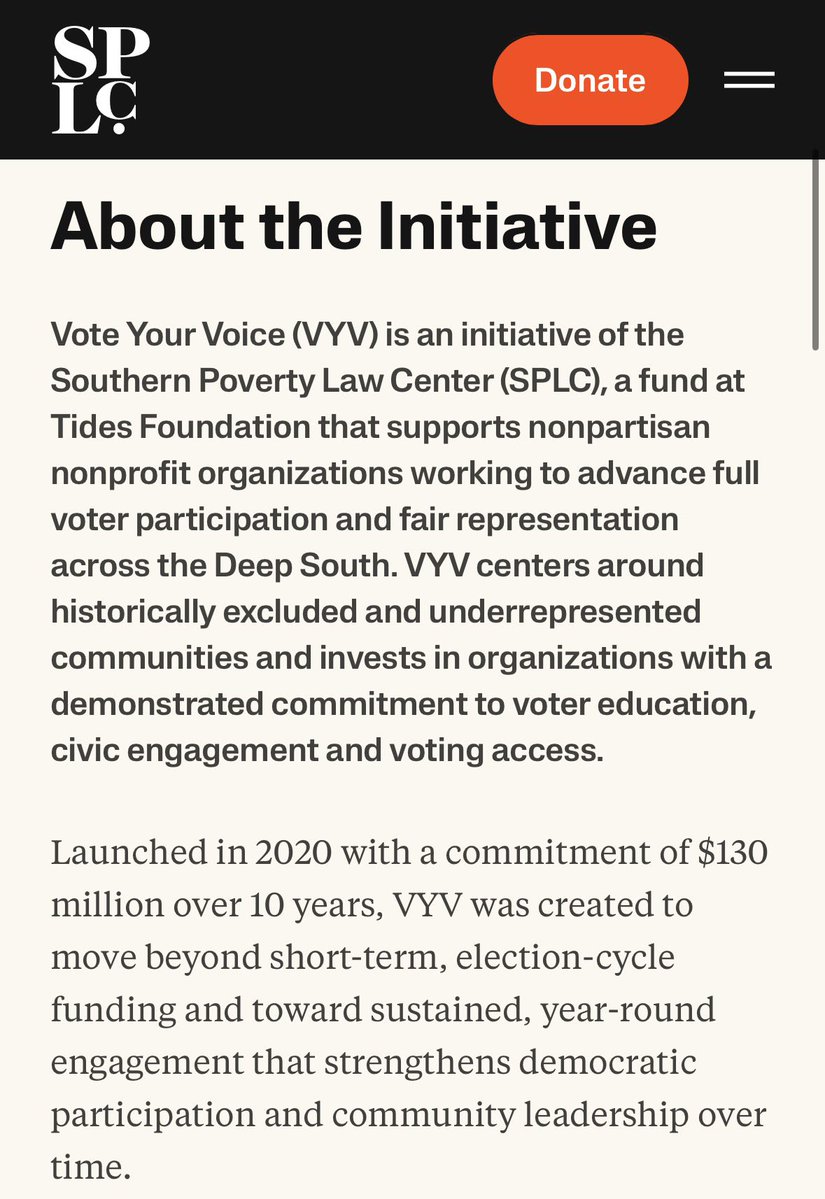
The Tides Center set up a fund through its Tides Foundation with that money for the Southern Poverty Law Center’s “Vote Your Voice” initiative.
The executive director of the Tides Center is Ayesha Khanna. She was co-chair of Women for Obama in Atlanta, Georgia.
Chamath urges donors to sue the SPLC and dismantle it.
@chamath “If you have donated, there is $822 million of your money sitting in an offshore bank account waiting for you to get it back.
Because the playbook seems to be: do the opposite to create the narrative, give it to your friends in the media who will look the other way and just amplify it.
Tell the lie, create the craziness, and then raise a bunch of money, make a bunch of stink, and try to curate power.”
@johnarnold No, it doesn’t seem stable.
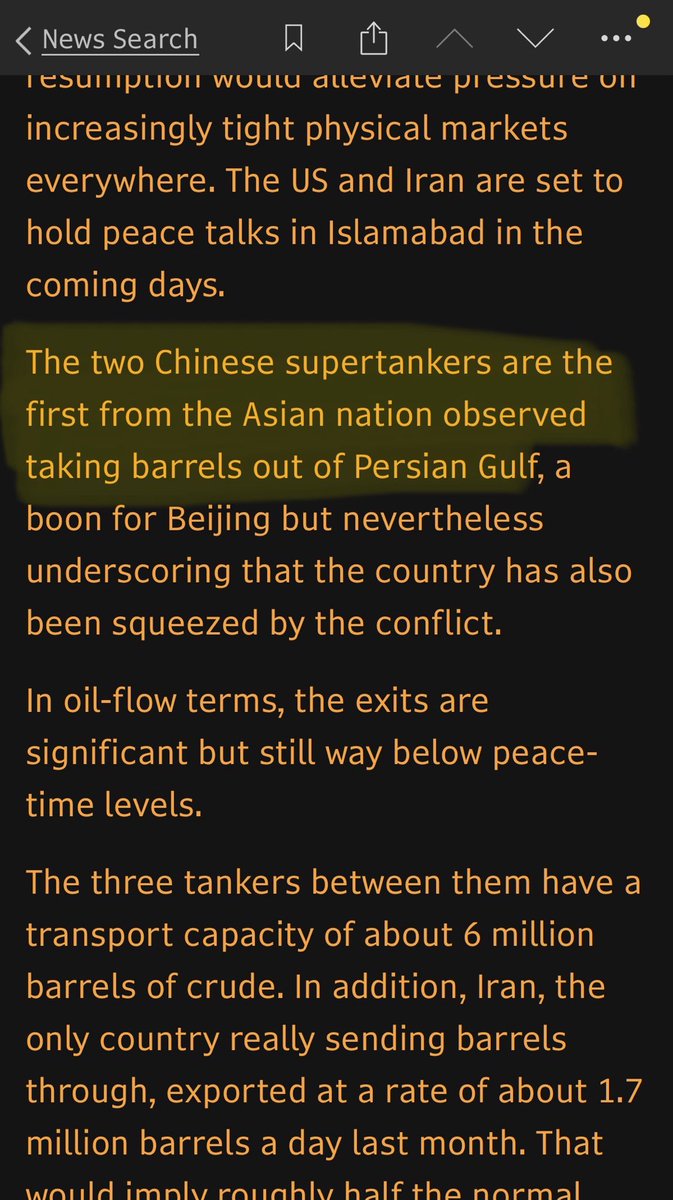
However, continuing to just let Iran decide who gets in and out of international waters seems like it acknowledges that they control the Strait, which they shouldn’t according to maritime law.
@johnarnold 2-3 ships yesterday for the first time (positive) … normally 15-20 per day according to Gemini… (not-positive) … so, oil is not freely flowing certainly to any country, but your question/concern is valid nonetheless.