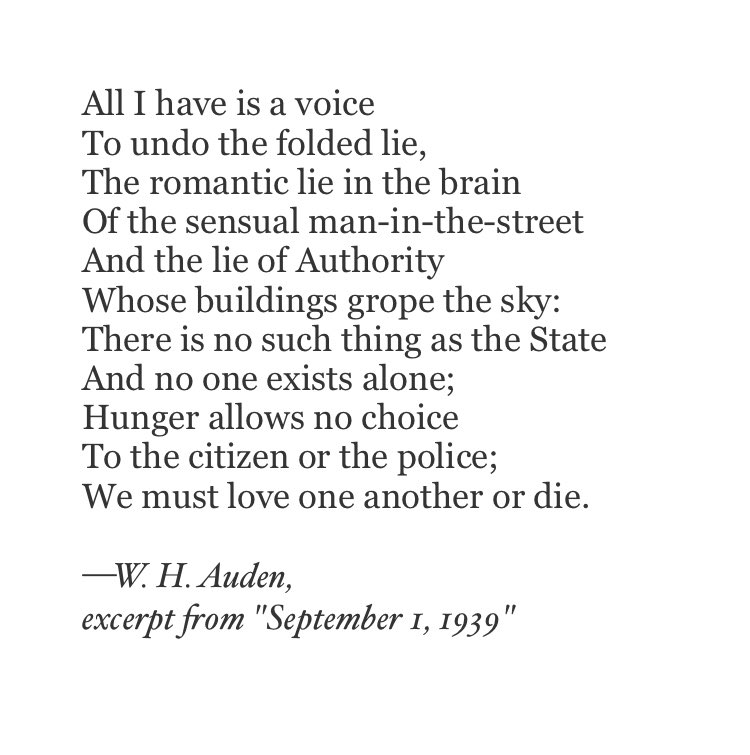
"Make no mistake: to ban books is to snuff out the flame of truth, of what it means to be alive, what it means to be aware, what it means to be engaged in the world. To ban books is to cut us off from one another."
Special guest Oprah Winfrey gets a standing ovation. #NBAwards
Effective teachers don't center their approach on rules, but rather on relationships, routines, & expectations. Prioritizing these over rules means spending less time enforcing them. When you invest in relationships, routines, & expectations, rule enforcement becomes less needed
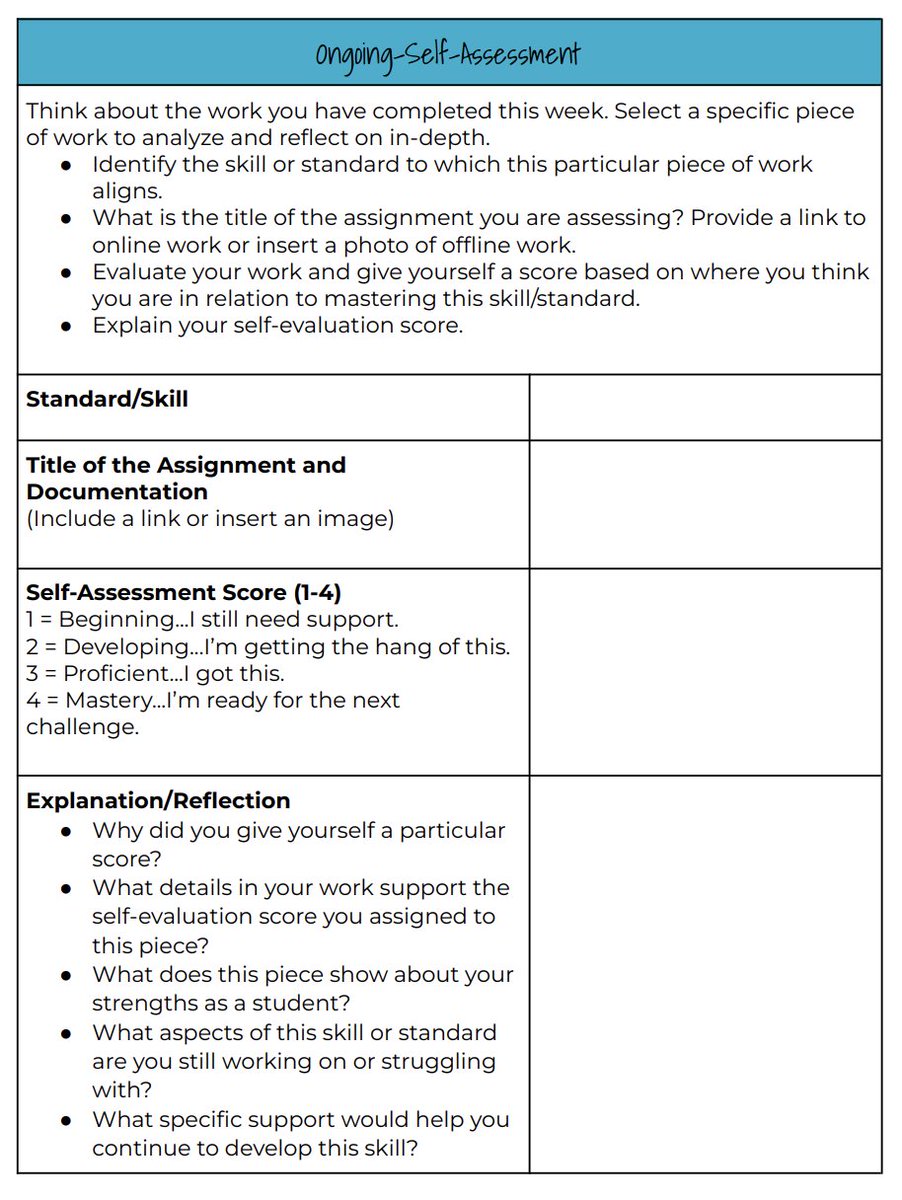
Self-assessment is an opportunity for meaningful reflection, reminds educators @KatieNovakUDL and @Catlin_Tucker!
Check out the template they use in their classrooms:
Creating Photo Words with Google Slides - https://t.co/nhwoImAC9H
🖼️ Place an image inside text in Slides to make designs for vocabulary, names, places, concepts, reflections, goals & more!
#GoogleEDU#ControlAltAchieve
Are you okay? ✅
Do you have self-control? ❌
I can’t quite decide what I love more about this video: mom’s expert modeling of how to de-escalate after a meltdown, or this little guy’s delightfully honest response.
Like most things, the development of emotional regulation is something that begins in a shared space between you and your child.
Look how mom provides instruction on how to calm big feelings - coaching her son to breathe and count.
This is a fantastic example of learning in what we call the “zone of proximal development” - which is the area just beyond what your child can do independently.
With mom’s co-regulation, however, he manages to return to a state of calm.
As for self-control, have no fear. It’s what comes next!
This fantastic interaction was shared to IG by sharonadrake.
High expectations 4 all kids in every setting.Tchng rdng has always been “my thing” …several years ago chairperson asked me what’s the secret 2 my success in tchng kids how 2 read. I said: “it’s simple. I believe that they are going 2 learn 2 read b/c I’m going to teach them how
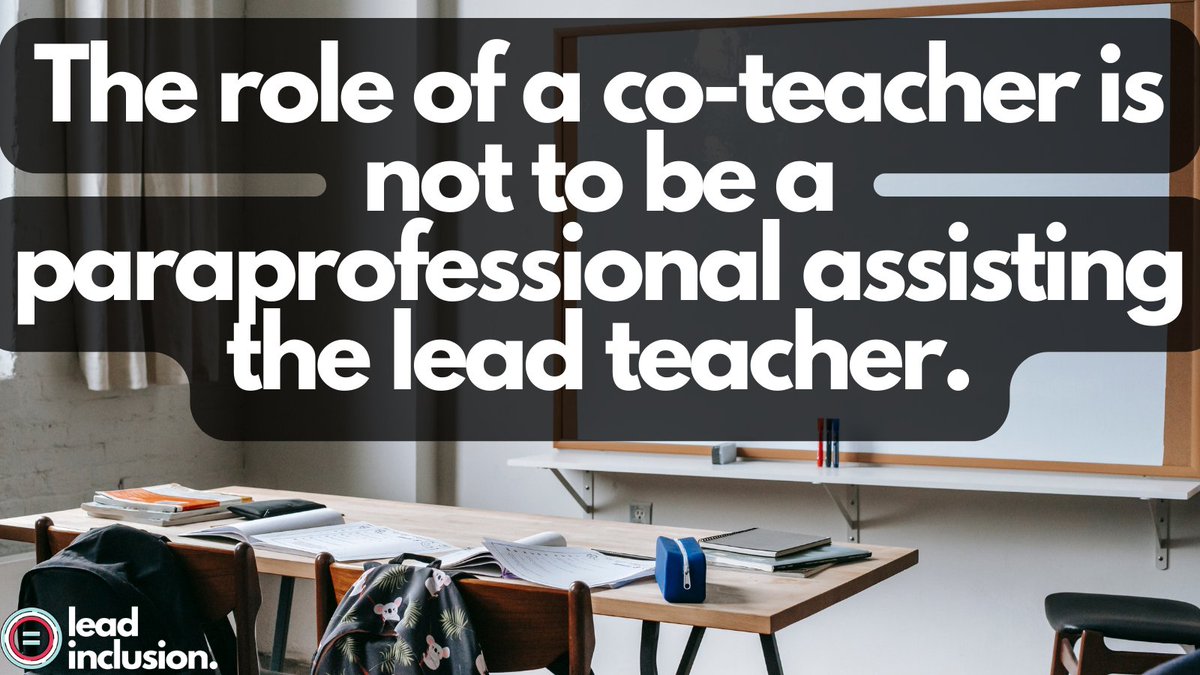
🤝 The role of a co-teacher is not to be a paraprofessional assisting the lead teacher. The co-teachers collaborate to plan, implement, assess, and evaluate together. #LeadInclusion#EdLeaders#Teachers#UDL#TeacherTwitter
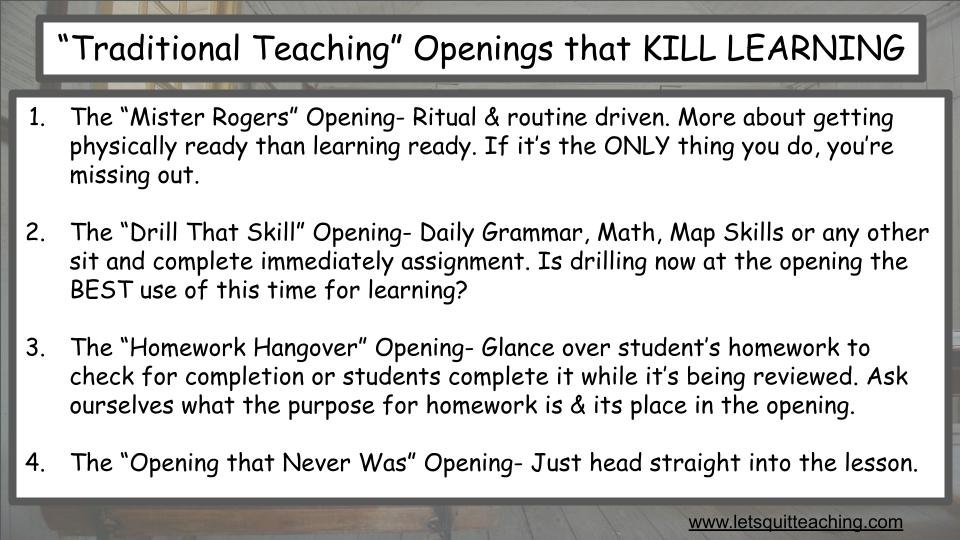
How to change from TEACHING to LEARNING #4:
Instead of a "Do Now/Bellringer" about preparation, drilling a skill, or reviewing homework.
TRY
Opening by activating prior knowledge & curiosity about the learning of the day.
Always ... ✅ Sometimes ... 💭 Never! ⛔️
With this game, Ss discuss math truths, half-truths and falsehoods with one another – boosting their math talk skills in the process.
(📸 via T mathwithmsmatherson on IG) #TeacherPD
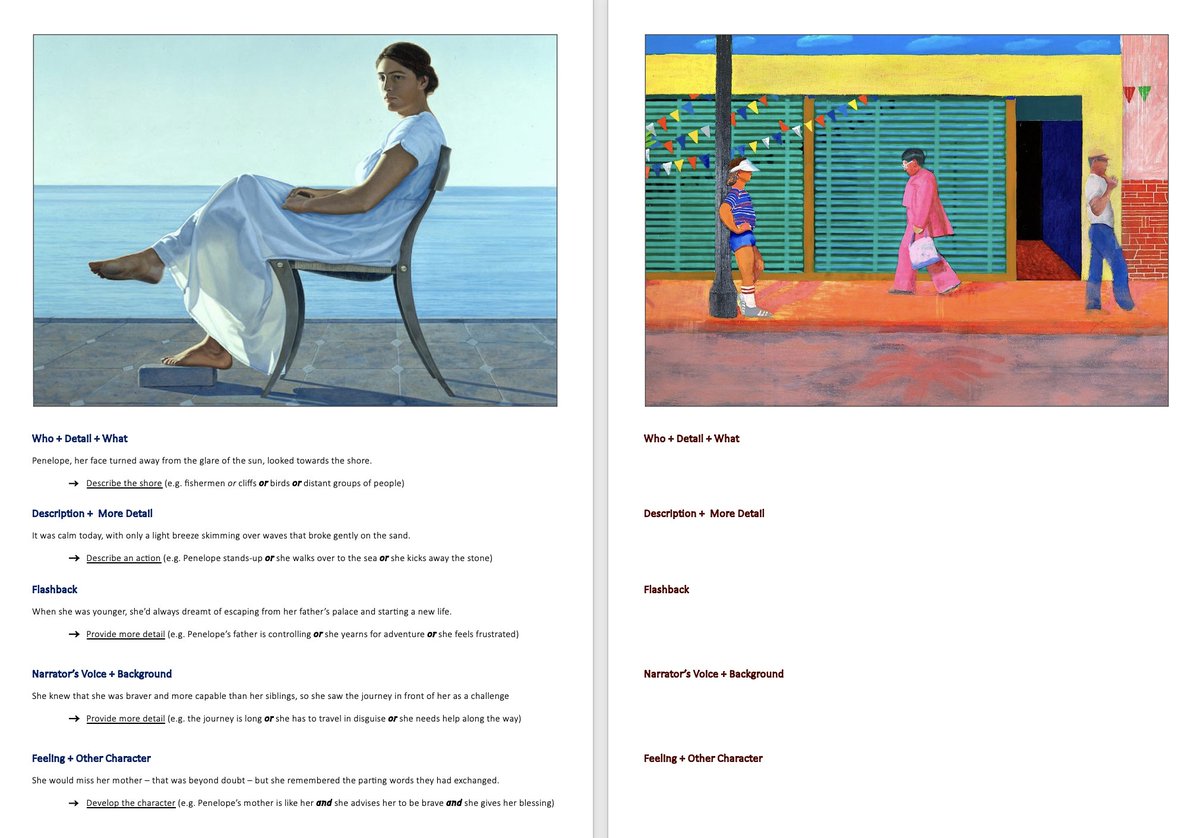
A worksheet designed to help students vary the structure of their sentences for creative writing https://t.co/6BuJ6jIBc8 All credit to @ChrisYoules, author of Sentence Models for Creative Writing, for the inspiration
How to change from TEACHING to LEARNING #2:
Instead of posting a learning target out of compliance.
TRY
Putting the target to use, letting it drive the convos with learners before the learning of the day, the feedback around the task & the progress discovered when class ends.
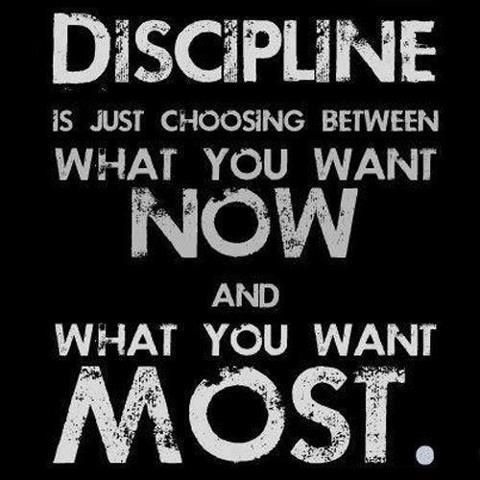
"Discipline isn't punishment - it's an opportunity to separate yourself from average."
Talent separates average from good.
But, discipline separates good from great.
Be disciplined to do what you need to do in order to be able to do what you want to do.
🤝 The role of a co-teacher is not to be an assistant aiding a lead teacher. Co-teachers collaborate with intention to plan, teach, assess, and reflect together. #LeadInclusion#EdLeaders#Teachers#UDL#TeacherTwitter
Two great strategies for handling student discipline from @casas_jimmy
“One of the most successful strategies for connecting with students and developing trusting relationships is to follow up with students a day or two after dealing with them in any type of discipline situation. After any disciplinary action, seek them out and ask them if they understood why you had disciplined them. Listen to what the student has to say and then share with the student that it was because you have high expectations for them and care about them. Say something like, “I never want you to think it is okay to behave in that manner. I have higher expectations for you than that. I am always going to encourage you to look at your own behavior and ask yourself what you did to contribute to the situation.” Make it a point to search out the student—in the hallway during a passing period or in the cafeteria—and check in on them, ask how they were doing, compliment “in some capacity, share a personal story, etc. until a meaningful relationship had been established. The students will learn that their “principal cares about them personally—not just about correcting their mistakes.
To this day, I still use this strategy to connect with students and refer to it as “Picking up the Pieces.” However, I modified my approach a bit and added these two simple questions immediately after all disciplinary discussions.
Do you feel I treated you fairly?
Do you think I care about you?
If I conducted myself appropriately and managed the conversation in a way that the student felt valued and that their voice was heard, the answer to those two questions would be a solid yes. If not, then I would have to be willing to accept the feedback and work even harder to build that trust.”
Excerpt From
#Culturize
Jimmy Casas